MedTest Dx manufactures quantitative test for G6PD with COVID-19 applications

The only FDA-approved test that measures G6PD provides key insight to inform drug therapy options

16 Apr 2020

Diane Li
Assistant Editor

Industry news

MedTest Dx, Inc., an established solution provider for clinical diagnostic testing, is providing a critical tool in the fight against COVID-19 with its Pointe Scientific-branded assay for the highly sensitive quantification of G6PD in whole blood. Understanding the G6PD status of COVID-19 patients is essential to prevent severe adverse reactions to Chloroquine and Hydroxychloroquine, increasingly being aimed at tackling the pandemic.

G6PD deficiency is the most common enzymatic blood disorder, affecting some 400 million people worldwide. The g6pd Deficiency Foundation estimates that the United States frequency of G6PD is between 4-7 percent. However, in African-American males, the prevalence is about 12 percent. Having this disorder and exposure to specific triggers can potentially lead to a hemolytic crisis, further exasperating the COVID-19 patient’s health issues.

Regulators have required drug manufacturers to include a contraindication regarding administration of Chloroquine or Hydroxychloroquine to those with a G6PD deficiency. Most patients harboring this disorder do not know that they have it, which makes testing prior to administration critical. It is for this reason that the World Health Organization (WHO) recommends that, where feasible, all patients should be tested for G6PD deficiency before such drugs are administered. This statement is echoed by the Centers for Disease Control and Prevention (CDC).

“Unless the patient has a medical episode that uncovers it, most people are unaware that they have the G6PD deficiency,” says Keely E Harris, president of the g6pd Deficiency Foundation. “Physicians having the knowledge of a patient’s G6PD status provides them a complete picture as they choose and monitor therapies.”

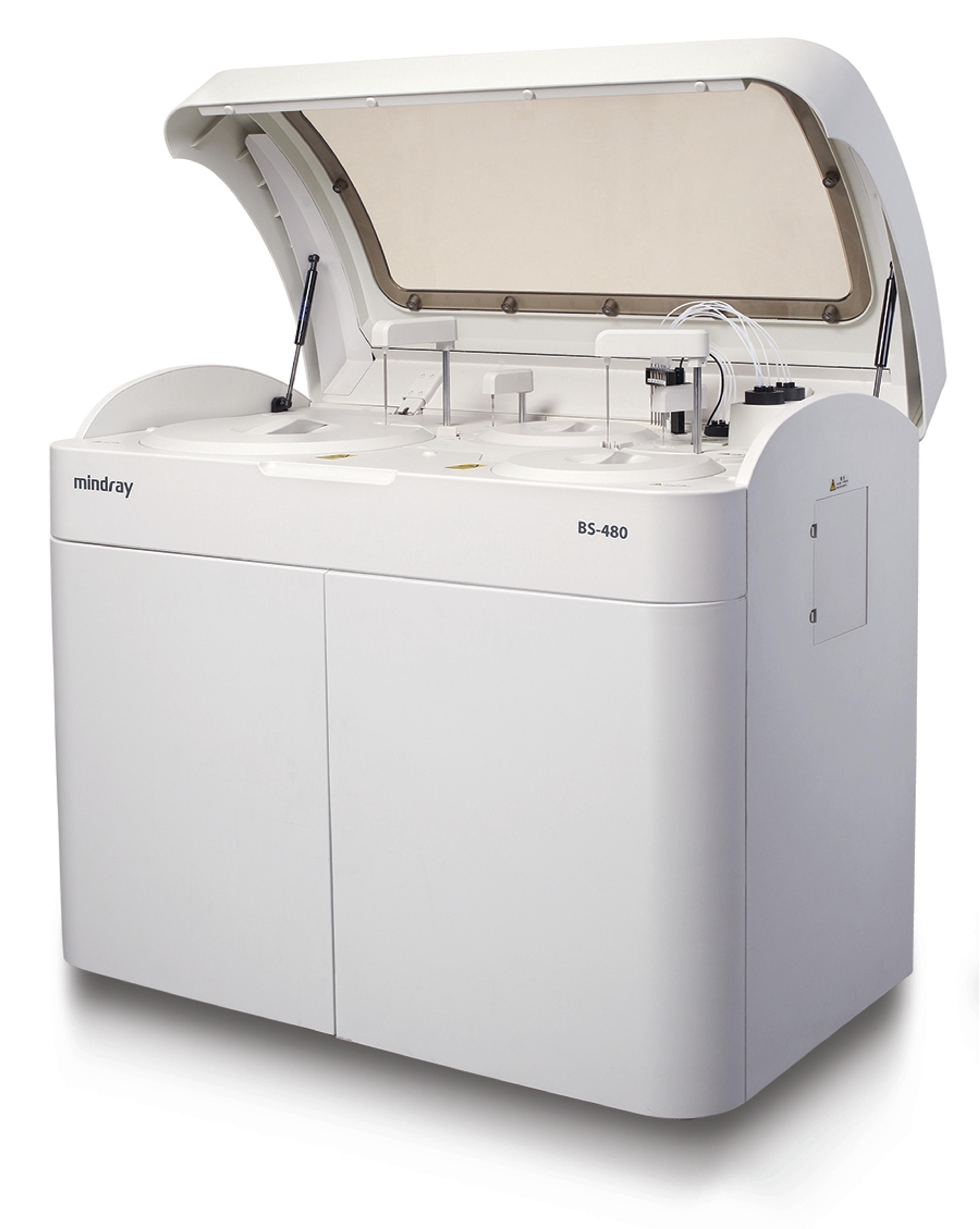
MedTest Dx’s G6PD assay, designed to run concurrently with standard diagnostic tests such as hemoglobin determination on a wide range of analyzers, benefits from on-board lysis to achieve results in just minutes.

“With resources currently stretched to the limit by the COVID-19 pandemic, healthcare institutions require a streamlined solution to quickly screen patients prior to beginning their course of treatment,” says Wayne Brinster, Chief Executive Officer of MedTest Dx. “Our assay rapidly informs both the presence and severity of the G6PD deficiency to aid clinical decision-making. Looking at the quantitative results, along with the WHO-defined G6PD deficiency levels, treatment decisions based on risk and benefit assessment can be made.”

Want more of the latest science news straight to your inbox? Become a member of SelectScience for free today>>

Links

Tags

AntibodiesAntibodies are used in techniques such as confocal and fluorescence microscopy, flow cytometry, ELISA, ELISPOT, immunohistochemistry, western blotting and immunopreciptation. Select specific antigen reactivity, high specific affinity, low non-specific binding, monoclonal or polyclonal, primary or secondary antibodies and associated conjugates such as an enzyme or dye for visualization.Cell Adhesion AssaysCell adhesion assays are used to quantitate attachment and analyze the molecular mechanisms for extracellular matrix adhesion, cell migration and sensitivity to inhibitors. Find the best cell adhesion assay equipment in our peer-reviewed product directory: compare products, check customer reviews and receive pricing direct from manufacturers.Data AnalysisData analysis hardware and software is available to make data processing straight-forward yet powerful. Data software can be used for math and stats, technical graphing and image analysis. In addition, software is available for specific data analysis of electrophoresis, densitometry, ELISA and DNA sequencing.Blood TransfusionBlood Transfusion involves giving donor blood to a recipient patient. Screening is essential to avoid transfusion reactions. Blood banks use immunohematological techniques to determine rh and ABO blood group, and screen for antibodies using specific antisera. Blood Banks use Direct Coombs Tests (DCT) and Indirect Coombs Tests (IAT) to detect hemolysis and Haemolytic Disease of the Newborn (HDN).ImmunologyImmunological techniques measure and characterize immune responses. Immunology kits and analysis systems often use techniques such as ELISA, radioimmunoassay (RIA) and immunodiffusion assays, Immunohistochemistry, and flow cytometry. Immunologists use equipment such as flow Cytometers, plate readers, plate washers and fluorescent microscopes.Cell-Based AssaysCell-based assays are used to monitor the presence, quantity and activities of a desired cellular analyte including drug molecules or biomarkers. This can reveal information on cell health (apoptosis, cytotoxicity, viability and proliferation assays), cell metabolism, cell migration and cell signaling mechanisms. Find the best cell-based assay products, kits and equipment with our peer reviewed product directory: compare products, check customer reviews and receiving pricing direct from manufacturers.Point-of-CarePoint-of-Care Testing (POCT) or Near Patient Testing (NPT) products are available for urine, blood and other clinical chemistry analyses. POCT includes: blood glucose testing, blood gas and electrolytes analysis, rapid coagulation testing (PT / INR), rapid cardiac markers diagnostics, drugs of abuse screening, urine strips testing, pregnancy testing, fecal occult blood analysis, food pathogens screening, hemoglobin diagnostics, infectious disease testing and cholesterol screening.Biopharmaceutical AdvancesBiopharmaceutical advances follow the development of pharmaceuticals derived from biotechnology, also known as biotechnology medicines. Biopharmaceuticals may be produced from cell lines, plants, or microbial cells. Important considerations of biopharmaceutical use include application, cost, production process and purification.Clinical TrialsClinical Trials, an essential part of drug discovery process, assess the safety and effectiveness of a new medication or device in the pharmaceutical industry. Clinical Trials are a phased process (Phase 0, Phase I, Phase II, Phase III and Phase IV) which begins after initial preclinical testing.Clinical ChemistryBiochemistry (or clinical chemistry) involves the analysis of bodily fluids using chemical tests. Techniques used include HPLC, chromatography, spectroscopy, mass spectrometry, immunochemical, electrophoresis, turbidometric / spectrophotometric assay, MRI and ISE analysis. Tests are often carried out on plasma or serum but urine (urinalysis) and fecal specimens are also processed.Clinical GeneticsMolecular Genetics covers the analysis of hereditary genetic disease and chromosomal abnormalities. Genetics can be analysed using DNA, RNA, and protein microarrays, PCR, RT PCR and DNA sequencing. Genetic equipment includes genetic workstations, thermal cyclers, cooling blocks and electrophoresis products. Diagnostic kits are used for DNA / RNA extraction and purification.Clinical MicrobiologyMicrobiology is the study of microorganisms including protists, prokaryotes, fungi, and, often, viruses. Microorganisms are a useful research tool as genetic vectors and, in immunology, for antibiotic susceptibility testing, cellular biology and genetics. Microorganisms commonly grow readily in incubators with microbial culture media; this can contain chromogenic supplements to differentiate between cell lines. Estimate your culture’s density of microorganisms with colony counters, or screen and select colonies for desirable clones with automated colony pickers. Additionally, equipment is available to monitor environments for the presence of microbes and identify with microbial identification instruments. Find the best microbiology products in our peer-reviewed product directory: compare products, check customer reviews and receive pricing direct from manufacturers.Embryology / IVFEmbryology refers to the development of an embryo resulting from the fertilization of the ovum, to fetus stage. In vitro fertilization (IVF) refers to the fertilization of the egg outside of the human body, and is an important treatment for infertility.Drug DeliveryDrug Delivery refers to dosage form, route of administration, formulations, technologies, and systems for transporting a pharmaceutical compound in the body as needed to safely achieve its desired therapeutic effect. Drug delivery is often approached via the biopharmaceutical or small molecule drug's formulation, but it may also involve medical devices or drug-device combination products. Considerations include instrumentation, software and services. Scale-upScale-Up is generally defined as the process of transferring the results of the discovery phases of the drug discovery process, obtained on a laboratory scale, to the pilot plant and finally to production scale. Scale-Up uses reactors and pump systems as well as reagents, standards and buffers. Often Scale-Up is provided as a service by Contract Manufacturing Organizations (CMOs).
MedTest Dx manufactures quantitative test for G6PD with COVID-19 applications