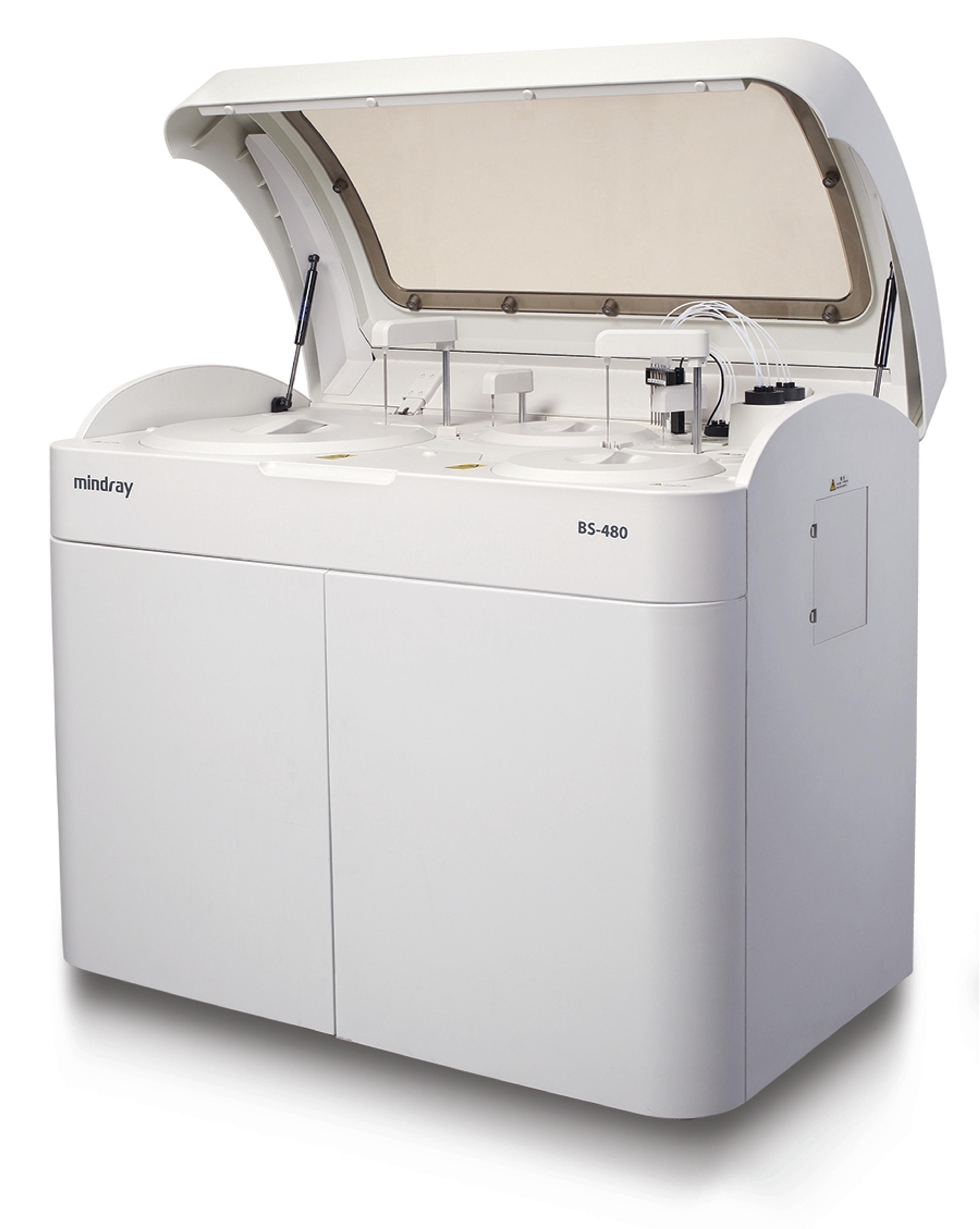
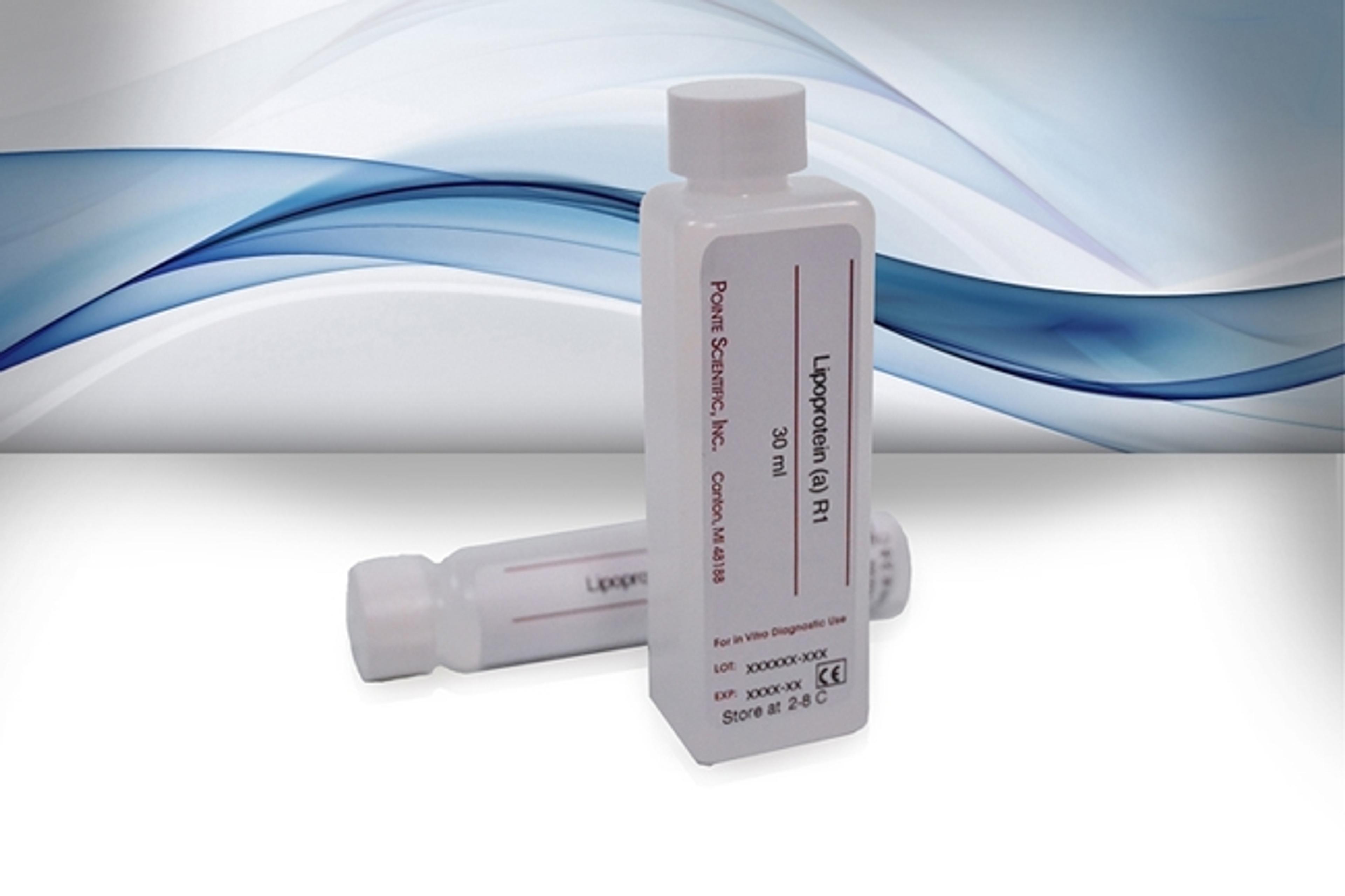
MedTest Announces the US Commercial Launch of Its Direct Hemoglobin A1c, Homocysteine, and Lipoprotein (a) “Lp(a)” Reagents for the Mindray™ BS-480 Chemistry Analyzer

21 Mar 2016
Alex Waite
Editorial Assistant

Product news

MedTest announces the commercial launch of their Direct Hemoglobin A1c, Homocysteine, and Lipoprotein(a) reagents for the Mindray™ BS-480 Chemistry Analyzer for use in clinical laboratories in the United States and Canada.

The Mindray™ BS-480 Analyzer meets the testing needs of mid-volume laboratories, while offering state-of-the-art features commonly found on large volume analyzers.

MedTest is the exclusive US distributor of the Mindray™ BS-480 Chemistry Analyzer, which is part of the MedTest 480 Ensemble that includes the manufacturing and distribution of reagents, calibrators, and quality control products for the general chemistry and drugs of abuse testing markets. The full menu includes drugs of abuse reagents for urine drug screening, and a full menu of chemistry tests including specialty tests like Hemoglobin A1c and Lipoprotein (a). The new reagents are manufactured specifically for the Mindray™ BS-480 Analyzer and are provided in barcoded containers for ease of use.

Hanjoon Ryu, CEO of MedTest, stated: “MedTest is committed to test menu expansion on the Mindray™ BS-480 Analyzer. Our customers deserve an integrated service provider who offers innovative instruments with expanding test menus, superior customer support and recognized economic advantages. Partnered with the Mindray™ benchtop BS-200 Chemistry Analyzer, the Mindray™ BS-480 Analyzer enables MedTest to offer a unique testing solution for the Integrated Delivery Networks (IDNs) and Group Purchasing Organizations (GPOs) in the United States. Our solution will provide commutable testing results between the core laboratory and satellite laboratory.”

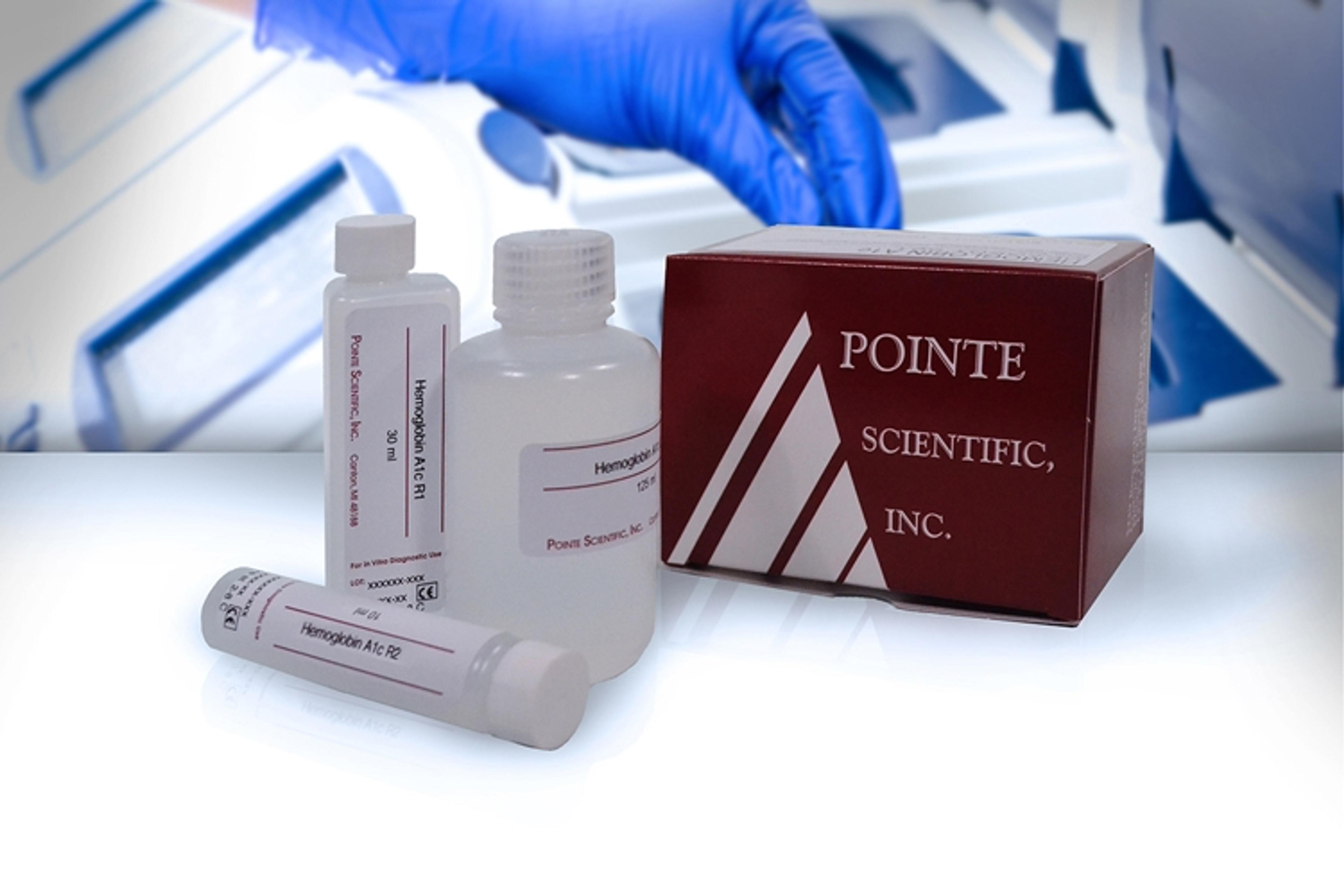
Hemoglobin A1c Open Channel Reagent

MedTest

Hemoglobin A1c  reagents,  calibrators and quality control  for use as open channel on commercially available chemistry analyzers providing a direct measurement of HbA1c. The MedTest HbA1c reagents provide a direct measurement of HbA1c concentration rather than a calculated answer as seen in most other commercially available assays,  The reagents can be used as open channel on most commercially available chemistry analyzers.  Specific  instrument application sheets are available for set-up.  Most analyzers can be programmed to perform the blood sample lyse procedure automatically thus eliminating the time-consuming preparation of the hemolysate.   Key Features: NGSP certified Referenced to the IFCC Standard Liquid, ready to use Excellent correlation to common HPLC methods Minimal cross-reactivity with hemoglobin variants
(1)

Links

Tags

Sample PreparationSample preparation can improve the quality and speed of separation techniques. Products to assist sample preparation include filtration equipment, evaporators, membranes and sieves.Sample ManagementSample management systems include sample storage devices such as freezers and plate storers, sample environment enclosures and sample organization, retrieval and sorter systems. Useful system features include high-throughput, automation, robotic arms, automated liquid handling and associated database systems. Accessories in sample management include barcode scanners, heat sealers and tubes.Medicinal ChemistryMedicinal chemistry is a broad discipline encompassing the design, identification, synthesis and development of chemicals in drug discovery. It includes a number of techniques covering structural biology, synthetic chemistry and molecular biology. Technologies used in medicinal chemistry include ADME, lab-on-a-chip, high content screening and assay assembly.HematologyIn Haematology / Hematology, complete blood cell counts (or full blood counts) are obtained using automated blood count analyzers to enumerate blood cell types.  Hematology also encompasses haemostasis and coagulation, thrombophilia and hemophilia, plasma viscosity and ESR analysis, hemoglobinopathies, cell morphology and haematinic measurement.Robotic WorkstationsRobotic workstations are automated platforms enabling the user to perform high-throughput, multi-application processes, from sample preparation tasks such as PCR set-up, DNA purification and NGS library preparation, to integrated sample prep and analysis workstations. Automation makes processes consistent, fast, precise and fully walk-away. Find the best robotic workstations in our peer-reviewed product directory: compare products, check customer reviews and receive pricing direct from manufacturers.Automated Liquid HandlingAutomated liquid handling equipment is used to mix, dilute and dispense allotted volumes of liquid into microplates and other vessels automatically. The robotic, liquid handling arms can dispense from single channel to 3456 multichannel as well as operate nanoliter dispensing, enabling high throughput of samples. Find the best automated liquid handlers in our peer-reviewed product directory: compare products, check customer reviews and receive pricing direct from manufacturers.Clinical ChemistryBiochemistry (or clinical chemistry) involves the analysis of bodily fluids using chemical tests. Techniques used include HPLC, chromatography, spectroscopy, mass spectrometry, immunochemical, electrophoresis, turbidometric / spectrophotometric assay, MRI and ISE analysis. Tests are often carried out on plasma or serum but urine (urinalysis) and fecal specimens are also processed.Toxicology / Drugs of Abuse TestingToxicology and Drugs of Abuse Testing is the investigation into toxic and illegal substances found at the scene of a crime or from a suspect and / or victim associated with a scene of a crime. Analyzers, immunoassays and drugs of abuse test kits and presumptive test kits are an essential aspect of toxicology investigation.BiochemistryBiochemistry (or clinical chemistry) involves the analysis of bodily fluids using chemical tests. Techniques used include HPLC, chromatography, spectroscopy, mass spectrometry, immunochemical, electrophoresis, turbidometric / spectrophotometric assay, MRI and ISE analysis. Tests are often carried out on plasma or serum but urine (urinalysis) and fecal specimens are also processed.Compound AnalysisCompound analysis is used to discover specific compounds that could be promising candidates for pharmaceutical use. This potential is identified when compounds have the desired effect, such as interaction with a target protein, during high throughput screening.Hematology Point of CareReagent DispenserBlood AnalysisThe analysis of blood is vital for many areas of life sciences and forensic investigations. Blood samples can be tested for a number of different reasons such as diagnosis, glucose levels, cholesterol and drug testing.UrineThe analysis of urine is important in medicinal, anti-doping, forensic and life sciences applications. The ability to evaluate what someone has ingested through their urine enables fast detection and diagnosis of certain illnesses.