MedTest Announces Availability of a Hydrocodone Assay for Urine Drug Screening

1 Jun 2016
Alex Waite
Editorial Assistant

Product news

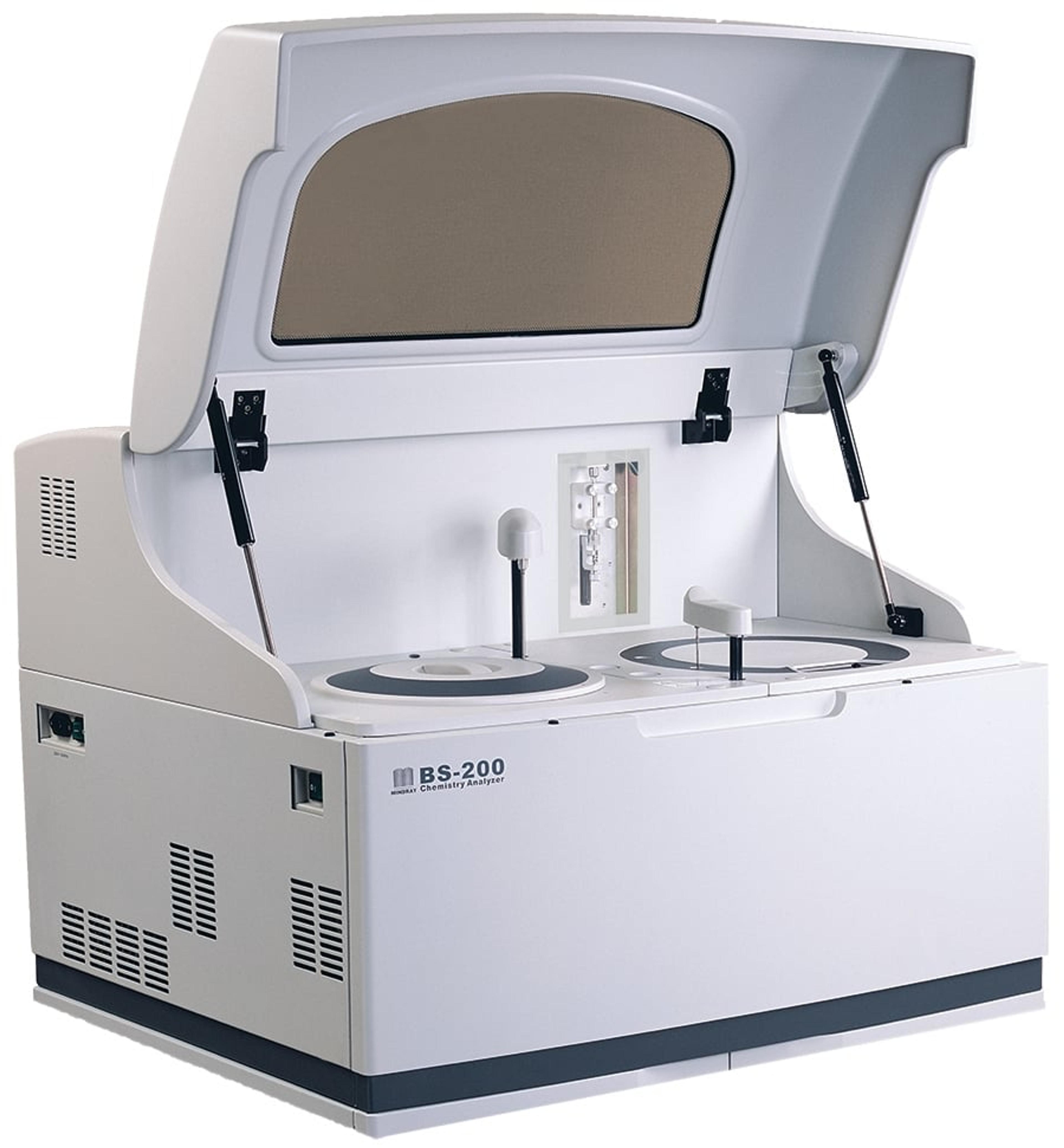
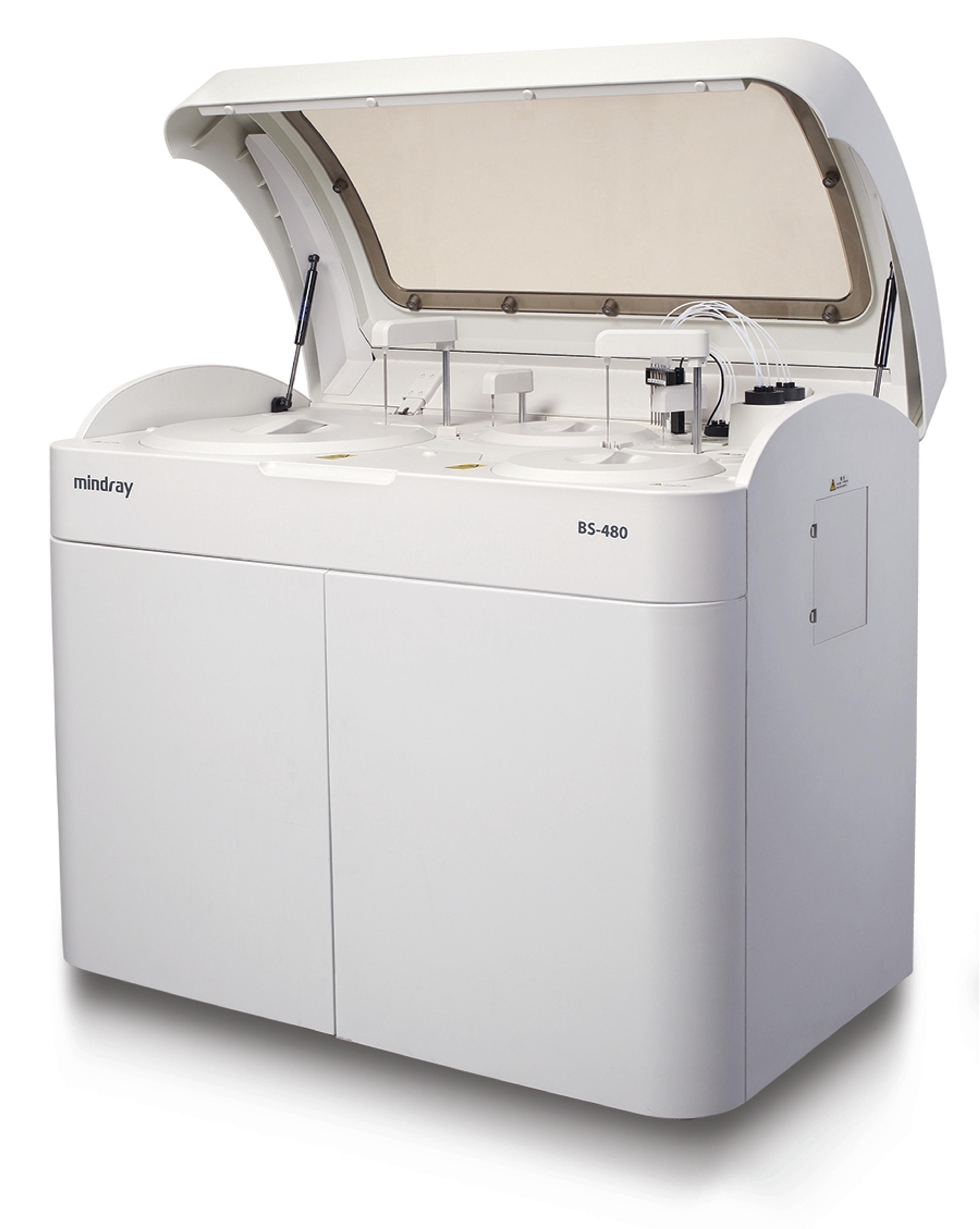
MedTest has announced the availability of a hydrocodone assay for use on the BS-200 and BS-480 Chemistry Analyzers for urine drug screening.

The addition of hydrocodone broadens MedTest’s menu of urine drug screening reagents already available.

Hydrocodone is a semi-synthetic opioid derived from codeine and thebaine. It is used to relieve moderate to severe pain and to treat a cough. Hydrocodone is prescribed predominantly in the United States. Commercial Hydrocodone preparations are often combined with another medication to increase efficacy and reduce adverse effects. It is available as combination drugs with Acetaminophen such as Vicodin and Lortab, Ibuprofen (Vicoprofen) and antihistamines (Hyconine). In recent years, an increase in the abuse of the prescription pain management drugs Hydrocodone and Hydromorphone has been observed. Hydrocodone is rapidly metabolized to Hydromorphone and its glucuronide, and can be found in human urine for up to 2-3 days.

Hanjoon Ryu, CEO of MedTest, stated: “Hydrocodone is rapidly metabolized to hydromorphone and its glucuronide. Since it does not metabolize into morphine, standard opiate testing reagents will not detect its presence. Physicians request the hydrocodone test to effectively manage their patients and insure that they are getting a total picture of the patient’s medication status. Adding hydrocodone to our broad menu of urine drugs of abuse reagents is of value to the physician.”

Links

Tags

Sample PreparationSample preparation can improve the quality and speed of separation techniques. Products to assist sample preparation include filtration equipment, evaporators, membranes and sieves.Sample ManagementSample management systems include sample storage devices such as freezers and plate storers, sample environment enclosures and sample organization, retrieval and sorter systems. Useful system features include high-throughput, automation, robotic arms, automated liquid handling and associated database systems. Accessories in sample management include barcode scanners, heat sealers and tubes.Assay AssemblyAssay Assembly is technique used in drug discovery to develop assays to test the cytotoxicity, genotoxicity, or other activities of a compound on a cell. Assay assembly requires chip assembly, a delivery system and a detection and analysis method. Beneficial features of assay kits or automated systems include high-throughput, high speed and sensitivity and low signal to noise ratio.Microarray AnalysisMicroarrays, also known as biochips, are used for the detection and analysis of multiple genes, proteins, antibodies, or biomarkers on a single microchip. This can reveal information on protein or gene expression, single nucleotide polymorphism (SNP), copy number variation (CNV), epigenetics and patient health in clinical diagnostic tests. Discover a range of microarray scanners and prefabricated antibody, protein, RNA and DNA microarrays for your analysis or consider creating your own custom microarrays with a microarray printer. Find the best microarray products in our peer-reviewed product directory: compare products, check customer reviews and receive pricing direct from manufacturers.High-Content ScreeningHigh-content screening (HCS), also known as high-content analysis (HCA), is a high-throughput technique used in drug discovery to identify substances that alter the phenotype of cells. HCS uses fluorescent microscopic imaging and automated image analysis to investigate cellular events such as apoptosis, cell viability, GPCR activation, oxide production, neurite outgrowth, and cell signaling. Find the best fluorescent labeling reagents, cellular assays, and high-content imaging systems in our peer-reviewed product directory: compare products, check customer reviews and receive pricing direct from manufacturers.Clinical ChemistryBiochemistry (or clinical chemistry) involves the analysis of bodily fluids using chemical tests. Techniques used include HPLC, chromatography, spectroscopy, mass spectrometry, immunochemical, electrophoresis, turbidometric / spectrophotometric assay, MRI and ISE analysis. Tests are often carried out on plasma or serum but urine (urinalysis) and fecal specimens are also processed.Toxicology / Drugs of Abuse TestingToxicology and Drugs of Abuse Testing is the investigation into toxic and illegal substances found at the scene of a crime or from a suspect and / or victim associated with a scene of a crime. Analyzers, immunoassays and drugs of abuse test kits and presumptive test kits are an essential aspect of toxicology investigation.Drug DeliveryDrug Delivery refers to dosage form, route of administration, formulations, technologies, and systems for transporting a pharmaceutical compound in the body as needed to safely achieve its desired therapeutic effect. Drug delivery is often approached via the biopharmaceutical or small molecule drug's formulation, but it may also involve medical devices or drug-device combination products. Considerations include instrumentation, software and services. RegulatoryPharmaceutical regulations impact on all areas of drug development, manufacture and control and supply. Services are provided from the early stages of drug development and clinical trials through to dossier submission, approval and marketing. Regulatory also includes submission of analytical studies from the pharmaceutical product and safety. Drug DosageDosage is the size or frequency of the administration of a drug. Determination of the dosage of a drug is critical in pharmaceutical development to ensure the optimum balance between efficacy and toxicity.Drugs of AbuseA drug of abuse is a drug that has been taken for non-medical purposes. Such drugs can have mind-altering effects, with some causing dependence and addiction.Drug TestingIt is essential to test the efficacy and toxicity of drugs at every stage of their development to ensure that a pharmaceutical product is fit for purpose and safe for use before reaching the stage of mass production and distribution.Molecular DiagnosticsMolecular diagnostics use an individual’s genetic code and gene expression to diagnose and monitor diseases. The technique is used increasingly in the field of infectious diseases and oncology, as well as areas such as coagulation, HLA typing and pharmacogenomics. Molecular diagnostics plays a pivotal role in personalized medicine.Therapeutic Drug ManagementHuman UrineHuman urine can be used in a number of tests for human health diagnosis, treatment assessments and the detection drug use. Techniques used with Human urine include LC-MS/MS, SLE, GC-MS, SPE and mass spectrometry.