
Mastering particle size analysis in the pharma industry
Sunil Patel reveals the key technology behind reliable pharmaceutical formulation and finished product analysis at Intas Pharmaceuticals
26 Jul 2021
Editorial article
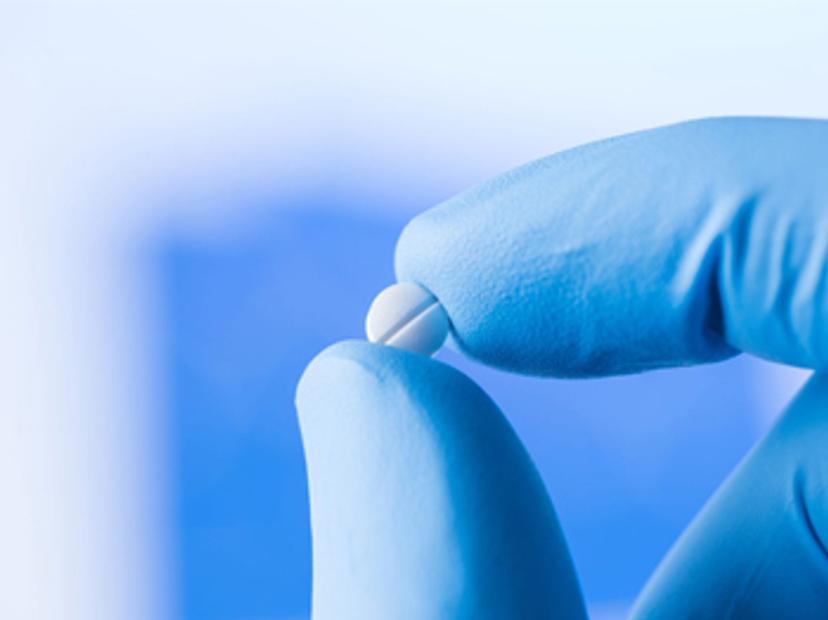
Particle size analysis is one of the most widely used techniques in the pharma industry, with applications across every stage of the pharmaceutical development and manufacturing workflow. From raw material selection through to formulation development and quality control, the size and shape of particles can influence several critical production parameters, including the bioavailability and stability of the active pharmaceutical ingredients (APIs), dose uniformity, and many other quality attributes.
Critical to performing particle size analyses is establishing robust and reliable analytical methods capable of characterizing a variety of different samples with a wide range of properties. In this interview, we speak with Sunil Patel, assistant general manager of analytical development at Intas Pharmaceuticals, about his work developing and validating analytical methods for both API and finished product analysis, and how technology and technical support from Malvern Panalytical has allowed his team to overcome even the most demanding applications.
The right tool for the job
Intas Pharmaceuticals specializes in the development and commercialization of novel therapeutic products for the treatment of cancer, infectious diseases and acute medical emergencies. The company has established leadership in therapeutic segments including CNS, cardiovascular, diabetology, gastroenterology, urology and oncology, and boasts an R&D department consisting of over 550 scientists and researchers.

Working at the company’s headquarters in Ahmedabad, India, Patel’s team focuses on method development and validation for both API analysis and finished product analysis. Patel explains: “Once we receive an API from our suppliers, we have to check the particle size to make sure it is compatible with our formulation. However, often a supplied wet or dry method does not work, so we have to do some in-house development to finalize the best approach. We are doing the same thing for finished product analysis, where we are developing methods suitable for our products, and that can be applied directly to routine quality control.”
For both these applications, Patel’s team is conducting particle size analysis using the Mastersizer 3000 by Malvern Panalytical. Over his 17 years in the pharmaceutical industry, Patel has had the opportunity to evaluate many different manufacturers of particle sizing equipment and has been particularly impressed with the reliability and performance of technology from Malvern Panalytical, as well as its customer service. Below, he tells us more.
When we think about particle size analysis, Malvern is the only brand in mind – it’s the king in our industry!
What are your experienced benefits of using the Mastersizer 3000?
SP: For any pharmaceutical product, determining the particle size is very important, and for this, the Malvern Mastersizer is a wonderful analytical instrument. It’s excellent in terms of performance, very robust, and you can run it flawlessly for back-to-back analysis.
I have worked in the pharma industry since 2004, and when we think about particle size analysis, Malvern is the only brand in mind – it’s the king in our industry!
How does Malvern Panalytical support your work?
SP: When we’ve needed support, we’ve received it. Malvern Panalytical service engineers are helping maintain our instruments, and its application engineers are supporting our method development. The service engineers are very caring and help to keep the instrument in its ideal mode to ensure uninterrupted analyses. If we are facing tough development challenges, we can directly ask our application engineers, who guide us on how to fine-tune the methods and provide the exact parameters we need to set to achieve a better analysis.
Do you have any advice for other scientists who might be looking to purchase this equipment?
SP: For the pharma industry, as far as I am concerned, any purchaser should definitely consider the Malvern Mastersizer 3000 series. The instrument requires very low maintenance and has a wide range of applications, providing excellent value for money.
Do you use Malvern Panalytical technology in your lab? Write a review today for your chance to win a $400 Amazon Gift Card >>
Related products
Request Quote for All Products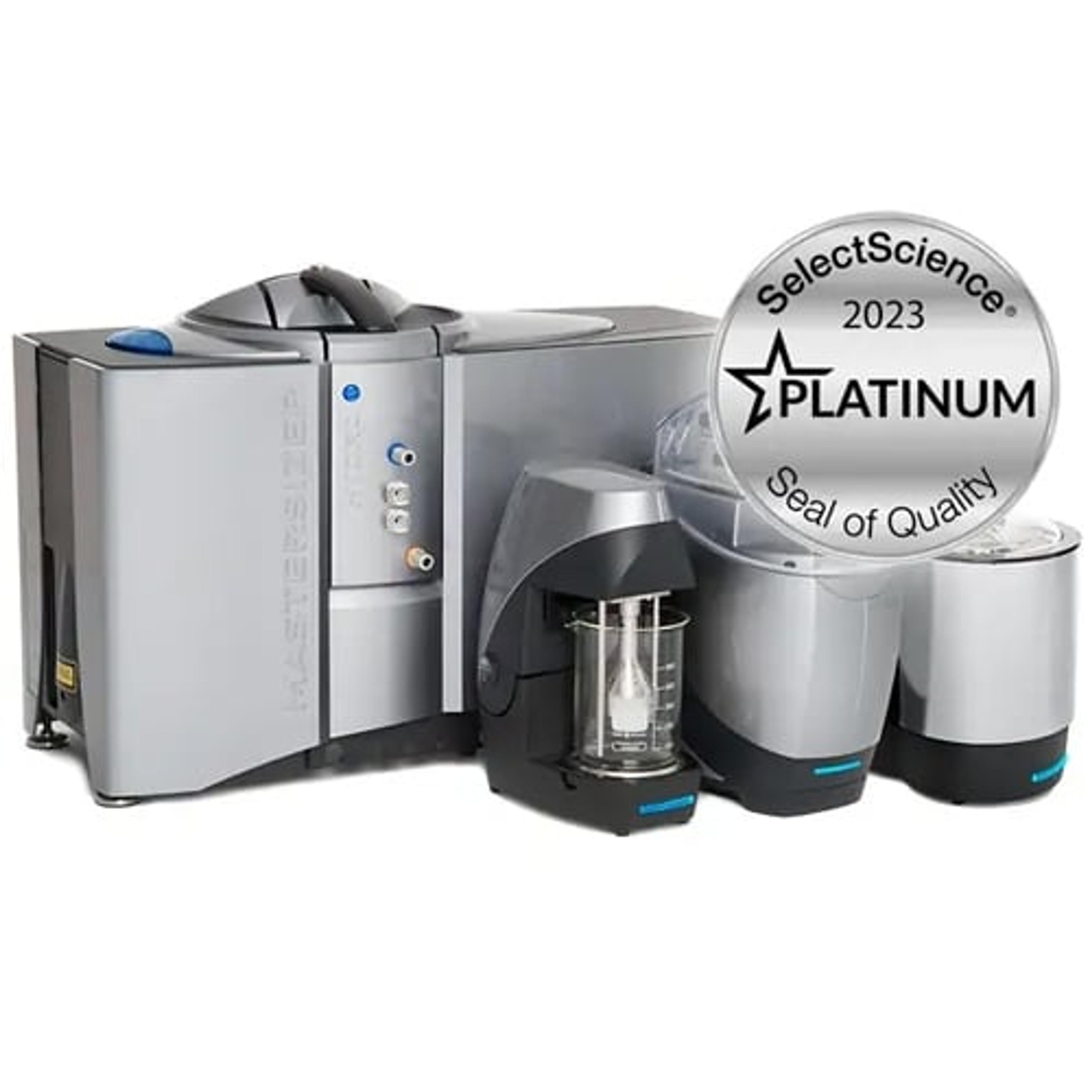
Mastersizer 3000
Malvern PanalyticalWorld’s most widely used particle size analyzers, the smartest way to measure particle size. There is a newer version of this product avilable, the Mastersizer 3000+ Ultra.