Major European Biopharma uses G:BOX Chemi XX6 Image Analyzer To Accurately Characterize Large Therapeutic Proteins

25 Nov 2015

Lois Manton-O'Byrne, PhD
Executive Editor

Industry news

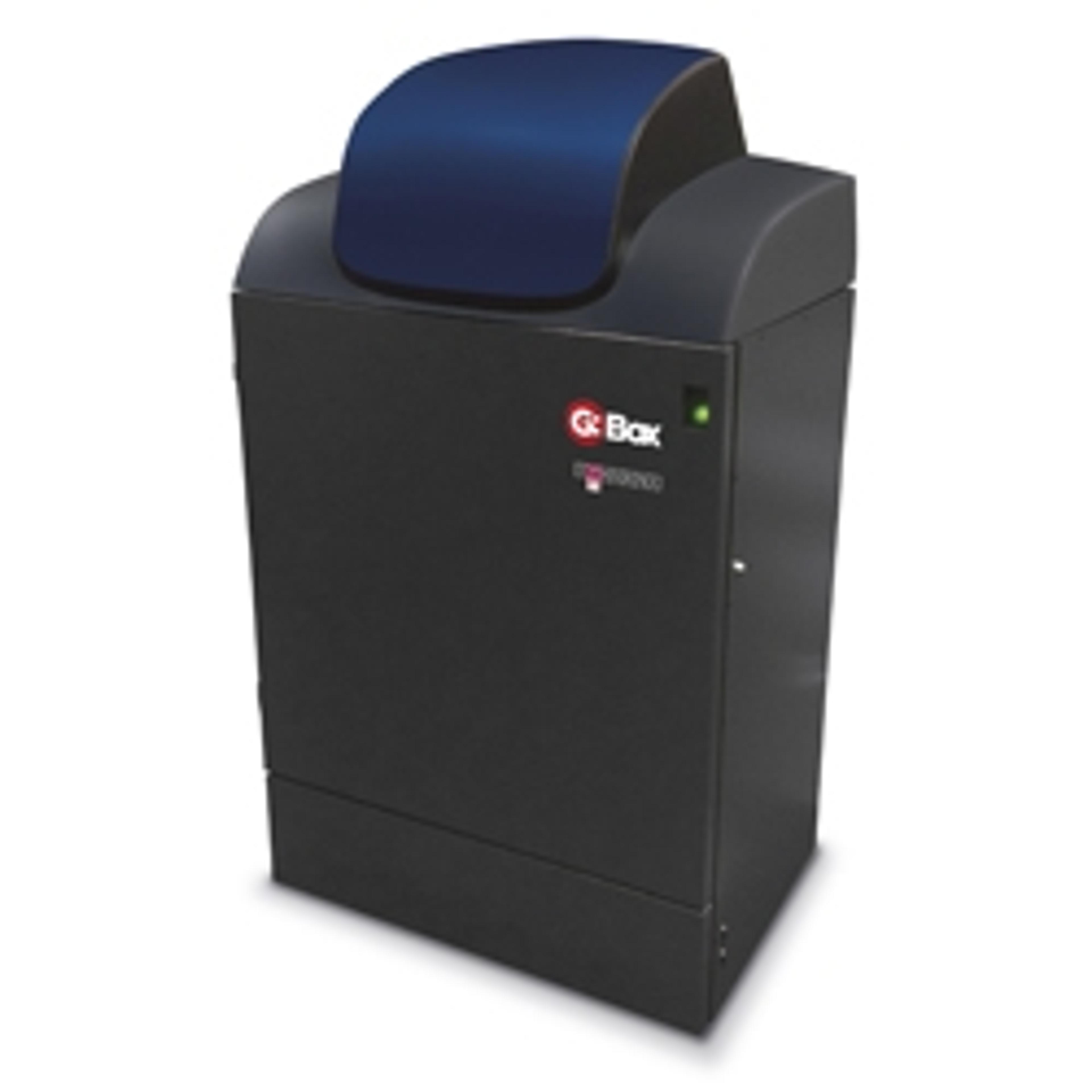
Syngene, a world-leading manufacturer of image analysis solutions, is pleased to announce its G:BOX Chemi XX6 multi-application-functional imager is being utilized by scientists at major human protein R&D company, Octapharma Biopharmaceuticals GmbH in Germany for analyzing a range of large proteins. This is allowing the researchers there to accurately characterize proteins which will be used as therapies to treat conditions such as Hemophilia A.

Researchers in the Molecular Biochemistry Unit at Octapharma in Berlin are using a G:BOX Chemi XX6 system to analyze proteins of up to 20 million KDa on oversized agarose gels and blots of up to 22cm. These proteins have been isolated from the plasma of healthy individuals or are recombinant versions of these plasma proteins, and studying them is allowing scientists at Octapharma to accurately analyze characteristics such as the folding, phosphorylation and glycosylation of the proteins which will be used as therapies to treat conditions such as Hemophilia A.

Dr Guido Kohla, Deputy Head of the Molecular Biochemistry Unit at Octapharma commented: “We are studying a range of proteins some of which are very large and this means we have to separate them using oversized agarose gels and then transfer them onto large blots. Most of the imaging systems we assessed could not accommodate such big gels and blots so we had difficulty imaging our proteins. However, because the G:BOX Chemi XX6 has a high resolution camera and an adjustable stage we can easily analyze even our biggest gels and blots.”

Guido added: “We have found the G:BOX Chemi XX6 software is easy to use and are now looking at analyzing 2D DIGE (Difference Gel Electrophoresis) gels stained with three different fluorescent dyes using the system. Since the G:BOX Chemi XX6 is so versatile this allows us the flexibility we need for the diverse number of projects we have to work on now and in the future so we are very happy to have chosen the G:BOX Chemi XX6.”

“We’re pleased to hear that the G:BOX Chemi XX6 multi-functional imager is helping scientists at Octapharma to accurately analyze important therapeutic proteins,” said Rob Van den Broek, European Sales Manager at Syngene, “researchers struggling to image a range of different types or sizes of gels and blots like Octapharma, should assess Syngene’s technology to see how having a G:BOX Chemi XX6 imaging system would improve their image analysis.”

G:BOX Chemi XX6

Syngene

G:BOX Chemi XX6 gel imaging system has a high resolution camera for imaging multiple sample types and sizes, from fluorescence 1D to 2D gels to chemiluminescent blots. Your lab’s imaging system shouldn’t control how you detect proteins on Western blots. Chemiluminescence is great if you want sensitive detection of picogram or femtogram amounts, while fluorescence lets you quantify and detect multiple different proteins on one blot. 

(0)

Links

Tags

ElectrophoresisElectrophoresis equipment is used to separate mixtures of protein, DNA or RNA, based on their electric charge, size and other physical characteristics, by passing them through a medium such as a polyacrylamide gel, an agarose gel or a capillary tube. Electrophoresis equipment includes horizontal and vertical gel electrophoresis chambers, isoelectric focusing systems, 2D electrophoresis and capillary electrophoresis instruments. Precast gels with a gradient can be used or gels can be hand cast. Samples are run alongside ladders or markers to identify the approximate size of a molecule. Separated proteins and nucleic acids in the gel can be stained or probed with fluorescent markers and then imaged and detected using gel documentation instruments, transilluminators, densitometers and scanners. Find the best electrophoresis equipment in our peer-reviewed product directory: compare products, check customer reviews and receive pricing direct from manufacturers.Gel Doc / Image AnalysisGel documentation (gel doc) or gel imaging systems are used for the analysis of proteins, antibodies and nucleic acid immobilized in polyacrylamide or agarose gels, membranes or microarrays. Explore a range of a gel imaging systems, densitometers, scanners, transilluminators or UV lamp + CCD cameras for your image analysis solutions. Colorimetric, fluorescent and/or radioisotopic samples can be visualized and documented for further analysis. See gel doc / Image analysis software for quantitative 1D and 2D analysis of your samples. Find the best gel doc / image analysis products in our peer-reviewed product directory: compare products, check customer reviews and receive pricing direct from manufacturers.Protein PurificationProtein purification is a vital step in drug discovery, therapeutics, biotech and life science research. The purification process typically involves subcellular or membrane protein extraction with cell lysis kits, separation of proteins from cell debris by filtration or spin columns, and the isolation of proteins of interest from other proteins and impurities with affinity purification (including fusion protein tags and antibody binding proteins A, G and L), immunoprecipitation or chromatographic methods, such as ion exchange, size exclusion and immobilized metal affinity chromatography. All purification methods come in multiple formats for your laboratory needs, including agarose or magnetic beads, resins, columns and filter plates. Find the best protein purification equipment in our peer-reviewed product directory: compare products, check customer reviews and receive pricing direct from manufacturers.Protein QuantificationThe detection and quantification of proteins in a sample is vital across life sciences, pharmaceutical research and clinical diagnostics, and a variety of equipment is available to scientists to simplify the workflow. Proteins of interest can be easily labeled and detected on light-based detection instruments. Immunoassay kits allow you to identify a specific protein of interest and protein detection beads or antibody microarrays allow you to identify multiple specific proteins at once. Protein interactions and enzyme activity can also be monitored with protein-protein interaction assays. Additionally, the biophysical characterization of proteins is made easy with biokinetic analyzers. Find the best protein detection and quantification products in our peer-reviewed product directory: compare products, check customer reviews and receive pricing direct from manufacturers.BiopharmaceuticalsBiopharmaceuticals are proteins and other compounds (such as nucleic acids) produced by living organisms that have uses as therapeutics or for in vivo diagnostics. The most well known example of a biopharmaceutical product, and the first to be approved for therapeutic use, was recombinant human insulin.GlycosylationBiotherapeuticsBiotherapeutics are proteins and other compounds (such as nucleic acids) produced by living organisms that have uses as therapeutics or in <i>in vivo</i> diagnostics. The most well-known example of a biotherapeutic product, and the first to be approved for therapeutic use, was recombinant human insulin.TherapeuticsTherapeutics are treatments designed to alleviate or cure diseases. These include pharmaceuticals, biologics, and gene therapies, which work by targeting specific disease mechanisms. Advances in personalized medicine and biologics offer new hope for patients with conditions that were previously difficult to treat. Browse our peer-reviewed product directory to find therapeutic solutions for various diseases; compare products, check user reviews, and get pricing directly from manufacturers.Phosphorylation