
Major Cancer Centre is using Dymension 2D Gel Analysis Software To Help Detect Novel Drug Targets for Breast Cancer
15 Jul 2008Product news
Syngene, a world-leading manufacturer of image analysis solutions, is delighted to announce that its revolutionary Dymension 2D image analysis software is being used by scientists at the world renowned, Georgetown University Medical Center (GUMC) in Washington DC to rapidly assess molecular mechanisms of novel pro-drugs on breast cancer cells.
Researchers in the Lombardi Comprehensive Cancer Center at GUMC are using Dymension, currently the fastest 2D protein gel analysis software on the market, to analyse images of Coomassie Blue stained proteins derived from breast cancer cell lines (MCF7 and MDA MB231) after treatment with an 8-Quinolinyl histone deacetylase inhibitor. From the analysis, GUMC scientists have isolated many proteins that are significantly up or down-regulated, which could provide information about the drug’s molecular targets and molecular mechanisms in cancer treatment.
Dr Amrita Cheema, Research Instructor, in the Department of Oncology, GUMC commented: “Many studies show that inhibition of histone deacetylase can lead to the histone-deacetylase-mediated transcriptional repression of tumor suppressor genes and we have used 2D gels to see the protein profile from breast cancer cells at different time points of treatment with a 8-Quinolinyl histone deacetylase inhibitor.”
“We chose to use Dymension for analyzing our 2D gels because of the software packages we tested, this is the easiest to use and also represents the best value for money as it is capable of better performance than the more expensive software we looked at. Using Dymension we have detected hundreds of interesting proteins, which we are now validating by Western blot and MS analysis,” added Dr Cheema.
Paula Maia, Vice President of Sales, Syngene US stated: "We are pleased to see our software being utilized by such a prestigious cancer center to accelerate their search for new breast cancer drug targets. The use of the software at GUMC shows it is an unrivalled, quick and simple method of analyzing complex 2D gels and is a great endorsement of Dymension’s capabilities in proteomics studies.”
Related products
Request Quote for All Products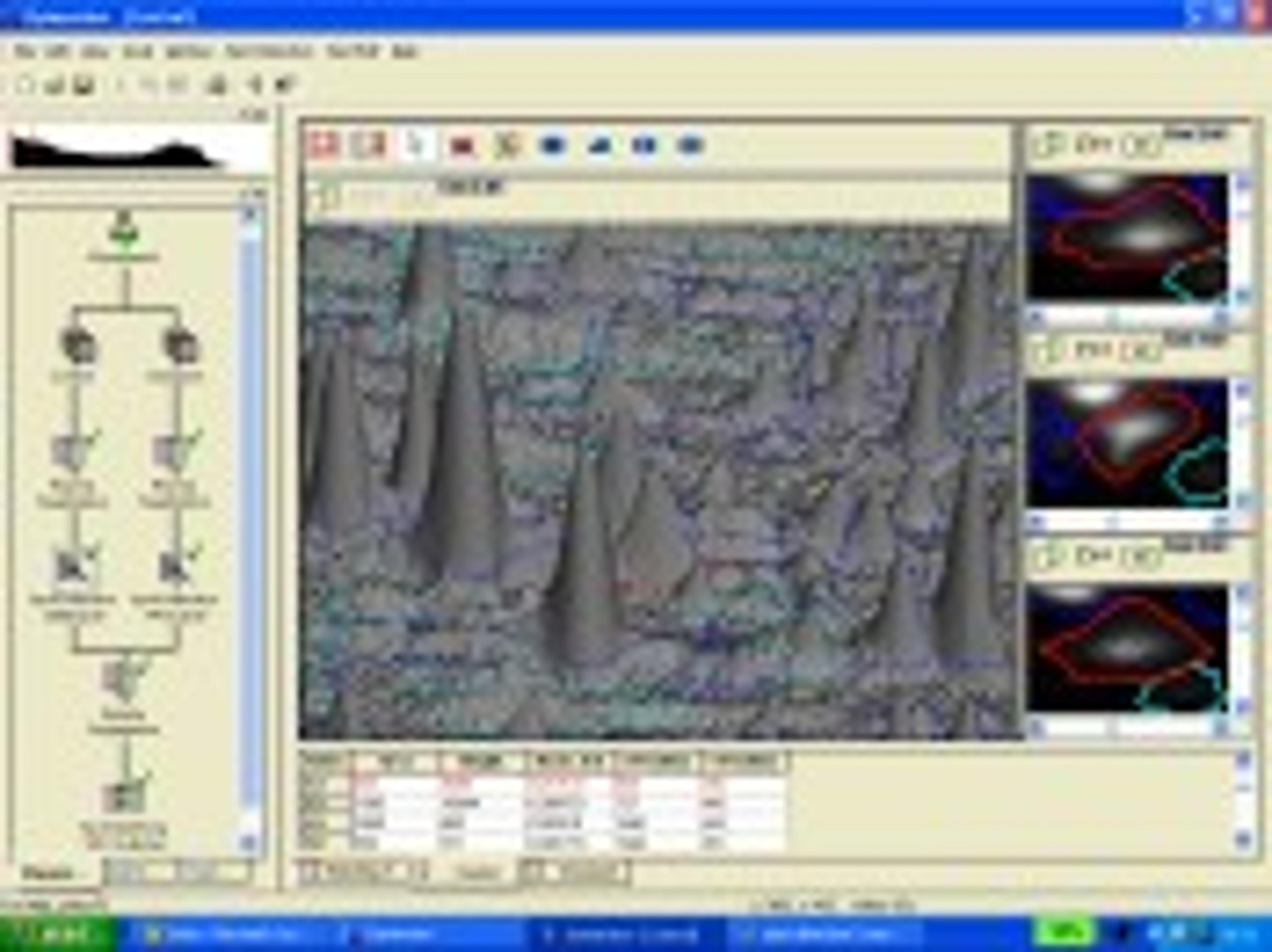
DYMENSION 1
SyngeneRevolutionary 2DGE Software Analysis of single 2D gels - Dymension 1 is ideal for users looking for software to analyse spots between samples containing one 2D gel only. It offers a range of automatic image correction features and methods for resolving and analysing spots on single gels. The software can be easily upgraded to Dymension 2 or 3 if the proteomics needs of the laboratory change.
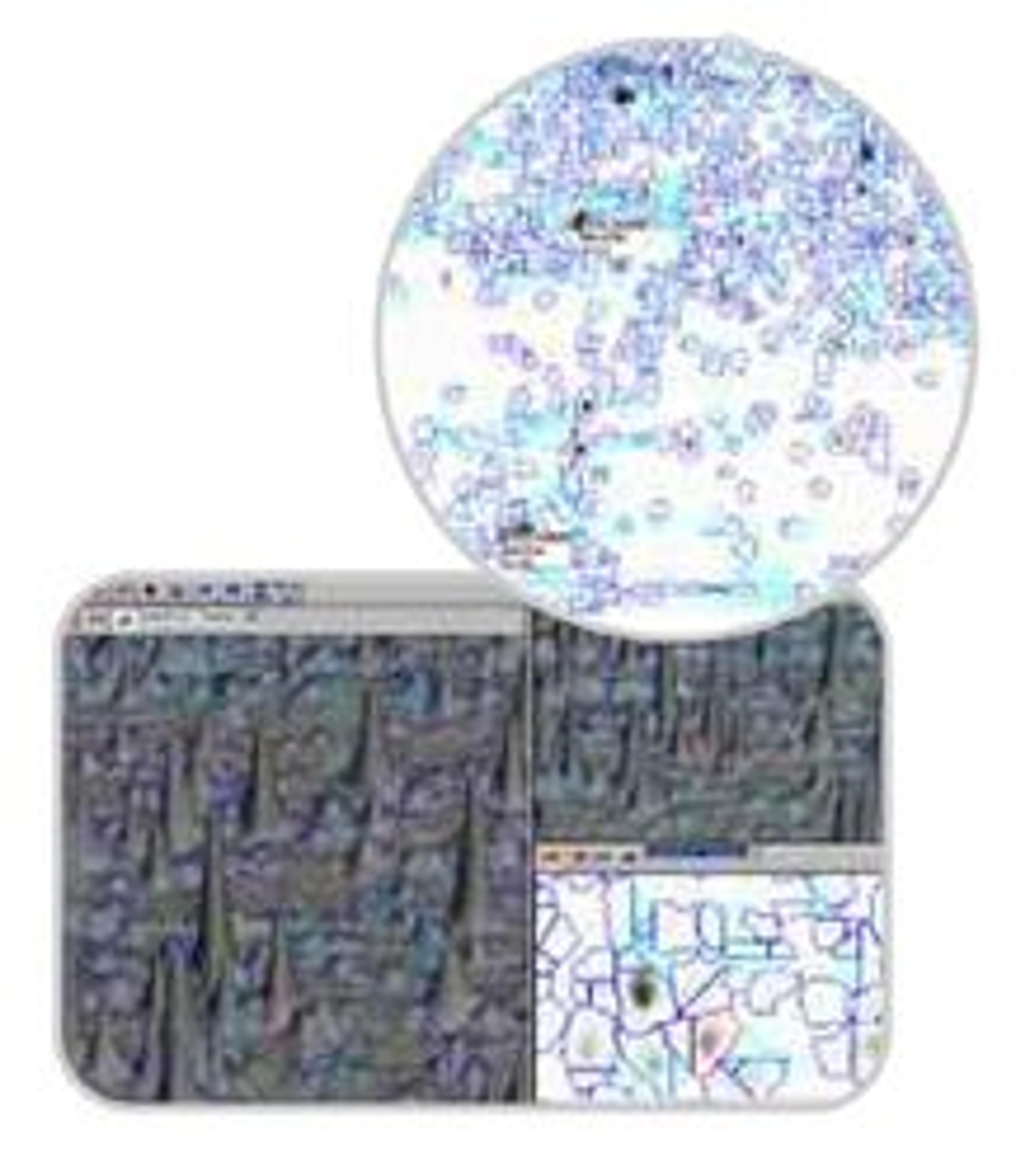
DYMENSION 2
SyngeneRapid Analysis of Multiple 2D Gel Sets DYMENSION 2 has all the features of DYMENSION 1 but has the added ability to detect and compare protein spot maps in multiple gel sets. The software offers many background correction and noise filtering features including a SYPRO® Ruby filter, which can detect and automatically remove spots caused by SYPRO® Ruby crystals adhering to the gel, thus saving users valuable time editing their image. DYMENSION 2 is suitable for users that need to determine the amount of protein present before and after drug or protein induction treatments. The software automatically detects and assigns statistical confidence to each and every difference in spot normalised volume, thus accurately highlighting proteins of specific interest. The results of the analysis are displayed as a dynamically linked table, 3D spot profile, bar chart and scatter plot, which make it easy to compare many expression profiles simultaneously and therefore accurately pick proteins suitable for further analysis.

DYMENSION 3
SyngeneQuick and Easy Analysis of all 2D Gel Applications The exciting DYMENSION 3 software has all the functionality of DYMENSION 2, so can be used to analyse multiple gel sets. In addition, DYMENSION 3 is capable of analysing multi-stained fluorescent gel images stained with up to three contrasting fluorescent labels, for example, Cy™2, Cy™3 and Cy™5. This feature allows users to analyse multiple sets of any type of 2D protein gel, regardless of how it was stained, using only one software package.