
Liquid handling considerations for automating your NGS workflow – webinar highlights
Gain expert advice to help you succeed in NGS assay automation and minimize variability upfront
2 Dec 2019
Expert insights
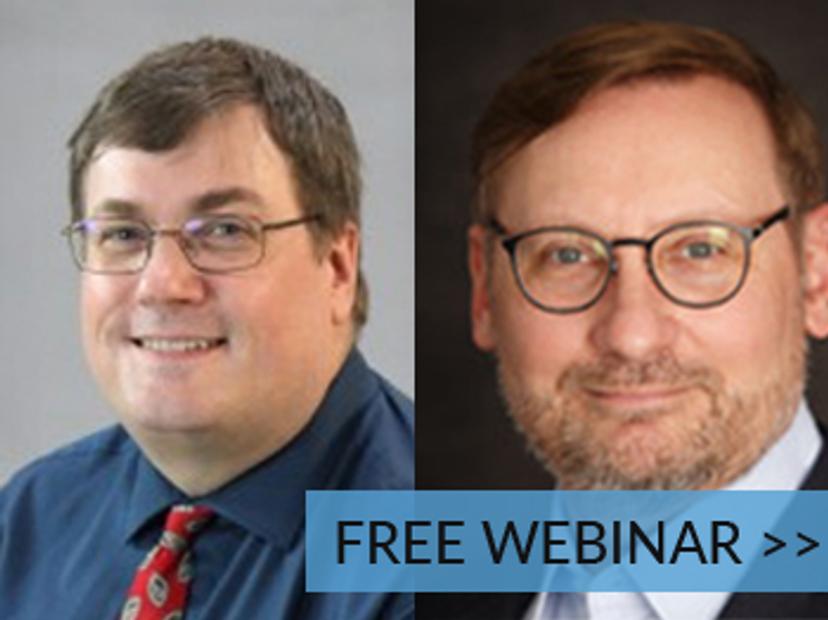
In a SelectScience webinar available on demand, Dr. Nathaniel Hentz and Jason Graves highlight their approach for addressing NGS workflows and present methodologies to improve DNA normalization, ensure accuracy of master mix addition, study mixing efficiency and improve operator technique.
A case study illustrating how an automated workflow can be developed and optimized was also presented.
Register nowWatch this on-demand webinar to:
- Understand the impact of liquid handling variability on NGS assays
- Understand the major sources of variability of typical NGS assays and their impact on the results
- Learn how to improve an assay by automating and optimizing the workflow
Certificate of attendance
All webinar participants can request a certificate of attendance and a learning outcomes summary document for continuing education purposes.
Here are the highlights from the Q&A discussion at the end of the webinar:
Q: How much variability do disposable tips really add to an automated assay?
NH: It depends. I have some personal experience in measuring disposable tips from a different vendor than what was recommended for my automated platform. I’ve talked with other customers, and certainly, there can be differences between lots from even the preferred manufacturer. So, the real answer is, variability does creep into this and it can be bad, but we need to study it. In some cases, when people are working with patient samples and there's a very small amount of time to get things done, you don't want to have to repeat tests. Therefore, it is very critical to test and make sure that you understand the performance of your tips. With each new lot of tips, I recommend testing those to make sure that the variability is within your specifications.
Q: Can you discuss the biggest challenge in transitioning from a manually developed assay to an automated platform?
NH: It's really about pipetting technique. That's what I have found in my years of experience and training, such that there can be some variability from person to person even using the same pipetting device. This can translate onto the automation platform, where communication between the two people is so critical because the automation platform is trying to replicate what the human is doing. So, it's two different issues there. But I'll let Jason take over — he's the expert on this.
JG: I would say something that I touched on in one of those last slides is really trying to replicate some of those actions that are just difficult to automate. There are just things that you can do with your hands and on the bench that you can't currently do with automated equipment. For instance, if you're working with cells and you're processing a plate and you want to wash them, one of the things you have to do is get rid of the liquid in the cells. When you're doing it manually, people know you just take the plate and invert it over waste and just flick it out, it's the best way to do it. You spin down your cells and you leave your cell pellets behind, it's actually a really good way to get the liquid out of the wells. Obviously, that's not something you can do on an automated system. You can't train your robotic arm to flick out a plate, nor would you want to. So, for something like that, you have to address them in different manners such as aspirating liquid out with your tips, in which case you just can't get as much liquid out, and so you may have to do more washes or something similar. So, trying to replicate some of those actions would probably be one of the biggest challenges.
Q: When training people for improving their technique, what's the most common error that you identified and corrected?
NH: There are two common errors that I see all the time, and I think some of our other trainers can back this up and then maybe even add a few more. But the two that I've seen, especially with some of these thicker, more viscous solutions, it's really about pipetting speed and impatience. They're not liquids, they're not a normal aqueous liquid, they behave differently. Experienced pipettors will watch them and slow down, but sometimes, people get in a groove and they'll go too fast and may introduce a lot of air bubbles, especially if they don’t wait long enough. The other is the pipette tip seating on a multi-channel pipettor. A lot of times people go in at an angle when trying to seat 8, 12 or even 16 channels on a manual multi-channel pipettor. So, it's really about training somebody to hold that up perfectly vertical to seat all of the tips with equal pressure. So, two things: the speed of the solution and properly seating the pipette tips.
Learn how to automate your NGS workflow: Watch this webinar on demand >>
Related products
Request Quote for All Products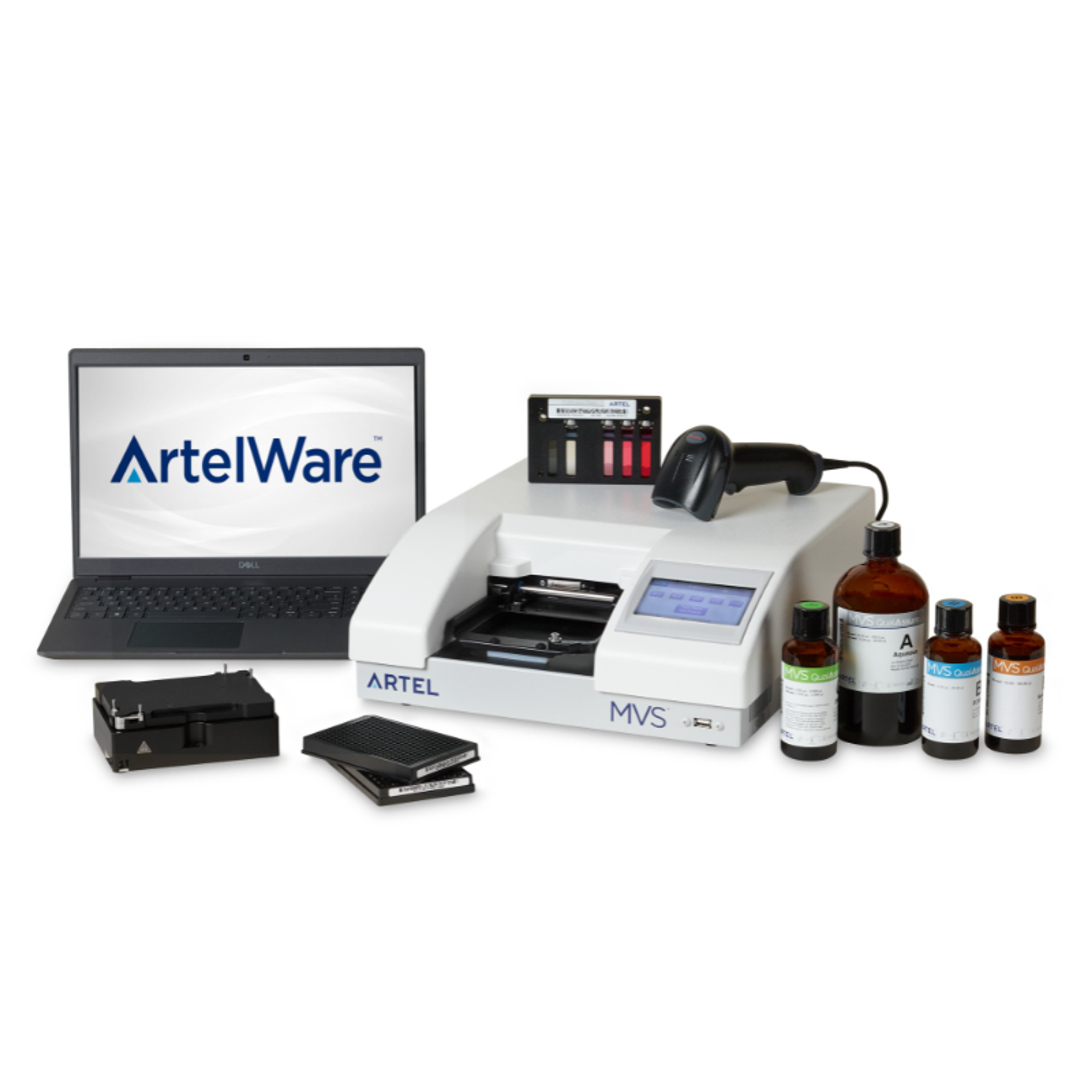
Artel MVS® Multichannel Verification System
Nova Biomedical OsmometersUnderstand and manage the performance of your automated liquid handlers, multichannel pipettes, labware, operators, and more.
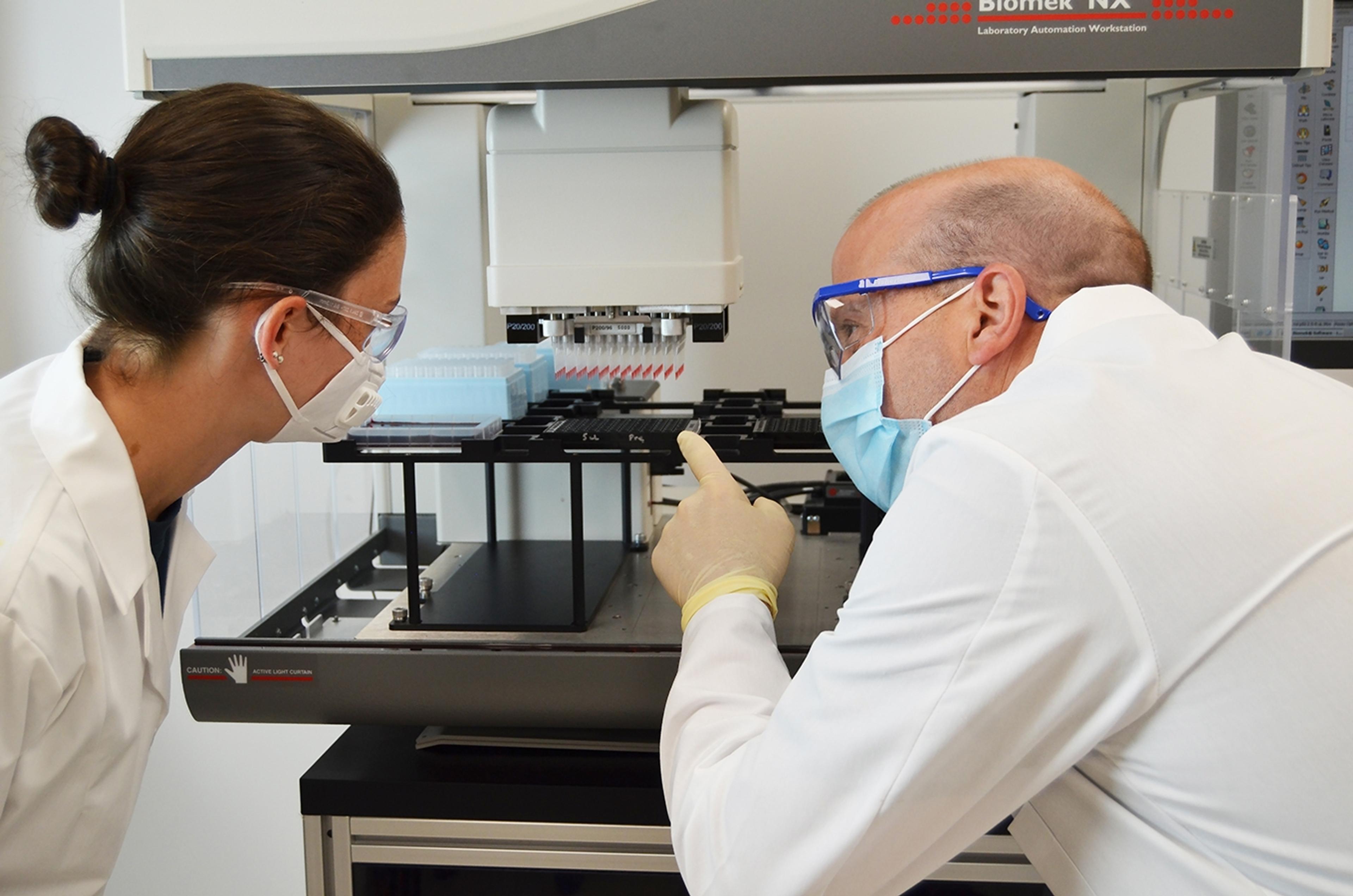
Artel Liquid Handling Service
Nova Biomedical OsmometersOur on-site service is customizable – we can quickly measure volume transfers using your liquid handling methods, tips, and reservoirs – and depending on the testing parameters, liquid types can be Aqueous, DMSO, PCRMix™, SerumSub™, PlasProxy, and more.