LEAN Work Cell Success Highlighted Within NHS Improvement Session at FiLM 2012

9 Apr 2012
Sonia Nicholas
Managing Editor and Clinical Lead

Product news

Path Links NHS Pathology Service recently gave a presentation on the successful implementation of a LEAN work cell based approach within its Blood Science laboratories. At the 10th Annual Frontiers in Laboratory Medicine (FiLM 2012), Mick Chomyn from Path Links NHS Pathology Service presented ‘LEAN Work Cells’ – Automation is not always the answer’, demonstrating how efficient work cells improved turnaround times and reduced staff costs without the need for expensive track.

Path Links has applied LEAN methodology to its clinical laboratories, ensuring the delivery of a cost effective and enhanced service to hospitals and Primary Care across Lincolnshire. LEAN work cells have ensured faster turnaround times, higher productivity and efficiency, increased flexibility, and improved space utilization and quality.

Path Links NHS Pathology Service and HORIBA Medical, a specialist in automated in vitro diagnostic systems for haematology and chemistry analysis, have collaborated to produce a LEAN white paper ‘TLA – The LEAN Alternative’ which details how the Service has achieved a “total LEAN solution” as an alternative to total laboratory automation.

HORIBA Medical provides a range of automated haematology analyzers which are ideal for LEAN working. Key attributes ensuring efficient workflows include: automated random access, reflex testing, automatic re-runs and integrated solutions, such as sample management, as well as slide preparation and staining systems. Also supporting optimized LEAN work cell layout, HORIBA Medical’s high throughput solutions are compact in design with inbuilt compressors, enabling them to be trolley mounted and readily moved should changes to work processes require rapid laboratory reconfiguration.

For more information follow the HORIBA company website link below this article. The LEAN white paper can be downloaded directly from our Application Article library.

ABX Pentra 400

Horiba Medical

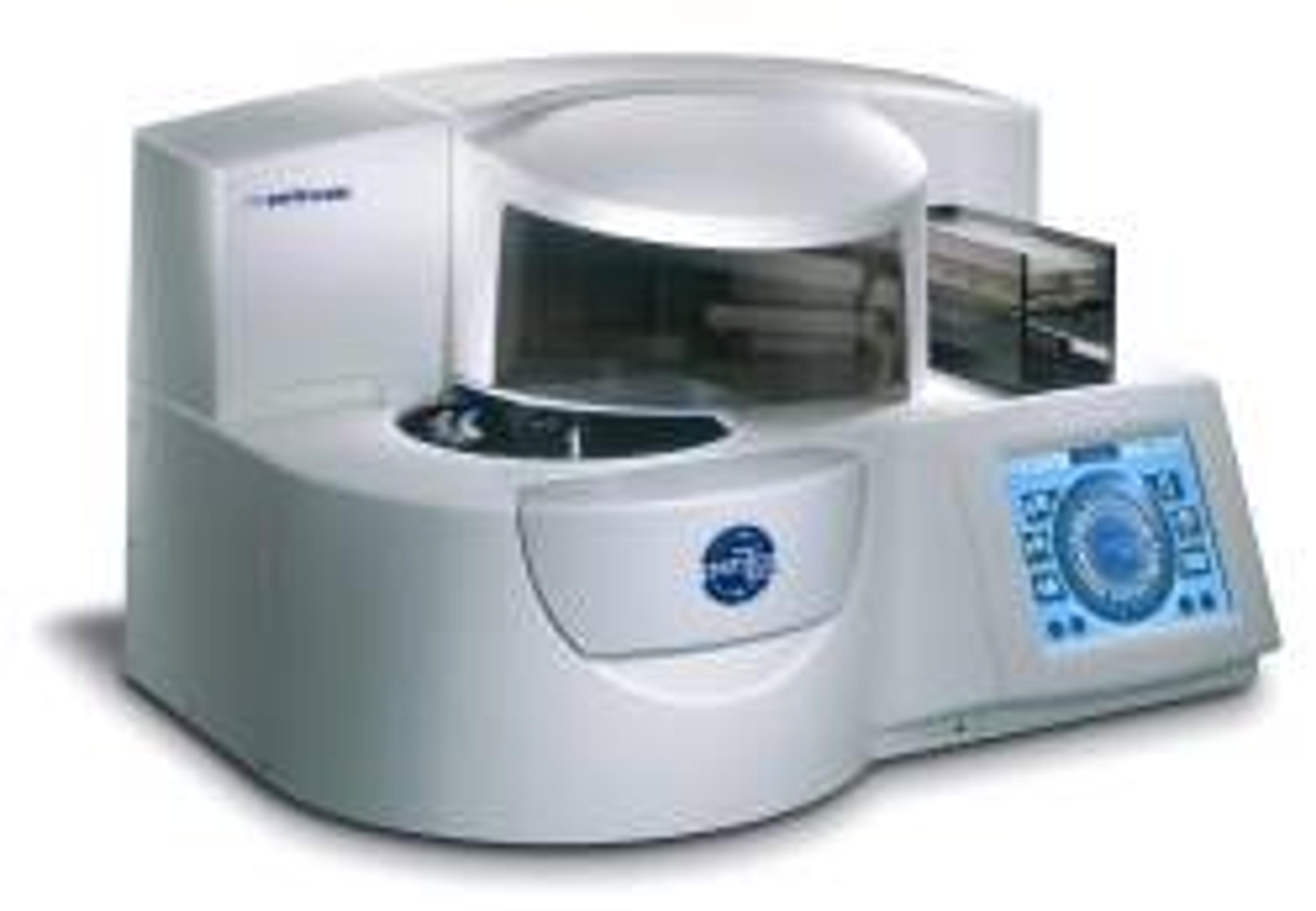
From routine to specific tests, perform them all on a single system.Up to 420 tests per hour with ISE module, the ABX Pentra 400 is an extremely compact Clinical Chemistry benchtop analyser.Its great autonomy with continuous loading provides enchanced productivity in a user-friendly environment. Innovative features: 55 on-board parameters with back-up possibility Innovating cassette format Integrated work station and validation station Touch screen Real-time viewing of your activity
(4)

ABX Pentra 80

Horiba Medical

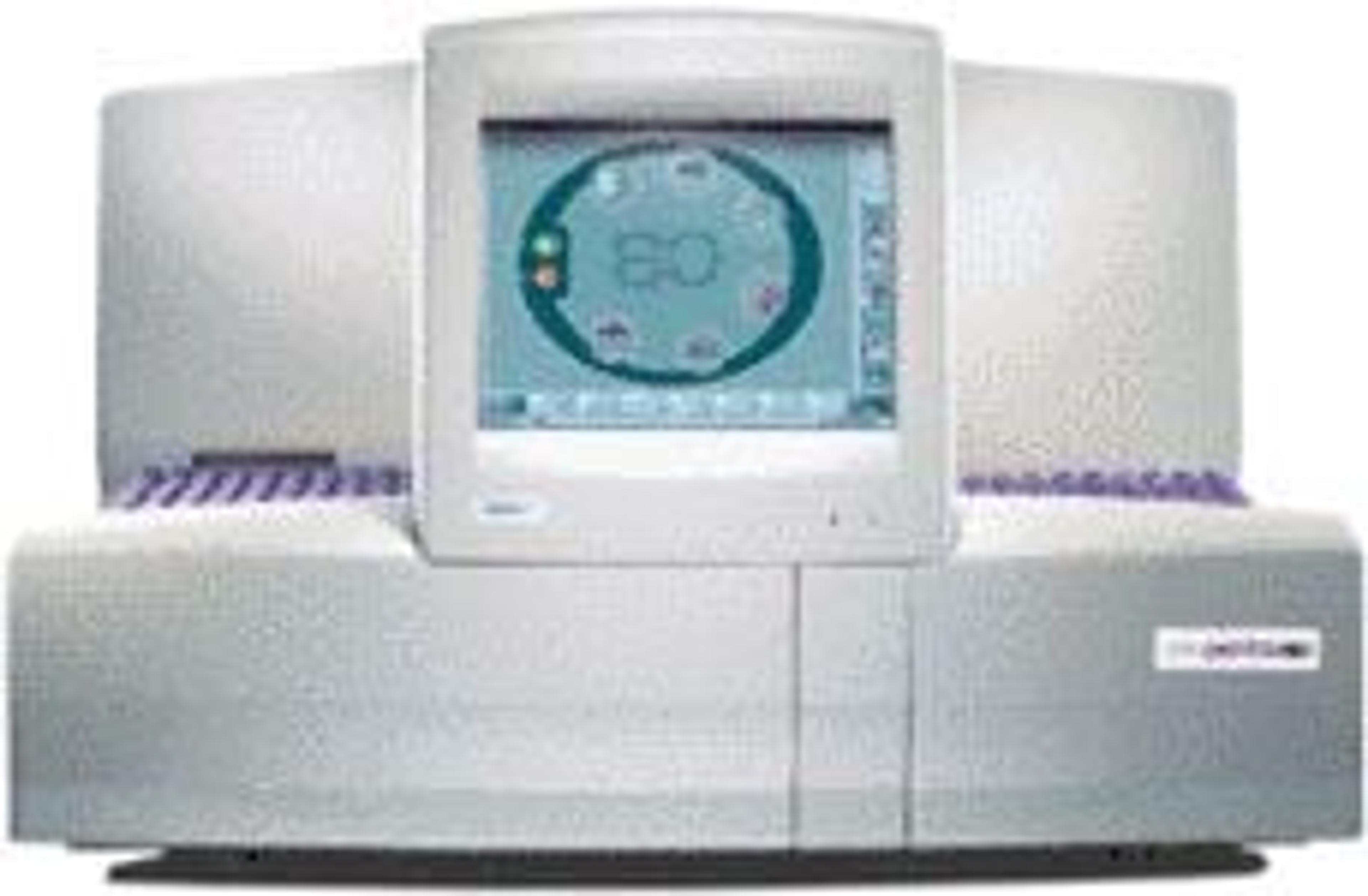
Overview Ideal for "hot lab" working Integrated Workstation with Color Touch Screen Micro-sampling from whole blood (CBC : 30 µL - DIFF: 53 µL) Cytochemistry, Impedance (real cell volume measurement) & Optical (analysis of the internal cellular structure by measuring light absorbance) - DHSS* Technology. Perfect homogenization of blood samples with reagents - MDSS** Technology. Features - ABX Pentra 80 Throughput: Up to 80 samples/hour Large capacity auto-loader (100 tubes) Stat sampling on open or closed tubes Automatic Sample Re-run Reagents: Only 4 onboard reagents and 1 diluent Perfect differentiation of the 5 WBC sub-populations with DHSS* Technology 3 histograms for RBC, BAS/WBC and PLT together with the 5 DIFF Matrix. Basophils counted through specific channel High resolution matrix includes the determination of 2 additional subpopulations (% and #): Atypical Lymphocytes (ALY***) and Large Immature Cells (LIC***)

(2)

Links

Tags

Sample ManagementSample management systems include sample storage devices such as freezers and plate storers, sample environment enclosures and sample organization, retrieval and sorter systems. Useful system features include high-throughput, automation, robotic arms, automated liquid handling and associated database systems. Accessories in sample management include barcode scanners, heat sealers and tubes.Blood TransfusionBlood Transfusion involves giving donor blood to a recipient patient. Screening is essential to avoid transfusion reactions. Blood banks use immunohematological techniques to determine rh and ABO blood group, and screen for antibodies using specific antisera. Blood Banks use Direct Coombs Tests (DCT) and Indirect Coombs Tests (IAT) to detect hemolysis and Haemolytic Disease of the Newborn (HDN).HematologyIn Haematology / Hematology, complete blood cell counts (or full blood counts) are obtained using automated blood count analyzers to enumerate blood cell types.  Hematology also encompasses haemostasis and coagulation, thrombophilia and hemophilia, plasma viscosity and ESR analysis, hemoglobinopathies, cell morphology and haematinic measurement.ImmunologyImmunological techniques measure and characterize immune responses. Immunology kits and analysis systems often use techniques such as ELISA, radioimmunoassay (RIA) and immunodiffusion assays, Immunohistochemistry, and flow cytometry. Immunologists use equipment such as flow Cytometers, plate readers, plate washers and fluorescent microscopes.Cellular PathologyCellular Pathology deals with the microscopic analysis of tissue samples and cells. Sample preparation and processing includes fixation, staining, sectioning and slide mounting, using equipment such microtomes and cryostats. In choosing immunohistochemistry and immunocytochemistry kits, consider chromogens, staining method, antibodies, microscopes and imaging.Software PlatformsSoftware platforms are useful for various stages of laboratory experiments from data collection to data storage and processing. For instance lab software is available for system control, data management, data analysis and qualification / validation.Clinical ChemistryBiochemistry (or clinical chemistry) involves the analysis of bodily fluids using chemical tests. Techniques used include HPLC, chromatography, spectroscopy, mass spectrometry, immunochemical, electrophoresis, turbidometric / spectrophotometric assay, MRI and ISE analysis. Tests are often carried out on plasma or serum but urine (urinalysis) and fecal specimens are also processed.Clinical GeneticsMolecular Genetics covers the analysis of hereditary genetic disease and chromosomal abnormalities. Genetics can be analysed using DNA, RNA, and protein microarrays, PCR, RT PCR and DNA sequencing. Genetic equipment includes genetic workstations, thermal cyclers, cooling blocks and electrophoresis products. Diagnostic kits are used for DNA / RNA extraction and purification.Clinical MicrobiologyMicrobiology is the study of microorganisms including protists, prokaryotes, fungi, and, often, viruses. Microorganisms are a useful research tool as genetic vectors and, in immunology, for antibiotic susceptibility testing, cellular biology and genetics. Microorganisms commonly grow readily in incubators with microbial culture media; this can contain chromogenic supplements to differentiate between cell lines. Estimate your culture’s density of microorganisms with colony counters, or screen and select colonies for desirable clones with automated colony pickers. Additionally, equipment is available to monitor environments for the presence of microbes and identify with microbial identification instruments. Find the best microbiology products in our peer-reviewed product directory: compare products, check customer reviews and receive pricing direct from manufacturers.LEANHematology SolutionsHematology solutions involve diagnostic tests and equipment used to analyze blood samples and diagnose blood disorders such as anemia, leukemia, and hemophilia. These tools include automated full blood count analyzers, reagents, and digital morphology systems. Explore hematology solutions in our peer-reviewed product directory; compare products, check reviews, and get pricing directly from manufacturers.