Latest Videos from the SelectScience® Clinical Collection

A selection of some of the latest videos available to our clinical community

13 Jul 2016
Sonia Nicholas
Managing Editor and Clinical Lead

Editorial article

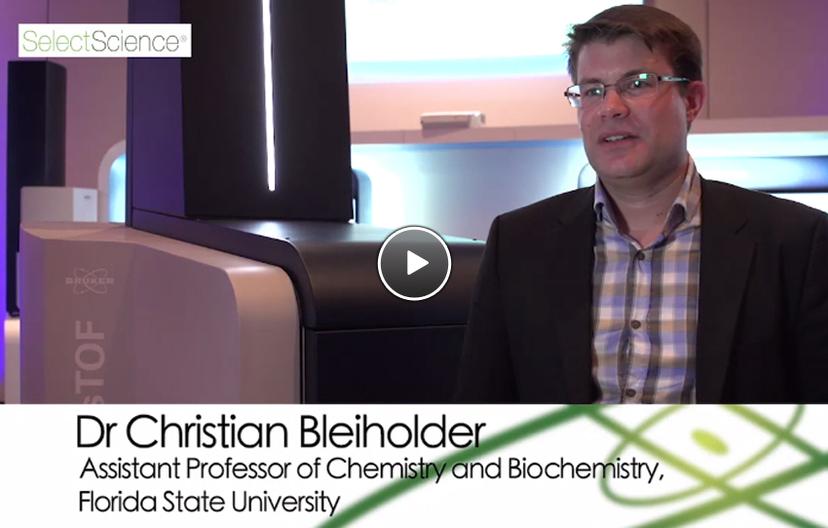
The SelectScience video collection includes exclusive video interviews, like this interview with Dr Christian Bleiholder on cancer metastasis research.

This video highlight collection contains exclusive scientist interviews on influenza detection, clinical mass spectrometry and cancer research. You can also learn more about clinical next generation sequencing for cancer biomarkers, and automated infectious disease diagnostics.

1. Reliable Sequencing for Detection and Identification of Cell-Free Tumor DNA

Dr Tobias Paprotka, Director of Research & Development at GATC Biotech, describes how the GATCLIQUID service family provides high quality and reproducible sequencing, suitable for diagnostic identification of cancer biomarkers.

2. Efficient Automation of Indirect Immunofluorescence

This video is an introduction to the automation systems from EUROIMMUN for IIFT in autoimmune and infection diagnostics, encompassing sample processing, image acquisition, pattern evaluation and data management and archiving. See how the innovative systems can improve efficiency in the lab and increase integrity of results.

3. Fast, Accurate Detection of Influenza in the Clinical Laboratory with the Alere™ i

Dan Hanna, South Sioux City Laboratory Supervisor at Family Health Care of Siouxland, Nebraska, USA, explains how the Alere i enables his lab to accurately detect influenza in under 15 minutes, while improving the experience for both technician and patient.

4. Physiology Platforms from Prior Scientific

Explore Prior Scientific's physiology solutions for microscopes, such as adjustable mounts and micromanipulators.

5. Maintenance & Certification of a Biological Safety Cabinet

This video explains how important proper preventative maintenance, yearly maintenance, and certification are for maximizing products life as well as keeping up to date with industry standards to eliminate safety hazards.

6. Investigating Trafficking of Immune Cells to Combat Cancer Metastasis

Chemokines are important for a number of diseases, including cancer metastasis. Dr Christian Bleiholder, Assistant Professor of Chemistry and Biochemistry, Florida State University, discusses how Bruker’s timsTOF™ system enables him to resolve different conformations of transport proteins to elucidate the role of chemokines in cells trafficking within the immune system.

7. Integrating LC-MS/MS into the Clinical Laboratory

Watch this video to hear Brian Keevil, Consultant Clinical Biochemist at the University Hospital of South Manchester, discuss the advantages of integrating LC-MS/MS into a clinical analytical laboratory.

Links

Tags

HematologyIn Haematology / Hematology, complete blood cell counts (or full blood counts) are obtained using automated blood count analyzers to enumerate blood cell types.  Hematology also encompasses haemostasis and coagulation, thrombophilia and hemophilia, plasma viscosity and ESR analysis, hemoglobinopathies, cell morphology and haematinic measurement.ImmunologyImmunological techniques measure and characterize immune responses. Immunology kits and analysis systems often use techniques such as ELISA, radioimmunoassay (RIA) and immunodiffusion assays, Immunohistochemistry, and flow cytometry. Immunologists use equipment such as flow Cytometers, plate readers, plate washers and fluorescent microscopes.Cellular PathologyCellular Pathology deals with the microscopic analysis of tissue samples and cells. Sample preparation and processing includes fixation, staining, sectioning and slide mounting, using equipment such microtomes and cryostats. In choosing immunohistochemistry and immunocytochemistry kits, consider chromogens, staining method, antibodies, microscopes and imaging.Point-of-CarePoint-of-Care Testing (POCT) or Near Patient Testing (NPT) products are available for urine, blood and other clinical chemistry analyses. POCT includes: blood glucose testing, blood gas and electrolytes analysis, rapid coagulation testing (PT / INR), rapid cardiac markers diagnostics, drugs of abuse screening, urine strips testing, pregnancy testing, fecal occult blood analysis, food pathogens screening, hemoglobin diagnostics, infectious disease testing and cholesterol screening.Clinical ChemistryBiochemistry (or clinical chemistry) involves the analysis of bodily fluids using chemical tests. Techniques used include HPLC, chromatography, spectroscopy, mass spectrometry, immunochemical, electrophoresis, turbidometric / spectrophotometric assay, MRI and ISE analysis. Tests are often carried out on plasma or serum but urine (urinalysis) and fecal specimens are also processed.Clinical GeneticsMolecular Genetics covers the analysis of hereditary genetic disease and chromosomal abnormalities. Genetics can be analysed using DNA, RNA, and protein microarrays, PCR, RT PCR and DNA sequencing. Genetic equipment includes genetic workstations, thermal cyclers, cooling blocks and electrophoresis products. Diagnostic kits are used for DNA / RNA extraction and purification.Clinical MicrobiologyMicrobiology is the study of microorganisms including protists, prokaryotes, fungi, and, often, viruses. Microorganisms are a useful research tool as genetic vectors and, in immunology, for antibiotic susceptibility testing, cellular biology and genetics. Microorganisms commonly grow readily in incubators with microbial culture media; this can contain chromogenic supplements to differentiate between cell lines. Estimate your culture’s density of microorganisms with colony counters, or screen and select colonies for desirable clones with automated colony pickers. Additionally, equipment is available to monitor environments for the presence of microbes and identify with microbial identification instruments. Find the best microbiology products in our peer-reviewed product directory: compare products, check customer reviews and receive pricing direct from manufacturers.Clinical NGSNext Generation Sequencing (NGS) refers to the use of massive parallel sequencing of multiple small fragments of DNA. This high-throughput genomic analysis yields enormous amounts of sequence data, which if appropriately analyzed could have huge potential for clinical laboratories. For this to happen there are technique and bioinformatic hurdles to be overcome.Infectious DiseasesInfectious diseases are caused by pathogens such as bacteria, viruses, and fungi. Effective detection, prevention, and treatment are crucial to control outbreaks and improve public health. Diagnostic tools, vaccines, and antimicrobial treatments are essential components of managing these diseases. Research into emerging pathogens and resistance patterns continues to evolve. Browse our peer-reviewed product directory to find the best diagnostic tools, prevention solutions, and treatment options; compare products, read customer reviews, and get pricing directly from manufacturers.