
Latest advances in protein biology
From ultrafiltration and extraction to glycosylation and imaging, discover the latest technologies, top tips, and best practices for protein biology research
2 Nov 2020
Editorial article

In this new special feature, we pull together an array of top resources to help you stay up to date with the latest technologies and techniques for protein biology research. Learn how to improve your protein extraction yields; discover a method for highly sensitive gel imaging with reduced exposure to toxic materials; find out how glycosylation analysis is being used to inform recombinant protein selection for COVID-19 research; explore top tips and tricks to optimize your sample preparation workflows, and much more!

Lab ultrafiltration: Tips & tricks to optimize workflows
Discover how Vivaspin® Centrifugal Concentrators can help you effectively perform sample concentration and buffer exchange and learn top tips to improve recovery and speed up your workflows with Sartorius.
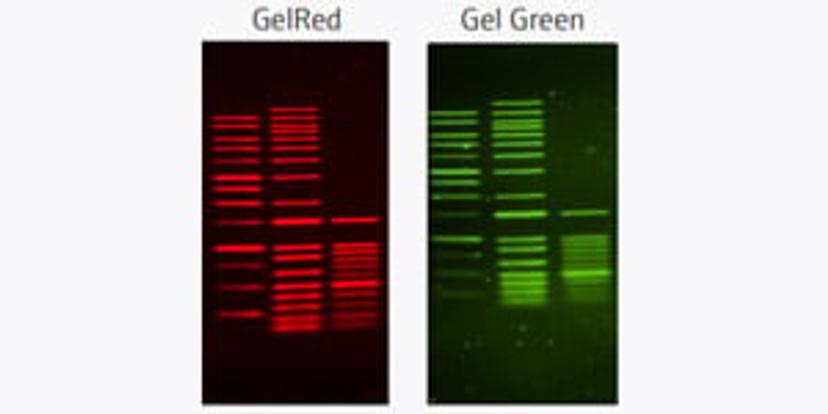
Gel imaging: Reduced toxicity and enhanced sensitivity
Learn how to achieve repeatable and precise imaging analysis with reduced exposure to toxic materials with the UVP GelStudio from Analytik Jena, offering high sensitivity and stability, with enhanced safety.

Improved extraction: Best practices for protein sample preparation
Download this guide from Bertin Instruments to learn how to achieve improved protein extraction yields from a variety of sample types. Here, two specific protocols using the Precellys Evolution are outlined.
Spike protein: Selecting Spike RBD proteins for COVID-19 research
Learn how Bio-Techne uses direct fluorescent glycan labeling (DFGL) to analyze glycosylation of SARS-CoV-2 Spike proteins to help provide guidance on choosing the most suitable recombinant proteins for COVID-19 research.
Interviews with leading scientists:
- Co-directors of the ELRIG Research and Innovation 2020 meeting, Dr. Darren Cawkill and Dr. Jon Hutchinson, discuss current trends and challenges in protein biology and drug discovery. Read article>>
- Prof. Christian Griesinger discusses the advantages of using ultra-high field nuclear magnetic resonance spectroscopy to investigate the structure of intrinsically disordered proteins (IDPs). Read article>>
- Prof. Jane Dyson discusses the importance of IDPs for protein function and emphasizes the benefits of using nuclear magnetic resonance (NMR) for studying these protein mechanisms. Watch interview>>
- Prof. Steve Hill describes his research on the ligand binding of cell surface GPCR and RTK proteins. Watch interview>>
- Dr. Mark Soave highlights how Promega’s NanoLuc® Binary Technology split luciferase assay allows his team to examine protein:protein interactions of G protein-coupled receptors (GPCR) and other proteins in response to drug treatments. Watch interview>>
- Dr. Richard Kay outlines how he uses mass spectrometry to measure gut hormone peptides related to diabetes, the challenges of detecting low-abundant peptides such as insulin and the benefits of performing peptide mass spectrometry over immunoassays. Watch interview>>
Related resources:
- Meet the gel imaging system designed to improve workflow efficiency and fit just about anywhere. Read article>>
- The future of drug discovery: Discover how scientists at Medicine Discovery Catapult are using biomarkers to tailor approaches to patient care, in this exclusive interview with Dr. Sally Price. Read article>>
- For thermo-sensitive molecules such as proteins, sample preparation is a critical step before proceeding to molecular downstream analysis. In this application note, Bertin Instruments highlights the key considerations in protein sample preparation. Download method>>
- Xing Wang, from Array Bridge, introduces a new technology for protein conformational analysis and explains how it is being used to study immunogenicity correlation. Watch presentation>>
Your recommendations:
Find out what researchers around the world are saying about the products they use! Eric Bankaitis, a research scientist at Powered Research, LLC., shared his opinion of the Precellys Evolution tissue homogenizer by Bertin Instruments.

For more of the latest news, straight to your inbox, become a member of SelectScience for free today>>
Related products
Request Quote for All Products
Vivaspin® Turbo
Sartorius GroupClassical concentration and buffer exchange methods are labor intensive, generate excessive waste and suffer from sample loss and long process times. It can also be difficult to retrieve retentate samples from centrifugal ultrafilters when using standard pipette tips. To overcome these challenges, Sartorius has developed Vivaspin® Turbo - the ultimate range of centrifugal ultrafilters. These feature highly optimized designs and membrane options to offer the highest processing speeds, maximum biomolecule recoveries, and straightforward retentate retrieval.

Recombinant SARS-CoV-2 Spike RBD Protein
Bio-TechneIndia Variant B.1.617 Spike Protein, as well as spike mutant proteins from the UK, South African, and Brazilian Variants. Available now!
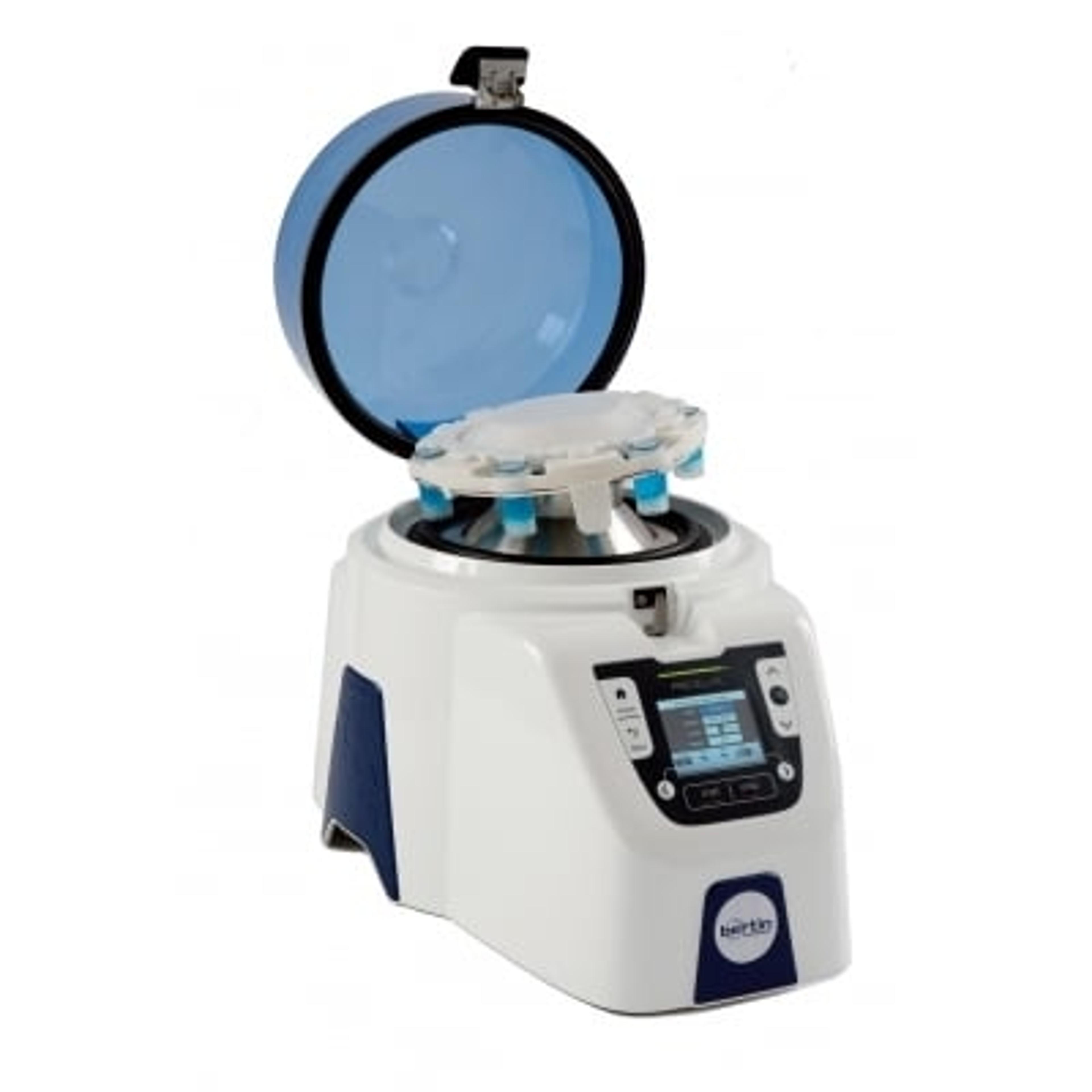
Precellys® Evolution - Tissue Homogenizer
Bertin TechnologiesThis product has been discontinued. See the newer version of this product linked below.