Latest advances in biopharma research enhance targeted therapies

Discover the latest technologies and methods to advance your biopharma research, from droplet digital PCR to next-gen protein sequencing and nanoparticle characterization

5 Oct 2023


Sarah Thomas
Associate Editor

Editorial article

Biopharma research special feature

Biopharmaceuticals are advanced medicinal products derived from living organisms, such as proteins, antibodies, and nucleic acids, engineered to target specific diseases and conditions. In this special feature, we explore the latest technological breakthroughs in biopharma research and their transformative impact on the field.

Unlike traditional pharmaceuticals, biopharmaceuticals offer highly targeted and effective treatments, often with fewer adverse effects. They play a vital role in the fields of oncology, immunology, and rare diseases, among others, offering innovative solutions where conventional drugs fall short. These complex therapies are at the forefront of medical research, revolutionizing healthcare by providing tailored, precise, and personalized treatment options for patients worldwide.

Read on to discover powerful tools like droplet digital PCR (ddPCR) for in-depth cell therapy studies, learn how you can achieve higher resolution imaging using nanobodies®, identify monoclonal antibodies through next-gen protein sequencing, and delve into the analysis and purification of therapeutic nucleic acids for innovative advancements in biopharma research.

1. BIOPROCESSING: Single-cell cloning solution for autologous and allogeneic cell therapies

Eileen Hannigan and Sarah Nadin, Assay Development team at Merck

In this on-demand webinar, experts from FyoniBio GmbH discuss workflows for cell line development, host cell engineering, and cell adaptation using the CellCelector fully automated cell imaging and picking system from Sartorius Group.


Watch webinar


2. PRECISION MEDICINE: Proteomics at the heart of multiomics studies

Eileen Hannigan and Sarah Nadin, Assay Development team at Merck

In this eBook from Olink Proteomics, discover how the integration of proteomics data in multiomics studies is advancing disease research and drug development, and explore what lies ahead in terms of trends and challenges in multiomics research.


Download eBook


3. NANOPARTICLES: Overcome challenges in lipid nanoparticle (LNP) vector analysis

Eileen Hannigan and Sarah Nadin, Assay Development team at Merck

In this eBook from Malvern Panalytical, discover key attributes for developing and manufacturing safe and effective LNP-based therapies and find a suite of robust orthogonal analytical tools that can help you better measure them.


Download eBook


4. IMPURITIES: Rapid analysis of impurities for high-throughput CDMO workflows
Eileen Hannigan and Sarah Nadin, Assay Development team at Merck

Discover how the Syft Tracer Pharm11 21 CFR Part 11 compliant real-time, direct mass spectrometer from Syft Technologies offers high-throughput and comprehensive analysis of residual solvents and volatile impurities. Hear how it was implemented at Alcami Corporation.


Watch video


5. QUANTITATION: Innovative LC-MS/MS techniques overcome challenges of biologics

Eileen Hannigan and Sarah Nadin, Assay Development team at Merck

Learn how Alturas Analytics’ pioneering LC-MS/MS technology can address sensitivity, selectivity, internal standard selection, and sample preparation challenges associated with biologics analysis in this article with Senior Principal Scientist, Chad Christianson.


Read article


6. BIODISTRIBUTION: Improve yield and reproducibility with advanced sample prep

Eileen Hannigan and Sarah Nadin, Assay Development team at Merck

Obtaining nucleic acids or proteins from challenging biospecimens can be a hurdle. This eBook from Covaris® covers the utility of many 'omics methods, reliably extracting from challenging samples, and streamlining 'omics experiments.


Download eBook


7. BIOREACTORS: Bioreactors pave the way for a more sustainable and resilient world
Eileen Hannigan and Sarah Nadin, Assay Development team at Merck

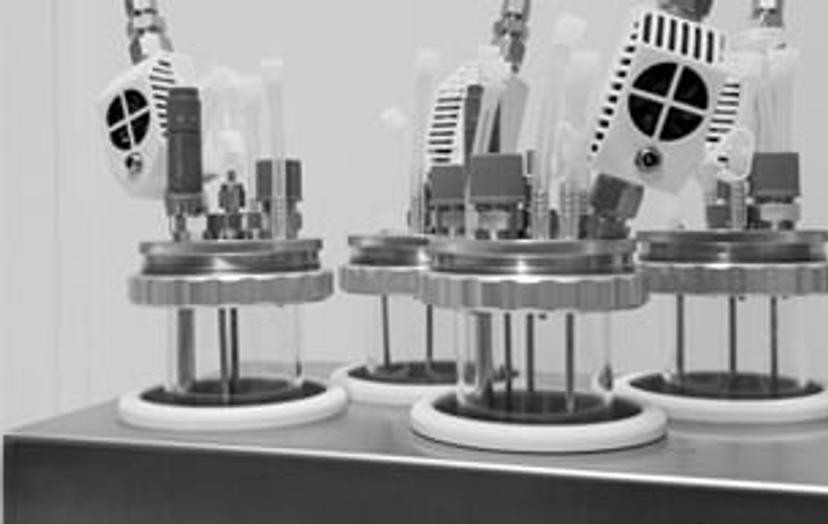
Learn how H.E.L Group’s BioXplorer bioreactors enable automated, parallel experimentation from 50 mL to 5 L, ideal for small-scale bioprocess development. Discover how they are being used by INSA Toulouse, Solugen, Newcastle University and Tufts University.


Read article


8. CAR T CELLS: Biopharmaceuticals as a therapeutic for cancer
Eileen Hannigan and Sarah Nadin, Assay Development team at Merck

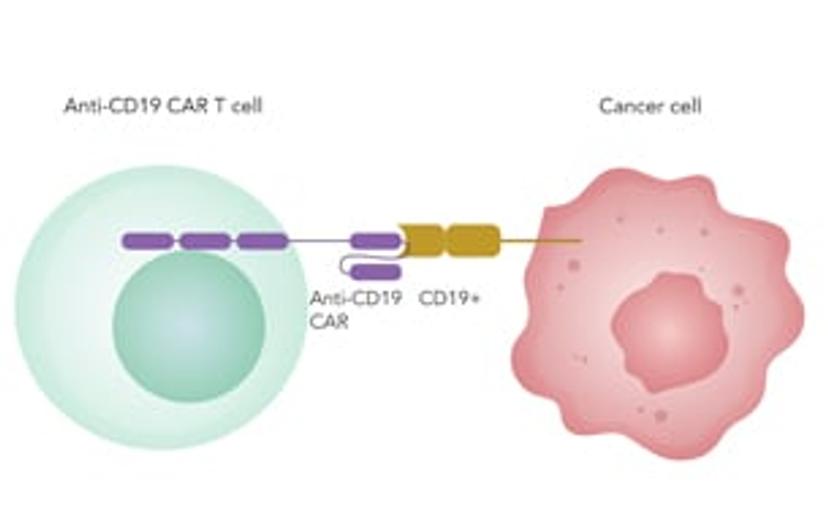
In this article by Techcomp Europe, learn more about CAR T cells and the drive towards alternative cancer therapies, as well as the role of essential equipment that can help ensure quality products, including bioreactors and freezers.

Read article

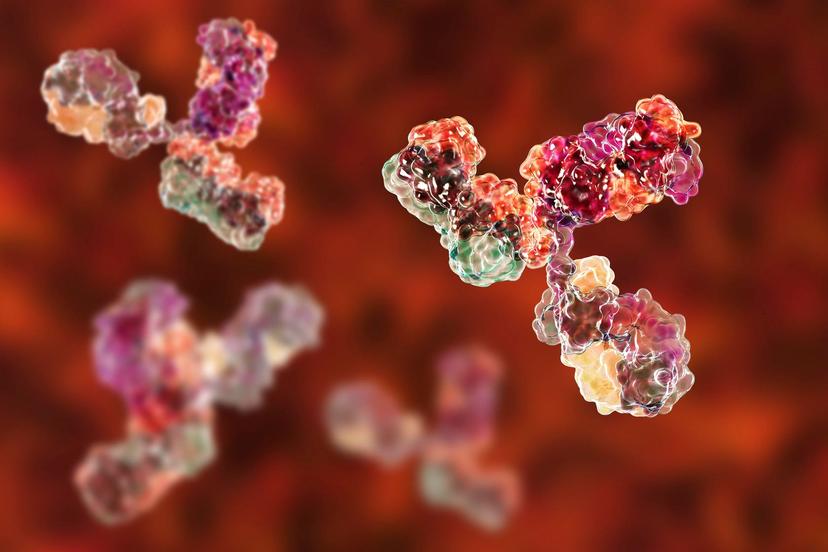
This article explores the latest technological breakthroughs in biopharma research and their transformative impact on the field ©Kateryna Kon @123rf.com

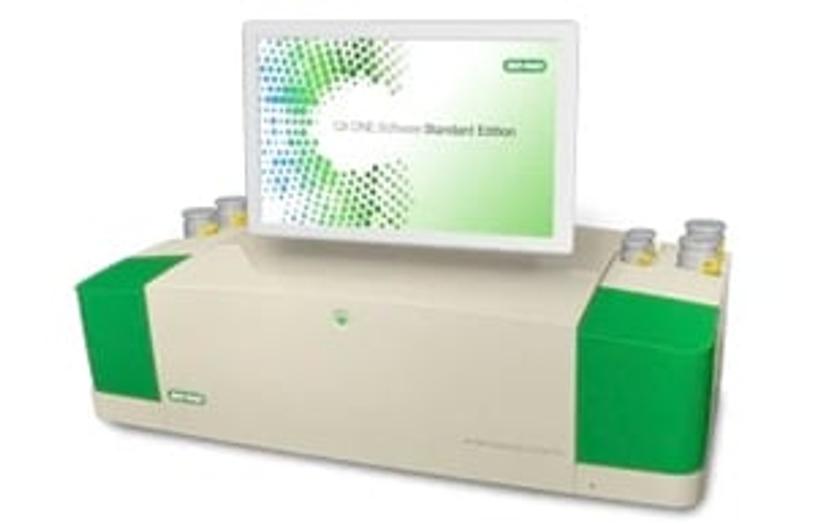
9. BIODISTRIBUTION: Droplet digital PCR (ddPCR) as a powerful tool for cell therapy studies
Eileen Hannigan and Sarah Nadin, Assay Development team at Merck

Discover a multiplex ddPCR based assay, recently developed by a group at Takeda Pharmaceutical Company, that demonstrates the benefits of ddPCR technology from Bio-Rad in supporting cell therapy biodistribution studies for a variety of animal models.


Download info


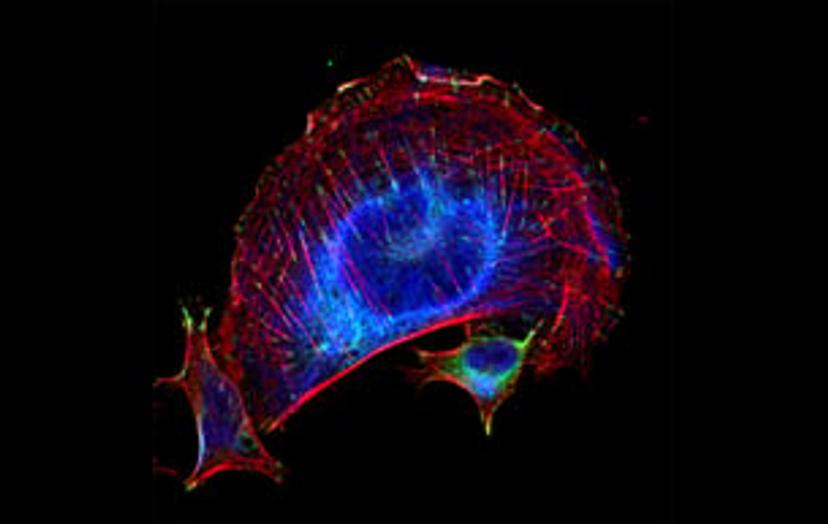
10. IMAGING: Achieve higher resolution imaging with nanobodies®
Eileen Hannigan and Sarah Nadin, Assay Development team at Merck

Discover AffiniPure-VHH Secondary Antibodies from Jackson ImmunoResearch. With their small 15 kDa size and outstanding specificity and penetration, VHH Fragments offer a fantastic solution for high-quality and high-resolution imaging.


View product


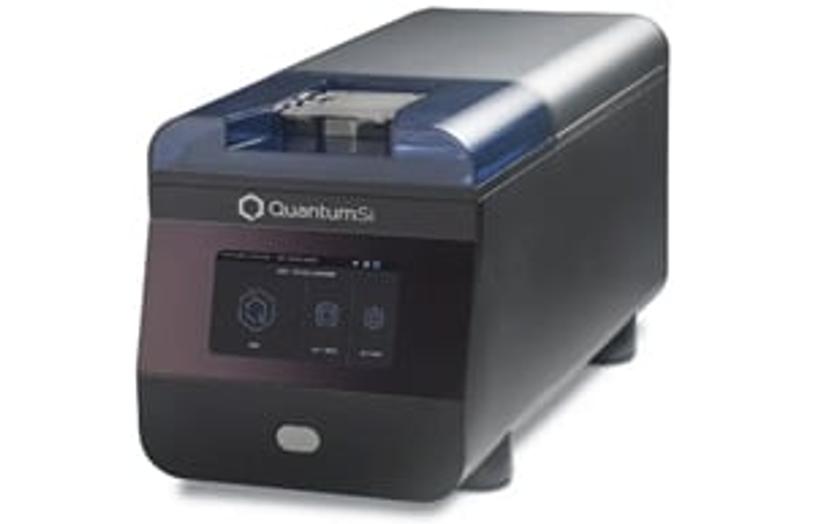
11. PROTEIN SEQUENCING: Identify monoclonal antibodies with next-gen protein sequencing
Eileen Hannigan and Sarah Nadin, Assay Development team at Merck

Overcome challenges of traditional antibody detection techniques and discover a fast and efficient method to identify low-abundance monoclonal antibodies using Quantum-Si’s Platinum Next-Generation Protein Sequencer.


Download method


12. OLIGONUCLEOTIDES: Analysis and purification of therapeutic nucleic acids

Eileen Hannigan and Sarah Nadin, Assay Development team at Merck

Discover chromatographic approaches for characterization and purity control of therapeutic nucleic acids using anion exchange, reversed-phase, and size exclusion chromatography in this eBook from Tosoh Bioscience.


Download eBook


13. NANOPARTICLES: New technology for reliable characterization of nanoparticles

Eileen Hannigan and Sarah Nadin, Assay Development team at Merck

Specialists from Wyatt Technology explore the importance of effective and dependable product characterization of nanoparticles and introduce a state-of-the-art instrument to overcome challenges of zeta potential measurement.


Read article


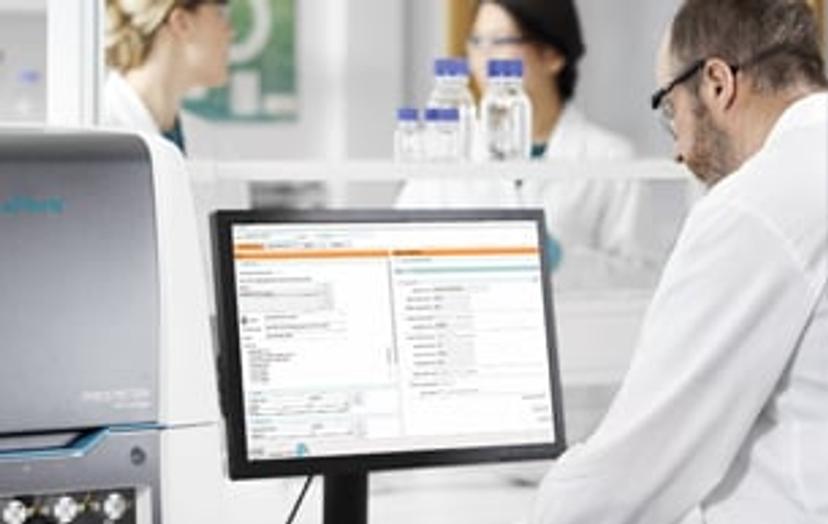
14. REGULATORY: Validate your immunoassays on a GxP ready platform
Eileen Hannigan and Sarah Nadin, Assay Development team at Merck

Achieve straightforward assay development, validation, and transfer of immunoassays with Gyrolab software from Gyros Protein Technologies. Designed for 21 CFR Part 11 compliance, the software integrates with your LIMS system and provides built-in QC.


Read more


15. CASE STUDY: Automate DMPK assays for effective project delivery
Eileen Hannigan and Sarah Nadin, Assay Development team at Merck

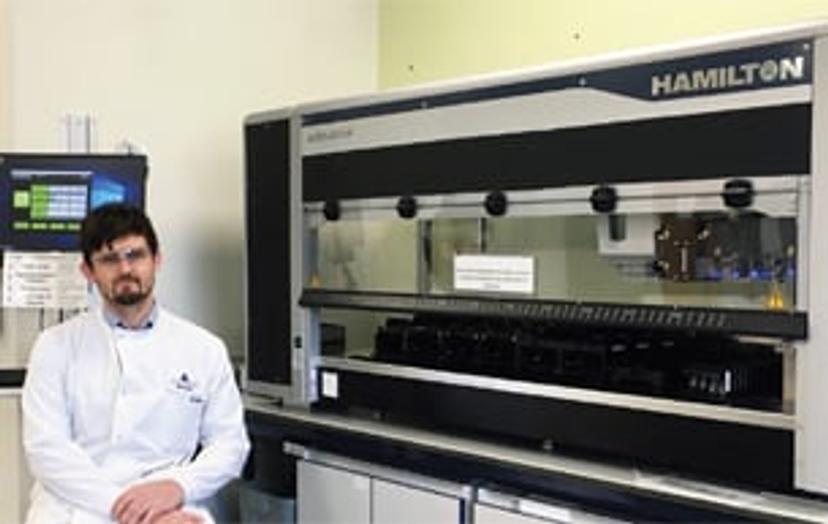
Christopher Chantler, principal research scientist and DMPK and automation expert at Vertex Pharmaceuticals, shares how the automation of DMPK assays, using Hamilton Microlab® STAR liquid handlers, increases throughput and reproducibility.


Download study


16. PEPTIDE MAPPING: Comprehensive characterization of antibody-drug conjugates
Eileen Hannigan and Sarah Nadin, Assay Development team at Merck

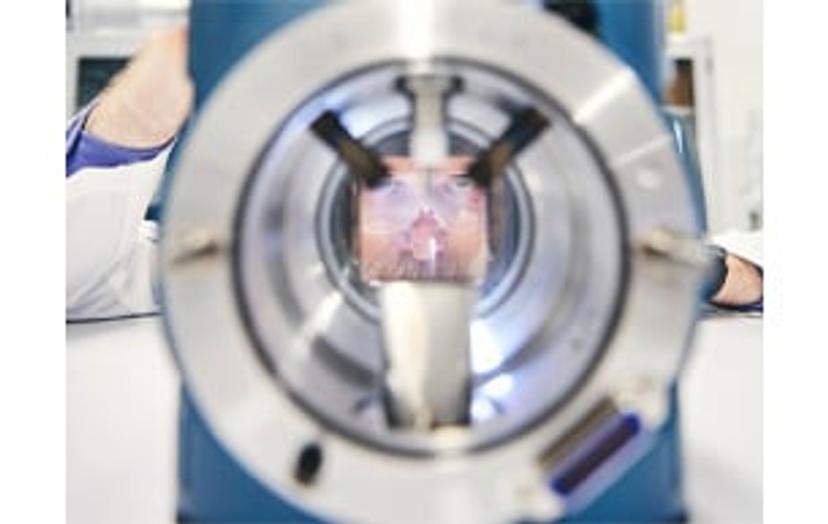
In this technical note from SCIEX, learn how to achieve confident antibody-drug conjugate (ADC) sequence confirmation and accurate localization of the payload using a streamlined, electron activated dissociation (EAD)-based peptide mapping workflow.


Read more


Leave a lab product review to help other scientists and clinicians find the best products to accelerate scientific progress >>

Links

Tags

UHPLC and HPLCHigh performance liquid chromatography (HPLC) and ultra high performance liquid chromatography (UHPLC), also known as UPLC, are analytical techniques used to separate, identify and quantitate components of complex mixtures including biological samples such as proteins and lipids as well as chemical mixtures of pesticides, drugs and oils. Both techniques are liquid chromatographic methods but differ by operating pressures (HPLC < 6000 psi < UHPLC ). Components of HPLC and UHPLC systems include columns, detectors, pumps, autosamplers and column heaters. Explore a range of UHPLC and HPLC columns for your specific sample needs including reverse phase, normal phase, ion exchange, HILIC, ion exclusion and size exclusion columns. For more specialized HPLC, explore FPLC, countercurrent LC and simulated moving bed systems. Find the best UHPLC and HPLC equipment in our peer reviewed product directory: compare products, check customer reviews and receive pricing direct from manufacturers.LC-MSLC-MS (liquid chromatography-mass spectrometry) systems and equipment are used for separation and quantitative analysis of complex mixtures, combining liquid chromatography and mass spectrometry. Quantify proteins, contaminants, pesticides or screen for drug metabolites with a high level of sensitivity. LC-MS systems and equipment include reverse phase, normal phase and specialized columns integrated with various MS detectors such as time-of-flight (TOF), quadrupole, orbitrap or ion trap mass analyzers. LC-MS/MS instruments equipped with a qTOF or triple quadrupole analyzer give greater sensitivity and resolving power to your analysis. Find the best LC-MS equipment in our peer-reviewed product directory: compare products, check customer reviews and receive pricing direct from manufacturers.Mass SpectrometryMass spectrometry (MS) is a powerful analytical technique used to identify and quantify molecules based on the mass-to-charge ratio of gas-phase ions. It provides detailed information about the structure, composition, and properties of compounds and is widely used across fields such as environmental monitoring, materials science, drug discovery and development, food and beverage testing, and wider chemical research. Key MS techniques include tandem mass spectrometry (MS/MS), liquid chromatography–mass spectrometry (LS-MS) and inductively coupled plasma (ICP-MS). Choosing from these wide range of techniques and technologies can be a daunting task, so keep up to date with scientific applications, performance expectations, and customer reviews here all in one place. Visit our product directory to receive quotes direct from the manufacturer. AntibodiesAntibodies are used in techniques such as confocal and fluorescence microscopy, flow cytometry, ELISA, ELISPOT, immunohistochemistry, western blotting and immunopreciptation. Select specific antigen reactivity, high specific affinity, low non-specific binding, monoclonal or polyclonal, primary or secondary antibodies and associated conjugates such as an enzyme or dye for visualization.ProteomicsProteomics is the systemic bioinformatics study of proteins and amino acids, including their structure, size, function and identification. Tools used in proteomics include chromatography, blotting and gels, protein arrays, mass spectrometry and ELISA and associated analysis software. Analyzers and proteomic systems should be sensitive, high resolution, fast and may be automated for high-throughput.Cell-Based AssaysCell-based assays are used to monitor the presence, quantity and activities of a desired cellular analyte including drug molecules or biomarkers. This can reveal information on cell health (apoptosis, cytotoxicity, viability and proliferation assays), cell metabolism, cell migration and cell signaling mechanisms. Find the best cell-based assay products, kits and equipment with our peer reviewed product directory: compare products, check customer reviews and receiving pricing direct from manufacturers.DNA SequencingDNA sequencing, such as sanger sequencing, is a biological technique that determines the precise order of nucleotide bases in a fragment or template of DNA. DNA sequencers and genetic analyzers are based on capillary electrophoresis, where labeled DNA fragments are electrophoretically separated by size as they migrate through a polymer. Find the best DNA sequencing products, including DNA sequencing kits, genomic libraries and genetic identity kits in our peer-reviewed product directory: compare products, check customer reviews and receive pricing direct from manufacturers.Biopharmaceutical AdvancesBiopharmaceutical advances follow the development of pharmaceuticals derived from biotechnology, also known as biotechnology medicines. Biopharmaceuticals may be produced from cell lines, plants, or microbial cells. Important considerations of biopharmaceutical use include application, cost, production process and purification.Drug DeliveryDrug Delivery refers to dosage form, route of administration, formulations, technologies, and systems for transporting a pharmaceutical compound in the body as needed to safely achieve its desired therapeutic effect. Drug delivery is often approached via the biopharmaceutical or small molecule drug's formulation, but it may also involve medical devices or drug-device combination products. Considerations include instrumentation, software and services. Bioprocessing / FermentationBioprocessing is the use of biological materials to perform commercial, scientific or medical research processes. Biological materials used include cells, enzymes and organisms. Usually bioprocessing requires a batch or continuous bioreactor such as a fermentor or cell culture system. The advantages of using a reactor include high productivity, easy configuration, adjustable values and automation.Monoclonal AntibodiesMonoclonal antibodies (mAbs) are lab-made molecules that can bind to specific antigens on cells, making them highly effective in treating cancers, autoimmune diseases, and infections. These targeted therapies are transforming the treatment landscape for many conditions. Browse our peer-reviewed product directory to find monoclonal antibodies for research and clinical applications; compare products, check reviews, and get pricing directly from manufacturers.BiopharmaceuticalsBiopharmaceuticals are proteins and other compounds (such as nucleic acids) produced by living organisms that have uses as therapeutics or for in vivo diagnostics. The most well known example of a biopharmaceutical product, and the first to be approved for therapeutic use, was recombinant human insulin.Cell TherapyCell therapy involves using living cells to treat diseases, often by replacing damaged cells or stimulating regeneration. Stem cell therapy and CAR-T cell therapy are examples of cutting-edge treatments in regenerative medicine and cancer immunotherapy. Browse our peer-reviewed product directory to find the best cell therapy tools, compare products, check reviews, and get pricing directly from manufacturers.Therapeutic AntibodiesTherapeutic antibodies are antibodies engineered for use in treating diseases. They can be designed to target specific antigens, blocking harmful interactions or modulating immune responses. Therapeutic antibodies are critical in treating conditions like cancer, autoimmune disorders, and infectious diseases. Explore the best therapeutic antibody products in our peer-reviewed product directory; compare options, check reviews, and get pricing directly from manufacturers.BiotherapeuticsBiotherapeutics are proteins and other compounds (such as nucleic acids) produced by living organisms that have uses as therapeutics or in <i>in vivo</i> diagnostics. The most well-known example of a biotherapeutic product, and the first to be approved for therapeutic use, was recombinant human insulin.