Karolinska Institutet Utilizes G:BOX Chemi XX6 in DNA Vaccine Research to Make Quantifying IR Fluorescent Viral Antigens Faster and More Accurate

14 May 2014

Sarah Thomas
Associate Editor

Product news

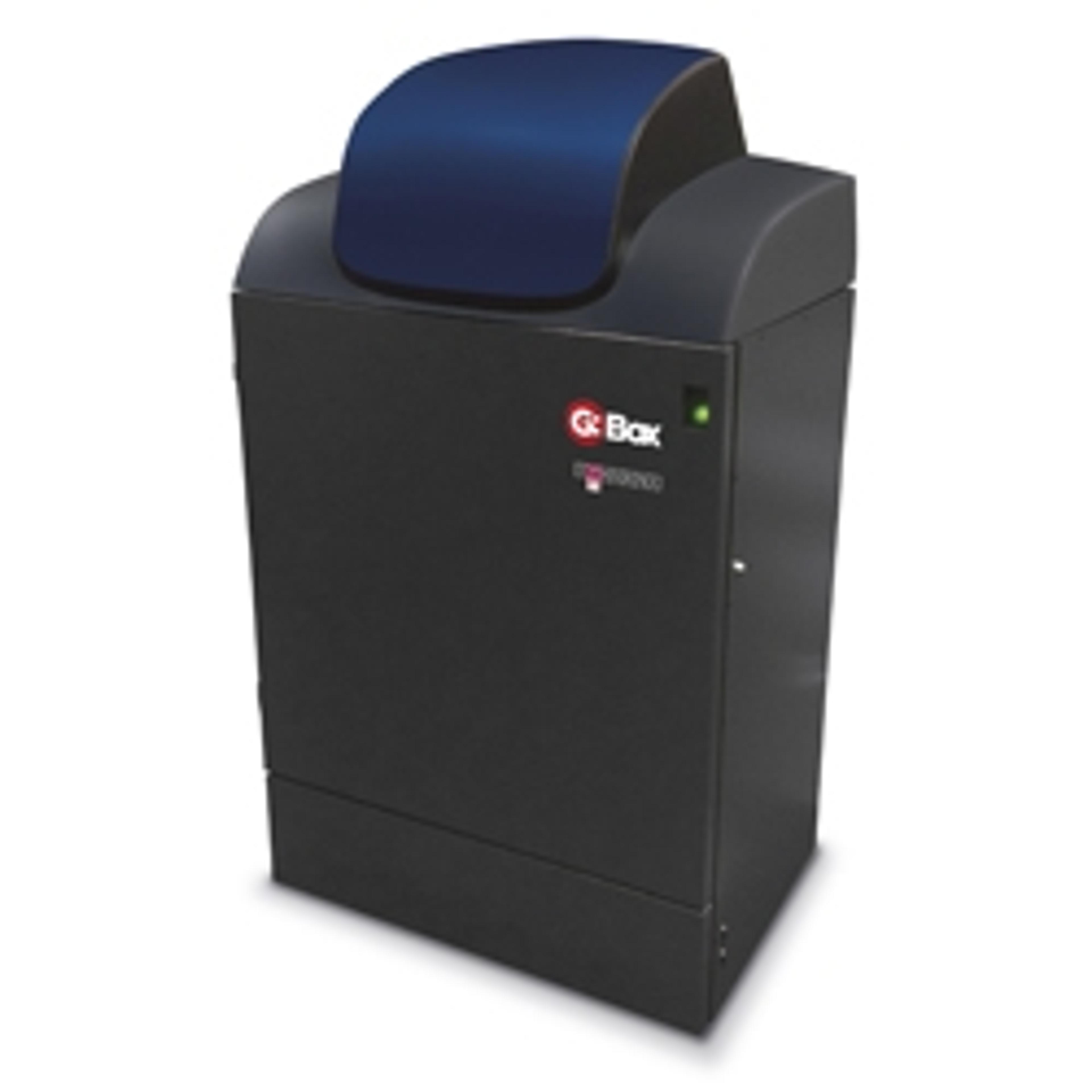
Syngene, a world-leading manufacturer of image analysis solutions, today announced its new G:BOX Chemi XX6 is being used by scientists at the Karolinska Institutet for multiplex imaging of IR fluorescent viral proteins on Western blots. This is contributing to rapidly providing researchers there with accurate information on the efficacy of hepatitis B and hepatitis C DNA vaccines.

Researchers in the Department of Laboratory Medicine at the Karolinska Institutet in Sweden are using a G:BOX Chemi XX6 multi-application imager to analyze viral antigens on multiplex Infrared (IR) fluorescent Western blots. Since IR fluorescence is directly proportional to the amount of antigens present on Western blots, this is allowing scientists there to accurately quantify the amount of viral antigen being expressed, and is helping them to determine the efficacy of different types of hepatitis B and C DNA vaccines to be tested in in-vivo mouse models.

Laura Sullivan, Syngene’s Divisional Manager, commented: “We are delighted that our new imaging technology is helping researchers at the Karolinska to speed up quantification of viral antigens in this vital research. Scientists wanting an accurate method of analyzing multiplex IR fluorescence proteins on Western blots should join this well-respected medical university and consider trialing a G:BOX Chemi XX6 imaging system in their laboratory.”

G:BOX Chemi XX6

Syngene

G:BOX Chemi XX6 gel imaging system has a high resolution camera for imaging multiple sample types and sizes, from fluorescence 1D to 2D gels to chemiluminescent blots. Your lab’s imaging system shouldn’t control how you detect proteins on Western blots. Chemiluminescence is great if you want sensitive detection of picogram or femtogram amounts, while fluorescence lets you quantify and detect multiple different proteins on one blot. 

(0)

Links

Tags

Western BlottingWestern blotting equipment is used to transfer and identify specific proteins within a sample, reveal protein modifications, as well as give a semi-quantitative estimation of their concentration. Western blotting equipment includes all apparatus necessary to transfer proteins from gel to membrane and subsequent processing steps. Protein transfer can be performed by electroblotting with wet, semi-dry and dry transfer systems onto nitrocellulose and PVDF membranes. Blocking, washing and labeling of membranes follows, involving buffers, blocking reagents, blotting / incubation trays, labeling reagents, immunoblotting assays, antibodies and conjugates. Automated equipment for these steps is available to accelerate your lab workflow. Finally, detection and imaging of proteins can be conducted using gel documentation and imaging systems. Find the best western blotting equipment in our peer-reviewed product directory: compare products, check customer reviews and receive pricing direct from manufacturers.Gel Doc / Image AnalysisGel documentation (gel doc) or gel imaging systems are used for the analysis of proteins, antibodies and nucleic acid immobilized in polyacrylamide or agarose gels, membranes or microarrays. Explore a range of a gel imaging systems, densitometers, scanners, transilluminators or UV lamp + CCD cameras for your image analysis solutions. Colorimetric, fluorescent and/or radioisotopic samples can be visualized and documented for further analysis. See gel doc / Image analysis software for quantitative 1D and 2D analysis of your samples. Find the best gel doc / image analysis products in our peer-reviewed product directory: compare products, check customer reviews and receive pricing direct from manufacturers.Animal ModelsThe use of non-human animals in experiments or behavorial observations. The research is conducted inside universities, medical schools, pharmaceutical companies, farms, defence establishments, and commercial facilities that provide animal-testing services to industry. It includes pure research such as genetics, developmental biology, behavioral studies, as well as applied research such as pharmaceutical testing in pre-clinical, before human, studies. ImagingImaging techniques are essential for obtaining visual representations of samples to understand structures, processes, and function in biological, chemical, and physical research. These tools range from traditional light microscopy to advanced imaging modalities like MRI and electron microscopy, providing researchers with valuable data for diagnostics, drug discovery, and material analysis. Explore imaging solutions in our peer-reviewed product directory to compare products, check reviews, and get pricing directly from manufacturers.Vaccine DevelopmentVaccine development focuses on creating immunizations to protect against infectious diseases. The process involves identifying antigens, developing and testing vaccine efficacy, and ensuring safety through preclinical testing and multiple clinical trial phases. Scientists use various approaches, including weakened or inactivated viruses, protein subunits, or mRNA. Advanced platforms and rapid diagnostic tools aid in vaccine research and testing. Explore vaccine development solutions in our peer-reviewed product directory; compare products, read reviews, and get pricing directly from manufacturers. Hepatitis
Karolinska Institutet Utilizes G:BOX Chemi XX6 in DNA Vaccine Research to Make Quantifying IR Fluorescent Viral Antigens Faster and More Accurate