
JHU-created material could lead to stronger, lighter and safer helmets and vehicles
Researchers at JHU are excited to show their findings on this new material
9 Mar 2022
Industry news
A team of Johns Hopkins University researchers created shock-absorbing material that protects like a metal, but is lighter, stronger, reusable. The new foam-like material could be a game-changer for helmets, body armor, and automobile and aerospace parts.
“We are excited about our findings on the extreme energy absorption capability of the new material,” said senior author Sung Hoon Kang, an assistant professor of mechanical engineering. “The material offers more protection from a wide range of impacts, but being lighter could reduce fuel consumption and the environmental impact of vehicles while being more comfortable for protective gear wearers.”
Kang, who is also a fellow at the Hopkins Extreme Materials Institute, wanted to create a material even more energy-absorbing than current car bumpers and helmet padding. He noticed the typical materials used for these critical protective devices don’t perform well at higher speeds and often aren’t reusable.
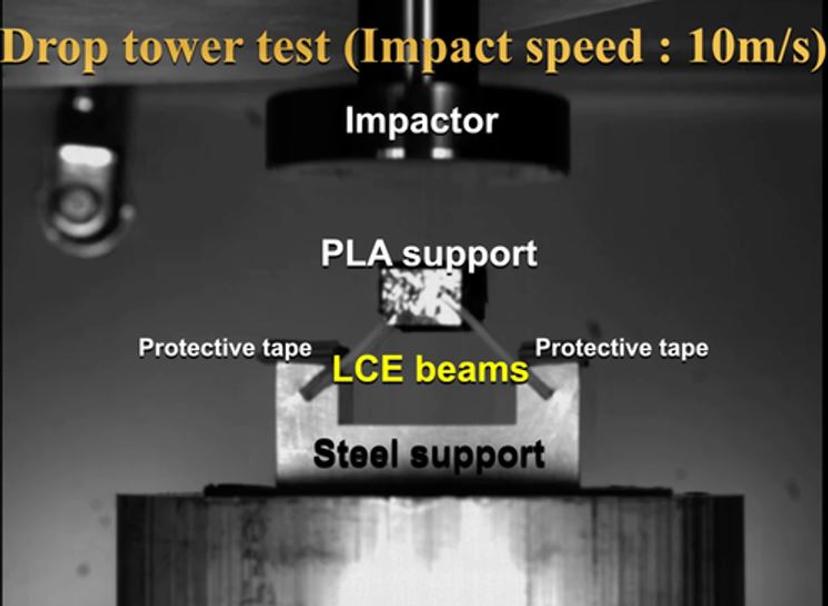
The research team was able to add strength while reducing weight with high energy-absorbing liquid crystal elastomers (LCEs), which have been used mainly in actuators and robotics.
During experiments to test the material’s ability to withstand impact, it held up against strikes from objects weighing about four to 15 pounds, coming at speeds of up to about 22 miles per hour. The tests were limited to 22 miles per hour due to the limits of the testing machines, but the team is confident the padding could safely absorb even greater impacts.
Kang and his team are exploring a collaboration with a helmet company to design, fabricate, and test next-generation helmets for athletes and the military.
The results appeared in the journal Advanced Materials.
Want the latest science news straight to your inbox? Become a SelectScience member for free today>>