
Insights into neurodegeneration: Understanding the endoplasmic reticulum structure/function relationship
3 Sept 2020Expert insights

The endoplasmic reticulum (ER), a network of membranous sheets and pipes, supports functions encompassing biogenesis of secretory proteins and delivery of solutes throughout the cell. Understanding the ER structure-function relationship is critical to rationalizing how mutations in ER morphogens give rise to neurodegenerations.
A purpose-developed super-resolution microscopy and data analysis approach enabled Dr. Edward Avezov and his team, to deconvolute the molecular motion inside the ER. The analysis of single-particle trajectories of ER luminal proteins revealed alternating currents. These have implications for timely ER content distribution, particularly important for neuronal geometry.
In this webinar, Dr. Edward Avezov, UK Dementia Research Institute, will explore the structural and functional parameters defining the ER functioning as a transport system and a proteostasis hub, as well as the neuronal cell functionalities reliant on the organelle integrity. Methodologies for quantitative characterization of neuronal functioning upon genetic and pharmacological manipulations of iPS cells derived neurons, based on automated live-cell microscopy, e.g. spatiotemporal calcium activity profiling by Neurolight/Incucyte®, will be showcased.
REGISTER NOWKey learning objectives:
- Properly structured and functional ER is crucial for neuronal health.
- Neuronal geometry creates a kinetic challenge for molecular transport.
- Defects in ER shaping genes lead to neurodegeneration.
- Active ER luminal transport supports material distribution throughout the cell.
- ER stress induces protein aggregation antagonizing machinery.
Who should attend?
Cell biology researchers in pharma, biopharma, and academia, especially those involved in neuroscience.
Attend the webinar on Tuesday, September 15, at:
- 16:00 BST
- 17:00 CEST
- 08:00 PDT
- 11:00 EDT
Register for this webinar here>>
SelectScience runs 3-4 webinars a month across various scientific topics, discover more of our upcoming webinars>>
Related products
Request Quote for All Products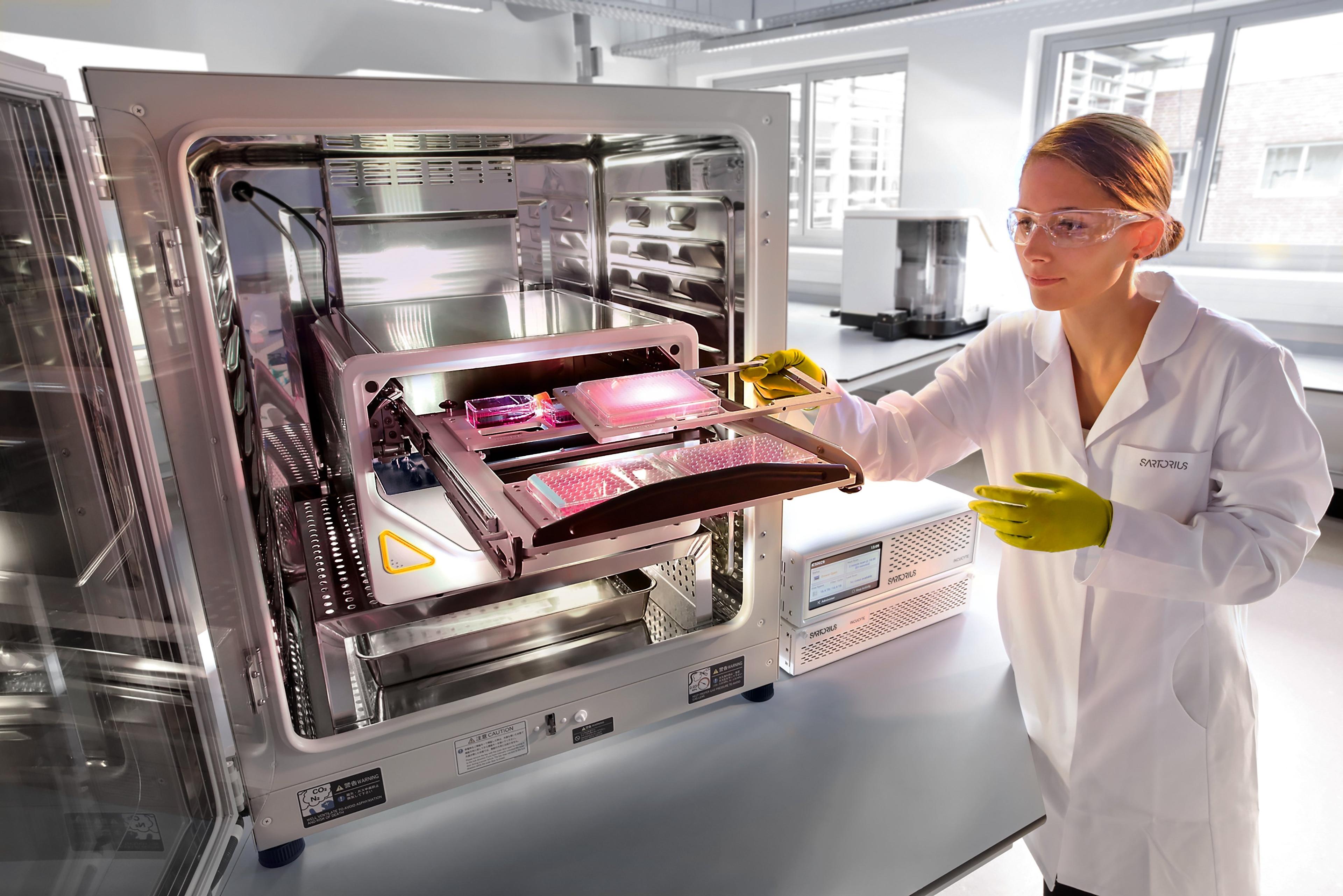
Incucyte® Live-Cell Analysis Systems
Sartorius GroupIncucyte ® , Empower Live-Cell Analysis Inside Your Incubator