Important considerations for choosing a SARS-CoV-2 assay: Your questions answered

Watch this on-demand webinar to discover the critical factors when choosing an assay for coronavirus testing

7 Sept 2020

Diane Li
Assistant Editor

Expert insights

Arvind Kothandaram
Arvind Kothandaraman, General Manager, Specialty Diagnostics, PerkinElmer

Choosing the right solution for your laboratory's SARS-CoV-2 testing is an important decision. With the dynamic demand on labs, making the wrong choice could be catastrophic.

In this on-demand SelectScience® webinar, Arvind Kothandaraman, from PerkinElmer, discusses the critical factors to consider when choosing an assay for your coronavirus testing, including assay sensitivity and reliability, availability of reagents, throughput and labor requirements, sample-to-solution workflows and support.

Read on for highlights from the live Q&A session or register to watch the webinar at any time that suits you.

Watch webinar

Q: What is the turnaround time of the RT-PCR workflow from sample isolation to result?

AK: The turnaround time is under four hours. It is under 60 minutes for RNA isolation, and under 2.5 hours for RT-PCR to achieve the low limit of detection.

Q: Are you working on an expanded RT-PCR panel targeting other pathogens in addition to SARS-CoV-2?

AK: Yes, we are working on a panel that targets SARS-CoV-2, influenza A, influenza B, and RSV (respiratory syncytial virus).

Q: What is the supply status of RNA isolation and RT-PCR reagents, and how have you adapted to the demand?

AK: We have recognized that transparency and ready access to availability is critical for labs. To meet this need, a tracker is available on our website to check the lead time for RNA isolation kits and RT-PCR reagents. For products on the market as well as upcoming ones, we have developed contingency plans with multiple manufacturing sites on different continents. That is how we're adapting to the demand.

Q: When we take a nasal swab, there will be various microorganisms in that region. How can we be sure that SARS-CoV-2 will not be contaminated with genomes from other microorganisms? Is there a chance that the contamination from these other genomes will result in a false-positive or false-negative result?

AK: The cross-reactivity of the PerkinElmer New Coronavirus Nucleic Acid Detection Kit was evaluated using both in silico analysis and wet lab testing against normal and pathogenic organisms that are found in the respiratory tract. The result of the in silico analysis suggested that the PerkinElmer SARS-CoV-2 kit is designed for the specific detection of SARS-CoV-2 with no expected cross-reactivity with the human genome, other coronaviruses, or human microflora that could predict potential false-positive RT-PCR results. Wet lab testing against normal and pathogenic organisms of the respiratory tract was performed to subsequently confirm the in silico analysis.

Learn more about SARS-CoV-2 testing solutions: Watch this webinar on-demand >>

SelectScience runs more than 10 webinars a month across various scientific topics, discover more of our upcoming webinars>>

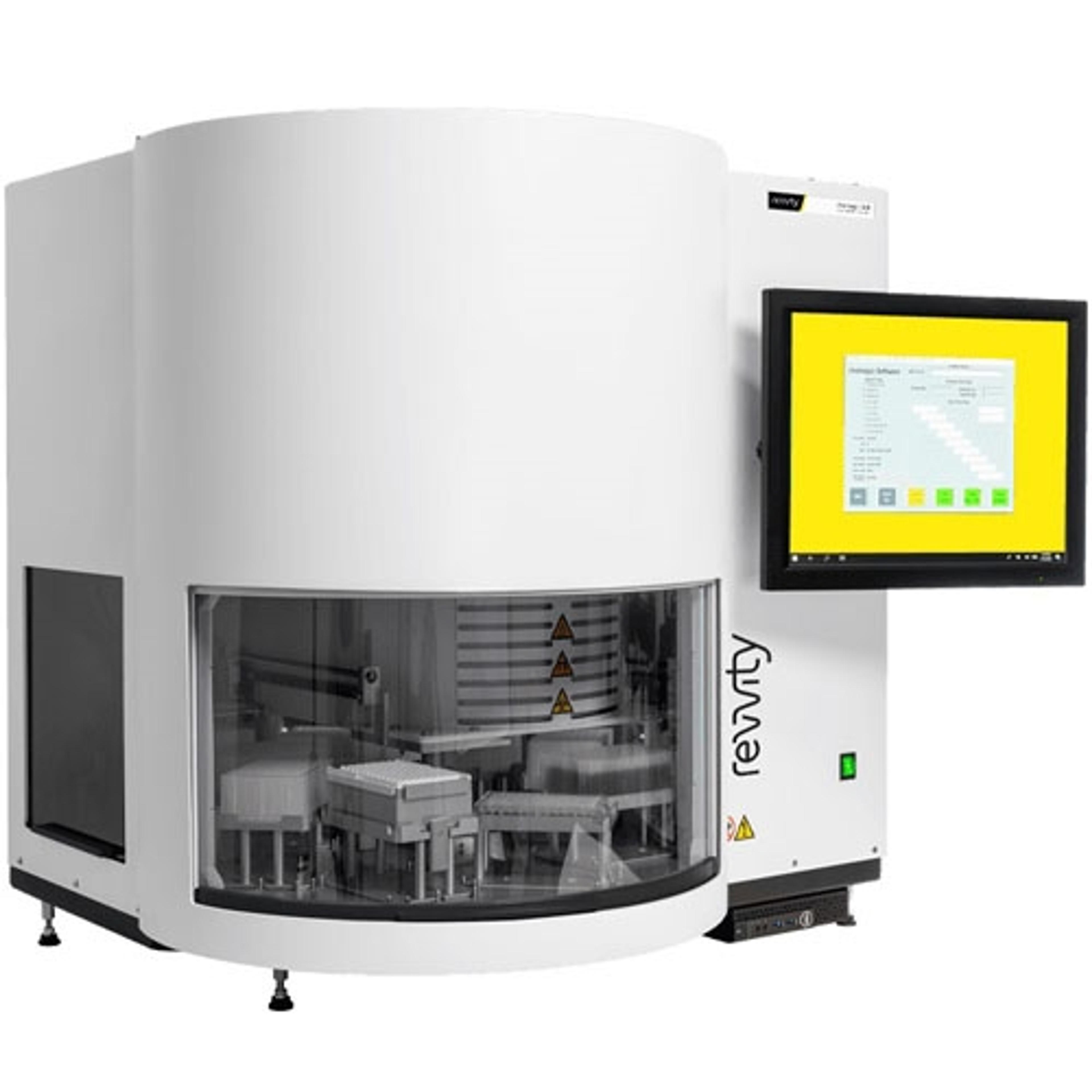
chemagic 360

Revvity

The chemagic™ chemagic 360 instrument is a flexible compact solution for automated nucleic extraction from diverse sample materials.

(5)

Links

Tags

PCR and Thermal CyclingPolymerase chain reaction (PCR) kits and thermal cyclers are used for the in vitro amplification of DNA permitting subsequent analysis and experimental procedures. Explore a range of high-quality polymerase, primers and nucleotides or simplify your workflow with a PCR mastermix. Find reverse transcription PCR (RT-PCR) and cDNA synthesis kits for RNA products and libraries. Quantitatively measure the amplification of DNA with real-time PCR (qPCR) and droplet digital PCR (ddPCR) kits and systems, and discover automated PCR setup solutions to increase throughput. Alternative DNA amplification methods also include recombinase polymerase amplification (RPA) kits. Find the best PCR kits and thermal cyclers and purification equipment in our peer-reviewed product directory: compare products, check customer reviews and receive pricing direct from manufacturers.ImmunologyImmunological techniques measure and characterize immune responses. Immunology kits and analysis systems often use techniques such as ELISA, radioimmunoassay (RIA) and immunodiffusion assays, Immunohistochemistry, and flow cytometry. Immunologists use equipment such as flow Cytometers, plate readers, plate washers and fluorescent microscopes.Cellular PathologyCellular Pathology deals with the microscopic analysis of tissue samples and cells. Sample preparation and processing includes fixation, staining, sectioning and slide mounting, using equipment such microtomes and cryostats. In choosing immunohistochemistry and immunocytochemistry kits, consider chromogens, staining method, antibodies, microscopes and imaging.Cell-Based AssaysCell-based assays are used to monitor the presence, quantity and activities of a desired cellular analyte including drug molecules or biomarkers. This can reveal information on cell health (apoptosis, cytotoxicity, viability and proliferation assays), cell metabolism, cell migration and cell signaling mechanisms. Find the best cell-based assay products, kits and equipment with our peer reviewed product directory: compare products, check customer reviews and receiving pricing direct from manufacturers.Clinical ChemistryBiochemistry (or clinical chemistry) involves the analysis of bodily fluids using chemical tests. Techniques used include HPLC, chromatography, spectroscopy, mass spectrometry, immunochemical, electrophoresis, turbidometric / spectrophotometric assay, MRI and ISE analysis. Tests are often carried out on plasma or serum but urine (urinalysis) and fecal specimens are also processed.Clinical GeneticsMolecular Genetics covers the analysis of hereditary genetic disease and chromosomal abnormalities. Genetics can be analysed using DNA, RNA, and protein microarrays, PCR, RT PCR and DNA sequencing. Genetic equipment includes genetic workstations, thermal cyclers, cooling blocks and electrophoresis products. Diagnostic kits are used for DNA / RNA extraction and purification.Clinical MicrobiologyMicrobiology is the study of microorganisms including protists, prokaryotes, fungi, and, often, viruses. Microorganisms are a useful research tool as genetic vectors and, in immunology, for antibiotic susceptibility testing, cellular biology and genetics. Microorganisms commonly grow readily in incubators with microbial culture media; this can contain chromogenic supplements to differentiate between cell lines. Estimate your culture’s density of microorganisms with colony counters, or screen and select colonies for desirable clones with automated colony pickers. Additionally, equipment is available to monitor environments for the presence of microbes and identify with microbial identification instruments. Find the best microbiology products in our peer-reviewed product directory: compare products, check customer reviews and receive pricing direct from manufacturers.InfluenzaRespiratory InfectionsRespiratory infections are caused by pathogens such as bacteria, viruses, and fungi, leading to diseases like pneumonia, tuberculosis, and COVID-19. It is important to identify respiratory infections quickly in patients to ensure appropriate treatment and care, and to prevent sepsis. Browse our peer-reviewed product directory to find the best tools for respiratory infection detection, compare products, check reviews, and get pricing directly from manufacturers.RNARNA is a nucleic acid that plays a key role in gene expression and protein synthesis. It serves as a messenger between DNA and ribosomes, carrying genetic instructions to produce proteins. Advances in RNA-based therapies, such as mRNA vaccines and gene editing, have revolutionized treatment strategies for genetic disorders and infectious diseases. Explore RNA research tools and therapies in our peer-reviewed product directory; compare products, check customer reviews, and get pricing directly from manufacturers.Assay DevelopmentThe process of proving an assay to be sensitive with respect to the target is known as assay development. The assay should be able to characterize novel compounds and measure the potency of these compounds against a validated biological target.Real-Time PCRReal-time PCR (RT-PCR) is a technique used to amplify and simultaneously quantify nucleic acids in real time. It is a key tool in gene expression analysis, pathogen detection, and diagnostics. RT-PCR allows for the detection of specific RNA or DNA sequences with high sensitivity and specificity. Browse our peer-reviewed product directory to find the best Real-Time PCR systems; compare products, check reviews, and get pricing directly from manufacturers.CoronavirusCoronaviruses are a large family of viruses that can cause illnesses ranging from the common cold to more severe diseases like COVID-19. Research into the biology, transmission, and treatment of coronaviruses has become a global priority, particularly since the emergence of SARS-CoV-2. Understanding the virus�s structure and behavior is essential for developing vaccines, diagnostics, and antiviral treatments. Explore our peer-reviewed product directory to discover the latest research tools, diagnostic tests, vaccines, and treatments for coronavirus, compare products, read reviews, and receive pricing directly from manufacturers.
Important considerations for choosing a SARS-CoV-2 assay: Your questions answered