Implementing a New Clinical Water Supply – Learning from Experience

Learn from the WellStar Kennestone Hospital Laboratory’s recent experiences as they install a new water system

23 Nov 2015
Sonia Nicholas
Managing Editor and Clinical Lead

Editorial article

AFS® 40E / 80E / 120E / 150E Water Purification Systems

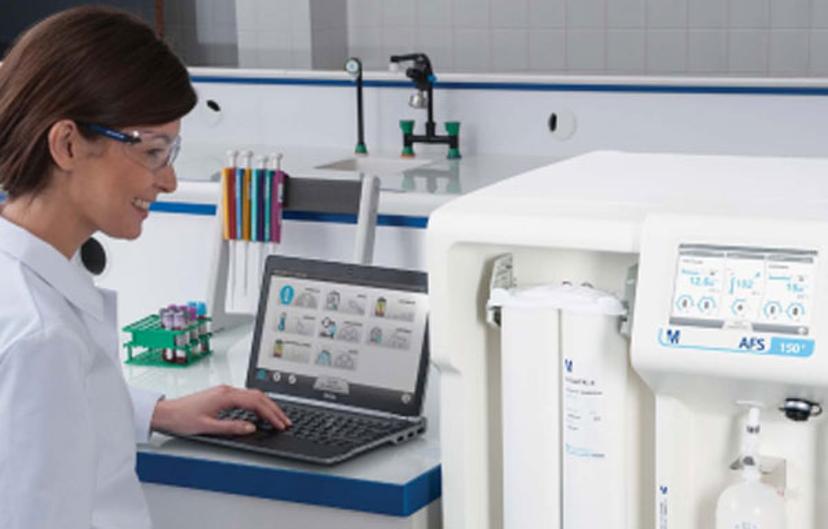
The WellStar Kennestone Hospital laboratory has installed the AFS®​120E System to provide water for their new clinical analyzers. Greg Caruso, Resource Medical Technologist, spoke to SelectScience's Clinical Editor, Sonia Nicholas, about the recent changes. If you are about to undertake a similar process, learn from Greg’s experience with the following top-tips.

1. Take every decision seriously – even the smallest decisions can have a great impact

EMD Millipore will help you at every stage of your implementation from planning to execution to ensure that you make the right decisions for your laboratory.

2. Look at all of the systems available to you and ensure that the system you choose will meet your current and future needs

Any water solution that you choose must provide robust and reliable performance. EMD Millipore is a trusted partner of many large clinical analyzer manufacturers.

3. Ask questions that you may not normally ask

A site visit will allow you to see the systems in action, but you won’t see every scenario on a brief laboratory tour. Don’t be shy in asking any and all questions about daily running, maintenance, service and system down-time. EMD Millipore is experienced in installing new systems and will be available to answer any additional questions that you may have.

4. Involve your staff in the decision making process

Don’t restrict decisions to a leadership level, involve the staff who are going to be using the systems. Very often they will be able to provide valuable information and have excellent ideas.

5. Give it time

A big departmental change takes time to get used to. Allow staff time to gather experiences and learn how to use the new systems. EMD Millipore provides an unprecedented level of service, tailored around your needs and designed to provide constant support.

Listen to the full audio interview with Greg Caruso or read the interview transcript now

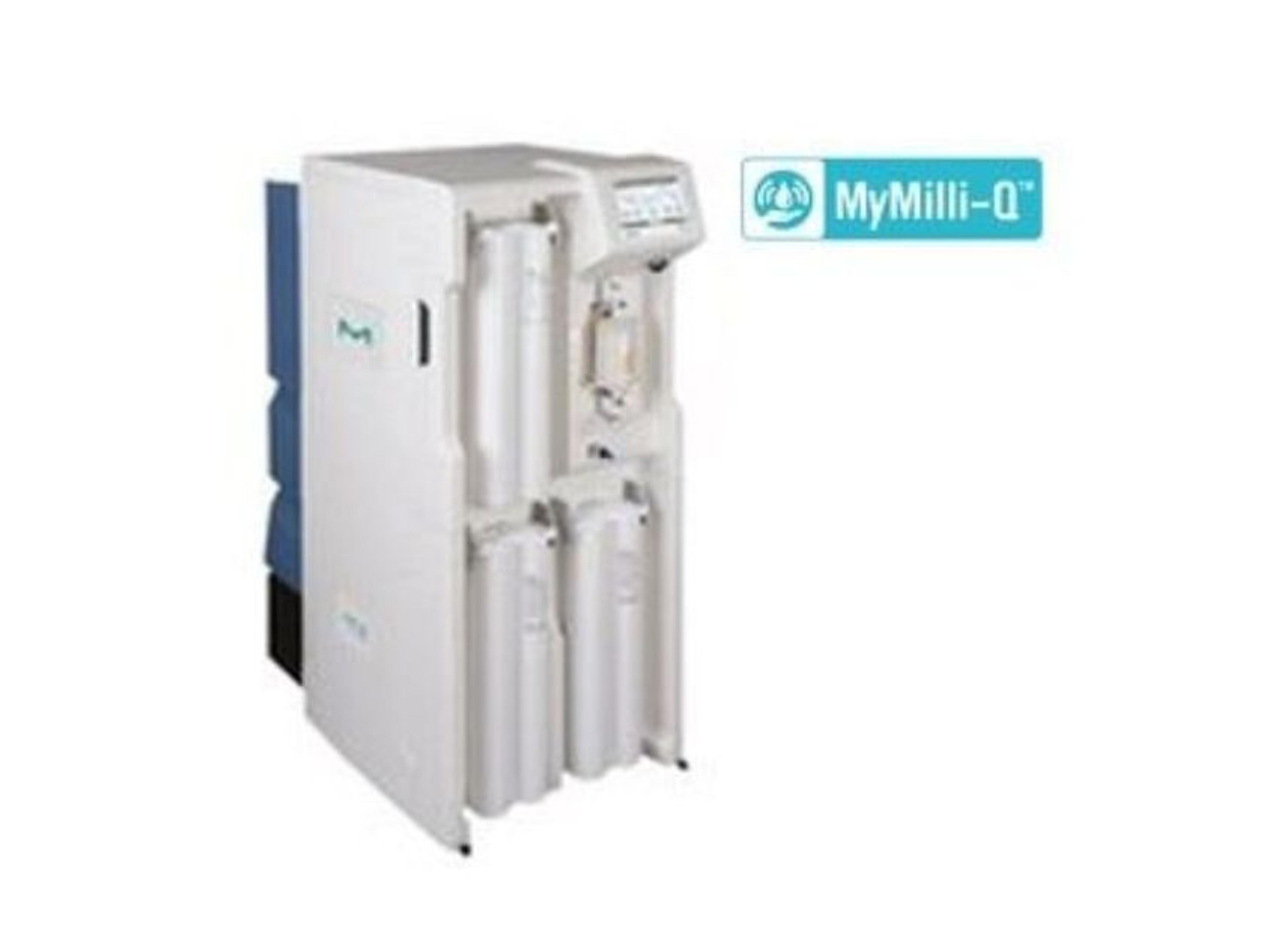
Milli-Q® CLX 7000 Clinical Water Systems

Merck

The Milli-Q® CLX 7000 series of connected water purification systems provides clinical laboratories with an economical and reliable pure water solution for volumes of up to 3000 L/day, fulfilling CLRW needs for one or several high-throughput clinical analyzers.

(20)

Links

Tags

Blood TransfusionBlood Transfusion involves giving donor blood to a recipient patient. Screening is essential to avoid transfusion reactions. Blood banks use immunohematological techniques to determine rh and ABO blood group, and screen for antibodies using specific antisera. Blood Banks use Direct Coombs Tests (DCT) and Indirect Coombs Tests (IAT) to detect hemolysis and Haemolytic Disease of the Newborn (HDN).HematologyIn Haematology / Hematology, complete blood cell counts (or full blood counts) are obtained using automated blood count analyzers to enumerate blood cell types.  Hematology also encompasses haemostasis and coagulation, thrombophilia and hemophilia, plasma viscosity and ESR analysis, hemoglobinopathies, cell morphology and haematinic measurement.ImmunologyImmunological techniques measure and characterize immune responses. Immunology kits and analysis systems often use techniques such as ELISA, radioimmunoassay (RIA) and immunodiffusion assays, Immunohistochemistry, and flow cytometry. Immunologists use equipment such as flow Cytometers, plate readers, plate washers and fluorescent microscopes.Cellular PathologyCellular Pathology deals with the microscopic analysis of tissue samples and cells. Sample preparation and processing includes fixation, staining, sectioning and slide mounting, using equipment such microtomes and cryostats. In choosing immunohistochemistry and immunocytochemistry kits, consider chromogens, staining method, antibodies, microscopes and imaging.Point-of-CarePoint-of-Care Testing (POCT) or Near Patient Testing (NPT) products are available for urine, blood and other clinical chemistry analyses. POCT includes: blood glucose testing, blood gas and electrolytes analysis, rapid coagulation testing (PT / INR), rapid cardiac markers diagnostics, drugs of abuse screening, urine strips testing, pregnancy testing, fecal occult blood analysis, food pathogens screening, hemoglobin diagnostics, infectious disease testing and cholesterol screening.Clinical ChemistryBiochemistry (or clinical chemistry) involves the analysis of bodily fluids using chemical tests. Techniques used include HPLC, chromatography, spectroscopy, mass spectrometry, immunochemical, electrophoresis, turbidometric / spectrophotometric assay, MRI and ISE analysis. Tests are often carried out on plasma or serum but urine (urinalysis) and fecal specimens are also processed.Clinical GeneticsMolecular Genetics covers the analysis of hereditary genetic disease and chromosomal abnormalities. Genetics can be analysed using DNA, RNA, and protein microarrays, PCR, RT PCR and DNA sequencing. Genetic equipment includes genetic workstations, thermal cyclers, cooling blocks and electrophoresis products. Diagnostic kits are used for DNA / RNA extraction and purification.Clinical MicrobiologyMicrobiology is the study of microorganisms including protists, prokaryotes, fungi, and, often, viruses. Microorganisms are a useful research tool as genetic vectors and, in immunology, for antibiotic susceptibility testing, cellular biology and genetics. Microorganisms commonly grow readily in incubators with microbial culture media; this can contain chromogenic supplements to differentiate between cell lines. Estimate your culture’s density of microorganisms with colony counters, or screen and select colonies for desirable clones with automated colony pickers. Additionally, equipment is available to monitor environments for the presence of microbes and identify with microbial identification instruments. Find the best microbiology products in our peer-reviewed product directory: compare products, check customer reviews and receive pricing direct from manufacturers.Water PurificationThere are a number of water purification methods available to remove contamination from laboratory water. These systems include demineralization, reverse osmosis, filtration and ultrafiltration. A combination of methods is sometimes necessary to achieve purified water suitable for use in experiments.Clinical AutomationClinical laboratory automation refers to the use of automated systems in clinical laboratories to increase efficiency, reduce human error, and improve patient care. From sample analysis to total laboratory automation, this plays a critical role in modern diagnostics and laboratory workflows. Explore clinical automation solutions in our peer-reviewed product directory; compare products, check reviews, and get pricing directly from manufacturers.