Immunoassay and Live Cell Analysis Solutions Presented at IMMUNOLOGY 2017

New T Cell assays advance insight into immune response

4 Jun 2017

Sarah Thomas
Associate Editor

Editorial article

The Annual Meeting of the American Association of Immunologists (AAI) is one of the largest annual gatherings of immunologists worldwide. This year’s meeting, IMMUNOLOGY 2017™, held in Washington, DC, USA, saw immunologists from around the world discussing breakthroughs across the full spectrum of topics in the field, while exhibitors displayed the latest technologies for cutting edge techniques.

During the event, MilliporeSigma, a business of Merck KGaA Darmstadt, Germany, presented a range of new solutions for immunologists, including a series of T Cell multiplex assay kits for low-level cytokine detection in small samples volumes, and the CellASIC® ONIX2 Microfluidics System for real-time control and manipulation of cellular environment for live cell analysis. Watch the video interviews and presentation to learn more about these innovations and how they can help to advance your immunology research.

New High-Sensitivity Immunoassays Panels Detect Picogram Level Cytokines

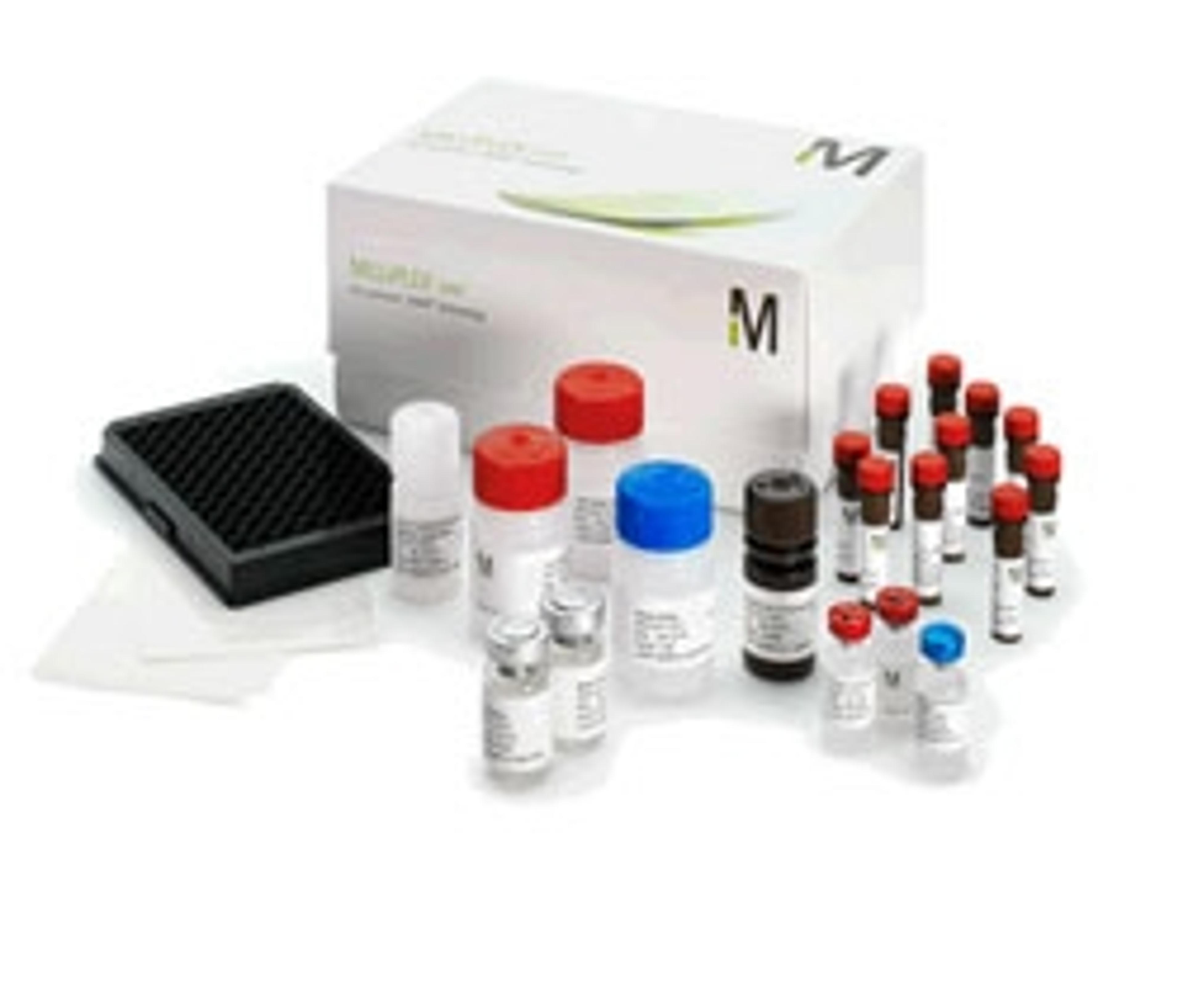
Robert Keith, R&D Scientist, MilliporeSigma, introduces three high-sensitivity MILLIPLEX® MAP panels to help researchers detect low levels of multiple cytokines in small amounts of sample: the Human High Sensitivity T Cell Magnetic Bead Panel (in both 96-well format and a new 384-well format) and the new Mouse High Sensitivity T Cell Magnetic Bead Panel in 96-well format. Both the human and mouse high-sensitivity panels can detect picogram levels of cytokines in just 25 µL of sample for up to 21 or 18 critical cytokines, respectively.
Robert Keith introduces three new high-sensitivity MILLIPLEX® MAP panel

Robert Keith highlights the benefits of the new T Cell multiplex assays for immunologists

Automated Cell Culture for Dynamic Analysis of Cell Function in Real Time

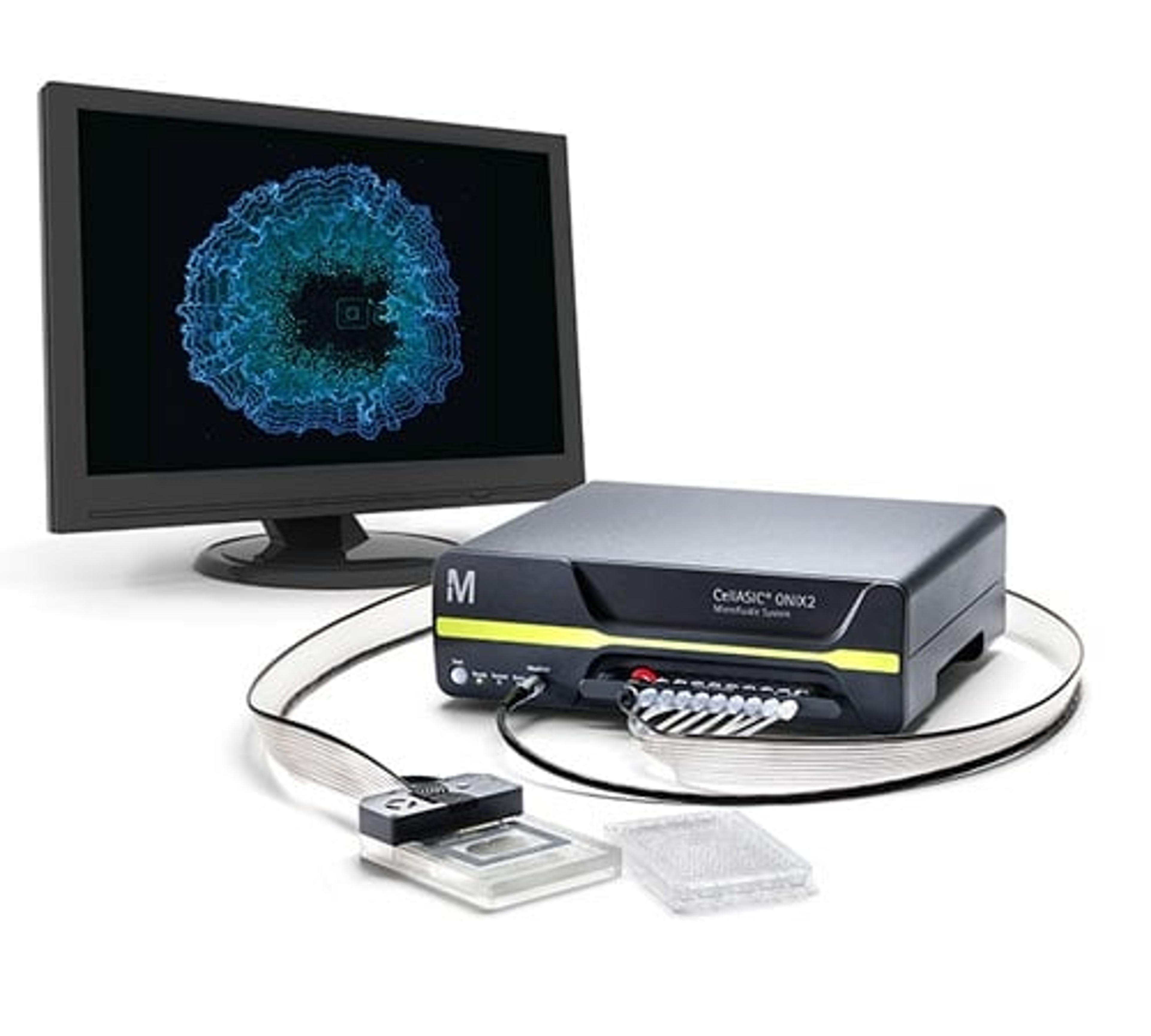
Dr Amedeo Cappione, Senior Scientist, MilliporeSigma, explains how the microfluidics-based CellASIC® ONIX2 System offers precise real-time control of media perfusion for cell researchers who need a highly controllable and manipulatable cellular environment and the ability to conduct semi-automated, repeatable long-term experiments while continuously collecting quantitative image-based data.

Dr Amedeo Cappione explains how the CellASIC® ONIX2 System works

Visit the SelectScience® AAI IMMUNOLOGY 2017™ event page for more news from the show floor.

Links

Tags

Cell / Tissue CultureCell culture or tissue culture is used to study the biology of cells or tissues and to isolate cellular products in an environment which can be manipulated and well defined. Accurately control your culture environment with bioreactors or culture incubators, bind your cells to a surface or together with an extracellular matrix. Distinguish cell types with differential media or proliferate cells with certain characteristics using selective media. Enrich your media with supplements such as growth factors, sera and vitamins. Find the best cell and tissue culture products, kits and equipment in our peer-reviewed product directory: compare products, check customer reviews and receive pricing direct from manufacturers.Cell-Based AssaysCell-based assays are used to monitor the presence, quantity and activities of a desired cellular analyte including drug molecules or biomarkers. This can reveal information on cell health (apoptosis, cytotoxicity, viability and proliferation assays), cell metabolism, cell migration and cell signaling mechanisms. Find the best cell-based assay products, kits and equipment with our peer reviewed product directory: compare products, check customer reviews and receiving pricing direct from manufacturers.ImmunologyImmunological techniques measure and characterize immune responses. Immunology kits and analysis systems often use techniques such as ELISA, radioimmunoassay (RIA) and immunodiffusion assays, Immunohistochemistry, and flow cytometry. Immunologists use equipment such as flow Cytometers, plate readers, plate washers and fluorescent microscopes.ImmunoassayImmunoassays are laboratory tests that utilize antibody-antigen interactions to detect specific substances. They are widely used in diagnostics for detecting diseases, drug testing, and environmental monitoring. These assays offer rapid, sensitive, and precise detection of biomarkers, making them invaluable in clinical and research labs. Browse our peer-reviewed product directory to compare immunoassay systems, read user reviews, and get pricing directly from manufacturers.In VitroIn vitro refers to experiments conducted outside living organisms, often in controlled lab environments such as petri dishes or test tubes. In vitro models are widely used in drug testing, cell biology, and disease research. Explore in vitro research tools in our peer-reviewed product directory; compare products, check reviews, and get pricing directly from manufacturers.CytokinesCytokines are signaling proteins critical for cell communication in the immune system. They regulate inflammation, immune responses, and cell growth. Cytokine research is vital for understanding disease mechanisms and developing therapies. Explore tools for cytokine detection and analysis in our directory.Cell AnalysisThe analysis of cells allows researchers to understand the factors which contribute to cell health and function. These influencing processes can then be predicted and altered, leading to the development of medication and disease treatments.MicrofluidicsMicrofluidics is the science of manipulating small volumes of fluids in micro-sized channels. It is widely used in diagnostics, drug development, and lab-on-a-chip technologies. Microfluidic devices can enable rapid, cost-effective, and high-throughput analysis of biological samples. Browse our peer-reviewed product directory to find the best microfluidic devices, compare products, check reviews, and get pricing directly from manufacturers.Live Cell ImagingLive cell imaging is the study of living cells using microscopes and high-content imaging systems. This technique provides in-depth insight into fast and complex biological processes, by allowing dynamic imaging of living cells instead of acquiring an individual image at a single point in time.