Imaging Techniques used to Analyse Bacterial Stress Response to find New Anti-Microbial Targets

22 Mar 2017
Mia Harley
Biochemist

Industry news

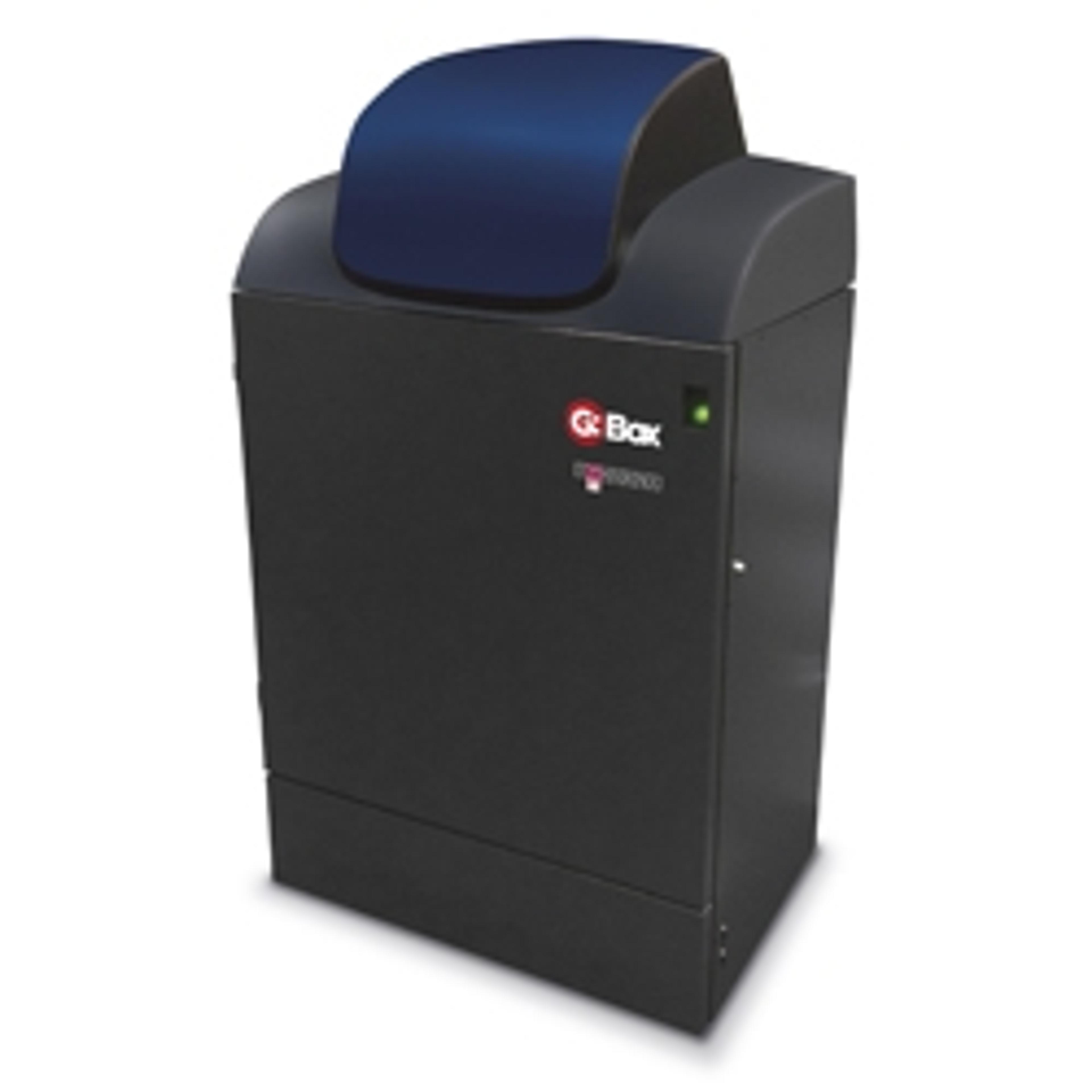
Syngene, a leading manufacturer of image analysis solutions, is pleased to announce its G:BOX Chemi XX6 multi-application imager is being utilised by scientists at the University of Warwick to rapidly and accurately analyse how Gram positive bacteria react to stressors. This is providing information on phenotypic changes and may identify potential genetic targets, which could help in developing new anti-microbial therapies for drug-resistant bacteria.

Researchers in the Department of Biomedical Sciences at the University of Warwick are using a G:BOX Chemi XX6 multi-application imaging system to study the changes that occur following exposure to stressors in the model Gram positive bacteria, Bacillus subtilis (a close relative of drug-resistant bacteria, such as Staphylococcus aureus).

The system is being utilised to detect changes in expression of non-coding RNAs using infra-red Northern blots. It is also being used to monitor levels of expression in live bacteria. The promoter for the RNA or protein encoding gene is cloned with the green fluorescent protein (GFP) marker genes and the G:BOX Chemi XX6 is utilised to image clones expressing the genes of interest both directly from the plate. This fundamental research is allowing the scientists to detect phenotypic changes associated with survival and growth and the information it provides could contribute to identifying therapeutics targets for developing new anti-microbials.

Dr Emma Denham, Assistant Professor of Molecular Bacteriology at the University of Warwick explained: “B. subtilis expresses over 1500 non-coding RNAs and we want to determine what they are regulating and how they are doing it. As part of this research we’re using a G:BOX Chemi XX6 system to analyse chemi-luminescent RNA and proteins, as well as image B. subtilis and E. coli colonies on 25 cm plates to identify interesting clones.”

Emma continued: “We chose the G:BOX Chemi XX6 because it is the only analyser we tested that could cope with imaging bacteria on large plates, as well as Northern and Western blots and we haven’t yet found a fluorescence or chemi imaging application the G:BOX Chemi XX6 cannot perform.”

“We’re pleased that the G:BOX Chemi XX6 multi-functional imager is being used in fundamental research which could be key to understanding anti-microbial resistance.” states Dr Martin Biggs, Sales Manager at Syngene, “The work at the University of Warwick with a wide range of chemi blot and even fluorescent bacterial colony imaging applications shows the sheer versatility a G:BOX Chemi XX6 system can offer any life science research laboratory.”

G:BOX Chemi XX6

Syngene

G:BOX Chemi XX6 gel imaging system has a high resolution camera for imaging multiple sample types and sizes, from fluorescence 1D to 2D gels to chemiluminescent blots. Your lab’s imaging system shouldn’t control how you detect proteins on Western blots. Chemiluminescence is great if you want sensitive detection of picogram or femtogram amounts, while fluorescence lets you quantify and detect multiple different proteins on one blot. 

(0)

Links

Tags

Fluorescence SpectroscopyFluorometers and spectrofluorometers (also called fluorescence spectrometers) are used to measure the intensity and wavelength of fluorescent light emitted from a sample after excitation by illumination. Spectrofluorometers utilize monochromators to select the desired wavelengths, whereas filter fluorometers employ a set of filters. Spectrofluorometers for measuring steady-state fluorescence and lifetime fluorescence (or time-resolved fluorescence) are available, as well as fluorescence microscopes and microplate readers. Find the best fluorescence spectroscopy products in our peer-reviewed product directory: compare products, check customer reviews and receive pricing direct from manufacturers.Gel Doc / Image AnalysisGel documentation (gel doc) or gel imaging systems are used for the analysis of proteins, antibodies and nucleic acid immobilized in polyacrylamide or agarose gels, membranes or microarrays. Explore a range of a gel imaging systems, densitometers, scanners, transilluminators or UV lamp + CCD cameras for your image analysis solutions. Colorimetric, fluorescent and/or radioisotopic samples can be visualized and documented for further analysis. See gel doc / Image analysis software for quantitative 1D and 2D analysis of your samples. Find the best gel doc / image analysis products in our peer-reviewed product directory: compare products, check customer reviews and receive pricing direct from manufacturers.MicrobiologyMicrobiology is the study of microorganisms including protists, prokaryotes, fungi, and, often, viruses. Microorganisms are a useful research tool as genetic vectors and, in immunology, for antibiotic susceptibility testing, cellular biology and genetics. Microorganisms commonly grow readily in incubators with microbial culture media; this can contain chromogenic supplements to differentiate between cell lines. Estimate your culture’s density of microorganisms with colony counters, or screen and select colonies for desirable clones with automated colony pickers. Additionally, equipment is available to monitor environments for the presence of microbes and identify with microbial identification instruments. Find the best microbiology products in our peer-reviewed product directory: compare products, check customer reviews and receive pricing direct from manufacturers.Protein PurificationProtein purification is a vital step in drug discovery, therapeutics, biotech and life science research. The purification process typically involves subcellular or membrane protein extraction with cell lysis kits, separation of proteins from cell debris by filtration or spin columns, and the isolation of proteins of interest from other proteins and impurities with affinity purification (including fusion protein tags and antibody binding proteins A, G and L), immunoprecipitation or chromatographic methods, such as ion exchange, size exclusion and immobilized metal affinity chromatography. All purification methods come in multiple formats for your laboratory needs, including agarose or magnetic beads, resins, columns and filter plates. Find the best protein purification equipment in our peer-reviewed product directory: compare products, check customer reviews and receive pricing direct from manufacturers.Gene Expression and Molecular CloningMolecular cloning is a set of techniques that utilizes vectors to transfer recombinant DNA into host cells and is an essential tool for investigating the expression of genes and proteins in bacterial or mammalian cells. A variety of vectors optimized for gene cloning and expression in a range of host organisms are available, alongside competent cells for genetic replication. Here, you can explore a range of molecular tools, high-quality genomic and cDNA libraries, premade clones, transformation and transfection reagents and mutagenesis or gene expression detection assays and expression arrays. Find the best gene expression and molecular cloning products in our peer-reviewed product directory: compare products, check customer reviews and receive pricing direct from manufacturers.FluorescenceThe emission of fluorescence occurs when a photon of energy is supplied to a fluorescent chemical compound by an external source, causing it to become excited. Fluorescence can be detected and measured for different purposes using microplate readers, fluorescence microscopes, fluorescence scanners, and flow cytometers.AntimicrobialsChemiluminescenceBacteriaBacteria are microorganisms that play critical roles in the environment, human health, and biotechnology. Understanding bacterial genetics, growth, and metabolism is essential for developing antibiotics, vaccines, and improving industrial processes. Browse our peer-reviewed product directory to find the best bacterial research tools, compare products, check reviews, and get pricing directly from manufacturers.
Imaging Techniques used to Analyse Bacterial Stress Response to find New Anti-Microbial Targets