Identifying Vietnam War Dead Using PCR Fingerprinting of Damaged DNA

15 Mar 2016
Alex Waite
Editorial Assistant

Editorial article


Since 2003, the Institute of Biotechnology (IBT) in Vietnam has been working on a project to identify the many thousands of Vietnamese dead from the Vietnam war. Recently, with support from the International Commission on Missing Persons (ICMP), which has its headquarters in The Hague, and consultants from Bioglobe GmbH, Hamburg, they have begun an ambitious project aiming to identify at least 4,000 deceased a year. SelectScience® spoke to Professor Dr Wolfgang Höppner, CEO of Bioglobe, and Christian Starke, QIAGEN, about the challenges of collecting and processing degraded DNA.

“There are some very specific challenges to these kinds of samples”, explained Christian. The samples of bone from which the DNA is extracted are 40-50 years old, with “quite substantial microbial contamination and degradation of DNA”. The technology needed to enable this analysis, as well as the “improvements in protocols and products” has only been available in the last 5 years, agreed Dr Höppner, as has the experience of the ICMP in identifying bodies from the Balkan conflict.

“Generally speaking, there is a lot of PCR inhibition in the bone, the data of the DNA is usually quite fragmented due to age, and depending on how acidic the soil is, there may also be some microbial contamination. Therefore, the quality is bad, as is the quantity”, explained Christian. “The ICMP take as many samples as possible to get as much DNA as possible out of these bones, so it can be concentrated enough to do PCR and STR fingerprinting.”

Markers for matches

The key technology that will be used in this project comes from QIAGEN, who already have a collaboration with the ICMP. “QIAGEN has been very innovative in developing most of the components needed for the workflow, from difficult samples to DNA extraction and to successful genotyping”, revealed Dr Höppner. Currently, 24 Short Tandem Repeats (STR)-markers on different chromosomal loci are utilized for DNA identification. However, “the degraded or contaminated DNA from the old bones may not be able to give positive results to all 24 loci”, explained Dr Höppner. Luckily, 16 markers may already be sufficient to find matches.

The QIAGEN technology, in particular the QIAGEN Investigator 24plex QS kit, has “two build-in quality sensors which gauge the degree of degradation of DNA and the amount of contaminants in the sample which inhibit the amplification reaction”, allowing the best possible results, said Dr Höppner. Bioglobe have also visited Vietnam to consult on “how to equip the Vietnamese labs and train their scientists”.

However, despite this innovation, this will be a long process. “With increasing number of genotyped bones and genotyped reference the hit rate will go up, but in the beginning it will be slow”, explained Dr Höppner. “My guess is that the project in Vietnam will need at least 20 years.”

Here are Dr Höppner’s Lab Essentials, the equipment he couldn’t do without:

Image: Molecular-DigitalDNAIllustration-hywards/Shutterstock

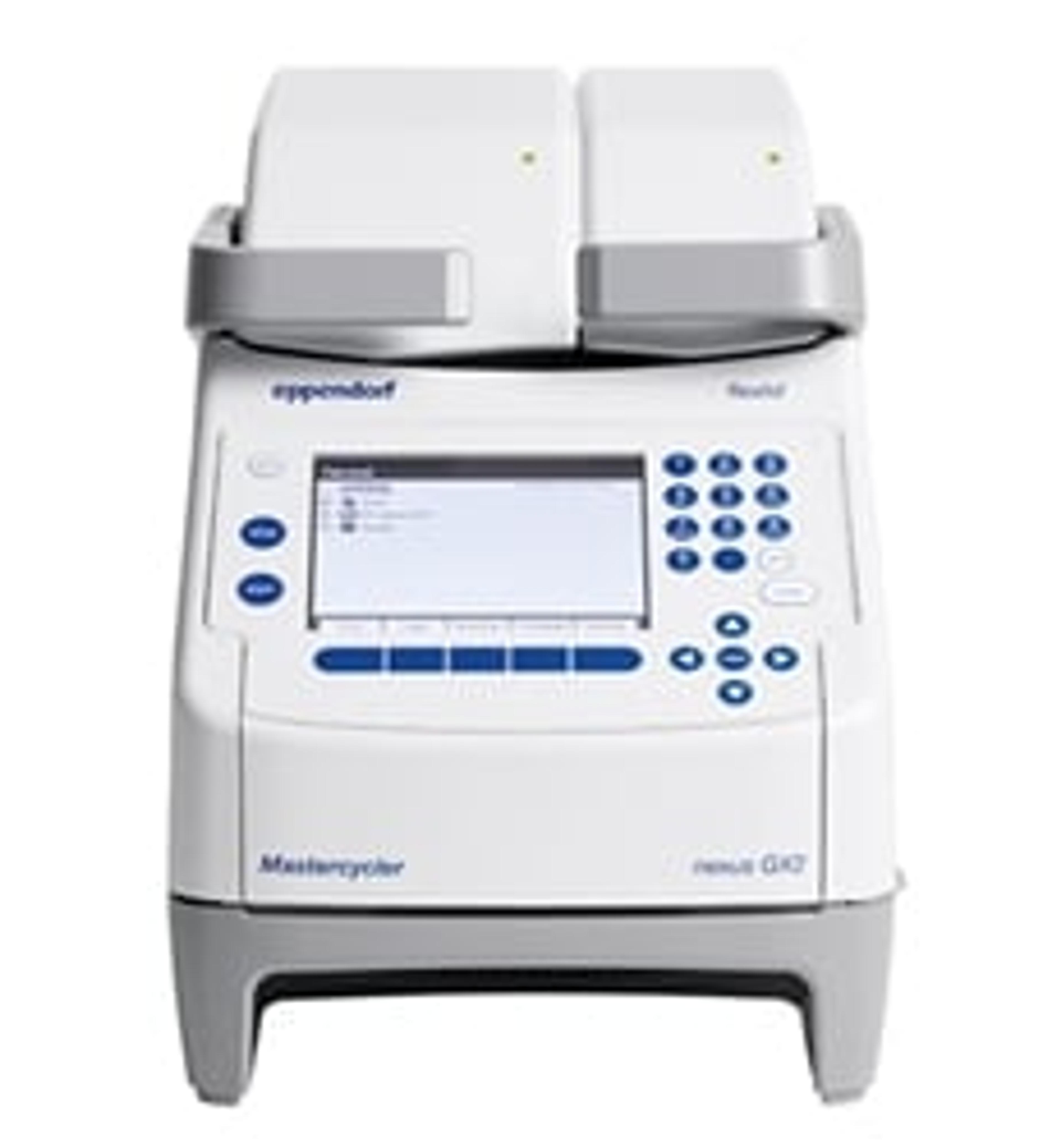
Mastercycler nexus X2 Thermal Cycler

Eppendorf

The Mastercycler nexus X2 gives you the ability to run two totally independent protocols at the same time. Smaller assays fit nicely on the 32-well-block — larger assays can exceed 48 samples and run on the 64-well-block. The larger block is available with a gradient function. As every member of the Mastercycler nexus family, the Mastercycler nexus X2 can be combined with all other family members in a network of up to 3 units. In combination with Eppendorf’s PCR Tubes, PCR Strips or divisible plates, the Mastercycler nexus X2 will give you consistent and publishable results — every day! Features: Large block for large assays — small block for small assays Intuitive graphic programming Universal block for strips, 0.1 mL, 0.2 mL and 0.5 mL PCR tubes Small footprint Optional gradient for PCR optimization E-mail notification Flexlid concept allows use of all types of consumables with automatic height adjustment of the lid Applications: Standard PCR Cycle sequencing Fast PCR Optimizing a PCR

(8)

Links

Tags

Sample PreparationSample preparation can improve the quality and speed of separation techniques. Products to assist sample preparation include filtration equipment, evaporators, membranes and sieves.Genome AnalysisGenomics, the study of genomes, includes functional genomics, evolutionary genomics and comparative genomics. There are many genomic technologies such as DNA sequencing of whole genomes, computational biology and bioinformatics. DNA and nucleic acids must be isolated and concentrated from cells for analysis with kits, automated analyzers and software. Other useful technologies for studying genomics include PCR, microarrays and electrophoresis.PCR and Thermal CyclingPolymerase chain reaction (PCR) kits and thermal cyclers are used for the in vitro amplification of DNA permitting subsequent analysis and experimental procedures. Explore a range of high-quality polymerase, primers and nucleotides or simplify your workflow with a PCR mastermix. Find reverse transcription PCR (RT-PCR) and cDNA synthesis kits for RNA products and libraries. Quantitatively measure the amplification of DNA with real-time PCR (qPCR) and droplet digital PCR (ddPCR) kits and systems, and discover automated PCR setup solutions to increase throughput. Alternative DNA amplification methods also include recombinase polymerase amplification (RPA) kits. Find the best PCR kits and thermal cyclers and purification equipment in our peer-reviewed product directory: compare products, check customer reviews and receive pricing direct from manufacturers.MicrobiologyMicrobiology is the study of microorganisms including protists, prokaryotes, fungi, and, often, viruses. Microorganisms are a useful research tool as genetic vectors and, in immunology, for antibiotic susceptibility testing, cellular biology and genetics. Microorganisms commonly grow readily in incubators with microbial culture media; this can contain chromogenic supplements to differentiate between cell lines. Estimate your culture’s density of microorganisms with colony counters, or screen and select colonies for desirable clones with automated colony pickers. Additionally, equipment is available to monitor environments for the presence of microbes and identify with microbial identification instruments. Find the best microbiology products in our peer-reviewed product directory: compare products, check customer reviews and receive pricing direct from manufacturers.Sample ManagementSample management systems include sample storage devices such as freezers and plate storers, sample environment enclosures and sample organization, retrieval and sorter systems. Useful system features include high-throughput, automation, robotic arms, automated liquid handling and associated database systems. Accessories in sample management include barcode scanners, heat sealers and tubes.DNA / RNA Extraction and PurificationPurified DNA and RNA are required for numerous downstream molecular biology applications. Consequently, the importance of high-quality DNA/RNA extraction and purification equipment cannot be underestimated. Many purification kits are available and are typically optimized for nucleic acid type and source, including plasmid DNA, genomic DNA, mRNA, RNA and viral nucleic acid purification kits. Automated extraction and purification of nucleic acids can be implemented with magnetic bead separator instruments or high-throughput purification workstations. Find the best DNA/RNA extraction and purification equipment in our peer-reviewed product directory: compare products, check customer reviews and receive pricing direct from manufacturers.DNA SequencingDNA sequencing, such as sanger sequencing, is a biological technique that determines the precise order of nucleotide bases in a fragment or template of DNA. DNA sequencers and genetic analyzers are based on capillary electrophoresis, where labeled DNA fragments are electrophoretically separated by size as they migrate through a polymer. Find the best DNA sequencing products, including DNA sequencing kits, genomic libraries and genetic identity kits in our peer-reviewed product directory: compare products, check customer reviews and receive pricing direct from manufacturers.Environmental Monitoring and TestingEnvironmental monitoring and testing uses handheld portable analyzers, kits, spectrometers or chromatography systems for air, water, soil, food and other sample testing. Useful features of analyzers such as BOD and COD include portability, easy calibration, automation and sensitivity.  Environmental test kits for pH, water, moisture, etc, should be accurate, sensitive, reliable, fast and easy to use.Gene Expression and Molecular CloningMolecular cloning is a set of techniques that utilizes vectors to transfer recombinant DNA into host cells and is an essential tool for investigating the expression of genes and proteins in bacterial or mammalian cells. A variety of vectors optimized for gene cloning and expression in a range of host organisms are available, alongside competent cells for genetic replication. Here, you can explore a range of molecular tools, high-quality genomic and cDNA libraries, premade clones, transformation and transfection reagents and mutagenesis or gene expression detection assays and expression arrays. Find the best gene expression and molecular cloning products in our peer-reviewed product directory: compare products, check customer reviews and receive pricing direct from manufacturers.BiomarkersBiomarkers are biological markers which can be measured and evaluated to indicate a biological state. The use of biomarkers in research and diagnosis can indicate a normal or disease state or drug response of cells / tissues. Biomarkers include genetic markers, cell surface markers such as antigens, antibodies or receptors and secreted molecules such as cytokines. An assay system is required for identification of biomarkers. :Robotic InstrumentsRobotic instruments can be used for high-throughput automation of many lab processes. Such processes use instruments for assays like cell based assays and ELISA, for sample preparation like shakers, centrifuges and incubators, and for analysis such as sequencing and western blot analyzers. Useful features of robotic instruments include speed, reproducibility, barcode readers, software and automation.Clinical GeneticsMolecular Genetics covers the analysis of hereditary genetic disease and chromosomal abnormalities. Genetics can be analysed using DNA, RNA, and protein microarrays, PCR, RT PCR and DNA sequencing. Genetic equipment includes genetic workstations, thermal cyclers, cooling blocks and electrophoresis products. Diagnostic kits are used for DNA / RNA extraction and purification.Safety EquipmentLaboratory safety equipment is essential to the effective operation of all laboratories and is required to minimize the risk of harm during experiments. Safety equipment includes radiation safety, radioactive / hazardous waste disposal, alarms and personal safety.Evidence Collection and AnalysisEvidence Collection and Analysis is the retrieval and subsequent investigation into criminal evidence obtained from a crime scene. Forensic genetic instruments, kits and reagents enable the analysis of evidence collected  at the crime scene. Reagents and kits for presumptive analysis for body fluids such as blood, saliva and semen in addition to drugs and narcotics test kits are used for CSI. Fingerprinting equipment, forensic light sources, casting kits and equipment for collecting recoverable materials can be found in the directory.DNADeoxyribonucleic Acid (DNA) is the main component of chromosomes and the carrier of genetic information of living organisms. Find out here about PCR, NGS, ChIP-Seq, gel imaging, and many other techniques which can be used for the analysis of DNA.