
HPLC masterclass: How to increase productivity and reduce downtime
In this on-demand webinar, Marc Fuehrer explores the different barriers associated with HPLC productivity and how to overcome these
27 Jan 2022
Expert insights

A loss of instrument performance over time is one of the major contributors to HPLC downtime and increased operational costs. The ability to identify and address problems from the outset can result in fewer unexpected repairs of the LC system, which leads to an overall reduction in repair costs, and consequently, fewer instrument downtime days.
In this SelectScience webinar, now available on demand, Marc Fuerher, senior product manager at Agilent Technologies, discusses how applying regular system maintenance can improve HPLC productivity. Fuerher further discusses how to optimize your analysis and reduce instrument downtime using key Infinity Lab supplies on your LC instrument.
Watch on demandThink you’d benefit, but missed the live event? Register now to watch the webinar at a time that suits you or read on for highlights from the Q&A session.
How much maintenance should a lab do per year?
MF: Typically, our recommendation is to do at least one preventive maintenance per year. Every 12 months when you're using your instrument regularly, it's recommended to change parts in the pump and your autosampler. If you're using your instrument more heavily, perhaps you can schedule your maintenance every nine or six months.
Should labs have maintenance parts on stock, or should they order them when a problem occurs?
MF: My recommendation would be to have all maintenance parts on stock, and then at Agilent we can order new parts for you when needed. At Agilent, we have a quick reference guide for all Agilent instruments, and this contains a list of all relevant parts that you should have on stock near your instrument.
What is a checkout sample? Is this the same as an internal control?
MF: At Agilent, when we speak about a checkout sample, it is an internal control that is delivered with the instrument. The checkout sample is used to verify that the pump is pumping, the sampler is injecting, and the detector is detecting. You can order this product on the Agilent website and it's ready to inject to verify that your instrument is working under optimal conditions.
How often do you suggest filter replacement?
MF: It's very difficult to give a time frame for filters because it will be based on the application and the usage of your system. A good indicator of when a filter needs replacing is when you see some changes in your chromatography, such as tailing, fronting, or if you see a change in your pressure. In this case, you should start to think of replacing or cleaning the filter of concern. When testing filters to find which is causing the issues it is best to start with the last filter in the flow path.
When should I change my injection needle in my LC-MS?
MF: Normally, we say after several thousands of injections, you should change your needle. However, if the needle is not damaged or if the needle seat is not damaged, you have no reason to change it. One symptom that suggests you may need to change your needle is if you start to have some carryover. If you have some ghost peaks, that is also an indicator the needle needs changing. Also, important to remember is the needle and needle seats must be changed together.
What is the best practice when I have batches of samples that run for 23 hours?
MF: If the system is on, just leave it on. Switching off for one hour is not so relevant. If you're not using buffers in high concentrations, you can switch the flow off in that case. But you must be sure when you turn your flow on again that you rinse with water to remove all the buffer and trace materials.
How can you maintain the LC system and columns when not in use for long periods?
MF: Flush your column and system after use. When storing the column remove the column from your flow path and put the closing pins on both sides to ensure that you have no air coming into your column. Make sure to change columns for different applications.
Watch the full webinar here>>
SelectScience runs 10+ webinars a month across various scientific topics, discover more of our upcoming webinars>>
Related products
Request Quote for All Products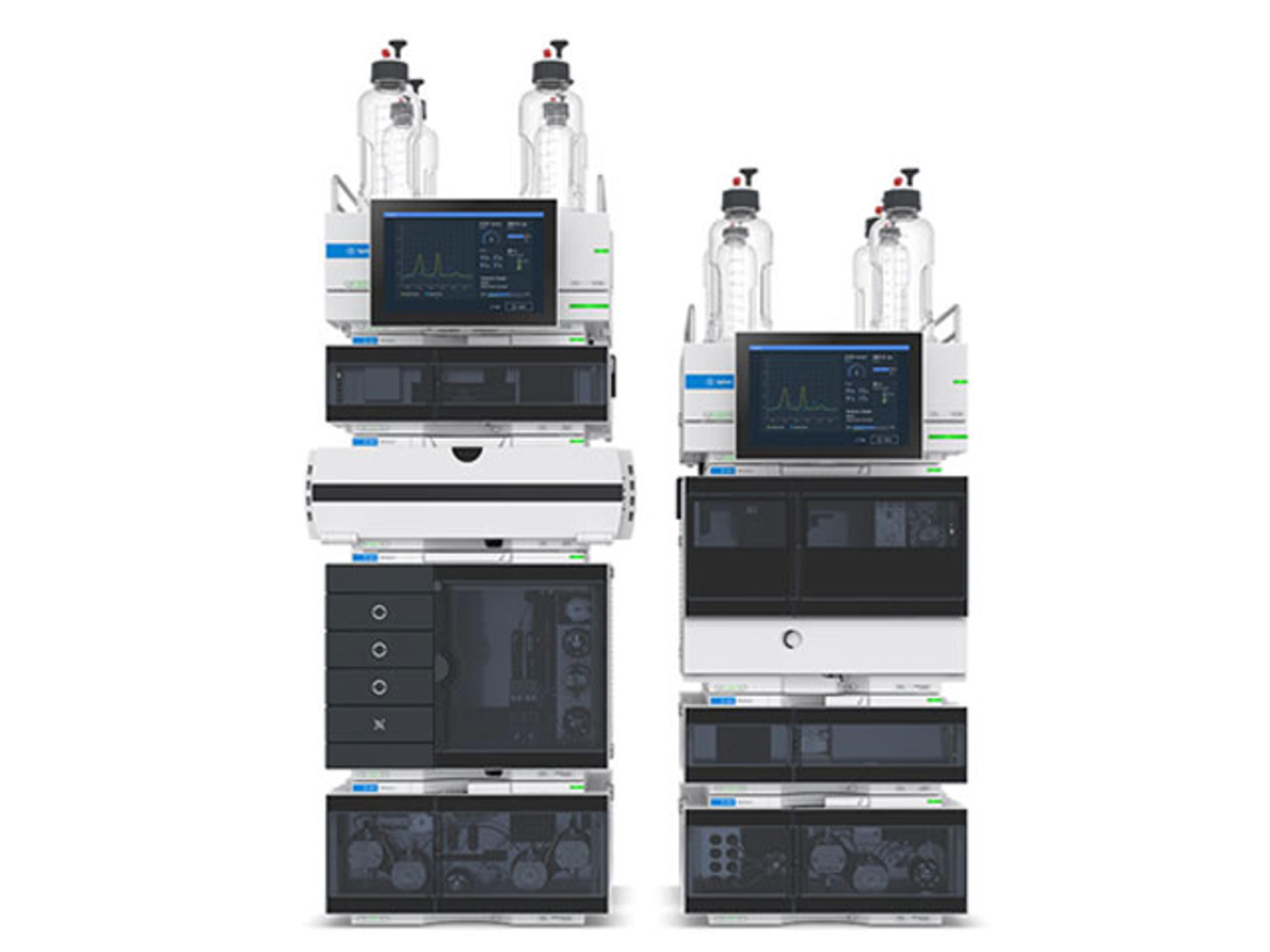
Agilent Analytical HPLC Systems
Agilent TechnologiesWhether you need assistance with your daily HPLC routines, confidence in your HPLC results, protection for your HPLC investments, or support for your sustainability goals, Agilent HPLC & UHPLC products can help achieve your lab's HPLC objectives both today and tomorrow.