
How to restart your cell research in the wake of COVID-19
Top tips and best incubator decontamination practices for a safe and successful return to cell cultivation
30 Sept 2020
Editorial article
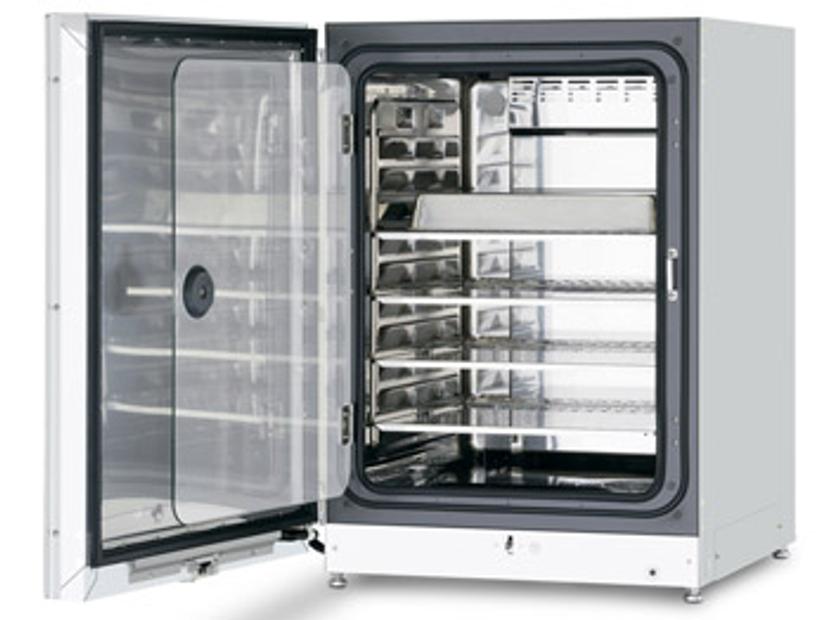
With laboratories around the world eager to resume operations following full or partial closures during the COVID-19 pandemic, effective decontamination practices are more important than ever to ensure a safe, efficient and contaminant-free return to the lab.
For cell culture laboratories who have halted their experiments, these include not only general safety practices such as disinfection and personal sanitation protocols, but also effective methods to restart and decontaminate their incubators in preparation for bringing frozen cells out of hibernation.
In this article, we explore the incubator decontamination methods available for PHCbi incubators and find out how these are designed to help meet the specific sterilization goals of unique research projects.
Decontamination methods: A fresh start for thawed cells
Incubators are designed to provide an ideal environment for cell culture propagation, but when dormant or left unchecked, also provide favorable conditions for the growth of microbes. When restarting an incubator, the hazardous potential of these contaminants merits a rigorous decontamination process to completely eliminate all microbial life within. Incubators from PHCbi offer automated methods to streamline this task, and feature three main cycles:

Vaporized hydrogen peroxide cycle (H2O2)
Yields a 6-log reduction of contaminants
Can be completed in under 3 hours

180°C high-heat sterilization cycle
Provides comprehensive interior decontamination within 12 hours
Energy-efficient process that doesn’t require removal of the CO2 sensor and UV light in the incubator

24-hour UV cycle
Allows researchers to harness the trusted antimicrobial power of ultraviolet light over a 24-hour cycle
Which method is best for your research?
Vaporized hydrogen peroxide cycle
PHCbi’s unique vaporized hydrogen peroxide cycle was created to comply with GMP and GLP criteria imposed by regulatory agencies or process manuals. It provides an ideal solution for clinical trials and laboratories looking to prevent contamination and cross-contamination events.
The technology is based on the well-documented efficacy of the increasingly popular hydrogen peroxide vapor decontamination technique often used for the decontamination of biological safety cabinets, environmental chambers and other enclosures, including hospital rooms. When deployed with a UV lamp designed into the PHCbi incubator, the process is safe, effective and significantly faster than conventional high-heat decontamination solutions.
180°C high-heat sterilization cycle
This method is advantageous for research and bio-production laboratories that are standardized on high-heat sterilization incubators for their processes, as well as those that prefer to run the cycle overnight.
The high-heat sterilization cycle is controlled through the incubator microprocessor control system which manages time and temperature for a trusted method of sterilization at 180°C (355°F). An integrated auxiliary sterilization system is utilized together with the incubator cultivation heaters to provide an effective, energy-efficient sterilization process. During this, the thermal cabinet insulation maintains lower exterior cabinet surface temperatures and minimizes heat transfer to the lab and other surrounding equipment.
24-hour UV cycle
For this cycle, all cultures and interior incubator components are temporarily removed to allow the SafeCell UV to decontaminate the chamber’s contents. The SafeCell UV decontamination system arrests and destroys contaminants within the incubator chamber and is based upon an isolated, narrow bandwidth (253.7nm), ozone-free UV lamp interlocked with the incubator door.
This approach is intended for those labs running additional decontamination cycles in between bi-weekly/monthly H2O2 or heat sterilization cycles.
How to safely restart your incubator
Eager to resume your cell research? This infographic guides you through three essential steps to ensure your incubator is ready to receive cultured cells, download it for free here.

Video case study: Dr. Gerhard Bauer, from the UC Davis Institute, highlights his current work on the production of CAR-T cells and explains how the MCO-170AICUVDL-PA automatic high-heat sterilization CO2 incubator by PHCbi has been critical to ensuring his laboratory’s gene therapy products are safe and contamination-free for patients. Watch the full interview here.
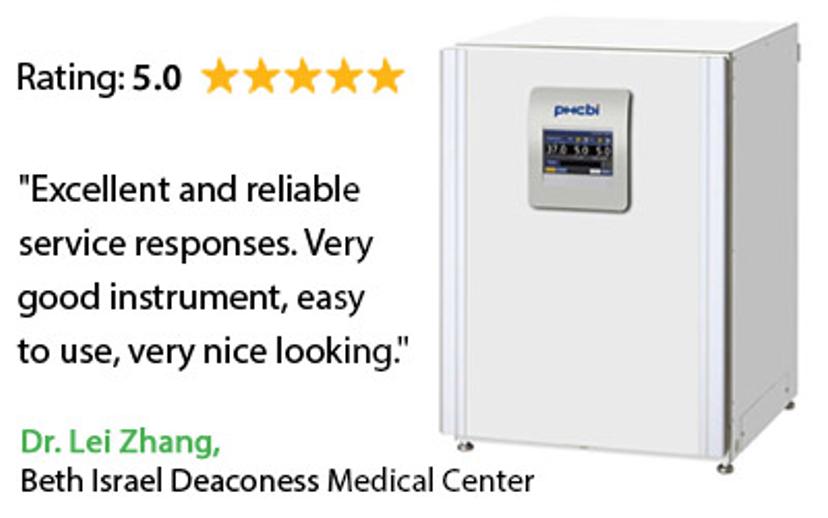
Recommendations:
Take a look at what other researchers and scientists are saying about PHCbi incubators. Dr. Lei Zhang, from the Beth Israel Deaconess Medical Center, a teaching hospital of Harvard Medical School, shared his opinion on the MCO-170MUVH IncuSafe Multigas Incubator.
Check out the range of incubators available from PHCbi here.
Do you use PHCbi products in your lab? Write a review today for a chance to win a $400 amazon gift card >>
Related products
Request Quote for All Products
MCO-80ICL-PA
PHC Corporation of North AmericaOptimizes cell culture outcomes and reproducibility. 30.1 cubic feet.
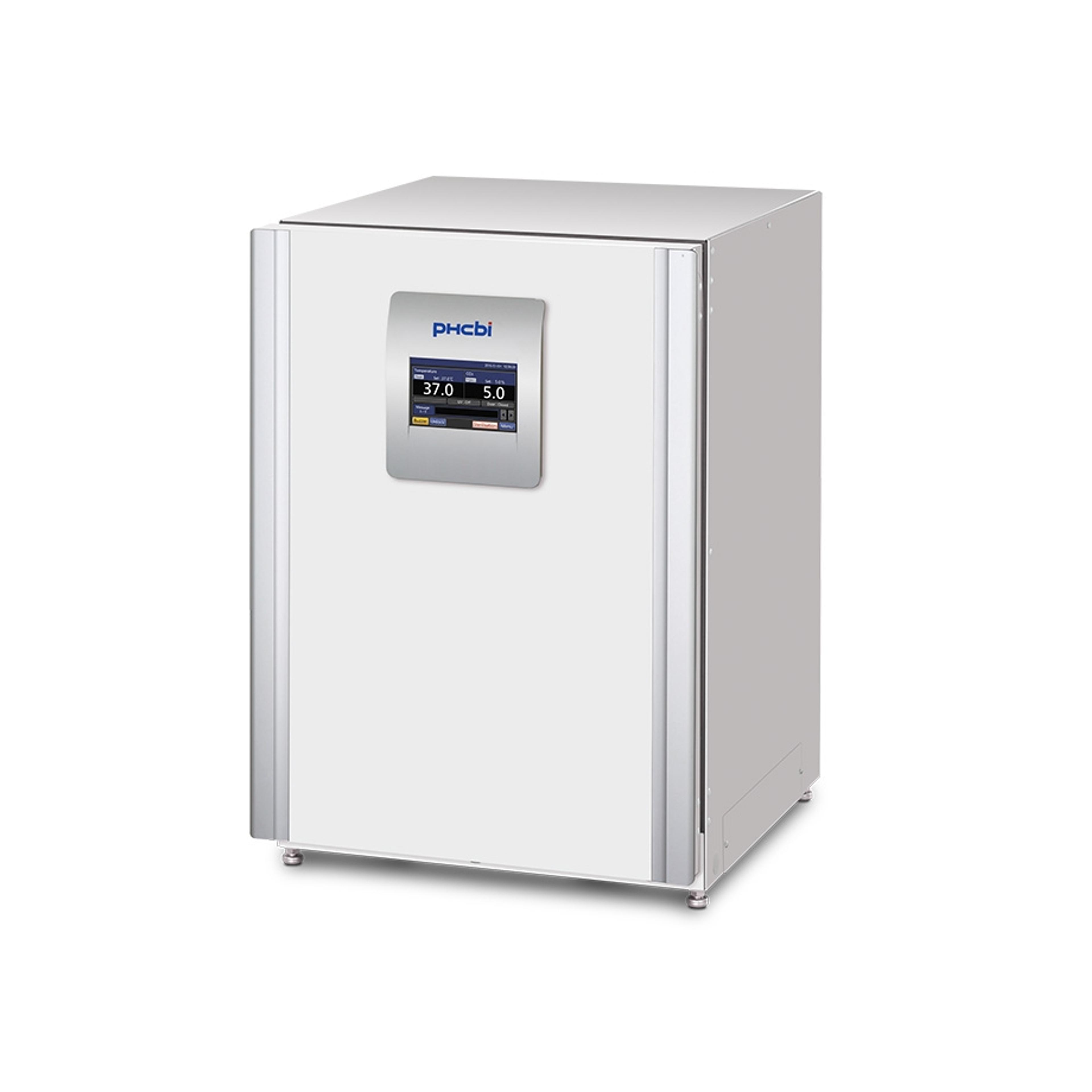
MCO-170AICUVDL-PA
PHC Corporation of North AmericaOptimizes cell culture outcomes and reproducibility. 5.8 cubic feet.
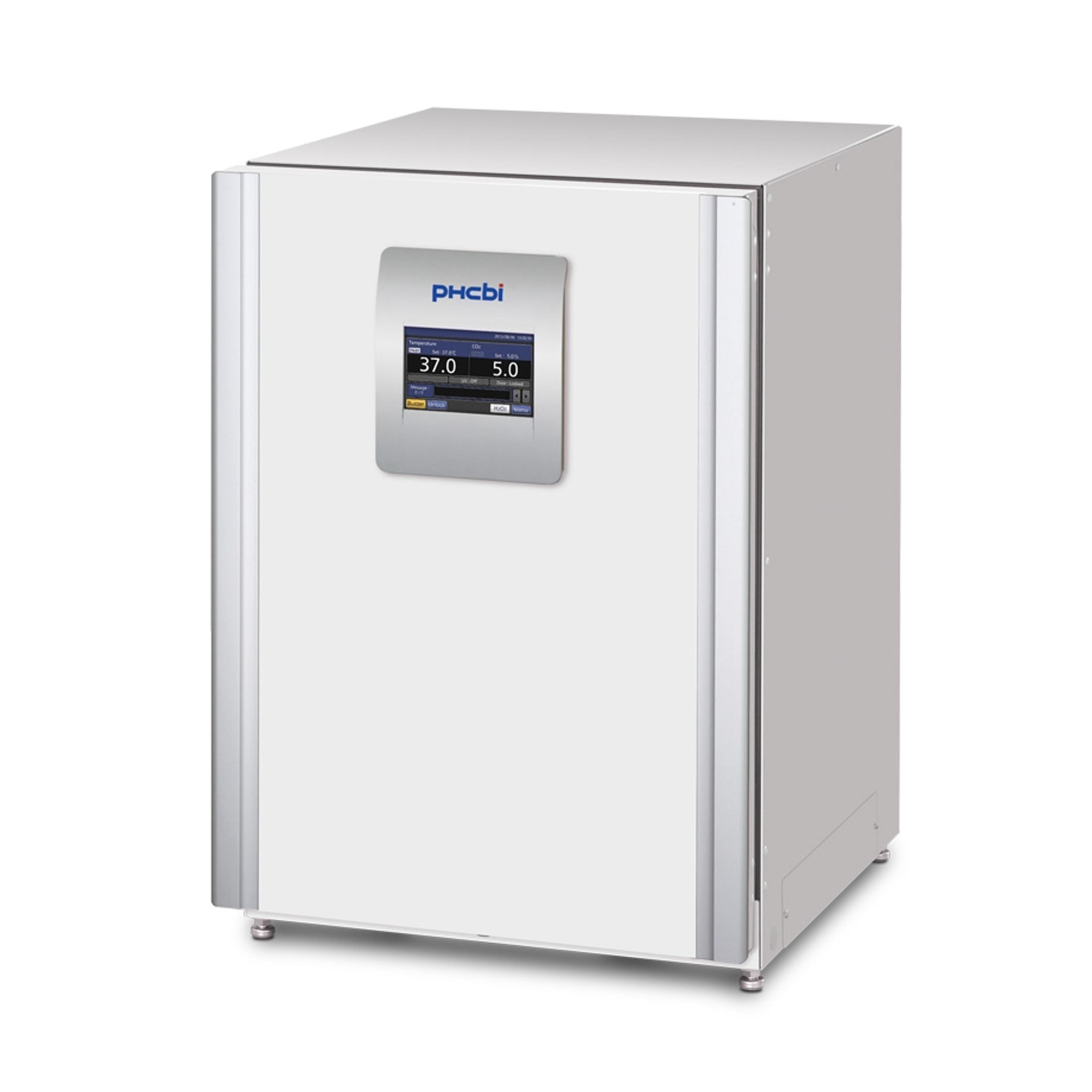
MCO-170AICUVHL-PA
PHC Corporation of North AmericaOptimizes cell culture outcomes and reproducibility. 5.8 cubic feet.