
How to navigate the dynamic field of spatial biology
This feature explores the latest spatial biology research and the technology driving these breakthroughs
25 Mar 2024

What is spatial biology?
In spatial biology molecules are examined within intricate 2D and 3D frameworks. The field employs a wide range of techniques, including multiplexing, high-resolution imaging, and advanced microscopy, to enhance the comprehension of cellular interactions. However, spatial biology extends beyond mere observation; it involves predictive modeling and innovation, potentially revolutionizing approaches to immunotherapy and personalized medicine. Utilizing multi-omics methodologies, such as transcriptomics, proteomics, and genomics, researchers can untangle the complexities of diseases like cancer, neurodegeneration, and infectious diseases.
Whether you are an academic researcher, a scientist in drug development, or part of the biotech and biopharma sectors, this feature offers valuable insights into the forefront of spatial biology.
Innovators transform the spatial biology workflow

How spatial biology is unveiling new dimensions in research
In this interview, Dr. Ana de Oliveira, Director of the Spatial Biology Core and Assistant Professor of Pathology at the University of Virginia, shares how spatial biology is enabling analyte expression to be contextualized with its location within tissues on a large scale – for the first time ever.

Spatial biology techniques in tumor microenvironment analysis
In this editorial, Dr. Hinda Najem, of Northwestern University, shares her work using spatial proteomics techniques and the latest cutting-edge tissue profiling technologies - with help from COMET™ by Lunaphore Technologies - to study both primary and metastatic cancers of the central nervous system.
How to achieve high-precision tissue staining
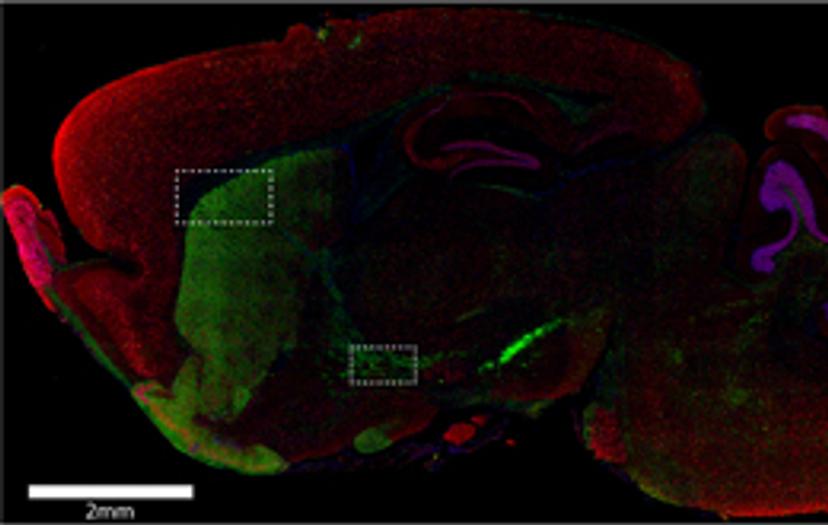
In this resource, discover how Jackson ImmunoResearch AffiniPure-VHH™ Secondary Antibodies combine the specificity of minimally cross-reactive antibodies with the unique penetrative capabilities of the small VHH fragment format.

Elucidate complex biological mechanisms via microscopy
Location is key to understanding biological mechanisms, from the inner workings of subcellular components to how cells form and interact. In this guide, explore key microscopy techniques across the spatial biology workflow and learn more about the Cell DIVE Multiplexed Imaging Solution by Leica Microsystems.
‘Google Maps’ for the human body
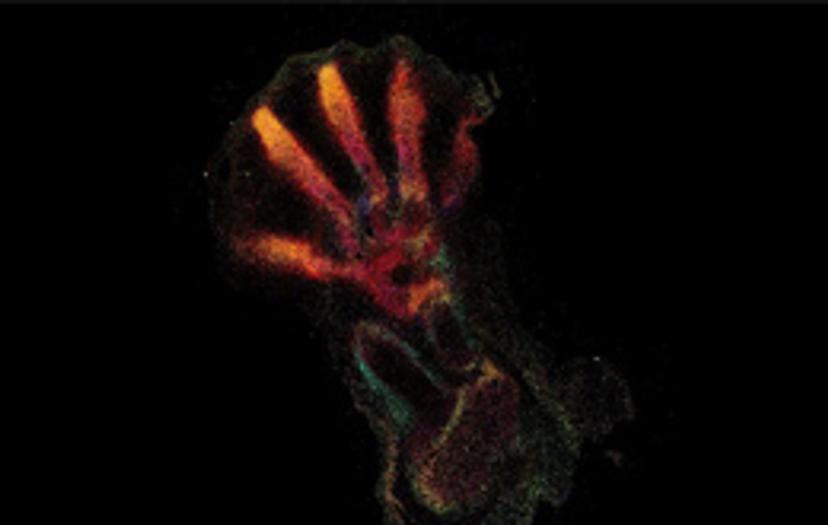
In this interview, learn about the Wellcome Sanger Institute’s contribution to the Human Cell Atlas, including the development of cutting-edge technologies to further our understanding of the human brain and the role of cell diversity in neurological disease.
Spatial phenotyping without compromise
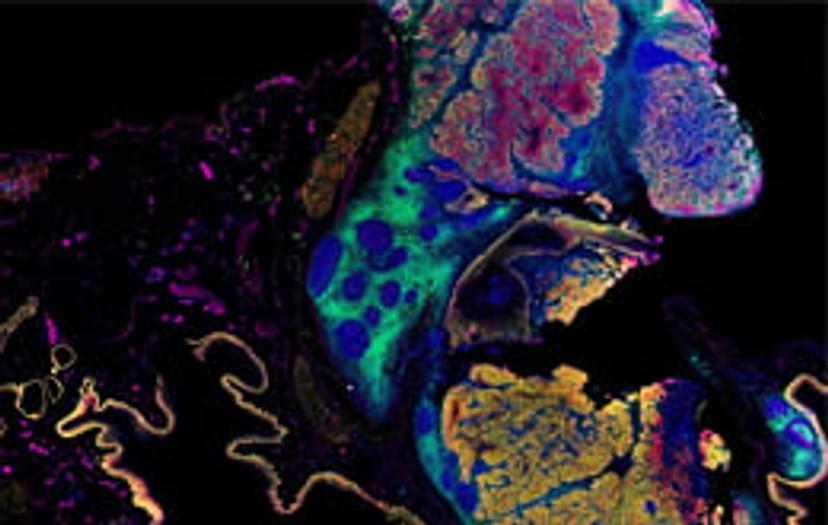
This free guide explains how innovative spatial phenotyping approaches can deliver advances in automation, efficiency, tunability, and speed that are set to transform how we study tissue biology.
Automated technology accelerates tissue-based research
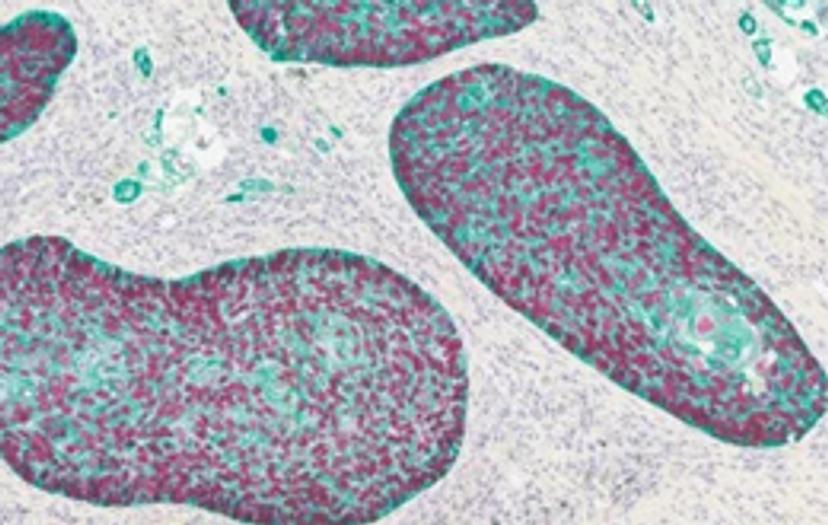
In this article, two spatial biology experts shed light on the importance of automated tissue-based workflows to perform high-throughput, single-cell, and spatial multi-omics with minimal user input. They also highlight the role of innovative collaborations.
Technology reviews advance spatial biology researchers
Find out what spatial biologists around the world are saying about the products they use, including Joaquim Vong, The Chinese University of Hong Kong (CUHK), who shared his thoughts on the Visium CytAssist from 10x Genomics.
A major step forward in the field of spatial omics. Can allow users to submit samples in the form of slides.
Joaquim Vong
CUHK

If you have a favorite spatial biology solution, leave a lab product review to help other scientists and clinicians find the best products to accelerate their research.