
How to Maintain Your Centrifuge
9 Dec 2016
Editorial article
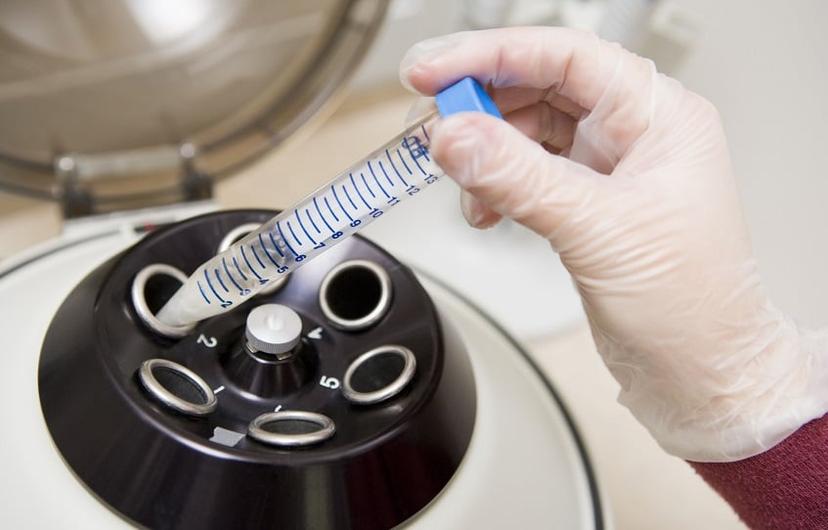
Correct centrifuge maintenance, protects your investment.
Purchasing a new centrifuge is a big investment. They can be costly, but with the correct maintenance centrifuges have a lifetime of ten years or more. However, without proper care, not only will the lifespan of the device be reduced, but operation will also be inefficient and may even be dangerous. NuAire has produced a white paper to help you protect your investment. Read on to discover an overview of the best practices and tips to help ensure the maintenance of your centrifuge.
1. Identify your centrifuge’s vulnerabilities
By design, centrifuges are made up of moving parts, which interact with very tight tolerances. Locate the areas where airborne debris can easily collect such as greasing points, hinges and shock absorbers.
2. Perform regular checks and inspections
Users should inspect the instrument before, during and after use. Before use, one key warning sign is the presence of any oily or unusual substances, which could indicate a pending failure or misapplication of lubricant.
3. Watch out for potential problems during day-to-day use
Keep an eye out for unusual shaking, air release, discharge of substances, or the centrifuge not achieving full operating speed. There are a variety of problems which could arise during use; if you notice something out of the ordinary immediately turn the power down, to minimize further damage.
4. Prevent problems with regular cleaning and lubrication
The best preventative actions are cleaning and lubrication, removing any substance which could cause wear and ensuring all parts can move at the optimal speed. It is vital that any cleaning is carried out with materials recommended by the manufacturer.
5. Create a maintenance culture within your lab
To ensure all users are focused on the product’s maintenance, create a ‘culture of maintenance’. This is most effective when led from the top, with education and training on why and how maintenance is carried out regularly.