How to Get the Most From Your Protein Quantification

Register for this expert webinar to find out how solutions from Unchained Labs can help improve your protein quantification and analysis

12 May 2019

Charlie Carter
Life Sciences Editor

Expert insights

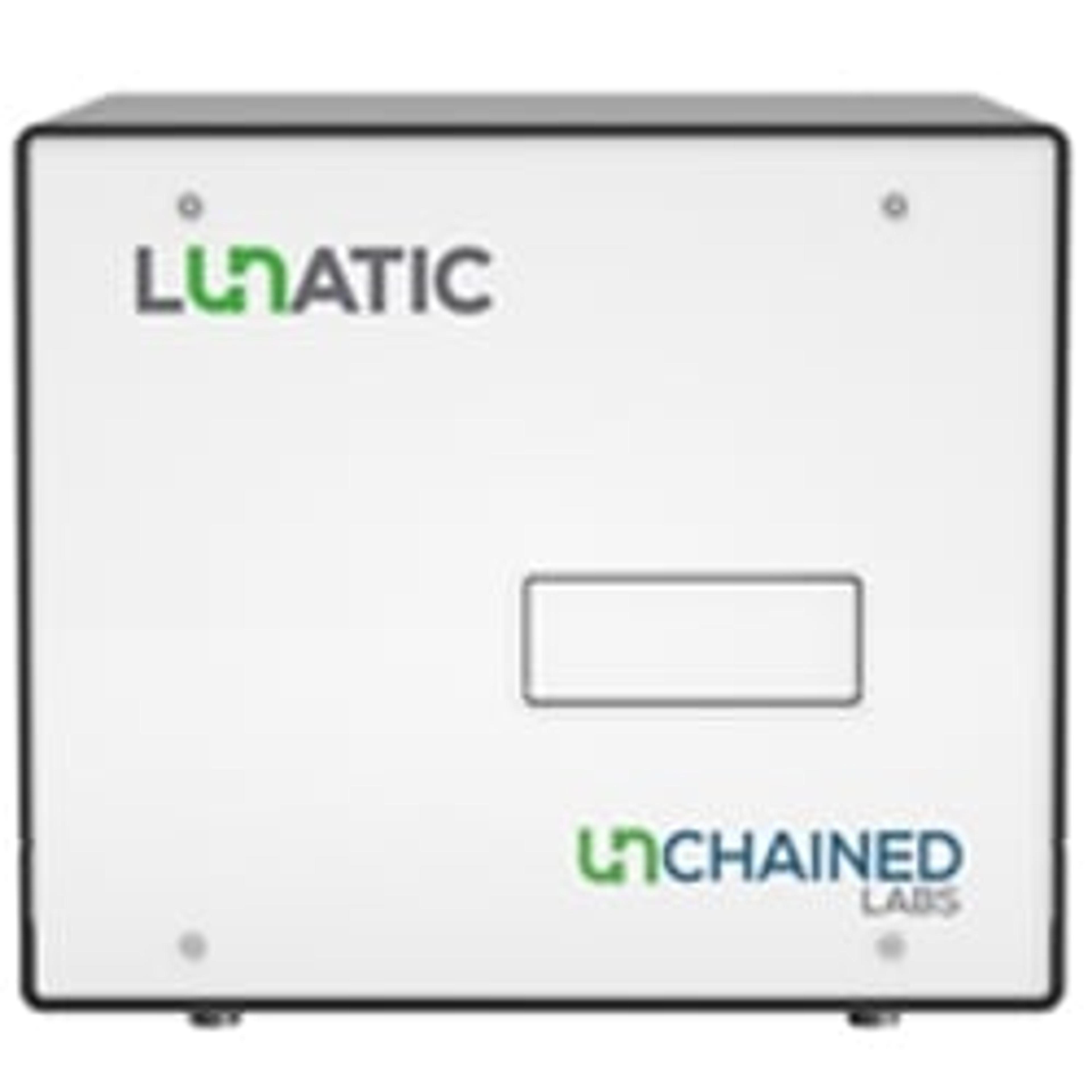
Collecting quantification and characterization data of biologics often requires a large amount of protein and multiple instruments. In this SelectScience webinar, Lisa Adamiak from Unchained Labs shows how Lunatic can make batch-wise concentration measurements a breeze. By using just 2 µL of sample, Lunatic eliminates dilution steps and cross-contamination risks, and can measure up to 96 samples in just 5 minutes, even at high concentrations.

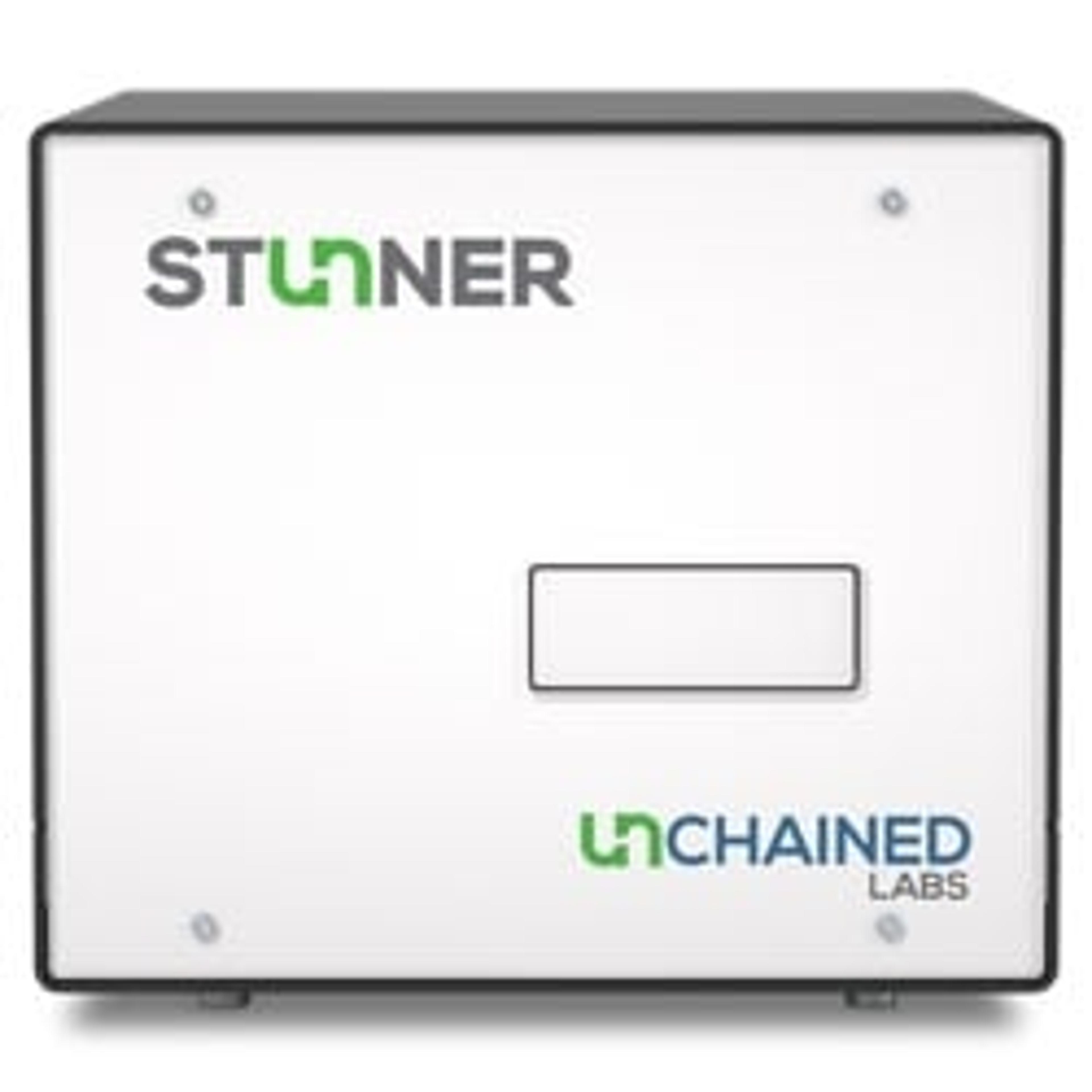
Want to take your protein quant up a notch? Stunner merges all the cool things Lunatic can do with DLS on a single platform. Along with concentration, Stunner enables you to measure the expected size and polydispersity, and aggregation propensity, of your proteins in one shot. Experts will also discuss how you can create your own applications on Stunner to customize the data output the way you want.

REGISTER NOW

Watch this webinar to learn about:

  • How to perform advanced UV/Vis analysis to quantify proteins
  • How simultaneous DLS measurements add value to protein quantification
  • How to measure the aggregation propensity of your proteins with light scattering

The live webinar takes place on Tuesday, May 28, 2019, at:

  • 16:00 BST
  • 11:00 EDT
  • 08:00 PDT
  • 17:00 CEST

Scheduling conflict? No matter, register to receive an on-demand link to watch later>>
Links

Tags

Data AnalysisData analysis hardware and software is available to make data processing straight-forward yet powerful. Data software can be used for math and stats, technical graphing and image analysis. In addition, software is available for specific data analysis of electrophoresis, densitometry, ELISA and DNA sequencing.Microplate Readers / DetectorsMicroplate readers are used to automate the detection and analysis of labeled or label-free components in microplates during assays or live-cell monitoring. Microplate readers are generally distinguished by their mode of detection. Types include absorbance, luminescence, fluorescence intensity, fluorescence polarization, TRF / FRET and multimode microplate readers. Microplate readers deliver a high throughput of samples by reading multiple wells simultaneously, with the 96-well format the most commonly used. As a result, microplate readers are often used in the drug discovery, bioassays, research and pharmaceutical industries for screening applications. Microplate loading can also be automated, with robotic microplate stackers to increase throughput. Find the best microplate readers in our peer-reviewed product directory: compare products, check customer reviews and receive pricing direct from manufacturers.Protein QuantificationThe detection and quantification of proteins in a sample is vital across life sciences, pharmaceutical research and clinical diagnostics, and a variety of equipment is available to scientists to simplify the workflow. Proteins of interest can be easily labeled and detected on light-based detection instruments. Immunoassay kits allow you to identify a specific protein of interest and protein detection beads or antibody microarrays allow you to identify multiple specific proteins at once. Protein interactions and enzyme activity can also be monitored with protein-protein interaction assays. Additionally, the biophysical characterization of proteins is made easy with biokinetic analyzers. Find the best protein detection and quantification products in our peer-reviewed product directory: compare products, check customer reviews and receive pricing direct from manufacturers.Laboratory ManagementLaboratory management involves overseeing the operations of a lab, ensuring compliance with safety regulations, optimizing workflows, and maintaining equipment. Efficient lab management is key to ensuring accurate results and minimizing downtime. Technologies like laboratory information management systems (LIMS) and automated lab equipment are helping labs streamline operations. Browse our peer-reviewed product directory to find the best laboratory management tools, compare products, read reviews, and get pricing directly from manufacturers.Microplate Reader Software