
How to Double Your IDs for Single-Cell Proteomics Using µPAC™
Join this webinar to find out how you can use micro pillar array chromatography columns (µPAC™) to improve the sensitivity of low-input proteomic samples
29 Apr 2019
Expert insights
Recent technological innovations focus on profiling complex systems at the single-cell level. The rapidly advancing field of single-cell proteomics aims at comprehensively quantifying protein expression levels from individual mammalian cells, complementing single-cell transcriptomics and genomics analyses. A single mammalian cell contains about 0.3 pg of protein, which is 1,000 times less than what is commonly used in proteomics analysis. Robust analysis of very low input samples poses one of the key challenges to the development of new mass spectrometry-based proteomic workflows, including sample preparation techniques and instrumentation.
This upcoming SelectScience webinar will explore the potential of newly emerging chromatographic technologies to significantly improve sensitivity for low-input proteomics samples, as well as providing detailed experimental results as evidence.
REGISTER NOWWatch this webinar to learn about:
- The principles of micro-chip-based pillar array chromatography columns (µPAC™)
- The benefits and separation performance of µPAC™ columns for the analysis of complex and limited biological samples
- How to achieve record protein and peptide identifications data using µPAC™ chromatography for single-cell proteomics in comparison to conventional columns
- The unrivalled retention time stability features of µPAC™ in comparison to conventional columns
- The compatibility of the µPAC™ trapping column with the µPAC™ analytical
The live webinar takes place on Monday, May 13, 2019, at:
- 15:00 BST
- 10:00 EDT
- 07:00 PDT
- 16:00 CEST
Karl Mechtler, head of the VBCF (Vienna BioCenter Core Facilities) mass spectrometer pool and the Research Institute of Molecular Pathology (IMP)/Institute of Molecular Biotechnology (MBA)/Gregor Mendel Institute of Molecular Plant Biology (GMI) mass spectrometry facility in Vienna, Austria, will present record protein identification data generated with PharmaFluidics' µPAC™ columns for single-cell proteomics analysis. Geert Van Raemdonck, global field support expert at PharmaFluidics, will also give an introduction on the principles of micro Pillar Array Columns (µPAC™) and their benefits.
Scheduling conflict? No matter, register to receive an on-demand link to watch later>>
Related products
Request Quote for All Products
µPAC™ Trapping column
PharmaFluidicsOur µPAC™ Trapping column was developed with an identical stationary phase support morphology, matching perfectly the retentive properties of our analytical µPAC™ columns. Effectively desalting and preconcentrating the analytes improves the analytical column lifetime and workflow throughput.
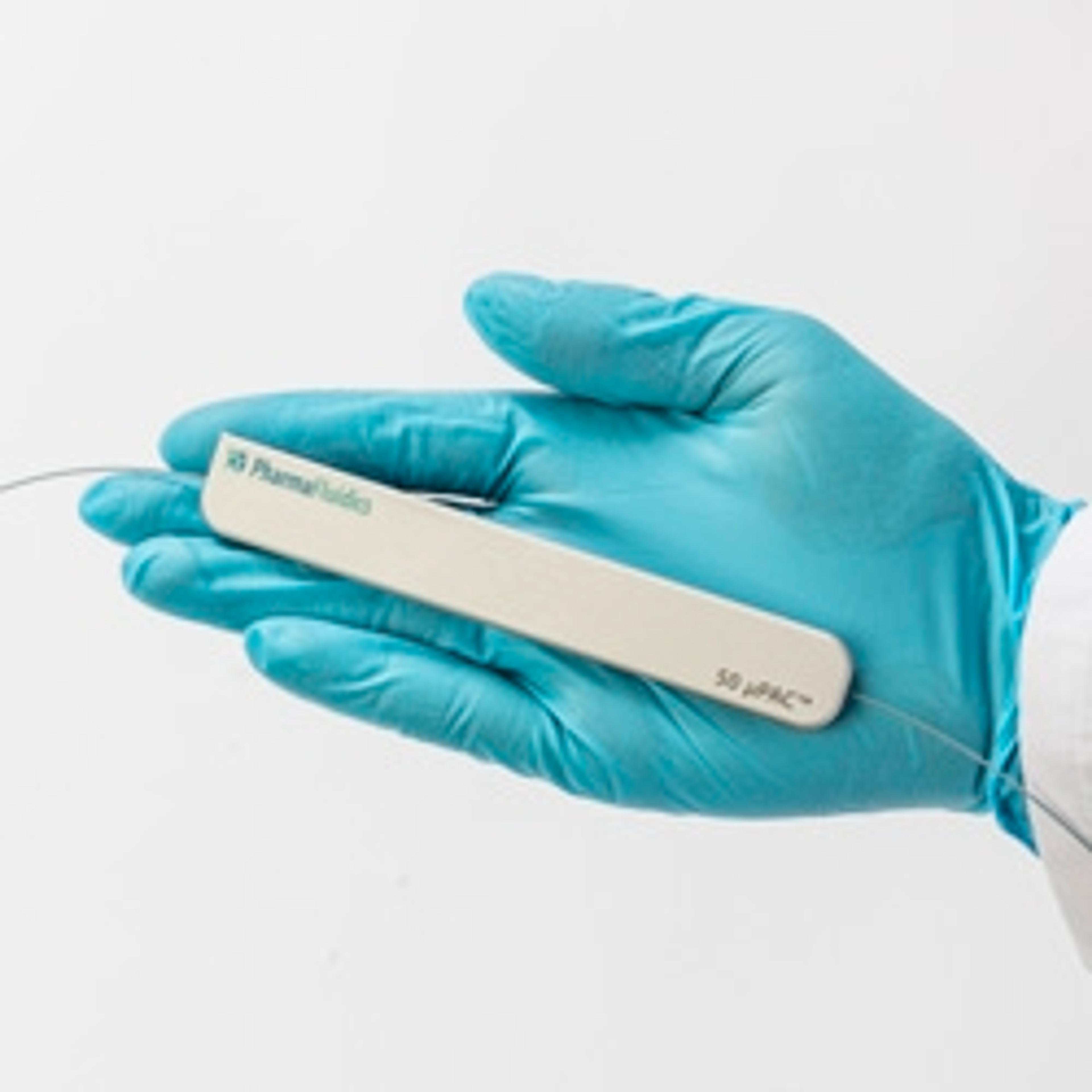
50 cm µPAC™ column
PharmaFluidicsWith an internal volume of 3µL, this 50 cm long RP-C18 µPAC™ column is perfectly suited to perform high throughput analyses with shorter gradient solvent times (30, 60 and 90-minute gradients) and it can be used over a wide range of flow rates, between 100 and 2000 nL/min. µPAC™ column, 50 cm length, with pillar array backbone at interpillar distance of 2.5µm, C18.
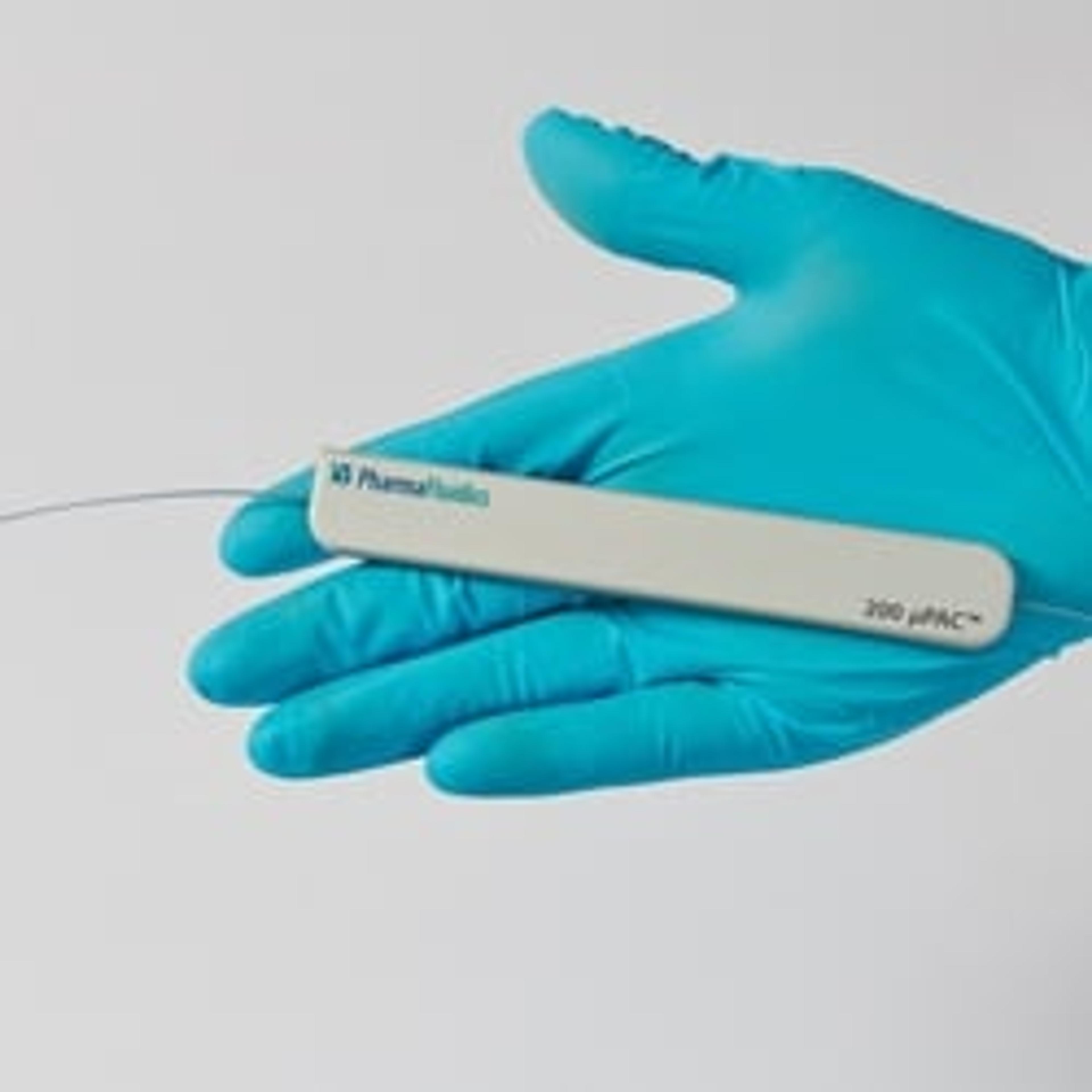
200 cm µPAC™ column
PharmaFluidicsAs an alternative to conventional columns, PharmaFluidics offers micromachined nano-LC columns or micro Pillar Array Columns (µPAC™). These µPAC™ columns display exceptional separation properties with unprecedented peak capacity and narrow peak shapes at low operating back-pressure. µPAC™ column, 200 cm length, with pillar array backbone at interpillar distance of 2.5µm, C18.