
How LGC uses ICP-MS to overcome the challenges of elemental impurity testing in pharmaceutical products
Dr. Sarah Singh explains how her team works to protect public health by screening everything from tablets to e-cigarettes for up to 70 metals
13 Feb 2020
Editorial article
In this SelectScience interview, we speak with Dr. Sarah Singh, principal scientist at LGC, about the importance of elemental impurity testing and reveal how LGC’s unique services help overcome the various challenges associated with it. Dr. Singh discusses her work using inductively coupled plasma mass spectroscopy (ICP-MS) to investigate impurities within a range of samples, primarily testing for metals in medication, including self-administered products, such as throat sweets and indigestion medicines. Dr. Singh also outlines why ICP-MS is effective and shares her thoughts on the future of impurity and inorganic testing.
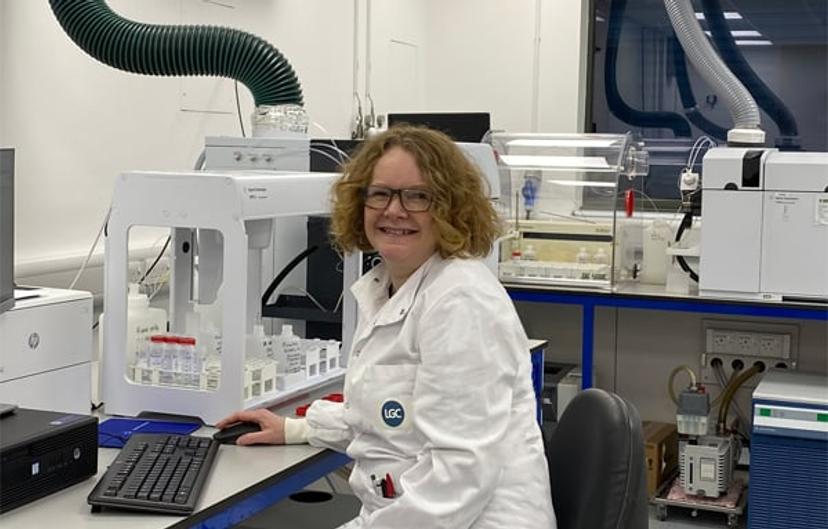
Tell us a bit about your area of research and your role at LGC
SS: As principal scientist, I currently lead the elemental and inorganic team at LGC. We specialize in testing pharmaceutical and healthcare samples for elemental impurities, such as heavy metals. Unwanted impurities can be introduced into a sample at any stage of their production, with samples ranging from tablets and liquids to raw materials, inhalers and hypodermic syringes.
Why is elemental impurity in inorganic testing so important?
SS: Products, such as medications, need to be safe. Elemental impurities originating from heavy metals are everywhere, they are present in the air that we breathe and the water we drink. The final product dose to the patient also needs to be considered, for example, an asthma inhaler may well be taken for the rest of a patient’s life. It’s vitally important the patient does not inhale high levels of impurities every time they use the product. Therefore, to protect our health, we must limit the amount of impurities found in these products.
What trace impurities do you test for and what challenges do you face?
SS: We often test for toxic metals. There are up to 70 different metals we can test for, including toxic metals such as lead, arsenic, and mercury. We ensure that we adhere to the latest regulations when checking for the presence of impurities. These regulations help to ensure each product is tested or at least risk-assessed, by outlining and controlling the level of impurity allowed within a specific pharmaceutical product.
Analyzing a range of powders and tablets, pressurized gases and gelatine-coated capsules, can be challenging. Depending on the sample, we must adapt our processes accordingly. We also need to be cautious when investigating medications taken on a frequent basis, and at high doses. The higher the dose, the lower the amount of impurities it should contain. Therefore, we must ensure that all impurities are below the acceptable safe level.
What techniques are you using?
SS: The main technique we use is inductively coupled plasma mass spectroscopy (ICP-MS). This instrument is highly sensitive, measuring down to part per trillion (ppt). We combine ICP-MS with carefully selected sample preparation techniques. These techniques ensure the sample is stable and homogenous, before entering the ICP. The sample preparation techniques use acid digestion, designed to break down and convert the sample into liquid form. We also use microwave digestion.
What is unique about the service that you provide and why should people choose LGC?
SS: LGC offers a one-stop-shop service for impurity testing. Customers can provide us with a product (such as a drug) and tell us how the product will be administered to the patient, and then we can do the rest. According to the guidelines, we determine what the safe impurity level is. In addition, we will also establish how to best prepare the sample, selecting the most suitable method to enable the detection of the lowest impurity level for that particular product. We also guarantee the data we provide is following current Good Manufacturing Practice regulations (cGMP), permitting data to be submitted directly to the regulators both in Europe and the U.S.
What do you see as the future developments in this area?
SS: We are now beginning to investigate more self-administering over-the-counter (OTC) products, such as throat sweets and indigestion medicines. Since their administration is uncontrolled and relies on the user to not overmedicate, there must be a large margin of safety available. It’s important we assess these impurity levels with caution. Ultimately, I believe everything will need to be screened for potential impurities. There remains a significant number of products, such as herbal supplements, that remain unregulated. These could possibly pose a risk to our health. Another example is e-cigarettes which are now being regulated but were poorly controlled in their first instance. This has caused people to remain unsure of the long-term effects of using these devices, illustrating the importance of up-to-date regulations and impurity testing procedures.
About the interviewee:
After completing her Ph.D. in analytical geochemistry, Dr. Sarah Singh developed her scientific career further by working as a laboratory manager at the Natural History Museum, Scientifics Ltd, and Environmental Scientifics Group. In 2013, Dr. Singh took on her current role at LGC, where she now leads the CMC (chemistry, manufacturing, and control) inorganic pharmaceutical analysis team, specializing in elemental impurity and inorganic testing.