
How Automating Urinalysis at the Point of Care Can Improve Accuracy, Save Time and Reduce Costs
Join this webinar to learn about the benefits of automated urinalysis and the methods behind it
5 Jun 2019
Expert insights
In this upcoming SelectScience webinar, point-of-care testing (POCT) manager Olubunmi Martindale-Sheldon will present the findings from her comparative study of urine chemistry analysis methods used at Imperial College Healthcare, one of the largest healthcare trusts in the UK. She will discuss the study set-up, which encompassed three hospitals and nine clinical areas with medium to high urinalysis volumes, as well as review the results and outline the benefits of using automation versus manual methods.
REGISTER NOWWatch this webinar to learn about:
- How implementing automated urinalysis systems can improve testing accuracy, streamline workflow efficiencies, and reduce overall costs
- Review testing methods that eliminate transcription errors and the subjectivity of visually-read tests
- How fully-connected POCT systems can help you better manage operators, document training efforts, and maintain accreditation standards
Who should attend:
- Nurses, physicians, and physicians' assistants who cover point-of-care testing in their practices
- Point-of-care coordinators/managers
- Laboratory directors
- Laboratory personnel
The live webinar takes place on Monday, June 17, 2019, at:
- 16:00 BST
- 11:00 EDT
- 08:00 PDT
- 17:00 CEST
Scheduling conflict? No matter, register to receive an on-demand link to watch later>>
Related products
Request Quote for All Products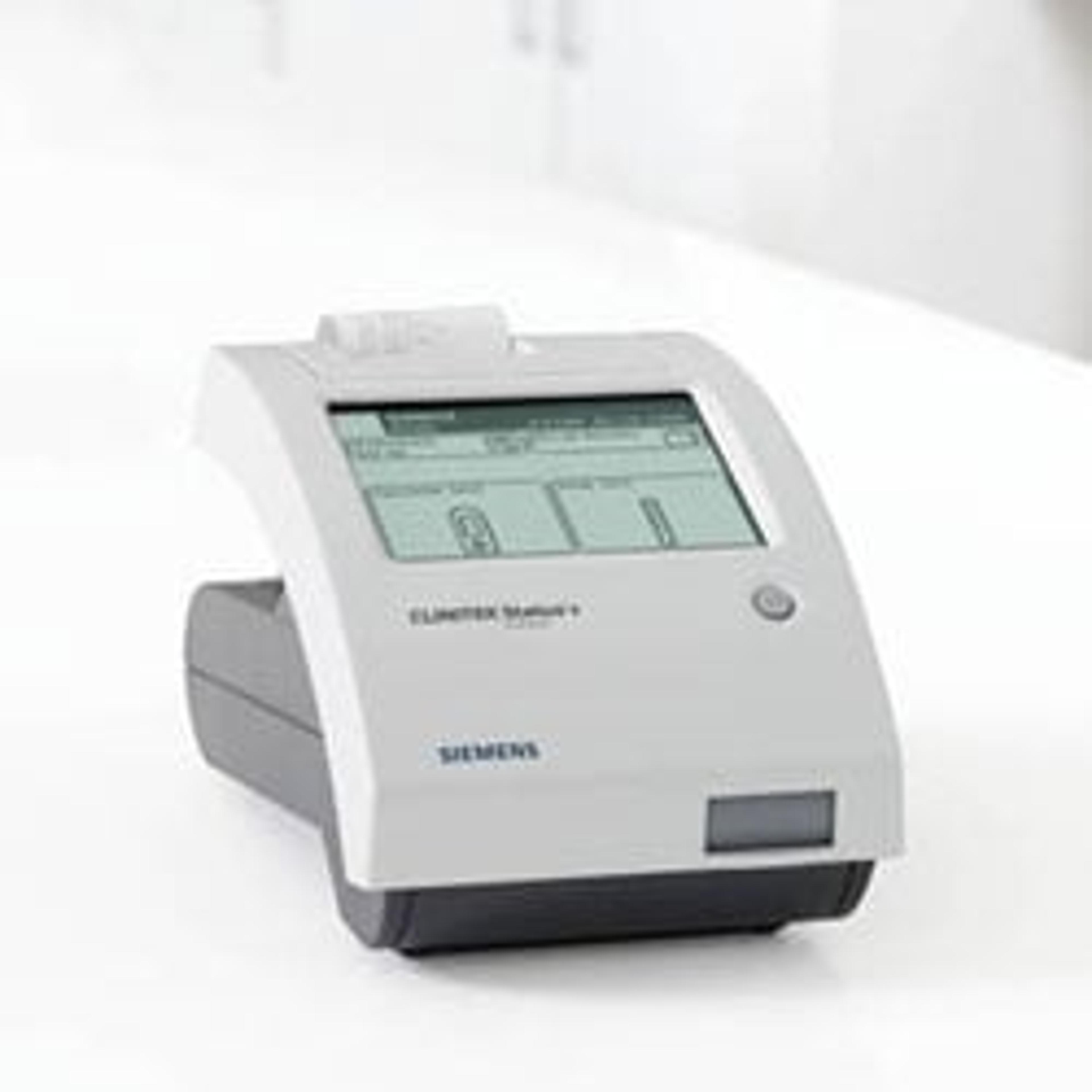
CLINITEK Status®+ Urine Chemistry Analyzer
Siemens HealthineersSimple, point-of-care urinalysis with enhanced clinical information. The CLINITEK Status® + Analyzer features Auto-Checks® Technology*. The analyzer automatically checks each test strip for humidity exposure, common sample interferences** and strip identification for Siemens test strips. Together, these provide improved clinical information. Features: Enhances confidence in clinical decisions with (Auto-Checks) performed on every test Ensures consistent results interpretation with automatic timing and reading of every urine specimen Ready for connectivity to data management solutions (DMS), via a simple upgrade kit Offers a comprehensive point-of-care urinalysis menu for routine testing, detection of early kidney disease and hCG pregnancy testing *DISCLAIMER: *Only available when using Siemens test strips with IR or color bands **Feature not available in the U.S.
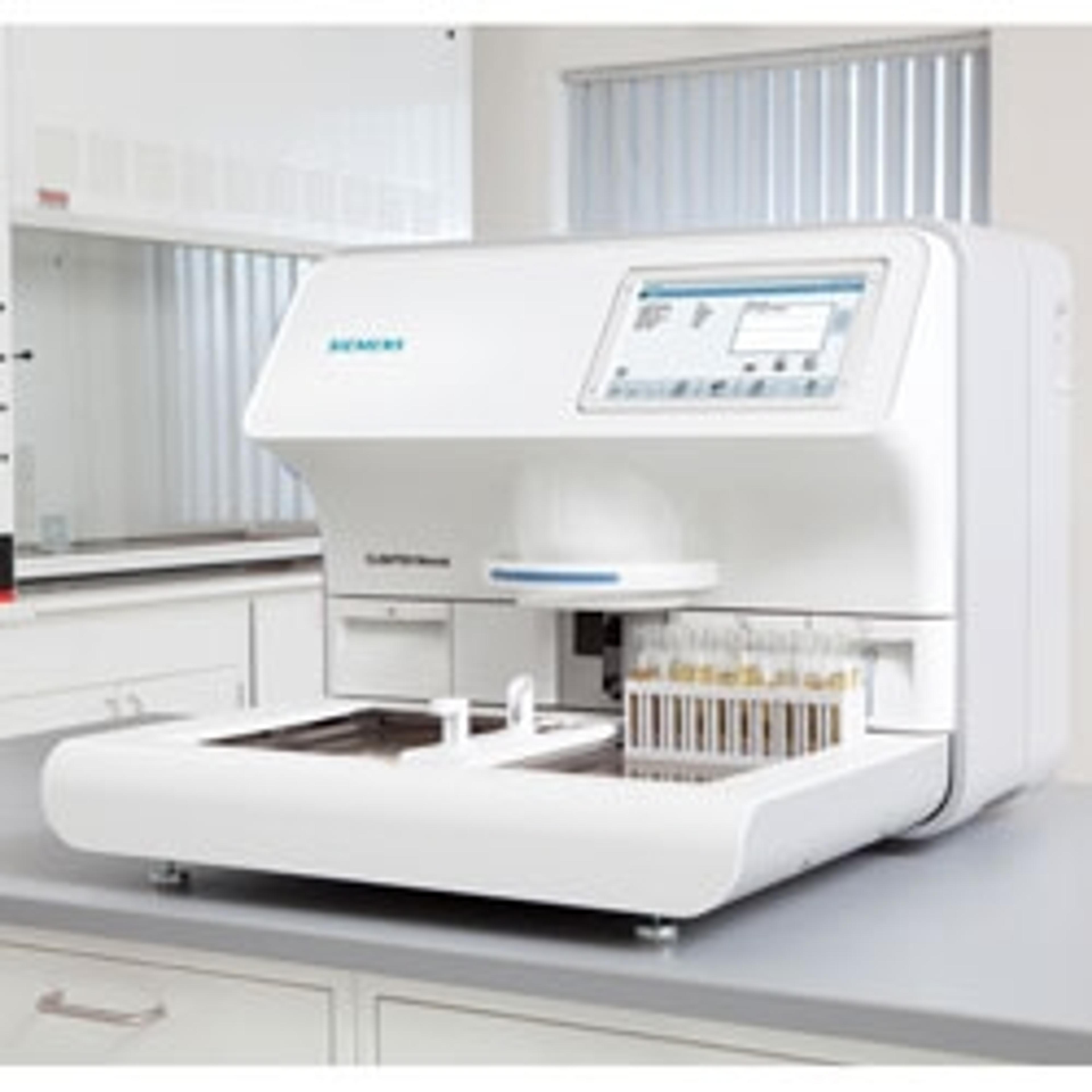
CLINITEK Novus® Automated Urine Chemistry Analyzer
Siemens HealthineersImprove reliability and productivity with urinalysis technology you trust.
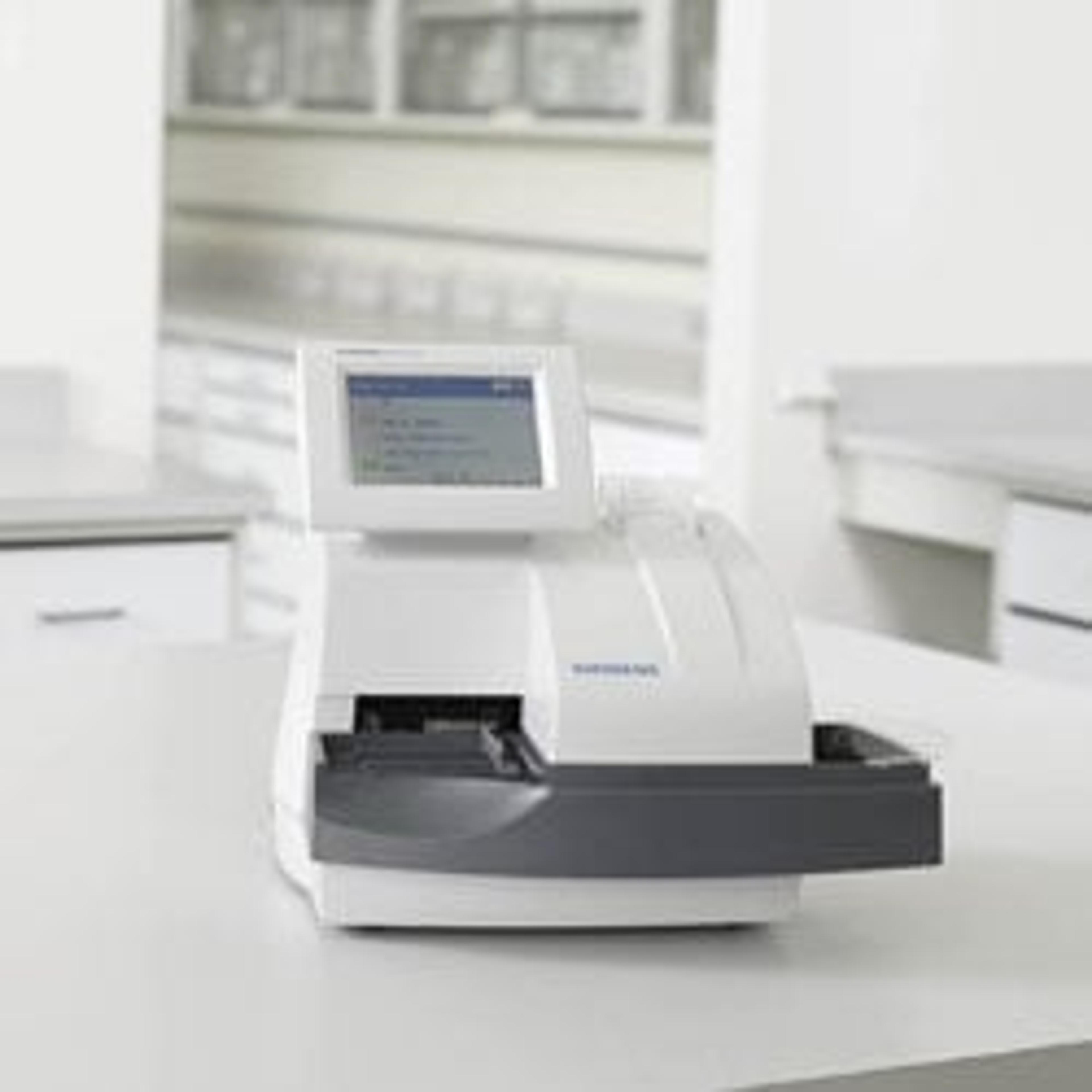
CLINITEK Advantus® Urine Chemistry Analyzer
Siemens HealthineersRespond to demands for higher productivity and high quality with the CLINITEK Advantus® Analyzer. Streamline your workflow with flexible operation. Immediate start-up Automatic calibration Network ready A wide range of options Added QC features Flexible operation to meet your needs Features: Auto-checks or strip identification and humidity exposure improves data integrity, workflow and helps ensure quality results Consistent, reliable results, with one-touch switching between test strip configurations Automatic prompts and test lock-out if QC is not run for improved quality control Throughput of 7 seconds/sample; up to 500 tests/hour