Hamilton Storage introduces new sample tubes to keep your automation systems running

The new tubes and racks promise long-term stability and uninterrupted operation in biobanking and compound storage applications

3 Mar 2020

Diane Li
Assistant Editor

Product news

Hamilton Storage has debuted its sample storage tubes and new RackWare racks at the recent SLAS 2020 International Conference & Exhibition. The tubes and racks offer hassle-free operation and stability in automated storage workflows. Long-term consistency in design will prevent needless disruptions, downtime, and potential incompatibility with automated storage systems. The consumables are optimized for use with all Hamilton Storage automated sample storage systems as well as robotic liquid handling platforms from Hamilton Company. They are also compatible with third-party automated storage and liquid handling systems.

The 96-format tubes are available in three of the most widely used volumes: 0.3 mL, 0.6 mL, and 1.0 mL. In addition to a low cap height to maximize available space, the tubes are internally threaded for stable processing with automated decappers such as Hamilton Storage’s LabElite product line. Unique 2D barcodes on the tube bottom facilitate the most accurate identification. The tubes are packaged in ANSI/SLAS compliant 96-sample RackWare racks that include lids as an extra protective safeguard along with 1D and 2D side rack barcodes.

Additionally, 2.0 mL tubes are available in 48-sample format with a choice of internal or external threads. Both options feature unique 2D barcodes on the tube bottom and are compatible with Hamilton Storage’s automated decappers. They are racked in lidded ANSI/SLAS compliant 48-sample RackWare racks that include the same barcoded areas and options as that found in the 96-sample racks.

Do you use Hamilton products in your lab? Write a review today for your chance to win a $400 Amazon gift card>>

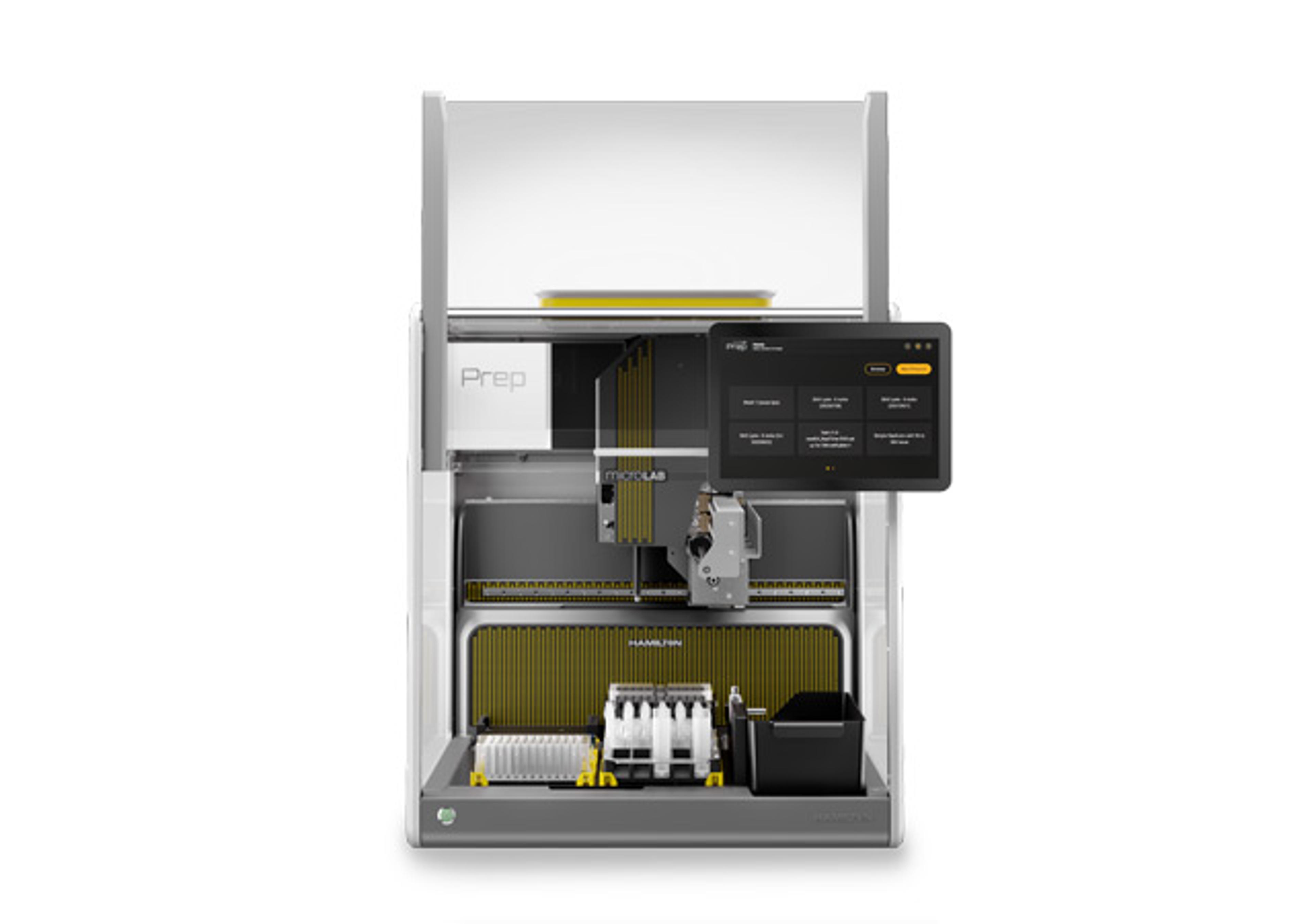
Microlab Prep

Hamilton

Simple Automation, So You Can Focus on Innovation. Automate your lab with the Hamilton Microlab Prep—compact, precise, and efficient. Upgrade from manual pipetting with trusted Hamilton quality.

(1)

Links

Tags

Blood TransfusionBlood Transfusion involves giving donor blood to a recipient patient. Screening is essential to avoid transfusion reactions. Blood banks use immunohematological techniques to determine rh and ABO blood group, and screen for antibodies using specific antisera. Blood Banks use Direct Coombs Tests (DCT) and Indirect Coombs Tests (IAT) to detect hemolysis and Haemolytic Disease of the Newborn (HDN).HematologyIn Haematology / Hematology, complete blood cell counts (or full blood counts) are obtained using automated blood count analyzers to enumerate blood cell types.  Hematology also encompasses haemostasis and coagulation, thrombophilia and hemophilia, plasma viscosity and ESR analysis, hemoglobinopathies, cell morphology and haematinic measurement.ImmunologyImmunological techniques measure and characterize immune responses. Immunology kits and analysis systems often use techniques such as ELISA, radioimmunoassay (RIA) and immunodiffusion assays, Immunohistochemistry, and flow cytometry. Immunologists use equipment such as flow Cytometers, plate readers, plate washers and fluorescent microscopes.Cellular PathologyCellular Pathology deals with the microscopic analysis of tissue samples and cells. Sample preparation and processing includes fixation, staining, sectioning and slide mounting, using equipment such microtomes and cryostats. In choosing immunohistochemistry and immunocytochemistry kits, consider chromogens, staining method, antibodies, microscopes and imaging.Point-of-CarePoint-of-Care Testing (POCT) or Near Patient Testing (NPT) products are available for urine, blood and other clinical chemistry analyses. POCT includes: blood glucose testing, blood gas and electrolytes analysis, rapid coagulation testing (PT / INR), rapid cardiac markers diagnostics, drugs of abuse screening, urine strips testing, pregnancy testing, fecal occult blood analysis, food pathogens screening, hemoglobin diagnostics, infectious disease testing and cholesterol screening.Clinical ChemistryBiochemistry (or clinical chemistry) involves the analysis of bodily fluids using chemical tests. Techniques used include HPLC, chromatography, spectroscopy, mass spectrometry, immunochemical, electrophoresis, turbidometric / spectrophotometric assay, MRI and ISE analysis. Tests are often carried out on plasma or serum but urine (urinalysis) and fecal specimens are also processed.Clinical GeneticsMolecular Genetics covers the analysis of hereditary genetic disease and chromosomal abnormalities. Genetics can be analysed using DNA, RNA, and protein microarrays, PCR, RT PCR and DNA sequencing. Genetic equipment includes genetic workstations, thermal cyclers, cooling blocks and electrophoresis products. Diagnostic kits are used for DNA / RNA extraction and purification.Clinical MicrobiologyMicrobiology is the study of microorganisms including protists, prokaryotes, fungi, and, often, viruses. Microorganisms are a useful research tool as genetic vectors and, in immunology, for antibiotic susceptibility testing, cellular biology and genetics. Microorganisms commonly grow readily in incubators with microbial culture media; this can contain chromogenic supplements to differentiate between cell lines. Estimate your culture’s density of microorganisms with colony counters, or screen and select colonies for desirable clones with automated colony pickers. Additionally, equipment is available to monitor environments for the presence of microbes and identify with microbial identification instruments. Find the best microbiology products in our peer-reviewed product directory: compare products, check customer reviews and receive pricing direct from manufacturers.Embryology / IVFEmbryology refers to the development of an embryo resulting from the fertilization of the ovum, to fetus stage. In vitro fertilization (IVF) refers to the fertilization of the egg outside of the human body, and is an important treatment for infertility.Sample PreparationSample preparation can improve the quality and speed of separation techniques. Products to assist sample preparation include filtration equipment, evaporators, membranes and sieves.Sample HandlingProper and careful handling of samples is important in scientific studies to ensure the integrity of specimens. This will prevent deterioration and cross contamination, and improve the accuracy of sample tracking procedures.Sample StoragePreserving clinical trial samples to the highest standards is a critical component in maximizing the value of present day and future clinical research. Specialized storage and transportation of these tissue, blood and serum samples reduces the risk of them being damaged or lost.Microbiology ConsumablesSLASThe Society for Laboratory Automation and Screening (SLAS) is an organization focused on laboratory automation, high-throughput screening, and biotechnology innovation. SLAS promotes scientific advancements through conferences, publications, and industry collaborations.
Hamilton Storage introduces new sample tubes to keep your automation systems running