
Guest Editor: HPLC 2016 Chair Professor Robert Kennedy Shares His Thoughts on the Latest Advances in Separations Technology
5 May 2016
Editorial article
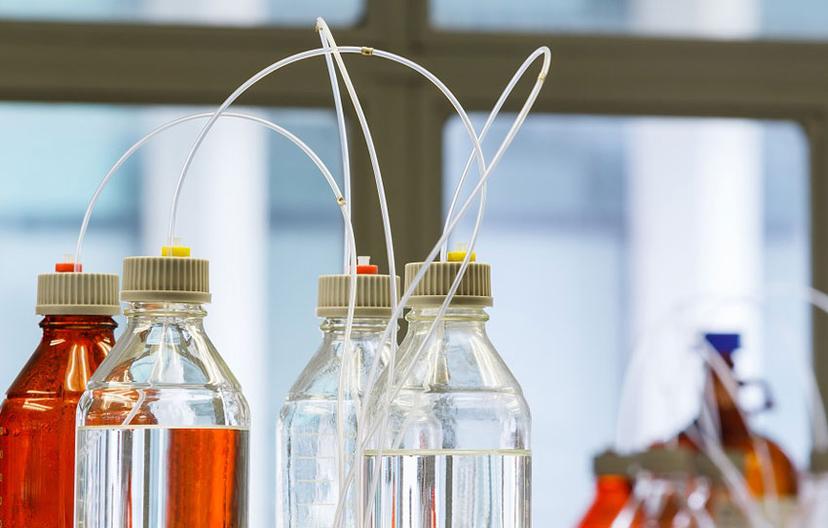
Professor Robert Kennedy, Chair of HPLC 2016, discusses the latest developments in separations technologies and applications
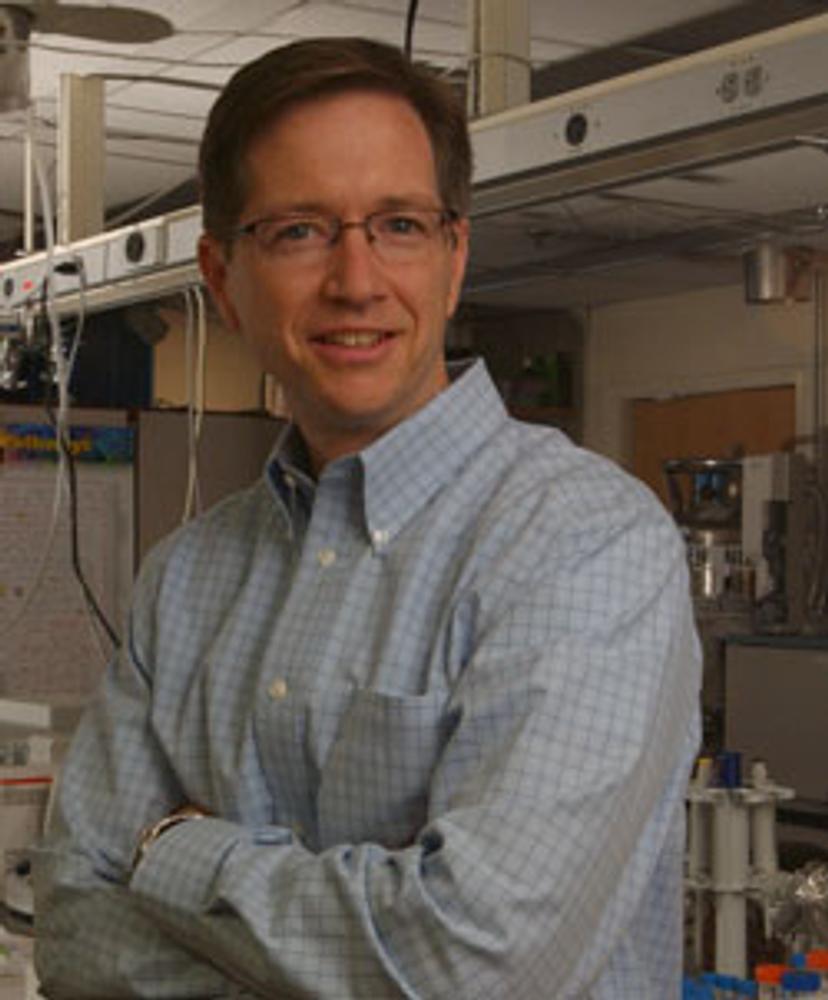
Robert Kennedy is the Hobart H. Willard Distinguished Professor of Chemistry and Chair of the Chemistry Department at the University of Michigan.
The separation of complex mixtures and complicated molecules is a continual challenge facing chemists. Liquid phase separation techniques such as HPLC and electrophoresis must evolve to meet the ever more difficult challenges arising from pharmaceuticals, “omics”, food and nutrition, clinical and diagnostic, and environmental research.
The pharmaceutical industry in particular poses extreme challenges at nearly every step of the drug discovery, development, and production process. The explosive growth of biopharmaceuticals has driven an intense demand for better separations of large biomolecules. A large antibody or antibody-drug conjugate has many possible permutations that create enormous difficulties in verifying its structure, and therefore safety and efficacy, in depth. The ever present drive to discover and manufacture drugs more efficiently also creates demands of reduced sample consumption, faster separations, and better quality separations. Proteomics and metabolomics present mixtures that are almost hopelessly complex, yet scientists are pushing towards the complete and reliable resolution and detection of all proteins and metabolites in natural samples. Thus, while separations may be considered a maturing technology, it still has many dragons to slay. It is no wonder that HPLC and associated technologies remains a multi-billion dollar business.
Addressing challenges
Those studying and developing chromatography have been developing many ingenious and surprising new approaches that help us meet the challenges outlined above. Use of ultra-high pressure systems coupled with particles < 1 micrometer diameter, multi-dimensional systems, new stationary phases and support technologies, microfabricated and other miniaturized systems, and new techniques for characterizing columns all have emerged as tools for gaining better and faster separations. The interface to mass spectrometry is also critical for characterizing the complex mixtures and molecules that are now of interest. These advances are coming from all sectors of the research world including industry, academics, and government labs.
Why attend HPLC 2016?
If you are interested in the challenges and advances happening in the world of separations, then I urge you attend HPLC 2016 in San Francisco from June 19-24. The conference is divided into three tracks that follow the themes mentioned above. One track covers the advances made in applying HPLC and electrophoresis to pharmaceutical, proteome, metabolome, food, environmental, and polymer analysis. A large emphasis is placed on protein separations including biopharmaceuticals because of the substantial challenges found with these molecules. Another track focuses on making separations better, that is new particles, stationary phases, and microsystems. The third track emphasizes harnessing the power of mass spectrometry. Finally, if you are new to HPLC or have suddenly found yourself needing to develop knowledge in this area, then HPLC 2016 has an educational track that includes short courses and tutorial lectures. We have an exciting array of speakers who are well-known experts in these different areas from both academic and industry labs.
While HPLC and electrophoresis are the reason for the conference, the host city may steal the show. San Francisco is a hub of high-tech research making it an exciting place to meet potential collaborators, thought leaders, and customers. Of course, it has more attractions than can be enumerated here, but it is safe to say that any visit to the Golden Gate City will be memorable for the sights, cultural, and culinary experiences.
Professor Robert Kennedy BIO
Robert Kennedy is the Hobart H. Willard Distinguished Professor of Chemistry and Chair of the Chemistry Department at the University of Michigan. He earned his Ph.D. in 1988 at the University of North Carolina-Chapel Hill and moved on to become an Assistant Professor at the University of Florida in 1991 following a post-doctoral fellowship. His research interests include HPLC, capillary LC, capillary electrophoresis, and microfluidic assay systems. These techniques are applied to problems related to diabetes, neurochemistry, and high-throughput screening. He has trained over 60 Ph.D. students and 30 post-doctoral fellows.
Image copyright: smuay 1000/Shutterstock