
Gentronix Goes East
1 Sept 2008Product news
Innovative biotechnology company Gentronix (Manchester, UK) is pleased to announce a new agreement with LSG Corporation (Tokyo, Japan). The deal enables introduction of the GreenScreen® HC range of human cell-based genotoxicity assays across Japan, allowing scientists to accelerate the pace of drug discovery and development.
LSG has over 30 years’ experience providing researchers the tools and products required to solve even the toughest challenges within the life science arena. As a subsidiary of EPS Co., Ltd., one of the largest clinical research organisations in Japan, LSG is the ideal partner to promote the benefits of GreenScreen assays in this key market. GreenScreen HC, also available with a standardised S9 metabolic activation protocol, identifies genotoxic compounds in early screening of drug candidates. With a microplate format to enable high-throughput analysis, GreenScreen helps to remove the current bottlenecks commonly found in preclinical research and development.
Commercial director at Gentronix, Steve Beasley, comments: “We are delighted to have signed this agency agreement with LSG Corporation. LSG’s experience and extensive contacts in the Japanese life sciences and toxicology sectors will help to further develop our customer base in this important market.”
Related products
Request Quote for All Products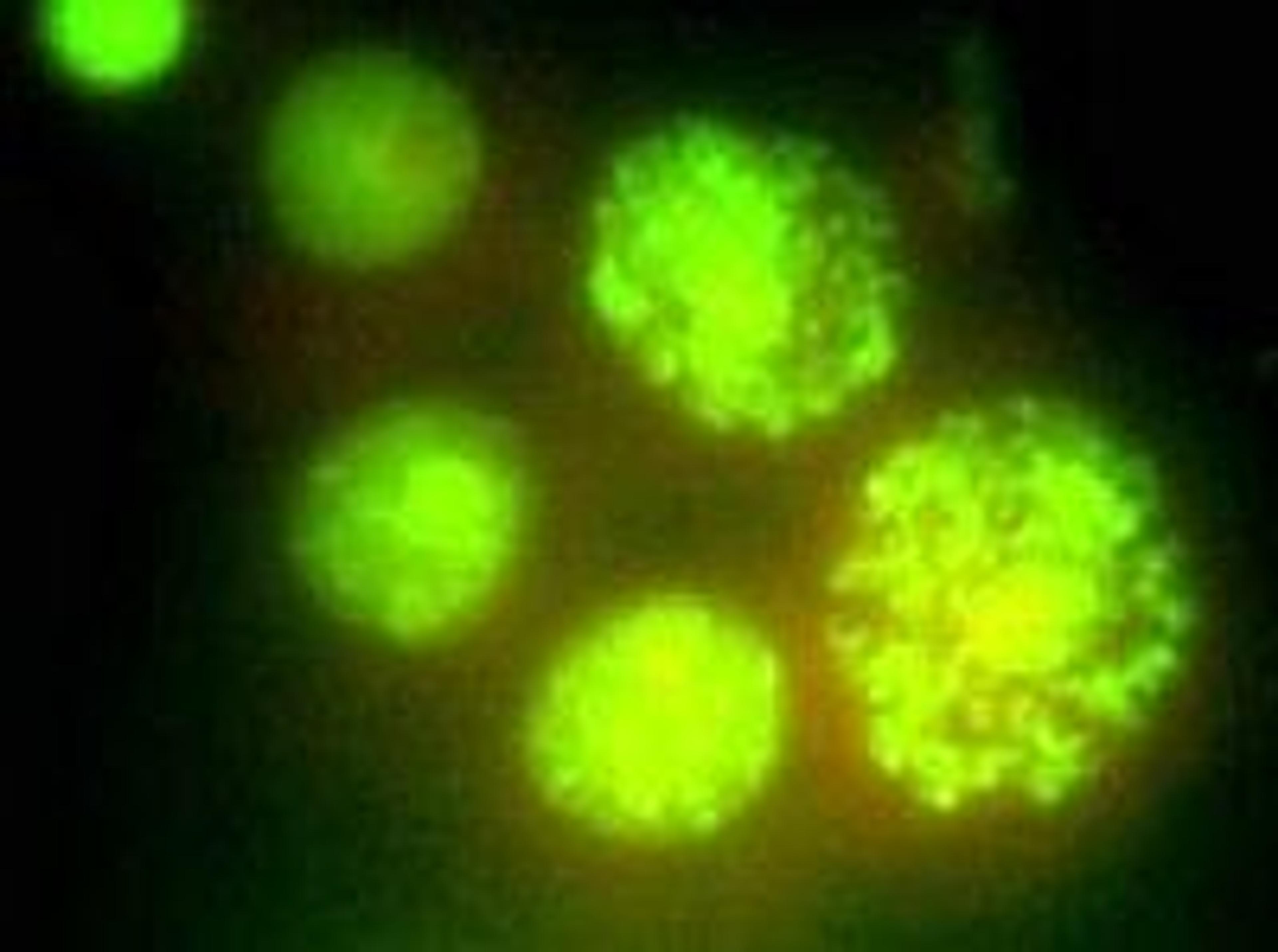
GreenScreen HC
Gentronix Ltd.Gentronix has launched a new, accurate and fast in vitro mammalian cell genotoxicity assay - GreenScreen HC. The TK6 host cells are p53 competent and familiar to most genetic toxicology laboratories. A patented GFP reporter system exploits the proper regulation of the GADD45a gene. The assay delivers both high specificity and high sensitivity and detects all common mechanistic classes of genotoxin. The 96-well microplate format takes about 20 minutes to prepare and delivers results after a 48 hour incubation. A single microplate is sufficient for the simultaneous testing of 4 compounds over 9 serial dilutions. The protocol is also readily automated using standard laboratory liquid-handling equipment. The Biology GADD45a mediates the adaptive response to genotoxic stress. The patented GFP fluorescence reporter includes complex regulatory elements. The assay gives positive results for direct acting agents, as well as aneugens, and topoisomerase and polymerase inhibitors. Importantly the assay gives correct negative results for non-carcinogens, including many which give misleading positive results in other in vitro tests. The Assay Protocol Nine, 2-fold dilutions of each compound together with positive controls are set out in the microplate and growing cells are added to each well. After incubation and measurement in a microplate reader, simple software gives automated decisions and a clear graphical output. Validation A unique combination of both high-specificity and high-sensitivity genotoxicity assessment in a human cell line has been demonstrated. See: High-specificity and high-sensitivity genotoxicity assessment in a human cell line: Validation of the GreenScreen HC GADD45a-GFP genotoxicity assay. Hastwell P.W. et al (2006) Mutation Research 607: 160-175.