From startup to scale-up: Growing a U.S. cannabis testing lab with latest technology

A firsthand account of independent cannabis testing in 2020, including recommendations for sample preparation and future considerations on federal legalization

4 Jun 2020

Cameron Smith-Craig
Cameron Smith-Craig
Pharma and Applied Sciences Editor

Editorial article

Kim Toman,Owner,Free Fall Testing Labs
Kim Toman

Free Fall Testing Labs in Pueblo, Colorado, is the realization of former finance worker and tax investigator Kim Toman’s vision. Now owner of this established cannabis testing facility, here Toman tells SelectScience® how and why she made the unusual career transition and, with the help of close supporters, managed to progress from a startup to running a complete cannabis testing laboratory, capable of both potency and microbial testing. We also break down her workflows to find out what equipment has been instrumental to her success.

Free Fall Testing Labs became a thought in 2014. My daughter was in her chemistry undergrad program and mentioned that she was interested in applying for her Ph.D. in chemistry. At this particular time, I was working in the finance department at Pueblo West Metropolitan District. In this position, I was given the task to develop an excise tax collection process for a newly self-collected tax for the district. This excise tax is collected on the first transfer of unprocessed marijuana plant material, which comes from the marijuana growing facilities. While developing this process, I learned about the complete marijuana production process, from growth to retail store ready. Particularly, I learned about laboratory testing of different marijuana products. As I learned more and more, I realized that in the Pueblo area, marijuana facilities had to send their products to either Denver or Durango to be tested. Denver is a 1.5-hour drive and Durango is a six-hour drive from Pueblo. There was a basic need for a testing laboratory in Pueblo.

At this point, I made the connection between my daughter wanting to become a chemist and the need for a testing facility in Pueblo.

Voila, over five years later, Free Fall is about to become certified for potency testing. This success can be attributed to the many folks that were crazy enough to follow me with this vision all these years. These individuals, as well as the countless individuals at the local and state agencies involved with this project, have made the transition from idea to reality a relatively smooth process. To them, I send my thanks for their insight and help. They inspired me at the most opportune moments when I needed it most.
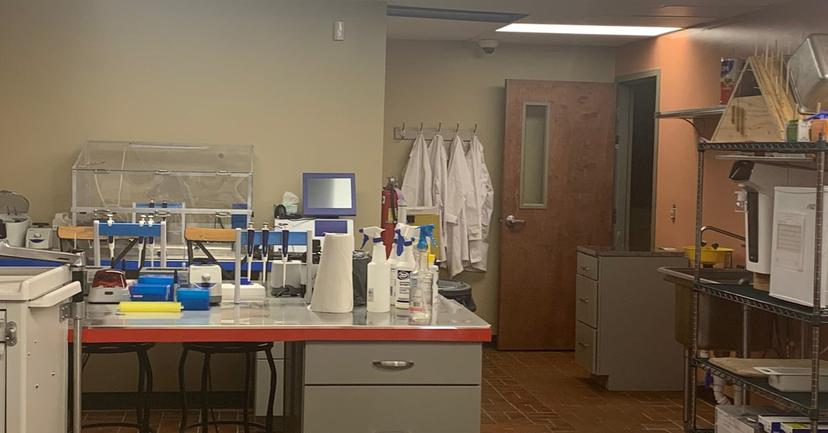
Inside the lab at Free Fall Testing Labs
Inside the laboratory workshop, Free Fall Testing Labs, Pueblo, Colorado

Tell us a little about your approach to cannabis testing, and how this has evolved as the industry continues to grow

Being financially prudent, I originally wanted to start with microbial testing using a qPCR system. This seemed to be the most inexpensive testing to get started with. That was back in 2015-2016. Since it took so much time to actually find a location in Pueblo for the lab and even more time to get a building permit, technology changed. In fact, it changed quite a bit, which seems now to be an advantage for the lab. By the time Free Fall was ready to take occupancy in the new laboratory, a renovated Pizza Hut building, hemp had grown vastly and was making a huge splash in Colorado’s agricultural industry. The State of Colorado required potency testing on hemp which was really pushing me to investigate this further. I looked into this and acquired a ‘cannabis-ready’ HPLC, ready to start our operations with potency testing.

Now, with potency testing ready to kick off at the lab, it was time to take another look at microbial testing instruments. I was able to source a quantitative microbial analysis solution utilizing a PCR process that drastically reduced result wait time. Looking back now, I am thankful that Free Fall took so long to get going because so much great new technology has become available.

With the onset of the new heavy metal testing that became mandated by the State of Colorado in 2020, Free Fall is also in the process of adding an ICP-MS to conduct heavy metal testing. In addition, a GCMS is being added to the instrumentation at Free Fall to test for residual solvents.
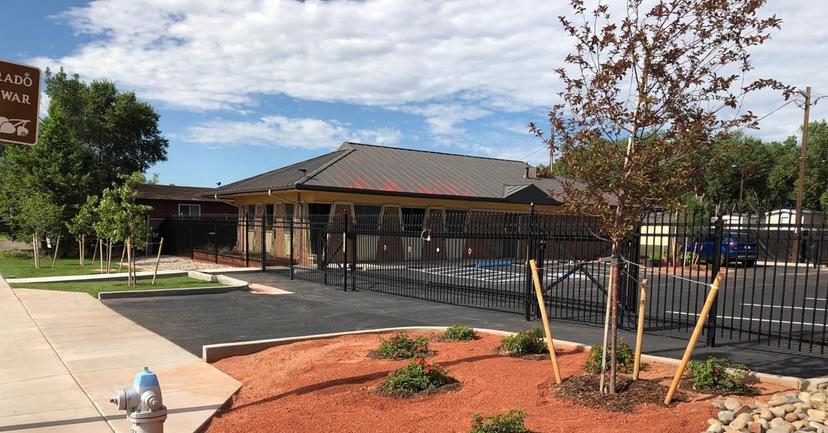
Free Fall Testing Labs
Free Fall Testing Labs is housed in a renovated Pizza Hut building

Being a mainstay in cannabis testing, are there any products that are key to your sample preparation?

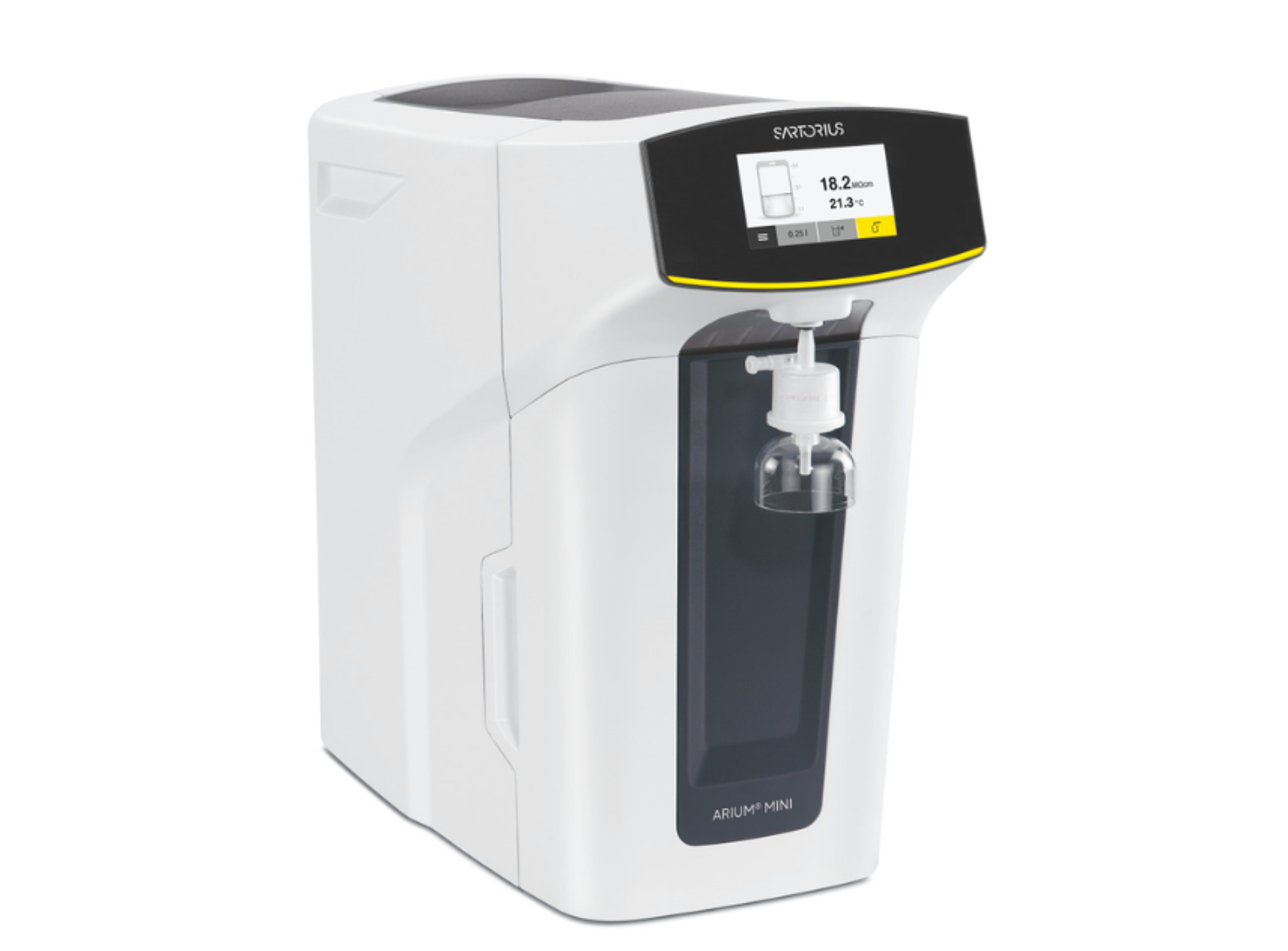
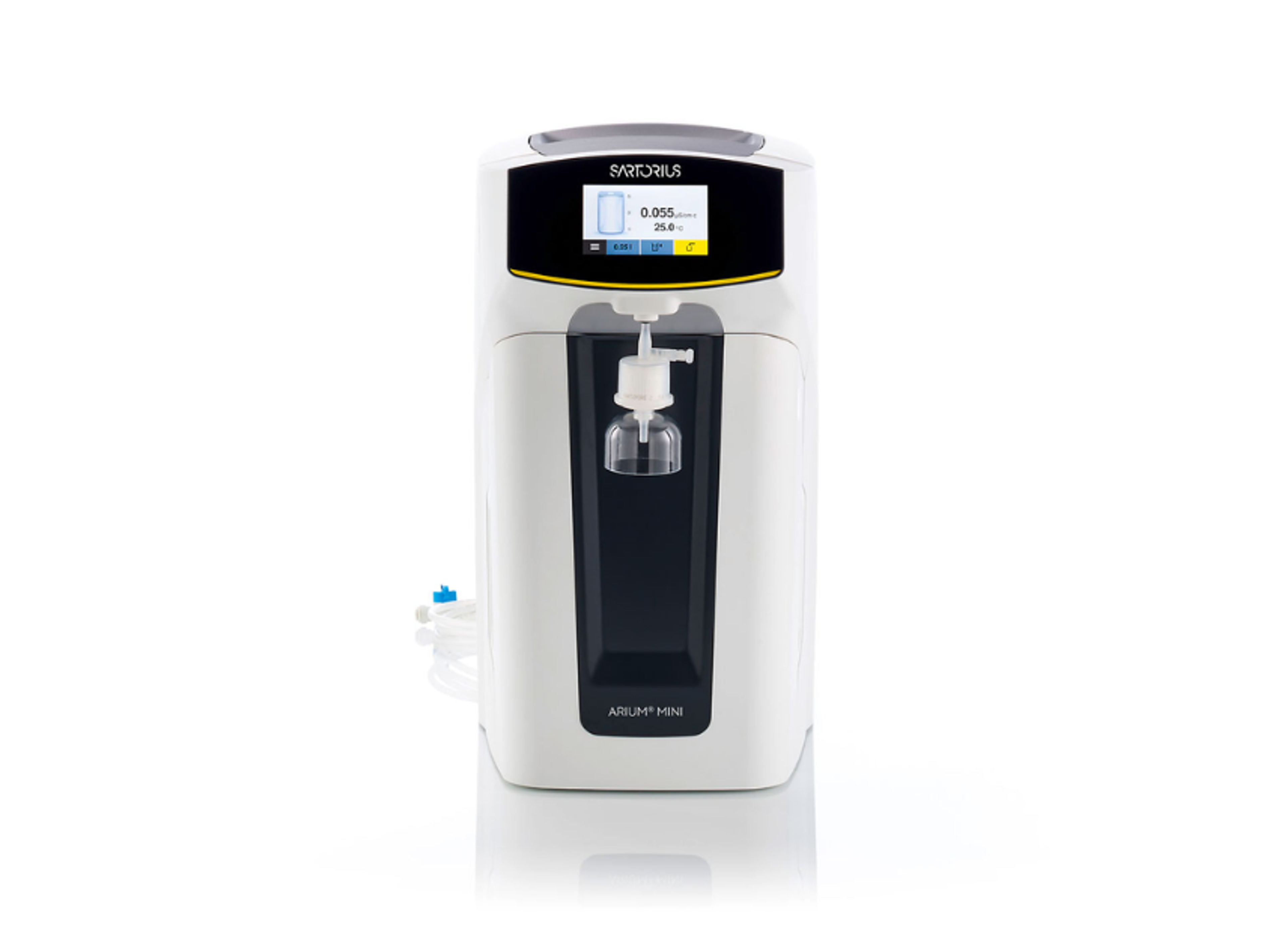
Free Fall is using the Arium® Mini Plus from Sartorius. I was warned about laboratory water consumption before Free Fall even applied for a state marijuana license. I was strongly advised to invest in making my own water. This warning hit home when the HPLC system was put online for potency testing. HPLC does not like organic material and water left to sit longer than one week will start to grow organic matter — guidelines recommend changing the HPLC grade water mobile phase weekly, at a rate of 0.5 liters, minimum.

After consuming almost all the HPLC grade water that came with the installation, I had to start looking to purchase more. It became apparent that an in-house water purifier would be financially optimal. A few systems were reviewed on reliable production of HPLC grade water as well as the ease of adding on to the ICP-MS system which requires the Type 1 water. After deciding to purchase the Arium® Mini Plus, I learned that there was more it had to offer. The bonus was that the Arium® is capable of making microbiological grade water and the Type I water that the GCMS hydrogen generator requires. The Arium® Mini Plus is capable of producing the water for every instrument used in our lab for about one-fifth the price of its competitors. The price combined with the compact size of the Arium® made the choice very easy.

Arium Mini Plus
The Arium® Mini Plus from Sartorius (left), which produces purified water for all of Free Fall’s analysis equipment.

How does this technology help you to achieve your goals? Do you receive support, help & training from the manufacturer?

When the Arium® arrived at the lab, installation was a breeze. Instructions included a step-by-step written and pictorial procedure for connecting, purging, and maintaining the system. A touch screen display makes dispensing water hassle-free. As far as having to call the manufacturer, I haven’t had to call them with any issue, the system just performs extraordinarily. Given my overall experience with the purchase and receipt of the Arium®, I do not expect any issues if I ever have to call Sartorius. Thanks to the huge cost savings with the purchase of the Arium®, Free Fall has been able to purchase other niceties for the lab.

Finally, what do you think the future holds for the cannabis testing industry? If federal legalization is rolled out in the U.S. over the coming years, how do you think the industry would adapt?

Wow, this answer would have been much different if asked in December 2019. As of late April 2020, this answer is multi-dimensional. I will address what I think are the two most important dimensions: laboratory start-up funding and coordinating federal and state testing requirements.

First of all, with the recent decline in the stock market, I foresee a lack of investors and funding for any new start-up cannabis laboratories. Any new cannabis testing laboratories that would open in the future would be satellite branches of labs that are already in operation. This worries me a little because this philosophy means there will be only a few large testing laboratories in the field, which subsequently means little to no competition. This potentially would lead to not only squeezing out the little labs but to higher testing prices for those who need the services. I hope I am wrong about my presumption.

Secondly, I believe the federal legalization of hemp is going to tell us a lot about what’s to come in cannabis testing. Many states already have cannabis and hemp testing requirements in place. It will take a coordinated effort between the federal government and individual states to come up with a global standard testing requirement for hemp. I am hopeful that federal and state regulatory agencies will be able to work together for a joint (no pun intended) action plan to avoid any gaps, overlap, or vast difference in regulations. Cannabis is most likely to follow, with a similar process to standardization on testing regulations.

For more on the latest developments in cannabis testing, visit our community page >>

Arium® Mini Ultrapure Lab Water System

Sartorius Group

A compact ultrapure water system specially designed for requirements of less than 10 liters per day. This space-saving unit with a width of only 28 centimeters (11 inches) easily integrates into nearly any lab environment. The closed Bagtank system prevents secondary contamination while ensuring consistent long-term water quality. 

(5)

Links

Tags

UHPLC and HPLCHigh performance liquid chromatography (HPLC) and ultra high performance liquid chromatography (UHPLC), also known as UPLC, are analytical techniques used to separate, identify and quantitate components of complex mixtures including biological samples such as proteins and lipids as well as chemical mixtures of pesticides, drugs and oils. Both techniques are liquid chromatographic methods but differ by operating pressures (HPLC < 6000 psi < UHPLC ). Components of HPLC and UHPLC systems include columns, detectors, pumps, autosamplers and column heaters. Explore a range of UHPLC and HPLC columns for your specific sample needs including reverse phase, normal phase, ion exchange, HILIC, ion exclusion and size exclusion columns. For more specialized HPLC, explore FPLC, countercurrent LC and simulated moving bed systems. Find the best UHPLC and HPLC equipment in our peer reviewed product directory: compare products, check customer reviews and receive pricing direct from manufacturers.Sample PreparationSample preparation can improve the quality and speed of separation techniques. Products to assist sample preparation include filtration equipment, evaporators, membranes and sieves.LC-MSLC-MS (liquid chromatography-mass spectrometry) systems and equipment are used for separation and quantitative analysis of complex mixtures, combining liquid chromatography and mass spectrometry. Quantify proteins, contaminants, pesticides or screen for drug metabolites with a high level of sensitivity. LC-MS systems and equipment include reverse phase, normal phase and specialized columns integrated with various MS detectors such as time-of-flight (TOF), quadrupole, orbitrap or ion trap mass analyzers. LC-MS/MS instruments equipped with a qTOF or triple quadrupole analyzer give greater sensitivity and resolving power to your analysis. Find the best LC-MS equipment in our peer-reviewed product directory: compare products, check customer reviews and receive pricing direct from manufacturers.Mass SpectrometryMass spectrometry (MS) is a powerful analytical technique used to identify and quantify molecules based on the mass-to-charge ratio of gas-phase ions. It provides detailed information about the structure, composition, and properties of compounds and is widely used across fields such as environmental monitoring, materials science, drug discovery and development, food and beverage testing, and wider chemical research. Key MS techniques include tandem mass spectrometry (MS/MS), liquid chromatography–mass spectrometry (LS-MS) and inductively coupled plasma (ICP-MS). Choosing from these wide range of techniques and technologies can be a daunting task, so keep up to date with scientific applications, performance expectations, and customer reviews here all in one place. Visit our product directory to receive quotes direct from the manufacturer. Preparative ChromatographyPreparative chromatography equipment is used for purification purposes, separating and collecting compounds eluted from a mixture which can then be subsequently used for further purposes. This can be done in large quantities or small. Preparative chromatography systems are usually low to medium pressure liquid chromatographs that are semi-automated. Explore a range of preparative columns and fraction collectors. Find the best preparative chromatography equipment in our peer-reviewed product directory: compare products, check customer reviews and receive pricing direct from manufacturers.Solid-Phase ExtractionSolid-phase extraction (SPE) is used for clean-up, extraction and concentration of semi-volatile or non-volatile analytes from complex mixtures including blood, urine and food samples. Multiple formats are available for conducting SPE, including prepacked SPE cartridges, disks and microplates, as well as SPE sorbent powders for manual packing. SPE systems can be used to automate the process and extract multiple samples at once. Solid-phase microextraction (SPME) and supported liquid extraction (SLE) products are also available in the same formats. Find the best SPE, SLE and SPME equipment in our peer-reviewed product directory: compare products, check customer reviews and receive pricing direct from manufacturers.GC-MS GC-MS (gas chromatography-mass spectrometry) instruments and equipment are used to separate, quantify and identify mixtures of small and volatile compounds, such as polycyclic aromatics, fatty acids and alcohols. Often used in drug detection, forensic investigation and environmental analysis for pesticides and contaminants, GC-MS is a powerful addition to your lab’s analytical capabilities. GC-MS/MS instruments equipped with a qTOF or triple quadrupole analyzers can give greater sensitivity and resolution to your analysis. Find the best GC-MS instruments and equipment in our peer-reviewed product directory: compare products, check customer reviews and receive pricing direct from manufacturers.Water PurificationThere are a number of water purification methods available to remove contamination from laboratory water. These systems include demineralization, reverse osmosis, filtration and ultrafiltration. A combination of methods is sometimes necessary to achieve purified water suitable for use in experiments.PCR and Thermal CyclingPolymerase chain reaction (PCR) kits and thermal cyclers are used for the in vitro amplification of DNA permitting subsequent analysis and experimental procedures. Explore a range of high-quality polymerase, primers and nucleotides or simplify your workflow with a PCR mastermix. Find reverse transcription PCR (RT-PCR) and cDNA synthesis kits for RNA products and libraries. Quantitatively measure the amplification of DNA with real-time PCR (qPCR) and droplet digital PCR (ddPCR) kits and systems, and discover automated PCR setup solutions to increase throughput. Alternative DNA amplification methods also include recombinase polymerase amplification (RPA) kits. Find the best PCR kits and thermal cyclers and purification equipment in our peer-reviewed product directory: compare products, check customer reviews and receive pricing direct from manufacturers.qPCRQuantitative PCR (qPCR) is a molecular biology technique used to amplify and measure the amount of a specific DNA or RNA target. It plays a crucial role in gene expression analysis, pathogen detection, and quantifying DNA or RNA in various applications. Real-time PCR provides precise, quantitative results and is widely used in research, diagnostics, and clinical studies. Browse our peer-reviewed product directory to find the best qPCR solutions; compare products, check reviews, and get pricing directly from manufacturers.Ultrapure WaterUltrapure water is the highest purity water and contains the lowest levels of organic and inorganic contaminants, particulates and microorganisms.ICP-MSInductively Coupled Plasma Mass Spectrometry (ICP-MS) is a powerful analytical technique used to determine the concentrations of elements and their isotopes in a variety of samples, including water, soil, and biological tissues. It involves ionizing elements in the samples with extremely high-temperature Argon (Ar) plasma and then using a mass spectrometer to measure the number of ions based on their mass-to-charge ratio (m/z). Explore ICP-MS systems in our peer-reviewed product directory; compare products, check reviews, and get pricing directly from manufacturers.CannabinoidsCannabinoids are compounds found in cannabis that have therapeutic effects, such as pain relief, anti-inflammatory properties, and potential neuroprotective benefits. Research into cannabinoids is growing, particularly in the fields of pain management, neurological diseases, and cancer treatments. Browse our peer-reviewed product directory to find the best cannabinoid research tools, compare products, check reviews, and get pricing directly from manufacturers.CannabisHPLCHigh-performance liquid chromatography (HPLC) is a technique for separating, identifying, and quantifying components in mixtures. It is widely used in chemical, pharmaceutical, and environmental analysis to ensure purity and identify unknown compounds. Explore the best HPLC systems in our peer-reviewed product directory; compare products, read reviews, and get pricing directly from manufacturers.