From 3D Light to 3D Electron Microscopy: Highlights from the EMBL Workshop

Discover the latest news from this conference on correlative microscopy

28 Nov 2016
Alex Waite
Editorial Assistant

Editorial article


From 13 – 16 March 2016, the European Molecular Biology Laboratory (EMBL) and ZEISS Microscopy hosted a conference entitled “From 3D Light to 3D Electron Microscopy” in Heidelberg, Germany. EMBL is one of the world’s leading research institutions, and Europe’s flagship laboratory for the life sciences.

Three-dimensional (3D) imaging is becoming increasingly important in the life sciences as a way to better understand the functions and processes within cells, and techniques such as volume imaging and 3D correlative microscopy are developing fast.

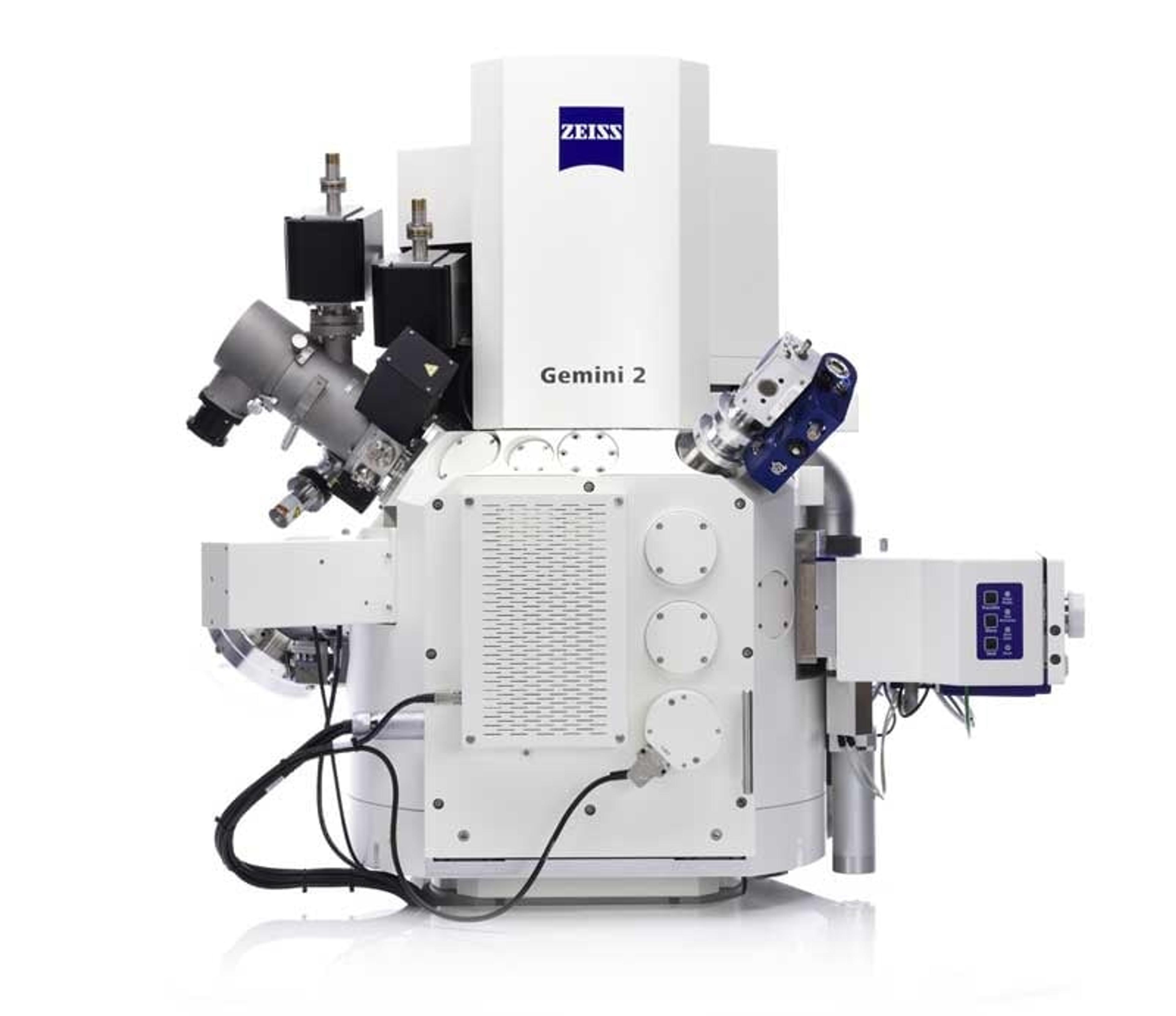
Researchers of 3D correlative light and electron microscopy presented a mix of lectures and practical workshops with a focus on automated serial imaging by scanning electron microscopy from the keynote speakers Dr Winfried Denk and Prof. Dr Fred Hamprecht.

Read on for some of the interviews recorded by SelectScience® exclusively at the conference, and the latest application notes and methods for Correlative Microscopy.

Leaders in Correlative and Volume Microscopy Share Their Research at EMBL Heidelberg


SelectScience spoke to Dr Yannick Schwab, EMBL, to discuss how correlative light and electron microscopy connects different areas of biological study, how these techniques could be used in the future, and how the conference benefits the correlative microscopy community. Watch the video>>

Software Guide to ZEN 2 (Blue Edition): The Shuttle & Find Module
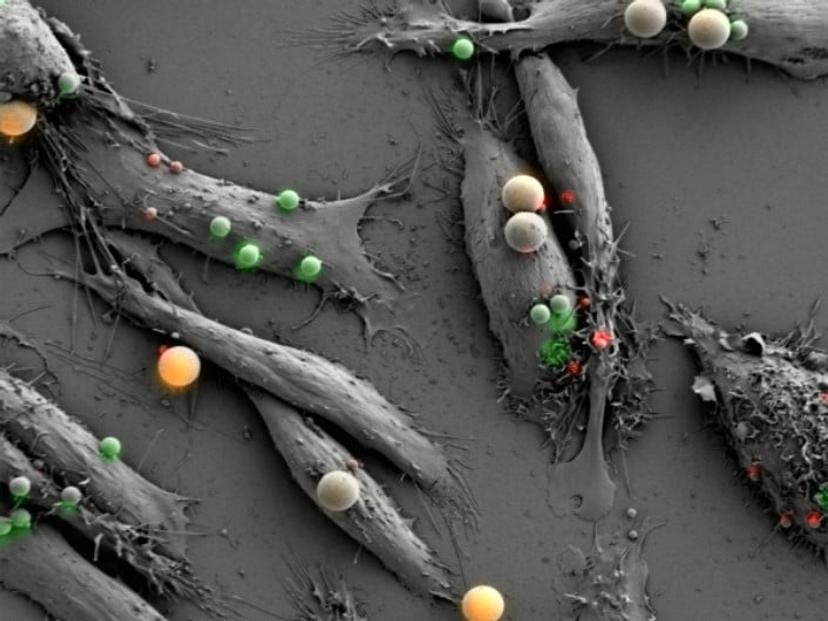
Correlative microscopy is used to combine scanning electron microscopy and light microscopy to produce one image. This software guide describes how to use the Shuttle & Find Module from ZEISS Microscopy to optimize your imaging for biological and material samples using correlative microscopy. Download the guide>>

Dr Peter O’Toole, University of York: Making Light Work of 3D Bioimaging


In this presentation, Dr Peter O’Toole, from the University of York, discusses the benefits of microscopy for biologists and his experience as a beta-tester of the ZEISS LSM 880 with Airyscan. Learn about the benefits of light sheet microscopy for in vivo 3D imaging and hear how Dr Peter O’Toole hopes to implement correlative microscopy techniques to understand genomic, metabolomics and biochemical data. Watch the presentation>>

Correlative Microscopy Protocols: A Reference Guide to Correlative Sample Preparation
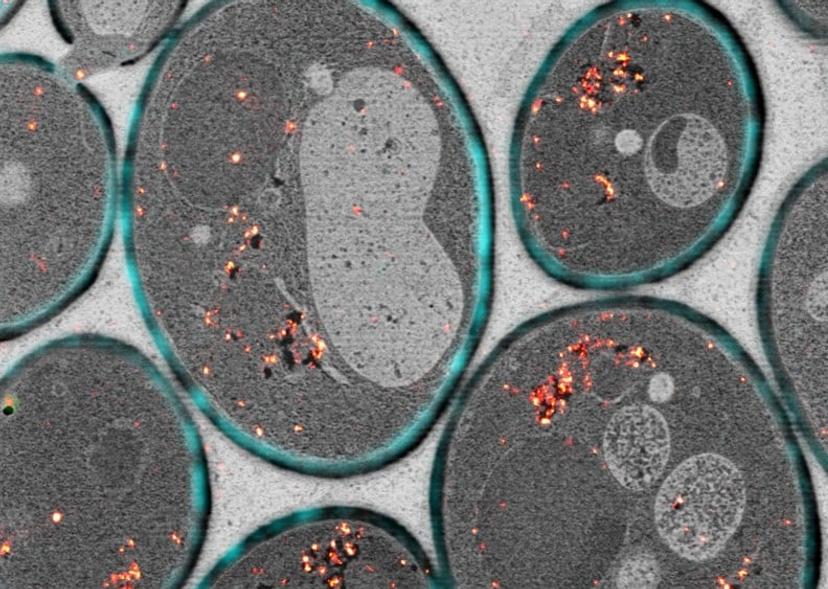
This guide provides an overview of existing sample preparation know-how for correlative microscopy. Many existing protocols for TEM are typically applicable to the modern technique of correlative microscopy with little or no modifications. Download the guide>>

Optimizing Energy Conversion and Storage Materials Using Correlative Microscopy at HZB
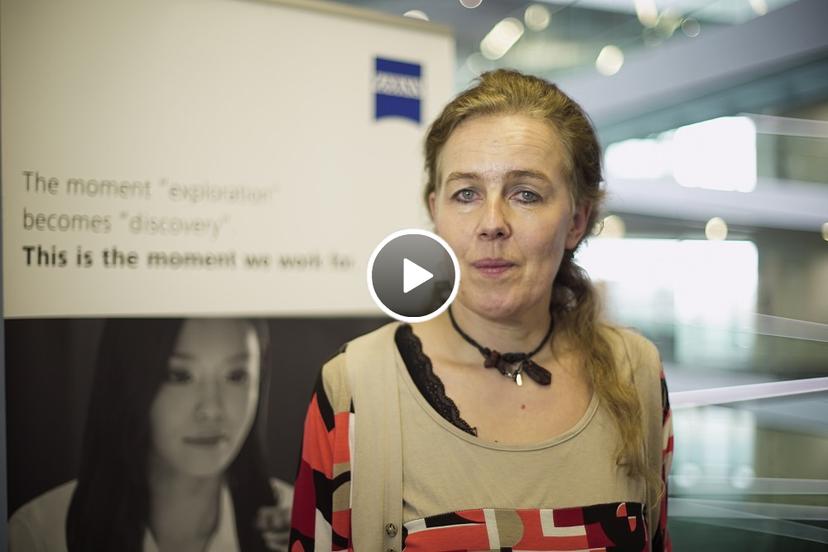
 

Professor Silke Christiansen, from the Helmholtz Center for Materials and Energy, discusses using correlative microscopy in her research into nanomaterials for solar cells and energy storage. She is studying new ways of converting solar energy into other forms of energy as well as finding efficient storage for the energy. Watch the video>>

To learn more about the conference and watch more exclusive interviews, visit our EMBL 3D Microscopy Special Feature page.

Do you use any of the products mentioned in this article? Is there a product you couldn't do without? Share your experiences with our worldwide community and write a review today.

Image:anyaivanova/Shutterstock

Links

Tags

Sample PreparationSample preparation can improve the quality and speed of separation techniques. Products to assist sample preparation include filtration equipment, evaporators, membranes and sieves.Atomic Absorption / Emission SpectroscopyAtomic absorption spectroscopy (AAS) and atomic emission spectroscopy (AES) — also called optical emission spectroscopy (OES) — are used to detect the elemental constituents in samples. Both techniques involve the atomization of a sample. Atomic absorption spectrometers may use a flame or furnace to create an atomic vapor of the sample before irradiation with spectral light. Optical emission spectrometers may use a flame, inductively coupled plasma (ICP), microwave plasma (MP) or spark arcs to atomize and excite the sample. At higher excitation energies, electrons can be emitted instead of photons, which can be useful for samples that can’t be atomized and for surface analysis. Explore electron spectroscopy equipment such as Auger spectrometers and photoelectron spectrometers for surface elemental analysis of samples. Find the best atomic absorption, photoelectron and optical emission spectrometers in our peer-reviewed product directory: compare products, check customer reviews and receive pricing direct from manufacturers.Fluorescence SpectroscopyFluorometers and spectrofluorometers (also called fluorescence spectrometers) are used to measure the intensity and wavelength of fluorescent light emitted from a sample after excitation by illumination. Spectrofluorometers utilize monochromators to select the desired wavelengths, whereas filter fluorometers employ a set of filters. Spectrofluorometers for measuring steady-state fluorescence and lifetime fluorescence (or time-resolved fluorescence) are available, as well as fluorescence microscopes and microplate readers. Find the best fluorescence spectroscopy products in our peer-reviewed product directory: compare products, check customer reviews and receive pricing direct from manufacturers.UV-Visible SpectroscopyUltraviolet-visible (UV-Vis) spectrophotometers are used to measure the interaction of UV and visible light with a sample, including transmission, reflectance & absorbance. The two major instrument classes are single-beam or double-beam spectrophotometers. More specialized equipment includes colorimeters, spectroradiometers and refractometers. Portable and microvolume spectrophotometers are also available. For the modular spectroscopy lab, explore a range of light sources for combination with a spectrograph/spectrometer and optics. Find the best UV-Vis spectroscopy products in our peer-reviewed product directory: compare products, check customer reviews and receive pricing direct from manufacturers.Genome AnalysisGenomics, the study of genomes, includes functional genomics, evolutionary genomics and comparative genomics. There are many genomic technologies such as DNA sequencing of whole genomes, computational biology and bioinformatics. DNA and nucleic acids must be isolated and concentrated from cells for analysis with kits, automated analyzers and software. Other useful technologies for studying genomics include PCR, microarrays and electrophoresis.MicroplatesMicroplates are multi-well plates used to increase the throughput of biological investigations. The number of wells microplates contain can range from 6 to 3243 wells, with the 96-well format being the most commonly used. Microplates can come tailored for a range of applications including cell culture, PCR, filtration, storage, non-binding surface, protein crystallization, as well as pre-coated, deep well and normal Standard microplates. Additionally, options for microplate colors include clear , black, white or black with clear bottom and white with clear bottom for absorbance microplate reader applications. Find the best microplates for your lab in our peer-reviewed product directory: compare products, check customer reviews and receive pricing direct from manufacturers.Data AnalysisData analysis hardware and software is available to make data processing straight-forward yet powerful. Data software can be used for math and stats, technical graphing and image analysis. In addition, software is available for specific data analysis of electrophoresis, densitometry, ELISA and DNA sequencing.Microplate Readers / DetectorsMicroplate readers are used to automate the detection and analysis of labeled or label-free components in microplates during assays or live-cell monitoring. Microplate readers are generally distinguished by their mode of detection. Types include absorbance, luminescence, fluorescence intensity, fluorescence polarization, TRF / FRET and multimode microplate readers. Microplate readers deliver a high throughput of samples by reading multiple wells simultaneously, with the 96-well format the most commonly used. As a result, microplate readers are often used in the drug discovery, bioassays, research and pharmaceutical industries for screening applications. Microplate loading can also be automated, with robotic microplate stackers to increase throughput. Find the best microplate readers in our peer-reviewed product directory: compare products, check customer reviews and receive pricing direct from manufacturers.Sample ManagementSample management systems include sample storage devices such as freezers and plate storers, sample environment enclosures and sample organization, retrieval and sorter systems. Useful system features include high-throughput, automation, robotic arms, automated liquid handling and associated database systems. Accessories in sample management include barcode scanners, heat sealers and tubes.Cell-Based AssaysCell-based assays are used to monitor the presence, quantity and activities of a desired cellular analyte including drug molecules or biomarkers. This can reveal information on cell health (apoptosis, cytotoxicity, viability and proliferation assays), cell metabolism, cell migration and cell signaling mechanisms. Find the best cell-based assay products, kits and equipment with our peer reviewed product directory: compare products, check customer reviews and receiving pricing direct from manufacturers.Gene Expression and Molecular CloningMolecular cloning is a set of techniques that utilizes vectors to transfer recombinant DNA into host cells and is an essential tool for investigating the expression of genes and proteins in bacterial or mammalian cells. A variety of vectors optimized for gene cloning and expression in a range of host organisms are available, alongside competent cells for genetic replication. Here, you can explore a range of molecular tools, high-quality genomic and cDNA libraries, premade clones, transformation and transfection reagents and mutagenesis or gene expression detection assays and expression arrays. Find the best gene expression and molecular cloning products in our peer-reviewed product directory: compare products, check customer reviews and receive pricing direct from manufacturers.Robotic InstrumentsRobotic instruments can be used for high-throughput automation of many lab processes. Such processes use instruments for assays like cell based assays and ELISA, for sample preparation like shakers, centrifuges and incubators, and for analysis such as sequencing and western blot analyzers. Useful features of robotic instruments include speed, reproducibility, barcode readers, software and automation.Robotic WorkstationsRobotic workstations are automated platforms enabling the user to perform high-throughput, multi-application processes, from sample preparation tasks such as PCR set-up, DNA purification and NGS library preparation, to integrated sample prep and analysis workstations. Automation makes processes consistent, fast, precise and fully walk-away. Find the best robotic workstations in our peer-reviewed product directory: compare products, check customer reviews and receive pricing direct from manufacturers.Software PlatformsSoftware platforms are useful for various stages of laboratory experiments from data collection to data storage and processing. For instance lab software is available for system control, data management, data analysis and qualification / validation.In Vivo Imaging Systems<i>In vivo</i> imaging systems, including pre-clinical imaging systems and medical imaging systems are used to non-invasively visualize and capture images of live animals and plants. Monitor the natural processes or diseases of your subjects using small-animal pre-clinical imaging systems, including single photon positron emission tomography (SPECT), positron emission tomography (PET), computed tomography (micro-CT), magnetic resonance imaging (MRI), X-ray radiography, ultrasound, fluorescence and bioluminescence imagers. Multimodal systems and software solutions are also available for correlative analysis of organ, tissue, cell, or molecular-level processes. Find the best in vivo imaging products in our peer-reviewed product directory: compare products, check customer reviews and receive pricing direct from manufacturers.