
Free SelectScience Webinar: Tips and Tricks for LC-MS
Register your place for this exciting event and Q&A session
13 Sept 2015
Expert insights
Optimization of your LC-MS system and workflow is critical to ensure minimal instrument downtime and troubleshooting. While sample preparation is often prioritized when looking to streamline LC-MS workflow, the operation of your instrument is just as important to extend its life and improve data quality. LC-MS systems can be expensive and time-consuming to maintain, but are able to sensitively analyze complex samples and detect very similar compounds. Therefore, it is crucial that your LC-MS is running as efficiently as possible to ensure the benefits of LC-MS analysis are maximized.
In this webinar, Hans Griesinger, Analytical R&D Engineer, Merck KGaA, will discuss tips and tricks to optimize the coupling of liquid chromatography with mass spectrometry.
By watching this webinar, you will learn how to:
- Optimize your LC-MS system and minimize instrument downtime
- Enhance mobile phase quality, buffers and solvent storage
- Clean your LC-MS equipment, including column bleeding and washing
- Analyze complex samples, as demonstrated in a series of case studies
The Q&A session during the webinar will give you the opportunity to ask any questions you may have for Hans.
The webinar will take place at 07:00 PDT / 10:00 EDT / 15:00 BST / 16:00 CEST, September 24, 2015, and will be available on-demand if you are unable to attend the live event.
Register today for your free place.
Related products
Request Quote for All Products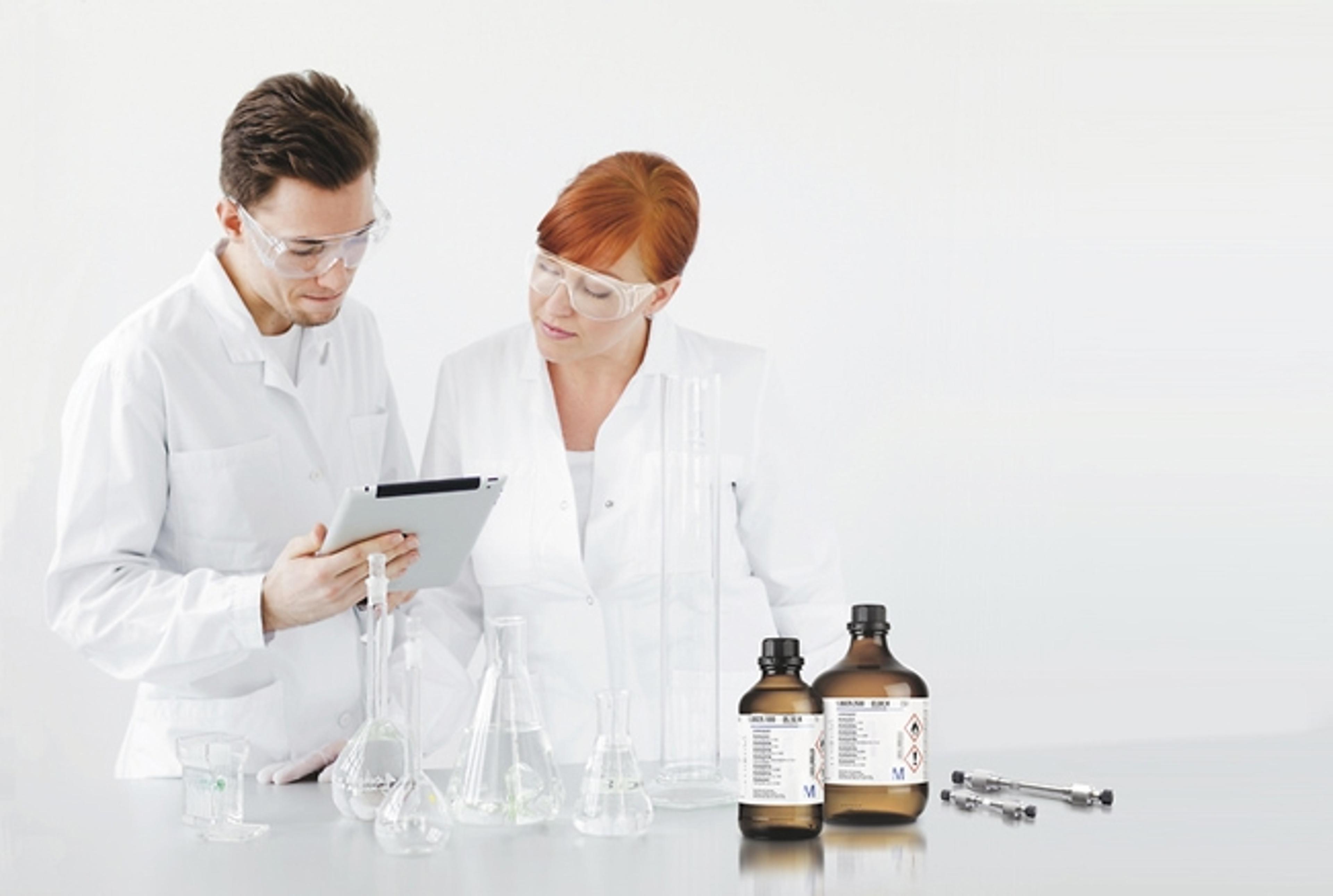
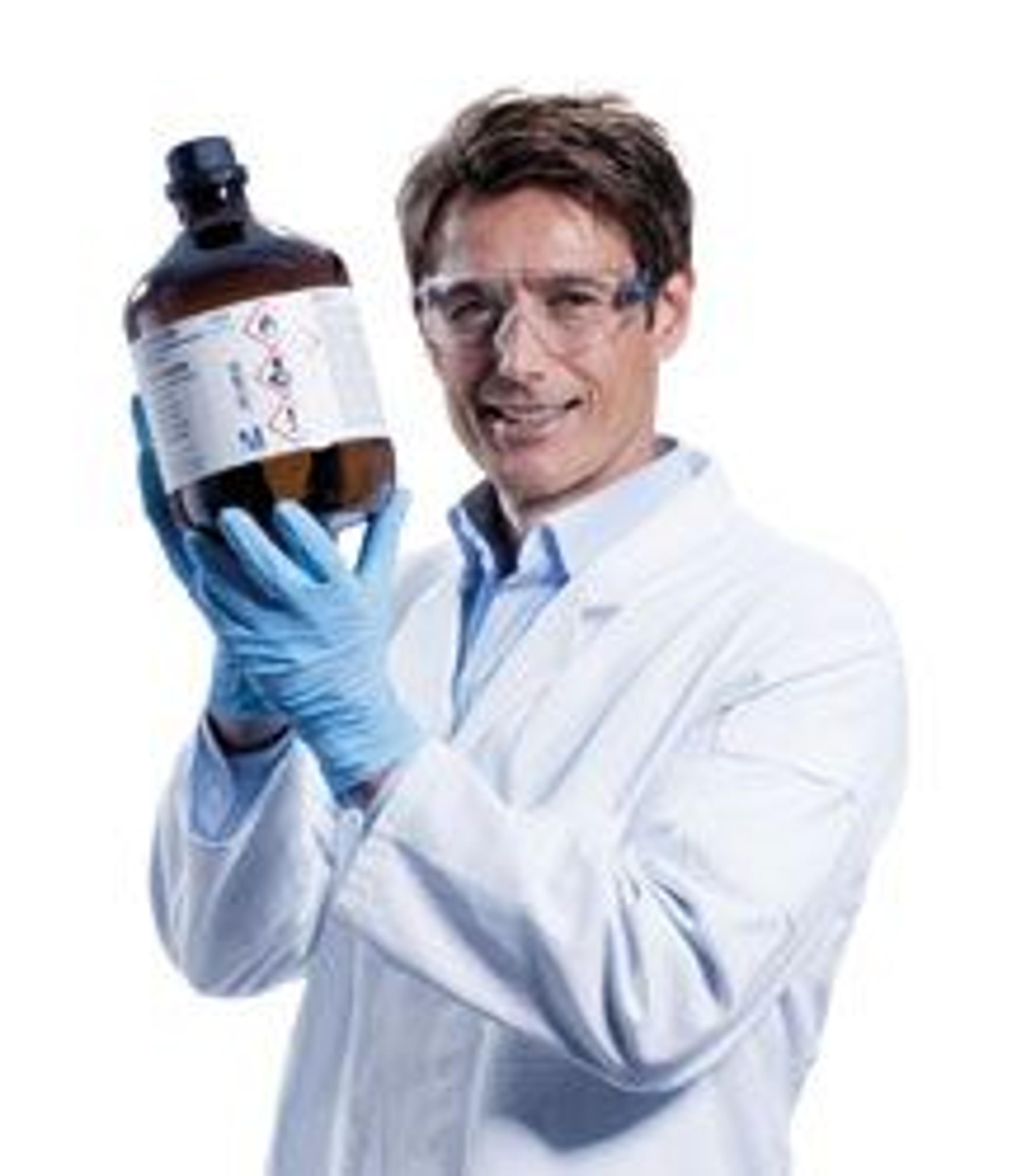
LiChrosolv® Hypergrade Solvents for LC-MS
Merck KGaA, Darmstadt, GermanyHigh purity solvents for LC-MS and trace analysis with UV and fluorescence detection: 0.2 µm stainless steel filtered – perfect for use in UPLC and UHPLC. Very high UV-transmittance. Excellent baseline stability in gradient elution. Very low total ionic current (TIC) in LC-MS. Low level of ionic background and ion suppression. High ionization efficiency in all ionization methods (electrospray ionization/atmospheric pressure chemical ionization (ESI/APCI) positive and negative mode). Applications: Protein profiling. Pesticide Analysis. Polycyclic aromatic hydrocarbons (PAHs). Proteomics LC-MS. LC-MS routine analysis. Lichrosolv® hypergrade solvents enable analysis in the low ppb trace range and can be used for both the isocratic separation of 6 PAHs according to the German DIN method and the gradient separation of 16 PAHs according to the methods EPA 610 (analysis of drinking water) and EPA 550 + benzo(e) pyrene + perylene (analysis of waste water).
High Purity Solvents for headspace GC and LC-MS
Merck KGaA, Darmstadt, GermanySupraSolv® high-purity solvents for headspace GC SupraSolv® solvents for headspace Gas Chromatography (GC) are optimized for the analysis of residual solvents in drug substances, excipients, and drug products according to the International Conference on Harmonisation of Technical Requirements for Registration of Pharmaceuticals for Human Use (ICH), the European Pharmacopoeia (Ph Eur) and the United States Pharmacopoeia (USP). Thanks to their superior baseline clarity and extremely low solvent residues, they eliminate any interference with your findings. All residual solvent classes defined in the ICH guideline are included in the specification, providing you with a precise purity window for your application. Specified according to ICH, Ph Eur and USP Reliable and reproducible results Batch-to-batch consistency LiChrosolv® hypergrade solvents for LC-MS LC-MS, the combination of classical liquid chromatography (LC) with mass spectrometry (MS), is essential in virtually every field of chemical analysis. LiChrosolv® hypergrade solvents are specifically produced and accurately tested for LC-MS suitability, and meet all the requirements of modern LC-MS ionization methods (ESI/APCI positive and negative mode) for best quantitative in triple and quadrupole performance. Due to their low level of ionic background and low ion suppression, they excel in reproducibility and ionization efficiency. The extensive range of returnable stainless steel barrels and withdrawal systems are designed for safe and effortless use to avoid the risk of contamination. Proven LC-MS suitability Highest batch-to-batch consistency High ionization efficiency Excellent baseline clarity
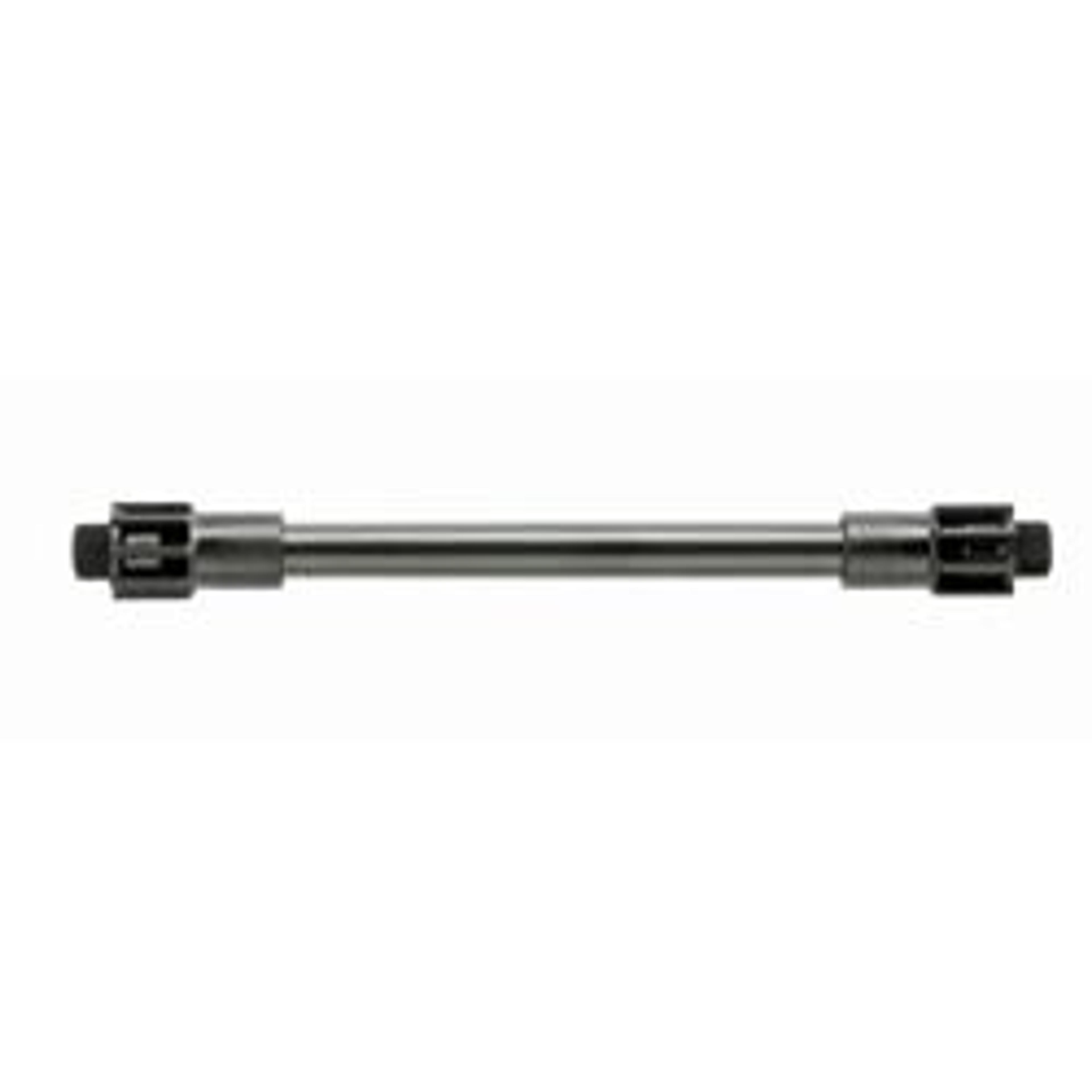
Chromolith® High Resolution HPLC Columns
Merck KGaA, Darmstadt, GermanyChromolith® HighResolution: High resolution separations without ultra high pressure. The revolutionary monolithic Chromolith® HighResolution columns are made from a single rod of high-purity monolithic silica, rather than from particles. Their unique bimodal pore structure allows the chromatographic performance to be improved significantly. Speed of analysis (separations up to 9 times faster if required) Separations two times faster at half the column back-pressure compared to μm columns Higher sample throughput Improved HPLC system security Significantly increased column lifetime Reduced maintenance on HPLC pump and injector seals Reduced need for sample preparation as columns are very resistant to blocking (even with biological samples) Column length no longer pressure limited Very high separation efficiency by column coupling