Fluidigm to offer millions of Advanta COVID-19 tests at low cost to U.S. colleges and universities

Fluidigm COVID-19 campus safeguard program improves availability of non-invasive, saliva-based SARS-CoV-2 tests for higher education institutions

8 Oct 2020

Diane Li
Assistant Editor

Industry news

Fluidigm Corporation, an innovative biotechnology tools provider with a vision to improve life through comprehensive health insight, has announced a program to expand availability of Fluidigm® COVID-19 tests for U.S. colleges and universities. The Fluidigm COVID-19 Campus Safeguard Program will provide millions of noninvasive, saliva-based tests for the SARS-CoV-2 virus to qualifying institutions at a cost as low as $5 per test.

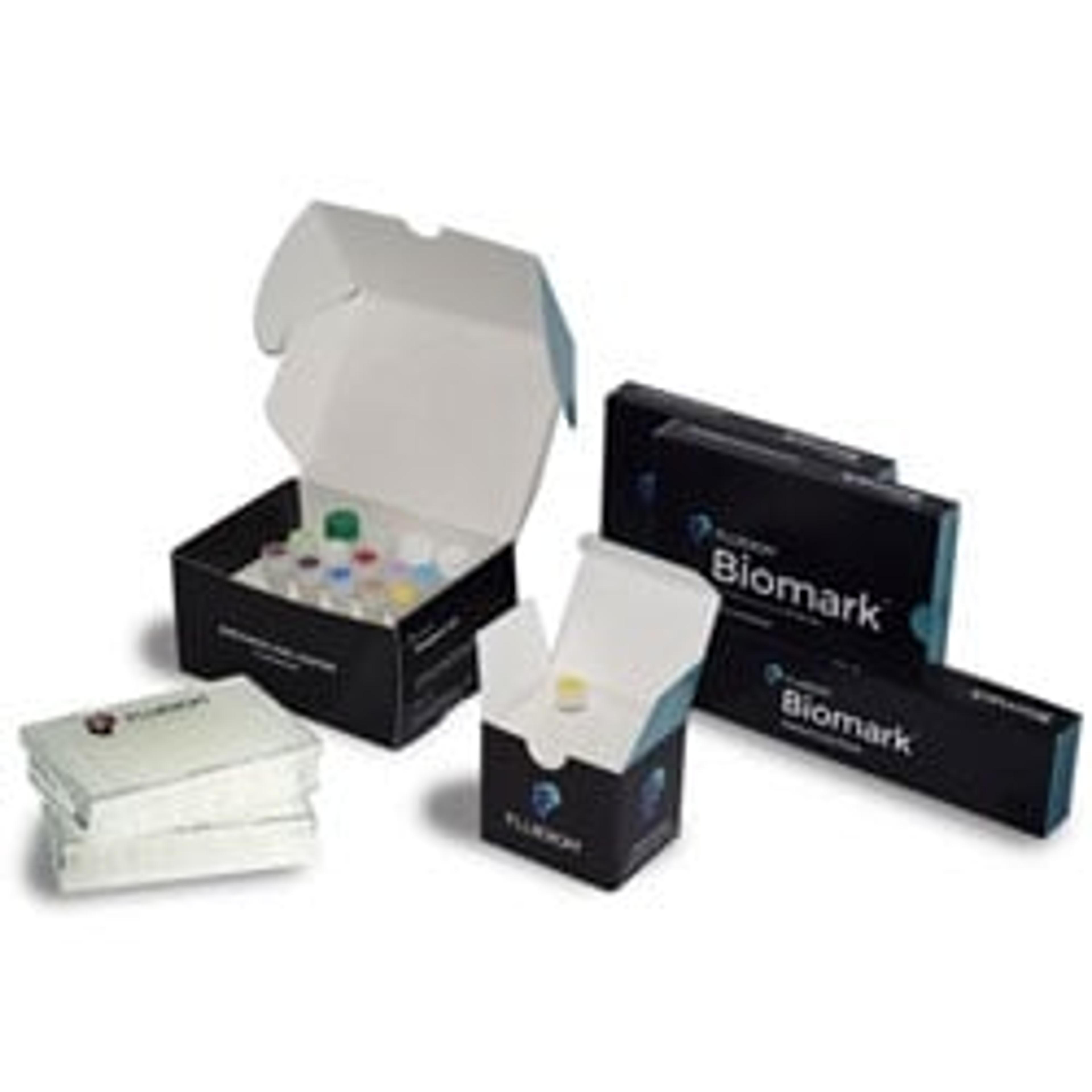
The Advanta™ Dx SARS-CoV-2 RT-PCR Assay on the high-throughput Fluidigm Biomark™ HD system features an integrated testing platform and a reliable supply chain and can be easily combined with commonly available automation platforms.

Fluidigm has received Emergency Use Authorization (EUA) from the U.S. Food and Drug Administration (FDA) for the Advanta Dx SARS-CoV-2 RT-PCR Assay, an extraction-free saliva-based test to detect nucleic acid from the SARS-CoV-2 virus. The assay does not require collection via invasive nasopharyngeal swab. The company’s submission to the FDA demonstrated 100 percent agreement between saliva results from the Advanta Dx SARS-CoV-2 RT-PCR Assay and results from paired nasopharyngeal samples tested with authorized assays.

Development, commercialization and implementation of the Advanta Dx SARS-CoV-2 RT-PCR Assay are supported by a $34 million definitive contract with the National Institutes of Health under the agency’s Rapid Acceleration of Diagnostics (RADx) initiative. The RADx initiative fast-tracks development and commercialization of innovative technologies to significantly increase U.S. testing capacity for SARS-CoV-2.

With the scale-up support, the low-cost, saliva-based Advanta Assay will be targeted to all universities and colleges across the United States. Many higher education systems are struggling to deploy affordable testing programs to serve large populations. Fluidigm has a large number of Biomark HD placements in academic clinical laboratories in the United States that meet requirements to perform high-complexity tests in significant numbers.

Many pioneering higher education institutions and labs across the United States, including the University of Pennsylvania, Washington University in St. Louis, OU Medicine, the University of Oklahoma and the Oklahoma Medical Research Foundation (OMRF), have chosen to use Fluidigm microfluidics technology and reagents to test individuals for the SARSCoV2 virus.

“Fluidigm microfluidics enables a tool for testing in a rapid and affordable format,” said Joel Guthridge, PhD, Director, Translational Informatics & Clinical Research Resources at OMRF. “This approach allows us to identify positive individuals and quickly assess potential exposures and risk with the goal of keeping our employees and students and their families safer.”

“There are many reasons why high-throughput, saliva-based PCR testing for SARS-CoV-2 virus detection is a powerful tool for colleges and universities,” said Chris Linthwaite, Fluidigm President and CEO. “Fluidigm’s saliva-based PCR test combines an affordable, kitted solution with sample collection that is far easier as compared to invasive swabs, and often preferable for both the health care providers collecting samples and the students and staff being tested. Our test has demonstrated 100 percent agreement with paired samples from authorized nasopharyngeal assays. While antigen testing can be an important element of pandemic response, it is not enough, as PCR virus detection provides greater sensitivity.

“Furthermore, the Fluidigm test avoids supply chain constraints associated with other tests and has received Emergency Use Authorization from the FDA.

“We are grateful for the support of the NIH RADx initiative, which has enabled us to accelerate our production capacity and make the Fluidigm COVID-19 Campus Safeguard Program possible. We will continue to ramp up our capacity, and in the fourth quarter we expect to have six million tests available,” Linthwaite said. “We are excited for this opportunity to play a major role in helping to keep students and staff safe as our nation continues to navigate the global health crisis.”

Do you use Fluidigm products in your lab? Write a review today for your chance to win a $400 Amazon gift card>>

Links

Tags

AntibodiesAntibodies are used in techniques such as confocal and fluorescence microscopy, flow cytometry, ELISA, ELISPOT, immunohistochemistry, western blotting and immunopreciptation. Select specific antigen reactivity, high specific affinity, low non-specific binding, monoclonal or polyclonal, primary or secondary antibodies and associated conjugates such as an enzyme or dye for visualization.Cell Adhesion AssaysCell adhesion assays are used to quantitate attachment and analyze the molecular mechanisms for extracellular matrix adhesion, cell migration and sensitivity to inhibitors. Find the best cell adhesion assay equipment in our peer-reviewed product directory: compare products, check customer reviews and receive pricing direct from manufacturers.Combinatorial ChemistryCombinatorial chemistry, also known as combichem, is a technique used in drug discovery to create libraries of structurally related compounds. A library is generated by synthesis with a chemical reactor system or by computer-based modeling of compound combinations. When undertaking combinatorial chemistry consider reagents, buffers, resins and standards.PCR and Thermal CyclingPolymerase chain reaction (PCR) kits and thermal cyclers are used for the in vitro amplification of DNA permitting subsequent analysis and experimental procedures. Explore a range of high-quality polymerase, primers and nucleotides or simplify your workflow with a PCR mastermix. Find reverse transcription PCR (RT-PCR) and cDNA synthesis kits for RNA products and libraries. Quantitatively measure the amplification of DNA with real-time PCR (qPCR) and droplet digital PCR (ddPCR) kits and systems, and discover automated PCR setup solutions to increase throughput. Alternative DNA amplification methods also include recombinase polymerase amplification (RPA) kits. Find the best PCR kits and thermal cyclers and purification equipment in our peer-reviewed product directory: compare products, check customer reviews and receive pricing direct from manufacturers.Data AnalysisData analysis hardware and software is available to make data processing straight-forward yet powerful. Data software can be used for math and stats, technical graphing and image analysis. In addition, software is available for specific data analysis of electrophoresis, densitometry, ELISA and DNA sequencing.Blood TransfusionBlood Transfusion involves giving donor blood to a recipient patient. Screening is essential to avoid transfusion reactions. Blood banks use immunohematological techniques to determine rh and ABO blood group, and screen for antibodies using specific antisera. Blood Banks use Direct Coombs Tests (DCT) and Indirect Coombs Tests (IAT) to detect hemolysis and Haemolytic Disease of the Newborn (HDN).Cellular PathologyCellular Pathology deals with the microscopic analysis of tissue samples and cells. Sample preparation and processing includes fixation, staining, sectioning and slide mounting, using equipment such microtomes and cryostats. In choosing immunohistochemistry and immunocytochemistry kits, consider chromogens, staining method, antibodies, microscopes and imaging.Biopharmaceutical AdvancesBiopharmaceutical advances follow the development of pharmaceuticals derived from biotechnology, also known as biotechnology medicines. Biopharmaceuticals may be produced from cell lines, plants, or microbial cells. Important considerations of biopharmaceutical use include application, cost, production process and purification.Clinical TrialsClinical Trials, an essential part of drug discovery process, assess the safety and effectiveness of a new medication or device in the pharmaceutical industry. Clinical Trials are a phased process (Phase 0, Phase I, Phase II, Phase III and Phase IV) which begins after initial preclinical testing.Clinical ChemistryBiochemistry (or clinical chemistry) involves the analysis of bodily fluids using chemical tests. Techniques used include HPLC, chromatography, spectroscopy, mass spectrometry, immunochemical, electrophoresis, turbidometric / spectrophotometric assay, MRI and ISE analysis. Tests are often carried out on plasma or serum but urine (urinalysis) and fecal specimens are also processed.Clinical GeneticsMolecular Genetics covers the analysis of hereditary genetic disease and chromosomal abnormalities. Genetics can be analysed using DNA, RNA, and protein microarrays, PCR, RT PCR and DNA sequencing. Genetic equipment includes genetic workstations, thermal cyclers, cooling blocks and electrophoresis products. Diagnostic kits are used for DNA / RNA extraction and purification.Clinical MicrobiologyMicrobiology is the study of microorganisms including protists, prokaryotes, fungi, and, often, viruses. Microorganisms are a useful research tool as genetic vectors and, in immunology, for antibiotic susceptibility testing, cellular biology and genetics. Microorganisms commonly grow readily in incubators with microbial culture media; this can contain chromogenic supplements to differentiate between cell lines. Estimate your culture’s density of microorganisms with colony counters, or screen and select colonies for desirable clones with automated colony pickers. Additionally, equipment is available to monitor environments for the presence of microbes and identify with microbial identification instruments. Find the best microbiology products in our peer-reviewed product directory: compare products, check customer reviews and receive pricing direct from manufacturers.Drug DeliveryDrug Delivery refers to dosage form, route of administration, formulations, technologies, and systems for transporting a pharmaceutical compound in the body as needed to safely achieve its desired therapeutic effect. Drug delivery is often approached via the biopharmaceutical or small molecule drug's formulation, but it may also involve medical devices or drug-device combination products. Considerations include instrumentation, software and services. RegulatoryPharmaceutical regulations impact on all areas of drug development, manufacture and control and supply. Services are provided from the early stages of drug development and clinical trials through to dossier submission, approval and marketing. Regulatory also includes submission of analytical studies from the pharmaceutical product and safety. FDAThe Food and Drug Association (FDA) is an agency within the U.S. Department of Health and Human Services. Among other things, it is responsible for ensuring the safety, effectiveness and quality of drugs, vaccines and other biological products, and medical devices.
Fluidigm to offer millions of Advanta COVID-19 tests at low cost to U.S. colleges and universities