Flexible LED Strip Lighting for Your Research Requiring Reduced Luminous Intensity

4 Apr 2017
Weylan Kiam-Laine
Microbiologist

Product news

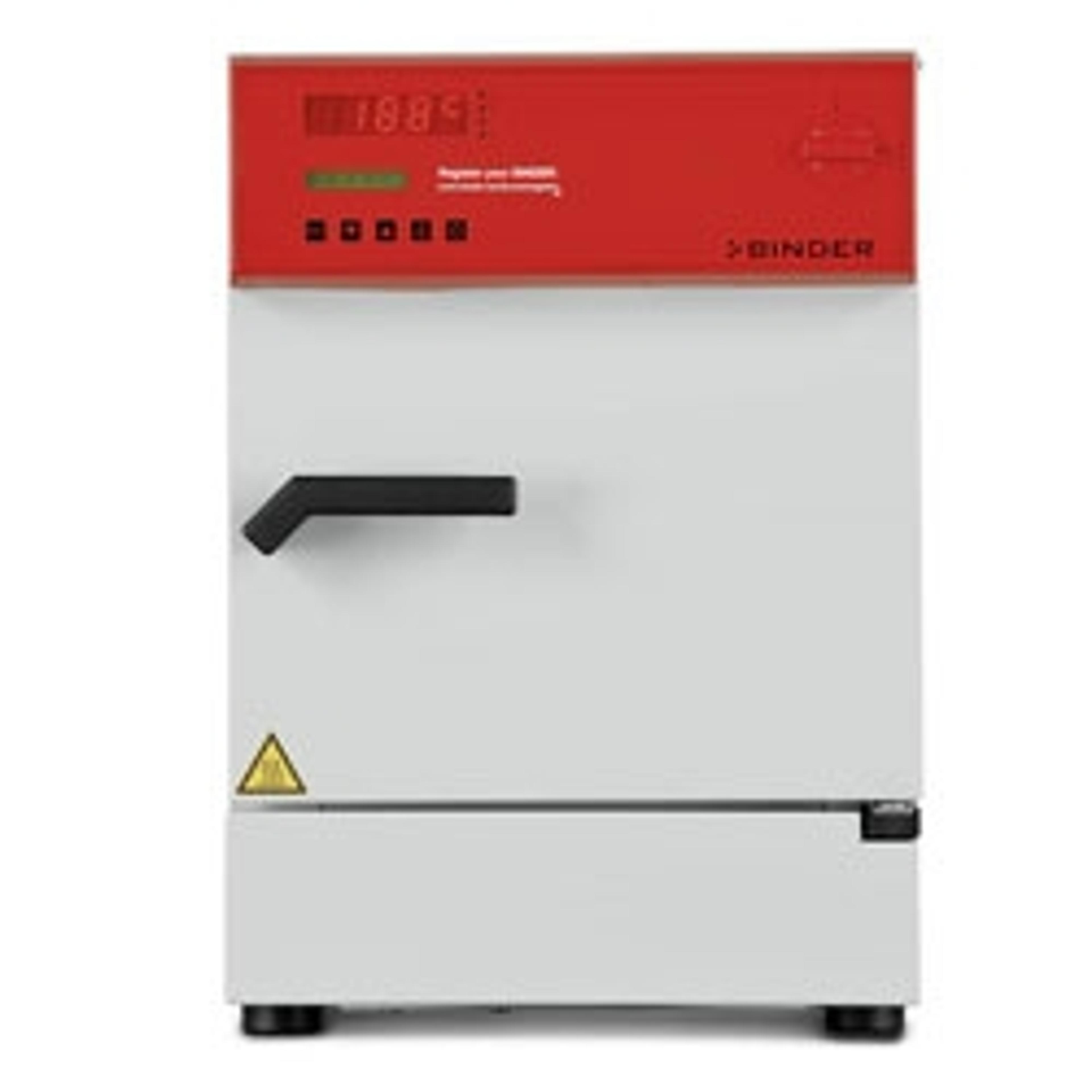
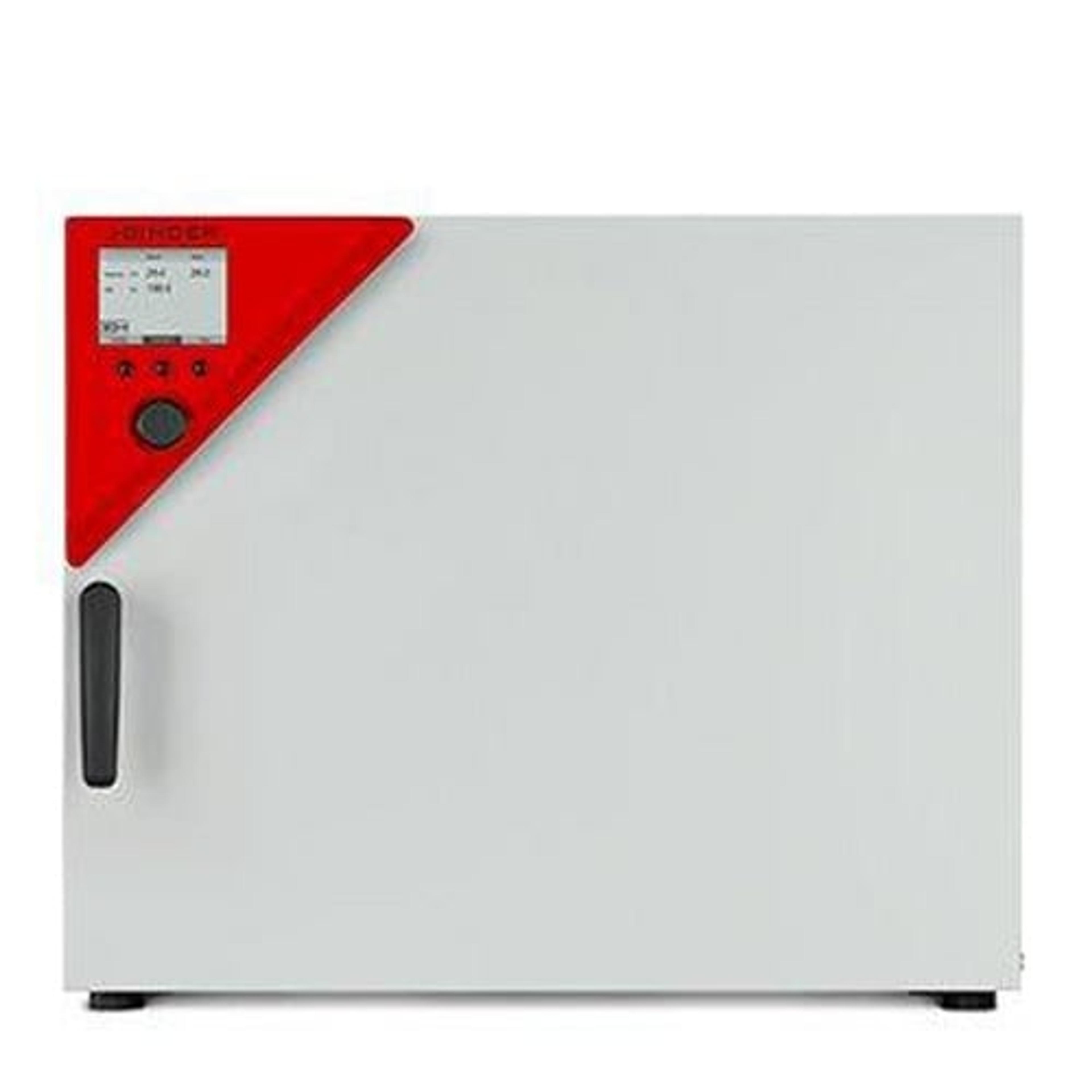
The new BINDER LED strip lights are available now as optional accessories for all incubators, including cooling incubators, and climate chambers. They can be used for biological applications requiring reduced luminous intensities.

All BINDER incubators, including cooling incubators, and climate chambers are now available with LED strip lights as optional accessories that can be used with flexibility. The strip lights, which come in lengths of 30 cm, 50 cm and 90 cm, are splash-proof (IP 65) and can be operated at between -5°C and 60°C. They have an illuminance of 600 lux. The strip lights are ideal for use in biological applications for which the luminous intensity needs to be reduced. “In the fields of basic research, evolutionary developmental biology, and genetics in particular, a weak light dose is required for many model organisms, including Drosophila, Caenorhabditis, and zebrafish, to thrive. This also applies to moss and the seed germination of higher plants, too”, explains Biologist Dr. Jens Thielmann, Product Manager at BINDER. A day/night cycle also often proves hugely beneficial when natural conditions need to be recreated for research with organisms of this kind. The settings can be programmed using the corresponding control unit which has a built-in timer and the luminous intensity adjusted between 0% and 100% thanks to the dimmer. Up to four strip lights can be connected to one control unit, which is magnetically attached to the outer housing side panel with ease. The strip lights are sold as accessories in two types of packs: The starter pack contains two strip lights, a control unit, and fastening materials including clips and power strips, while the expansion pack comes with two strip lights and the fastening materials. The strip lights feature high-quality white LED modules with a color temperature of 6,500 K (cool daylight) that are cast in an aluminum profile rail. They can be flexibly placed in the interior of chambers and connected to the control unit with a cable, which will ideally be laid through an access port, but can also be fed through the door gasket.
Links

Tags

Cell / Tissue CultureCell culture or tissue culture is used to study the biology of cells or tissues and to isolate cellular products in an environment which can be manipulated and well defined. Accurately control your culture environment with bioreactors or culture incubators, bind your cells to a surface or together with an extracellular matrix. Distinguish cell types with differential media or proliferate cells with certain characteristics using selective media. Enrich your media with supplements such as growth factors, sera and vitamins. Find the best cell and tissue culture products, kits and equipment in our peer-reviewed product directory: compare products, check customer reviews and receive pricing direct from manufacturers.Genome AnalysisGenomics, the study of genomes, includes functional genomics, evolutionary genomics and comparative genomics. There are many genomic technologies such as DNA sequencing of whole genomes, computational biology and bioinformatics. DNA and nucleic acids must be isolated and concentrated from cells for analysis with kits, automated analyzers and software. Other useful technologies for studying genomics include PCR, microarrays and electrophoresis.IncubatorsLaboratory incubators are used to provide a stable environment to cultivate and store samples in, giving you optimal control of temperature, humidity, oxygen and CO<sub>2</sub> levels. Incubators are necessary equipment for cell culture and microbial research. Control temperature with heated or refrigerated incubators, or the levels of CO<sub>2</sub> and oxygen with CO<sub>2</sub> incubators. Using environmental chambers, create a humid climate for testing samples. Find the best incubators in our peer-reviewed product directory: compare products, check customer reviews and receive pricing direct from manufacturers.DNA SequencingDNA sequencing, such as sanger sequencing, is a biological technique that determines the precise order of nucleotide bases in a fragment or template of DNA. DNA sequencers and genetic analyzers are based on capillary electrophoresis, where labeled DNA fragments are electrophoretically separated by size as they migrate through a polymer. Find the best DNA sequencing products, including DNA sequencing kits, genomic libraries and genetic identity kits in our peer-reviewed product directory: compare products, check customer reviews and receive pricing direct from manufacturers.Gene Expression and Molecular CloningMolecular cloning is a set of techniques that utilizes vectors to transfer recombinant DNA into host cells and is an essential tool for investigating the expression of genes and proteins in bacterial or mammalian cells. A variety of vectors optimized for gene cloning and expression in a range of host organisms are available, alongside competent cells for genetic replication. Here, you can explore a range of molecular tools, high-quality genomic and cDNA libraries, premade clones, transformation and transfection reagents and mutagenesis or gene expression detection assays and expression arrays. Find the best gene expression and molecular cloning products in our peer-reviewed product directory: compare products, check customer reviews and receive pricing direct from manufacturers.Cell IncubationCell incubation involves maintaining controlled environmental conditions for growing and nurturing cells. It is essential for cell culture studies, drug testing, and regenerative medicine. Explore cell incubation solutions in our peer-reviewed product directory; compare products, check reviews, and get pricing directly from manufacturers.Cooled Incubators