
First automated custom panel designer for mouse genomes and CRISPR editing to accelerate breakthroughs in cancer research
31 May 2020
Product news
Mission Bio has announced extended capabilities for Tapestri Designer, the first-ever automated, cloud-based tool for designing targeted single-cell DNA custom panels. Now with applications across mouse genomes and CRISPR editing, the product’s easy-to-use, AI-powered, self-service interface reduces design time for custom panels from weeks to just minutes, to help accelerate cell and gene therapy.
In order to realize the potential of gene editing technologies and CRISPR-based therapies, it’s critical to have tools to track the intended DNA edits, along with measuring what unintended changes may have also occurred. Similarly, in the development of new treatments, leveraging model organisms, like mouse models, provides the opportunity to test possible therapeutic agents and evaluate their precise effects in preclinical drug development phases.
“With Tapestri Designer, research teams have the flexibility to quickly and easily target relevant regions of interest at the single-cell level -- keeping analysis simple and cost-effective -- while increasing speed and efficiency for high-impact applications,” explained Anup Parikh, Ph.D., VP of Software and Informatics at Mission Bio. “With these extended capabilities, we’re further supporting cell and gene therapy applications across academia and pharma to accelerate more precise, impactful treatments to market.”
The Tapestri Platform is the first and only single-cell multi-omic platform capable of detecting DNA and protein changes simultaneously from the same cell, and Tapestri Designer has already been used to design hundreds of custom panels across a variety of cancer applications. The update extends the best-in-class Tapestri Designer to further support researchers with:
- CRISPR applications: Researchers can uniquely measure zygosity, co-occurrence of multiple edits including on- and off-target events, and rare cell populations, providing the information necessary to optimize editing systems and use them safely.
- Mouse genome compatibility: Critical to advancing pre-clinical and early phases of drug development programs, mouse single-cell custom DNA panels are now available.
- White glove service: Mission Bio design experts are on-hand to support customers with unique and novel custom panel needs for single-cell DNA or multi-omics panels.
“As I want to maximize the data from a single cell sequencing study of rare patient samples, it is imperative that the targeted panel is built wisely,” explained Guy Ledergor, MD, PhD, at the University of San Francisco. “Tapestri Designer does just that - with an easy to use interface, and high coverage of my genomic regions of interest.”
Want more of the latest science news straight to your inbox? Become a SelectScience member for free today>>
Related products
Request Quote for All Products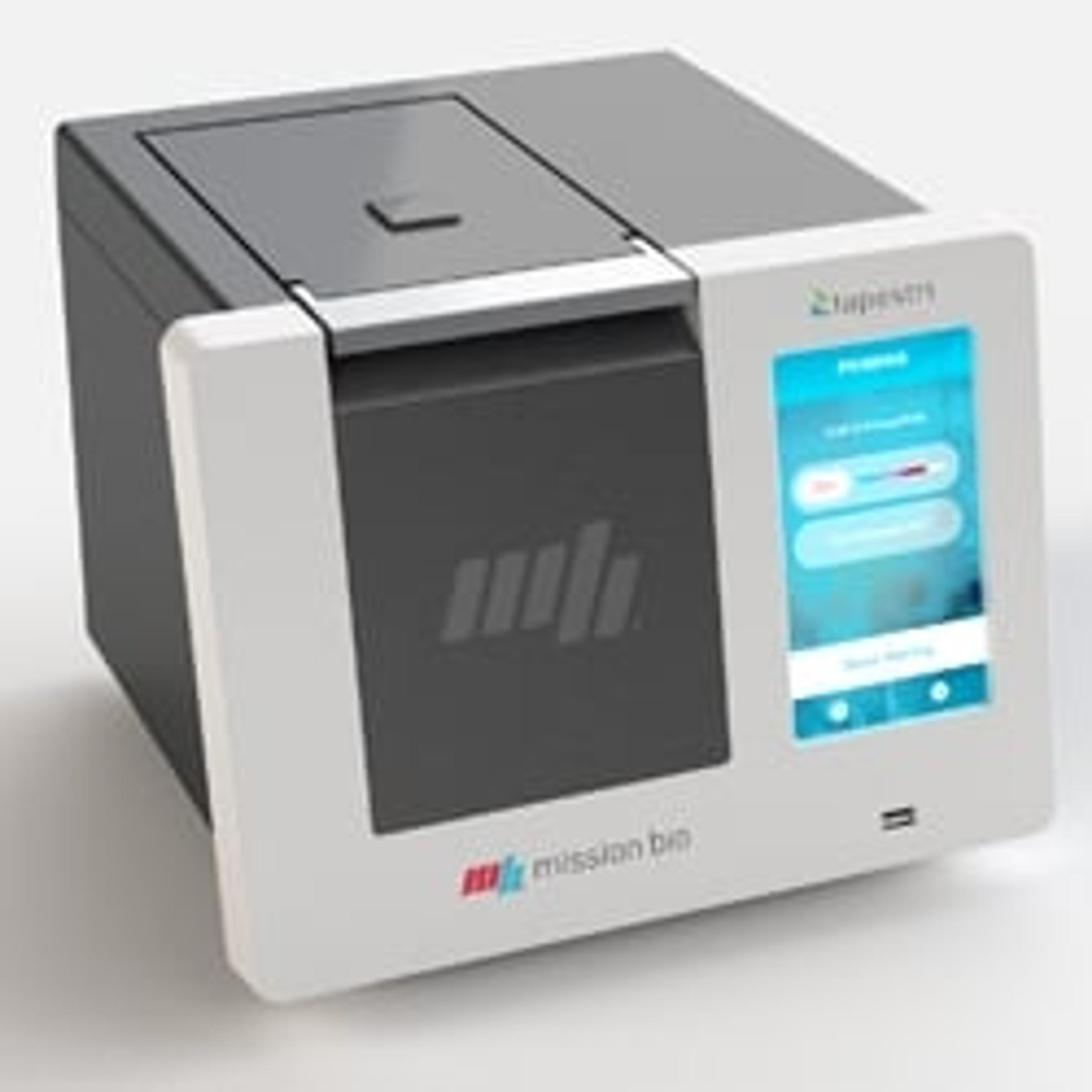
Tapestri Platform
Mission BioClonal Resolution with Single-Cell Precision Complex disease evolves, so understanding genetic variability — including mutation co-occurrence at the single-cell level — is vitally important for clinical researchers to break the cycle of treatment response, resistance and relapse.