
FDA Approves Beckman Coulter’s Prostate Health Index Test
28 Jun 2012
Product news
Beckman Coulter, Inc., the leader in prostate cancer diagnostics, has announced Premarket Approval (PMA) from the U.S. Food and Drug Administration (FDA) for the Prostate Health Index (phi), a simple, non-invasive blood test that is 2.5 times more specific in detecting prostate cancer than PSA (prostate-specific antigen) in patients with PSA values in the 4-10 ng/mL range and is proven to reduce the number of prostate biopsies.
The phi test is indicated for use in men with a PSA in the range of 4-10 ng/mL. Typically, U.S. physicians recommend that men with a PSA in that range consider a prostate biopsy, however, an elevated PSA may be due to benign conditions other than cancer, which can lead to unnecessary biopsies. Prostate Health Index helps physicians distinguish prostate cancer from benign conditions. The results of phi’s multi-center clinical study showed a 31 percent reduction in unnecessary biopsies.
“Prostate Health Index is a better test because it provides more accurate information physicians and patients need for better decision-making,” said William Catalona, M.D., director of the Clinical Prostate Cancer Program at Northwestern University in Chicago and founder of the Urological Research Foundation. “Now, patients and physicians wondering what to do with an elevated PSA test result in the 4-10 ng/mL range have a new, non-invasive option. This represents an advance in the science of prostate cancer management.”
“The Prostate Health Index is the result of years of collaboration with some of the world’s leading prostate cancer researchers and medical institutions who have studied the scientific, clinical and economic benefits of phi,” explained John Blackwood, vice president of Product Management, Beckman Coulter Diagnostics.
Available from Beckman Coulter in Europe since 2010, phi will be available in the U.S. in the third quarter of 2012 for use on the company’s Access 2 and UniCel DxI immunoassay systems.
Related products
Request Quote for All Products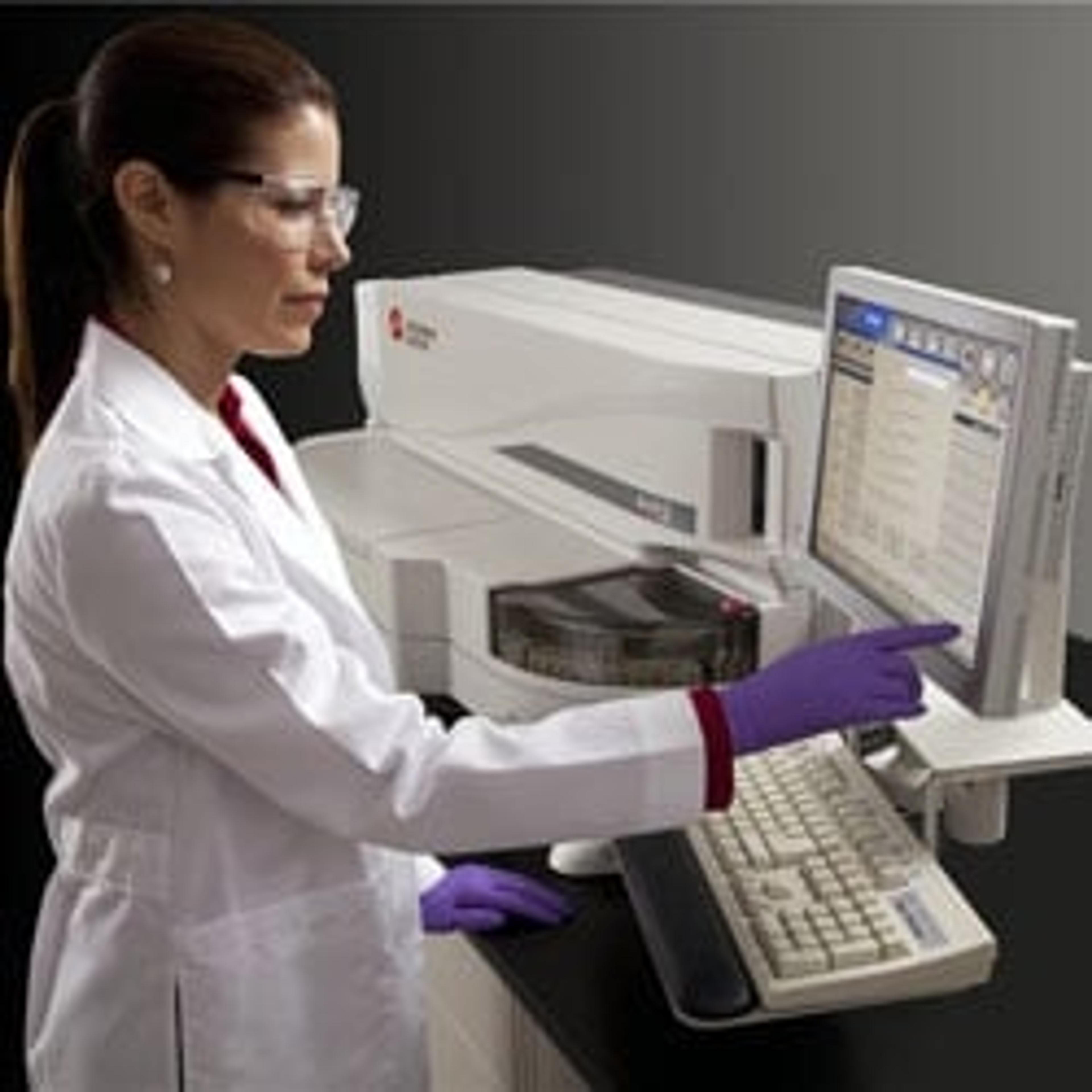
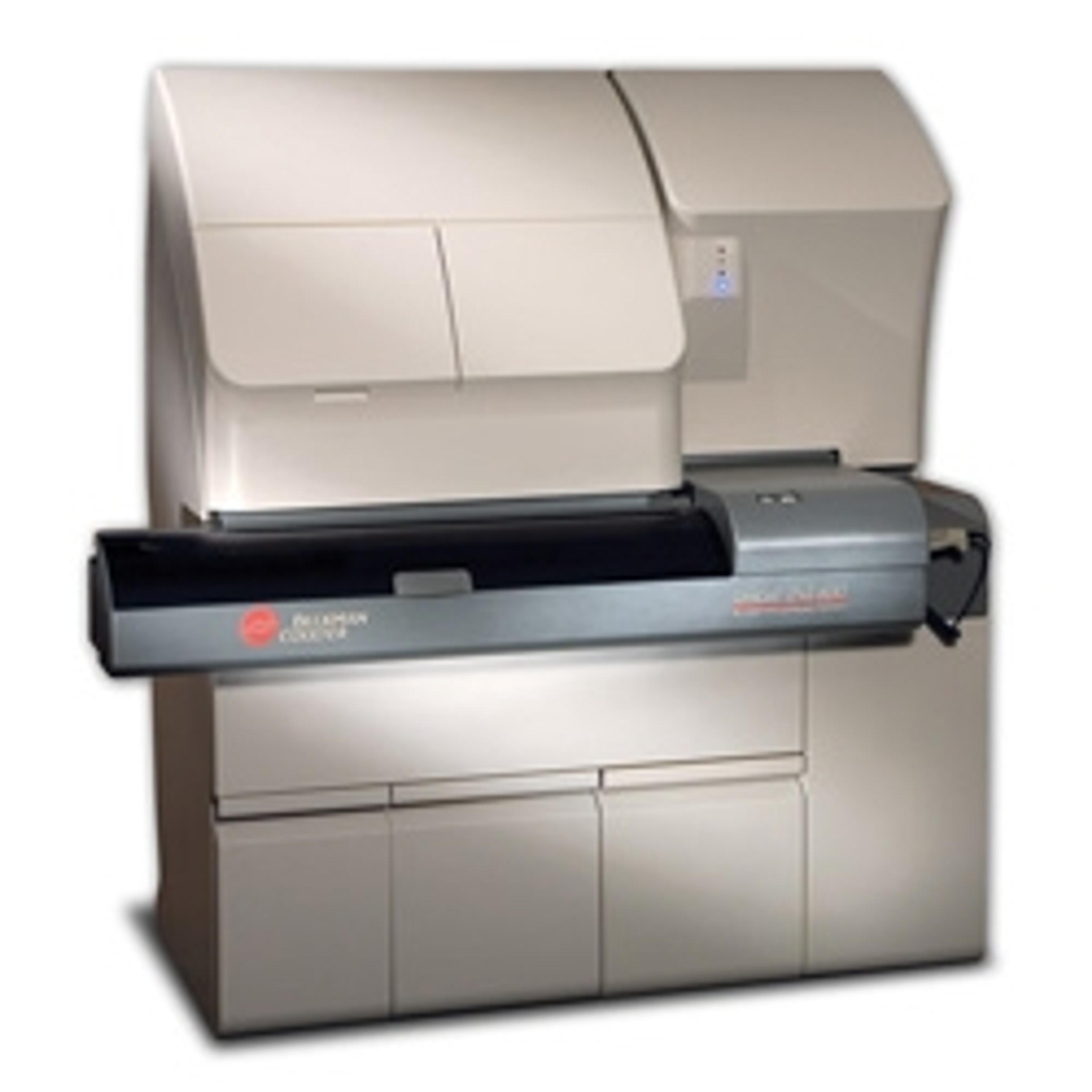
UniCel DxI 600 Access Immunoassay System
Beckman Coulter DiagnosticsEfficient operation for exceptional productivity in the hospital lab