
Exploring the power of gut microbiota
Seward creates new avenues for enhancing women's physical health
7 Aug 2023
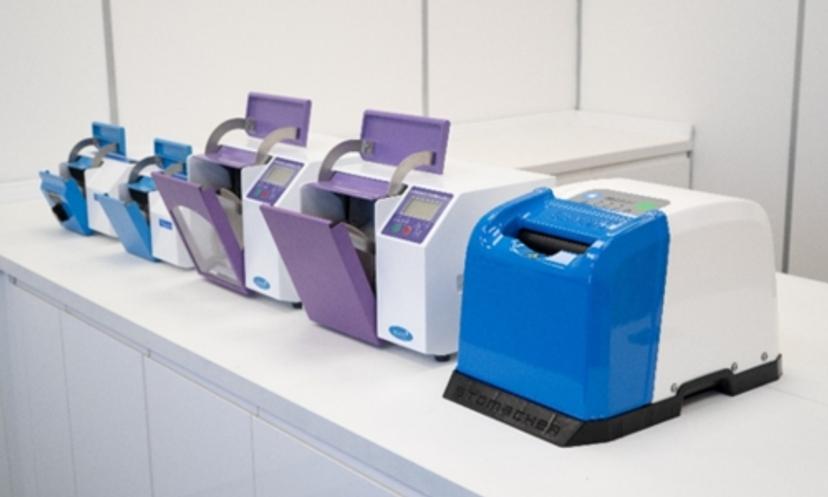
The human gut microbiota, a complex community of microorganisms residing in human digestive systems, has gained significant attention over recent years. While fecal microbiota transplantation has paved the way, further research has shined a light on the replication of beneficial gut microbiota on aiding and researching infant and women’s health.
Groundbreaking breast milk research has driven the development of products that facilitate the delivery of critical microbes to infant gut flora, supporting early immune system development and metabolism. A number of start-up companies are currently in the process of creating a scientifically validated microbiome supplement containing bacteria sourced from breast milk donated by healthy mothers, delivering these to at-risk babies.
Further to this, there has been an increase in companies researching and developing ProViotic products to help support a healthy vaginal microbiome in women. A high level of good bacteria indicates a healthy vaginal microbiome, which is associated with a lower risk of experiencing miscarriage and preterm birth. It is claimed that this could also help prevent recurring vaginal infections and a lower risk of developing gynae cancers.
Protection from cross-contamination
Seward machines are designed so that the sample is contained within a sterile bag. The blending process is applied to the outside of the bag by shaped reciprocating metal paddles. The sample does not come into contact with the Stomacher® machine, instead, it is contained within the bag. This means that the risk of cross-contamination is eliminated.
Improved working environment
There is no risk of aerosol production or odors escaping into the lab as the bag is sealed when it is being processed. This ensures a better working environment for the technicians. And as the Seward Stomacher machines come in a range of sizes, they are suitable for use with a fume hood.
Sample viability
The viability of the sample is also protected by the blending process of the Stomacher® lab blenders. The machines operate at a maximum of 600 paddle strikes per minute, imparting a powerful blending action to the sample ensuring maximum homogeneity is achieved. This action prevents damage to the bacteria contained within, compared to other blending methods.
Regulatory-approved and viable test results
Seward products have been found to be compliant with the Medicines and Healthcare products Regulatory Agency (MHRA) regulations. As a result, the Seward products have been chosen by the National Health Service (NHS) as it opens up its use of microbiome research and production facilities.
Want the latest science news straight to your inbox? Become a SelectScience member for free today>>
Related products
Request Quote for All Products
Seward Stomacher® 400 EVO lab blender
Seward LtdThe Seward Stomacher® EVO lab blender combines the gold standard attributes of the original Stomacher® 400 with improved, easy to use features. Maximum performance in sample preparation combined with reduced laboratory consumable and waste disposal costs when used with our Seward Stomacher® Eco bags.
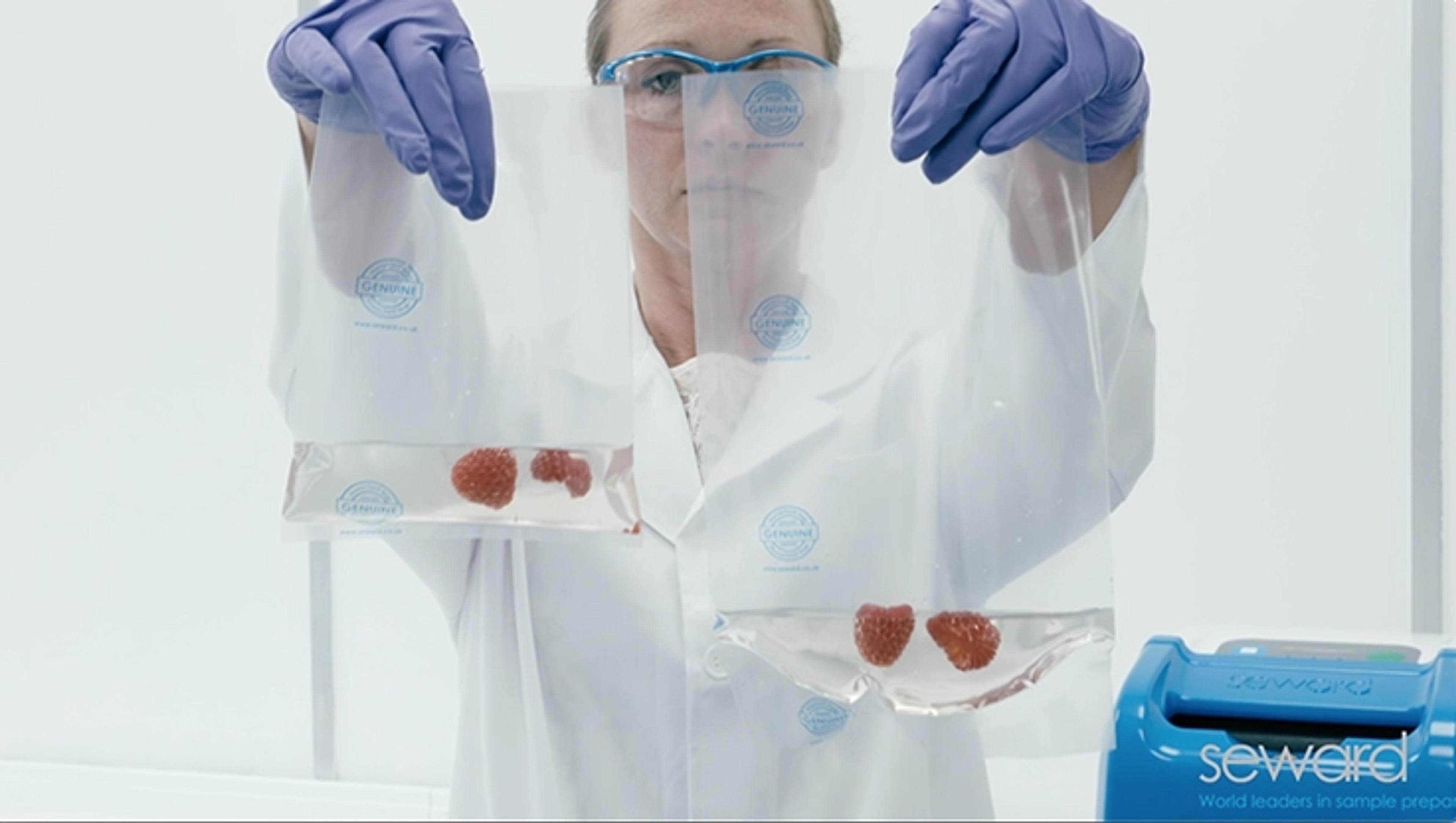
Seward Stomacher® 400 EVO Eco blender bags
Seward LtdReduce your laboratory's plastic usage and waste disposal costs with our Seward Stomacher® Eco sample bags. Smaller bags (30% smaller than standard sample blender bags), same results, same Seward quality of sample preparation. Suitable for volume sample sizes 80ml – 400ml and for use exclusively with the Seward Stomacher® 400 EVO blender.