Explore the latest webinars to expand your research knowledge

Discover the latest tools and techniques to expand your research capacity with expert-led presentations on the world of microbiomes, best practices for 2D-LC, applications of live-cell imaging, and more

2 Oct 2022

Blake Forman
Content Creator

Expert insights

Upcoming SelectScience Webinars

SelectScience® hosts dozens of informative free webinars for scientists every month, featuring world-class speakers at the very forefront of their respective fields. In this regular feature, we highlight the events you won't want to miss over the next week or so, as well as some of our top on-demand webinars.

This week, learn how to obtain thorough homogenization and lysis of any microorganism from samples used in microbiome research, get an overview of 2D-LC instrumentation, and discover an assay to investigate the inhibition of Akt activity in cancer cell lines stably expressing the Kinase Akt biosensor.

Exploring the world of microbiomes – Insights of state-of-the-art solutions for metagenomic approaches

DNA double helix

To explore the natural microbial community of any ecosystem by high-resolution molecular approaches, it is extremely important to develop sensitive and reproducible nucleic acid extraction methods. In this webinar, learn how to obtain thorough homogenization and lysis of any microorganism from samples used in microbiome research. Plus, discover how the FastDNA™ SPIN Kit for Soil from MP Biomedicals can be used for DNA extraction and microbiome sequencing.

Tuesday, October 4, at 13:30 BST / 14:30 CEST / 08:30 EDT / 05:30 PDT

Register here

Solutions and best practices for 2D-LC

Close up of the pumps on a HPLC system

In this webinar, get an overview of 2D-LC instrumentation for multi-heart cutting and comprehensive 2D-LC. Gain tips on how to deal with discrepancies between mobile phase dimensions and what to consider for column re-equilibration, detection, and minimizing additional column dispersion. Plus, hear small molecule application examples from different industries and method development case studies.

Wednesday, October 5 at 16:00 BST / 17:00 CEST / 11:00 EDT / 08: 00 PDT

Register here

Real-time visualization and quantification of Akt activity using live-cell imaging
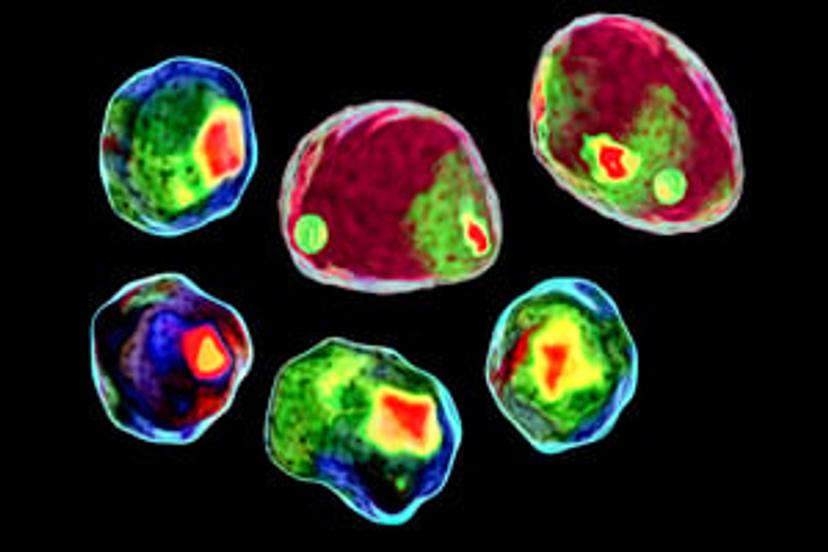
Human cells imaged with a flow cytometer

Akt is a serine/threonine protein kinase that is upregulated across various diseases and has been extensively studied as a therapeutic target. In this webinar, John Rauch, senior scientist at Sartorius, and Jasmine Trigg, scientist at Sartorius, will demonstrate the utility of the Incucyte® Kinase Akt Lentivirus Reagent. This biosensor enables Akt activity to be monitored in real-time, providing kinetic data on Akt activation and inhibition in living cells within a physiologically relevant environment.

Thursday, October 6, 2022, at 16:00 BST / 17:00 CEST / 11:00 EST / 08:00 PST

Register here

Watch our webinars at a time that suits you

Missed one of our webinars? Fortunately, all SelectScience webinars are made available on demand after the live event. Catch up on some of our latest webinars below:

The value of molecular controls for validation and routine monitoring in an accredited lab

Watch here»

Genome-wide association study on 13,167 individuals identifies regulators of blood CD34+ cell levels

Watch here»

How to seamlessly integrate the supply of purified water in new laboratory construction

Watch here»

Tools to streamline cell line development for biotherapeutics

Watch here»

Comprehensive vehicle emissions testing using thermal desorption (TD) and GC×GC–TOF MS

Watch here»

Natriuretic peptides and heart failure: Clinical practice application now and in the future

Watch here»

The importance of gold standard partnerships in conducting large scale cancer screening studies

Watch here»

Total Process Control - Sepsis

Watch here»

SelectScience runs 10+ webinars a month across various scientific topics, discover more of our upcoming webinars>>

Links

Tags

UHPLC and HPLCHigh performance liquid chromatography (HPLC) and ultra high performance liquid chromatography (UHPLC), also known as UPLC, are analytical techniques used to separate, identify and quantitate components of complex mixtures including biological samples such as proteins and lipids as well as chemical mixtures of pesticides, drugs and oils. Both techniques are liquid chromatographic methods but differ by operating pressures (HPLC < 6000 psi < UHPLC ). Components of HPLC and UHPLC systems include columns, detectors, pumps, autosamplers and column heaters. Explore a range of UHPLC and HPLC columns for your specific sample needs including reverse phase, normal phase, ion exchange, HILIC, ion exclusion and size exclusion columns. For more specialized HPLC, explore FPLC, countercurrent LC and simulated moving bed systems. Find the best UHPLC and HPLC equipment in our peer reviewed product directory: compare products, check customer reviews and receive pricing direct from manufacturers.LC-MSLC-MS (liquid chromatography-mass spectrometry) systems and equipment are used for separation and quantitative analysis of complex mixtures, combining liquid chromatography and mass spectrometry. Quantify proteins, contaminants, pesticides or screen for drug metabolites with a high level of sensitivity. LC-MS systems and equipment include reverse phase, normal phase and specialized columns integrated with various MS detectors such as time-of-flight (TOF), quadrupole, orbitrap or ion trap mass analyzers. LC-MS/MS instruments equipped with a qTOF or triple quadrupole analyzer give greater sensitivity and resolving power to your analysis. Find the best LC-MS equipment in our peer-reviewed product directory: compare products, check customer reviews and receive pricing direct from manufacturers.Genome AnalysisGenomics, the study of genomes, includes functional genomics, evolutionary genomics and comparative genomics. There are many genomic technologies such as DNA sequencing of whole genomes, computational biology and bioinformatics. DNA and nucleic acids must be isolated and concentrated from cells for analysis with kits, automated analyzers and software. Other useful technologies for studying genomics include PCR, microarrays and electrophoresis.MicrobiologyMicrobiology is the study of microorganisms including protists, prokaryotes, fungi, and, often, viruses. Microorganisms are a useful research tool as genetic vectors and, in immunology, for antibiotic susceptibility testing, cellular biology and genetics. Microorganisms commonly grow readily in incubators with microbial culture media; this can contain chromogenic supplements to differentiate between cell lines. Estimate your culture’s density of microorganisms with colony counters, or screen and select colonies for desirable clones with automated colony pickers. Additionally, equipment is available to monitor environments for the presence of microbes and identify with microbial identification instruments. Find the best microbiology products in our peer-reviewed product directory: compare products, check customer reviews and receive pricing direct from manufacturers.Gene Expression and Molecular CloningMolecular cloning is a set of techniques that utilizes vectors to transfer recombinant DNA into host cells and is an essential tool for investigating the expression of genes and proteins in bacterial or mammalian cells. A variety of vectors optimized for gene cloning and expression in a range of host organisms are available, alongside competent cells for genetic replication. Here, you can explore a range of molecular tools, high-quality genomic and cDNA libraries, premade clones, transformation and transfection reagents and mutagenesis or gene expression detection assays and expression arrays. Find the best gene expression and molecular cloning products in our peer-reviewed product directory: compare products, check customer reviews and receive pricing direct from manufacturers.In Vivo Imaging Systems<i>In vivo</i> imaging systems, including pre-clinical imaging systems and medical imaging systems are used to non-invasively visualize and capture images of live animals and plants. Monitor the natural processes or diseases of your subjects using small-animal pre-clinical imaging systems, including single photon positron emission tomography (SPECT), positron emission tomography (PET), computed tomography (micro-CT), magnetic resonance imaging (MRI), X-ray radiography, ultrasound, fluorescence and bioluminescence imagers. Multimodal systems and software solutions are also available for correlative analysis of organ, tissue, cell, or molecular-level processes. Find the best in vivo imaging products in our peer-reviewed product directory: compare products, check customer reviews and receive pricing direct from manufacturers.Live Cell ImagingLive cell imaging is the study of living cells using microscopes and high-content imaging systems. This technique provides in-depth insight into fast and complex biological processes, by allowing dynamic imaging of living cells instead of acquiring an individual image at a single point in time.GenomicsGenomics is the study of genomes, focusing on the sequencing, analysis, and interpretation of genetic material. It is key in understanding genetic diseases, evolutionary biology, and personalized medicine. Techniques like next-generation sequencing (NGS) are commonly used in genomics research. Browse our peer-reviewed product directory to find the best genomics tools, compare products, check reviews, and get pricing directly from manufacturers.MicrobiomeMicrobiome research focuses on the complex communities of microorganisms living in and on humans, animals, plants, and environments. It plays a crucial role in health, disease, and ecological balance. Explore tools and resources for microbiome analysis, including sequencing platforms and bioinformatics software.2D Chromatography