Exclusive Video Interviews from Pittcon 2016

Learn about the latest technologies showcased at this year’s Pittcon!

9 May 2016
Alex Waite
Editorial Assistant

Editorial article


Watch exclusive SelectScience® video interviews from Pittcon2016 to learn more about the technologies and innovations enhancing scientific research.

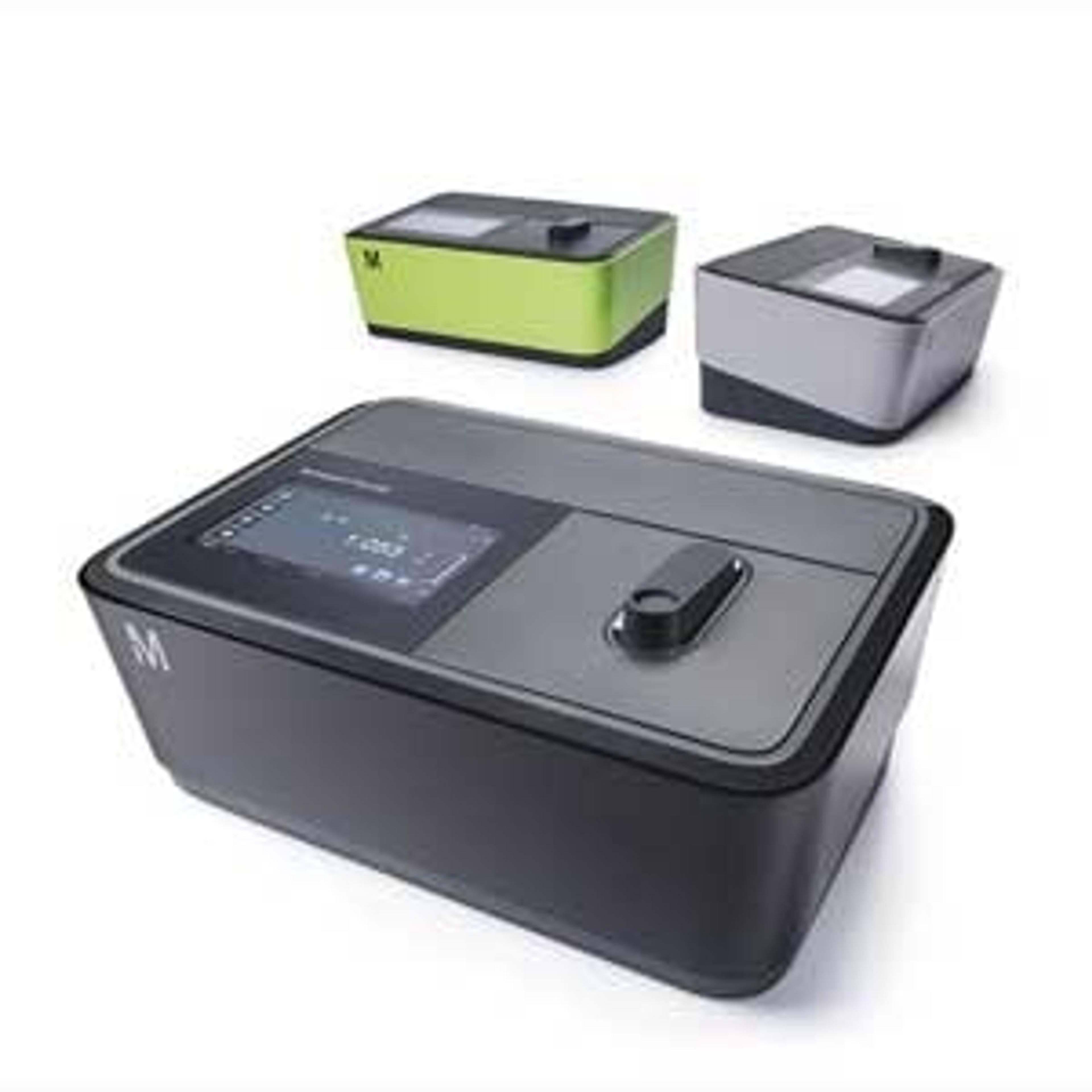
1. Rapid On-Site Analysis of Water and Beverage Samples with Spectroquant® Prove


Taylor Reynolds, Field Marketing Manager at MilliporeSigma, explains how MilliporeSigma’s new Spectroquant® Prove spectrophotometers provide rapid and simple analysis of compounds in water and beverage samples, with preprogrammed tests for water and wastewater, as well as brewery applications, and more. Watch the video>>

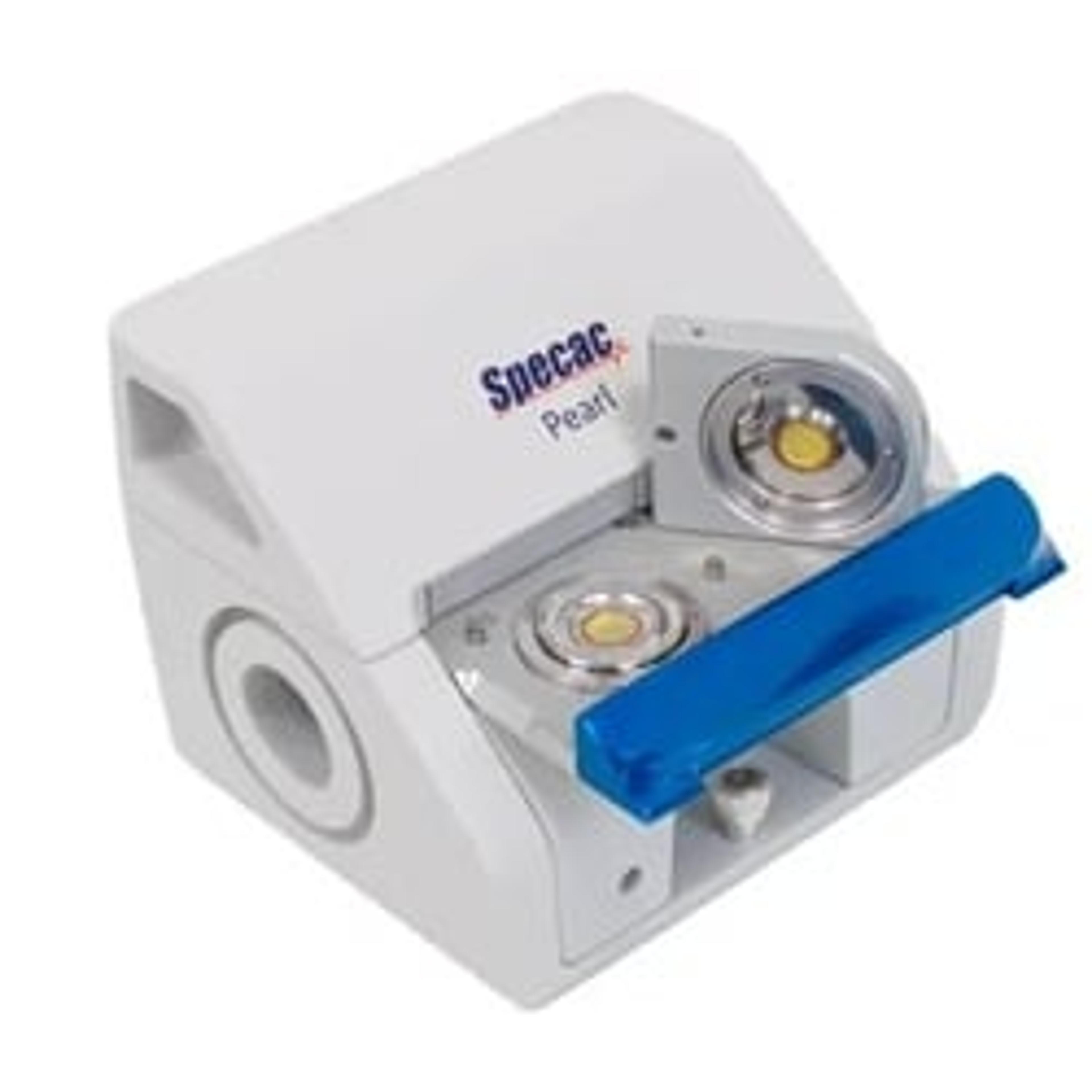
2. Simplifying Analysis and Ensuring Quality of Edible and Industrial Oils


In this video, Scott Brecker, North American Business Manager at Specac Inc., explains why the Pearl Liquid Transmission Accessory is ideal for analyzing liquid samples. Hear how the Pearl can also detect biomarkers in biological samples, with easy-clean features allowing contamination-free analysis. Watch the video>>

3. New Multi-Application NuWind Benchtop Centrifuges from NuAire
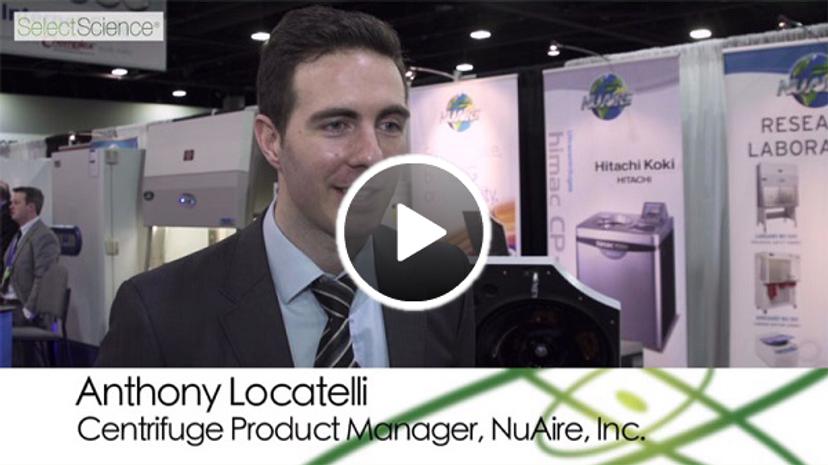
 

Learn about the unique and improved features of NuWind benchtop centrifuges, which are ideal for multi-application uses, from Anthony Locatelli, Centrifuge Product Manager at NuAire Inc. Watch the video>>

4. Progress in Monolithic Column Technology for Liquid Chromatography


Dr Milton Lee, Professor at the Department of Chemistry and Biochemistry at Brigham Young University, discusses his collaboration with VICI (Valco Instruments) to develop a gradient nano-flow LC System that can be used for a number of applications, including environmental, forensics and clinical. Watch the video>>

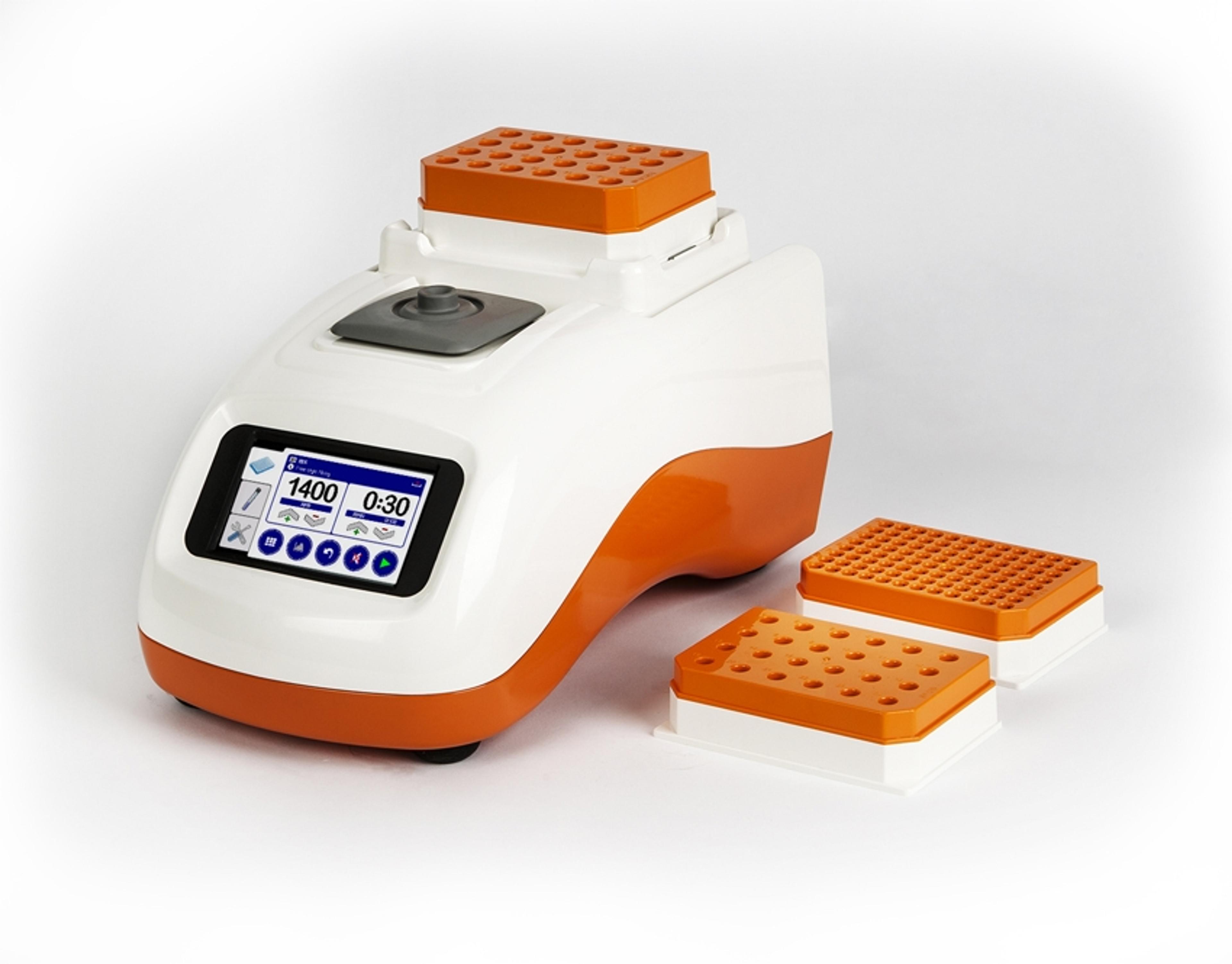
5. Programmable Mixing and Vortexing at the Touch of a Button with the Vitl Co-Mix


In this video, Ashley Magnuson, Sales Representative at Vitl Life Science Solutions, describes how the Co-Mix enables contamination-free mixing. Save time and laboratory space with this innovative combined mixer and shaker. Watch the video>>

6. MilliporeSigma Presents Lab Water Workflow and Application Solutions
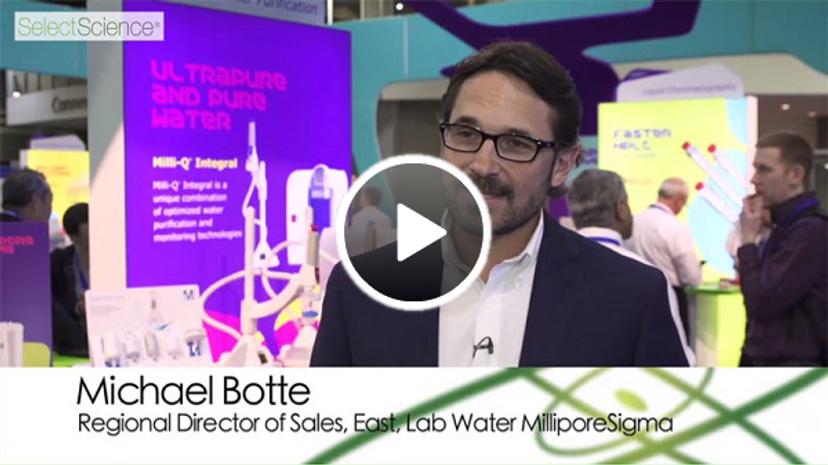
 

Learn how MilliporeSigma Lab Water’s water purification systems can benefit many applications including HPLC, sample preparation and GC. Michael Botte, Regional Director of Sales at MilliporeSigma, explains how the ech2o™ Cartridge Collection and Recycling Program is enabling customers to remain sustainable. Watch the video>>

Do you use any of the products in this article? Is there a product you couldn’t live without? Share your experiences and write a review today for your chance to win an iPad Air® or an Amazon voucher worth $400 (or equivalent)!

Visit our Pittcon2016 Special Feature for more show highlights.

Image:Triff/Shutterstock

Links

Tags

AutosamplersAutosamplers are automated sample loaders used with a number of separation and analytical techniques. HPLC autosamplers use automated partial or full-loop injection systems and place samples in vials or microplates for analysis. Autosamplers can also be used for elemental analysis. Features to consider include repeatability, syringe capacity, footprint and temperature controls.  Gas ChromatographyGas chromatography (GC) is an analytical technique used to separate and quantitate mixtures of small and volatile compounds. Gas chromatographs or GC systems include components such as GC columns, detectors, pumps and autosamplers. Choose from packed or capillary GC columns, flame ionization (FID), photoionization (PID) electron capture detectors and selective or non-selective detectors. Find the best gas chromatographs in our peer-reviewed product directory: compare products, check customer reviews and receive pricing direct from manufacturers.UHPLC and HPLCHigh performance liquid chromatography (HPLC) and ultra high performance liquid chromatography (UHPLC), also known as UPLC, are analytical techniques used to separate, identify and quantitate components of complex mixtures including biological samples such as proteins and lipids as well as chemical mixtures of pesticides, drugs and oils. Both techniques are liquid chromatographic methods but differ by operating pressures (HPLC < 6000 psi < UHPLC ). Components of HPLC and UHPLC systems include columns, detectors, pumps, autosamplers and column heaters. Explore a range of UHPLC and HPLC columns for your specific sample needs including reverse phase, normal phase, ion exchange, HILIC, ion exclusion and size exclusion columns. For more specialized HPLC, explore FPLC, countercurrent LC and simulated moving bed systems. Find the best UHPLC and HPLC equipment in our peer reviewed product directory: compare products, check customer reviews and receive pricing direct from manufacturers.Sample PreparationSample preparation can improve the quality and speed of separation techniques. Products to assist sample preparation include filtration equipment, evaporators, membranes and sieves.LC-MSLC-MS (liquid chromatography-mass spectrometry) systems and equipment are used for separation and quantitative analysis of complex mixtures, combining liquid chromatography and mass spectrometry. Quantify proteins, contaminants, pesticides or screen for drug metabolites with a high level of sensitivity. LC-MS systems and equipment include reverse phase, normal phase and specialized columns integrated with various MS detectors such as time-of-flight (TOF), quadrupole, orbitrap or ion trap mass analyzers. LC-MS/MS instruments equipped with a qTOF or triple quadrupole analyzer give greater sensitivity and resolving power to your analysis. Find the best LC-MS equipment in our peer-reviewed product directory: compare products, check customer reviews and receive pricing direct from manufacturers.Data AnalysisData analysis hardware and software is available to make data processing straight-forward yet powerful. Data software can be used for math and stats, technical graphing and image analysis. In addition, software is available for specific data analysis of electrophoresis, densitometry, ELISA and DNA sequencing.Shakers, Stirrers and MixersShakers, stirrers and mixers are used for mixing liquids and solids for laboratory applications. There is a wide range of laboratory mixing equipment available, including magnetic stirrers, orbital shakers, linear shakers, microplate shakers, 3D gyratory rockers, rotators & vortexers. Additional platforms and clamps can also be attached to shakers to increase capacity. Find the best shakers, stirrers and mixers in our peer-reviewed product directory: compare products, check customer reviews and receive pricing direct from manufacturers.Labware and Lab SuppliesLabware and lab supplies include various forms of glassware, plasticware, reagents and personal protective equipment (PPE) and are used across all scientific laboratories, enabling daily tasks to be performed. Explore a range of flasks and beakers, petri dishes, carboys and storage bottles. Labware such as condensers, desiccators and burettes are also available for more specific tasks. Find the best labware and lab supplies in our peer-reviewed product directory: compare products, check customer reviews and receive pricing direct from manufacturers.Preparative ChromatographyPreparative chromatography equipment is used for purification purposes, separating and collecting compounds eluted from a mixture which can then be subsequently used for further purposes. This can be done in large quantities or small. Preparative chromatography systems are usually low to medium pressure liquid chromatographs that are semi-automated. Explore a range of preparative columns and fraction collectors. Find the best preparative chromatography equipment in our peer-reviewed product directory: compare products, check customer reviews and receive pricing direct from manufacturers.CentrifugesCentrifuges are used to separate particulates suspended in a liquid via the application of a centrifugal force including cells, macromolecules, nanoparticles and precipitates. Centrifuges come in three sizes: microcentrifuges, benchtop and floor-standing centrifuges, depending on the volume and number of samples that require separation. When choosing a centrifuge, consider its maximum separation power indicated by its relative centrifugal force (RCF) value. Low force centrifuges reach a maximum RCF of 8,000 g, high-force centrifuges can reach maximum RCF values of 80,000 g. For extremely high forces, consider ultracentrifuges (up to 800,000 g). Refrigerated and vacuum centrifuges also known as concentrators are available for more specialized applications. A range of volumes are available for centrifuge tubes and microfuge tubes, depending on sample sizes. Find the best centrifuges in our peer-reviewed product directory: compare products, check customer reviews and receive pricing direct from manufacturers.Chem / BioinformaticsCheminformatics and bioinformatics are computational techniques used in chemistry and biology, respectively, for data acquisition, processing and storage. Cheminformatics focuses on compound information, whereas bioinformatics is mainly applied to analysis and modeling of genomics, genetic and sequencing information. Hardware and software is available for data acquisition, analysis, management and storage.Sample ManagementSample management systems include sample storage devices such as freezers and plate storers, sample environment enclosures and sample organization, retrieval and sorter systems. Useful system features include high-throughput, automation, robotic arms, automated liquid handling and associated database systems. Accessories in sample management include barcode scanners, heat sealers and tubes.NanoLCNano LC is a nano scale liquid chromatography technique typically used for proteomic applications. The nano refers to the very low flow rate of the mobile phase in the system. The advantage of nanoLC is its high sensitivity. Often the system is integrated with a mass spectrometer in nano LC-MS or nano LC-MS/MS. When using nanoLC equipment consider column choice, software and accurate and precise flow rate control.Environmental Monitoring and TestingEnvironmental monitoring and testing uses handheld portable analyzers, kits, spectrometers or chromatography systems for air, water, soil, food and other sample testing. Useful features of analyzers such as BOD and COD include portability, easy calibration, automation and sensitivity.  Environmental test kits for pH, water, moisture, etc, should be accurate, sensitive, reliable, fast and easy to use.NanotechnologyNanotechnology, or nanotech, is an engineering technique using molecular scale functional systems. Applications of nanotechnology include medicine and medical devices, electronics, air and water purification, food science and energy production.