Exclusive Liquid Biopsy Editorial Articles and News

A round-up of the latest news and editorial articles on the hot topic of liquid biopsies

8 Sept 2016
Sonia Nicholas
Managing Editor and Clinical Lead

Editorial article

Image: Shutterstock

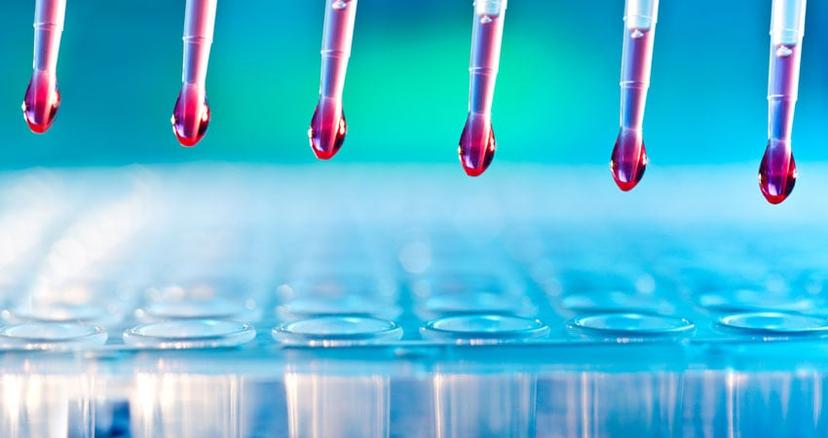
Liquid biopsy is a revolutionary novel method for the early detection of cancer. Using non-solid tissue samples, usually blood, these non-invasive methods are able to detect certain genetic markers of cancer. As an emerging cutting edge technique, learn more with this round-up of exclusive editorial articles and product news.

1. Exclusive Editorial Article: Digital PCR Detection of Cancer Mutations from Liquid Biopsies

Biodesix discovers and commercializes cancer tests that help patients and their doctors make more informed decisions about treatment, based on a patient’s unique molecular profile. In this article, Randall Evans discusses a recent clinical trial that found ddPCR detection of EGFR and KRAS mutations in circulating tumor DNA, and EML4-ALK in circulating RNA, to be highly sensitive and specific. He also explains the advantages of fast, non-invasive tests for cancer patients and their caregivers.

2. Exclusive Editorial Article: Effective Library Preparation for NGS Analysis of Liquid Biopsies at Cancer Research UK Manchester Institute

Dr Mahmood Ayub, post-doctoral fellow in the Clinical and Experimental Pharmacology group at Cancer Research UK Manchester Institute, and working under the leadership of Caroline Dive and Ged Brady, uses liquid biopsies to study blood biomarkers present in circulating, cell-free DNA (cfDNA) originating from tumors. Find out more in this exclusive editorial article.

3. News: QIAGEN Launches New PAXgene® Blood ccfDNA Tube

QIAGEN has announced the launch of the new PAXgene® Blood ccfDNA Tube for venous whole blood collection and room temperature stabilization of in-vivo circulating cell-free DNA (ccfDNA) profiles. Together with the QIAamp Circulating Nucleic Acid Kit and upcoming new automated ccfDNA isolation on the QIAsymphony, PAXgene Blood ccfDNA builds a fully integrated and complete standardized system covering all pre-analytical workflow steps.

4. News: Precision Monitoring of More Than 15 Common Cancers now Feasible with GATCLIQUID ONCOTARGET

GATC Biotech, has announced another expansion of the target list for its liquid biopsy-based service, GATCLIQUID ONCOTARGET. The product now enables highly sensitive detection of the most important mutations in more than 15 frequently diagnosed cancers including breast, lung, prostate and colorectal cancer.

5. News: Thermo Fisher Scientific Announces Next-Generation Sequencing Assay for Liquid Biopsy Research

Clinical oncology researchers who need to draw more meaningful genetic data, now have access to the new Oncomine Lung Cell-Free DNA (cfDNA) Assay designed to target mutations in non-small cell lung cancer (NSCLC) samples derived from circulating cfDNA in blood. When combined with Thermo Fisher Scientific’s Ion S5 System, the research assay meets a critical need for a multi-targeted, next-generation sequencing (NGS)-based solution that enables highly sensitive detection across a broad set of gene variants.

6. News: New Research Involving Circulogene’s Liquid Biopsy Further Validates Test’s Cancer Mutation Detection Capabilities

Newly published research involving the Circulogene droplet-volume liquid biopsy test has demonstrated for the first time that circulating cell-free tumor DNA (ctDNA) sequencing can detect the presence of a new tumor mass earlier than current, standard-of-care imaging methods.

7. News: Siemens Enters Field of Molecular Services for Oncology

The company’s cancer genome diagnostic platform NEO1 will support pathologists and oncologists with comprehensive molecular information to help select targeted cancer therapies. NEO New Oncology is developing molecular profiling assays based on NGS (Next Generation Sequencing), both for tissue specimens and body liquids. This includes NEOliquid, a liquid biopsy test for the analysis of genomic profiles of solid tumors from a simple blood sample.

Visit the Liquid Biopsy Special Feature Now

Links

Tags

PCR and Thermal CyclingPolymerase chain reaction (PCR) kits and thermal cyclers are used for the in vitro amplification of DNA permitting subsequent analysis and experimental procedures. Explore a range of high-quality polymerase, primers and nucleotides or simplify your workflow with a PCR mastermix. Find reverse transcription PCR (RT-PCR) and cDNA synthesis kits for RNA products and libraries. Quantitatively measure the amplification of DNA with real-time PCR (qPCR) and droplet digital PCR (ddPCR) kits and systems, and discover automated PCR setup solutions to increase throughput. Alternative DNA amplification methods also include recombinase polymerase amplification (RPA) kits. Find the best PCR kits and thermal cyclers and purification equipment in our peer-reviewed product directory: compare products, check customer reviews and receive pricing direct from manufacturers.HematologyIn Haematology / Hematology, complete blood cell counts (or full blood counts) are obtained using automated blood count analyzers to enumerate blood cell types.  Hematology also encompasses haemostasis and coagulation, thrombophilia and hemophilia, plasma viscosity and ESR analysis, hemoglobinopathies, cell morphology and haematinic measurement.ImmunologyImmunological techniques measure and characterize immune responses. Immunology kits and analysis systems often use techniques such as ELISA, radioimmunoassay (RIA) and immunodiffusion assays, Immunohistochemistry, and flow cytometry. Immunologists use equipment such as flow Cytometers, plate readers, plate washers and fluorescent microscopes.Cellular PathologyCellular Pathology deals with the microscopic analysis of tissue samples and cells. Sample preparation and processing includes fixation, staining, sectioning and slide mounting, using equipment such microtomes and cryostats. In choosing immunohistochemistry and immunocytochemistry kits, consider chromogens, staining method, antibodies, microscopes and imaging.Cell-Based AssaysCell-based assays are used to monitor the presence, quantity and activities of a desired cellular analyte including drug molecules or biomarkers. This can reveal information on cell health (apoptosis, cytotoxicity, viability and proliferation assays), cell metabolism, cell migration and cell signaling mechanisms. Find the best cell-based assay products, kits and equipment with our peer reviewed product directory: compare products, check customer reviews and receiving pricing direct from manufacturers.Point-of-CarePoint-of-Care Testing (POCT) or Near Patient Testing (NPT) products are available for urine, blood and other clinical chemistry analyses. POCT includes: blood glucose testing, blood gas and electrolytes analysis, rapid coagulation testing (PT / INR), rapid cardiac markers diagnostics, drugs of abuse screening, urine strips testing, pregnancy testing, fecal occult blood analysis, food pathogens screening, hemoglobin diagnostics, infectious disease testing and cholesterol screening.Clinical ChemistryBiochemistry (or clinical chemistry) involves the analysis of bodily fluids using chemical tests. Techniques used include HPLC, chromatography, spectroscopy, mass spectrometry, immunochemical, electrophoresis, turbidometric / spectrophotometric assay, MRI and ISE analysis. Tests are often carried out on plasma or serum but urine (urinalysis) and fecal specimens are also processed.Clinical GeneticsMolecular Genetics covers the analysis of hereditary genetic disease and chromosomal abnormalities. Genetics can be analysed using DNA, RNA, and protein microarrays, PCR, RT PCR and DNA sequencing. Genetic equipment includes genetic workstations, thermal cyclers, cooling blocks and electrophoresis products. Diagnostic kits are used for DNA / RNA extraction and purification.Clinical MicrobiologyMicrobiology is the study of microorganisms including protists, prokaryotes, fungi, and, often, viruses. Microorganisms are a useful research tool as genetic vectors and, in immunology, for antibiotic susceptibility testing, cellular biology and genetics. Microorganisms commonly grow readily in incubators with microbial culture media; this can contain chromogenic supplements to differentiate between cell lines. Estimate your culture’s density of microorganisms with colony counters, or screen and select colonies for desirable clones with automated colony pickers. Additionally, equipment is available to monitor environments for the presence of microbes and identify with microbial identification instruments. Find the best microbiology products in our peer-reviewed product directory: compare products, check customer reviews and receive pricing direct from manufacturers.Next Generation SequencingNext-generation sequencing (NGS), also known as whole-genome sequencing, high-throughput sequencing and massive parallel sequencing, produces and analyses thousands to millions of nucleotide sequences at once. Sequencing systems operate via varying technologies depending on the manufacturer, including sequencing by synthesis, ligation, pyrosequencing, ion semiconductor and single-molecule real-time sequencing. For NGS, library preparation is paramount to successful sequencing. In this section, explore a range of library preparation kits, from targeted, amplicon-based or hybridization-based kits including epigenomic, transcriptomic and genomic workflows to fragmentation kits. Find the best next-generation sequencing products in our peer-reviewed product directory: compare products, check customer reviews and receive pricing direct from manufacturers.Liquid BiopsiesLiquid biopsies are non-invasive tests used to detect cancer and other diseases by analyzing blood or other bodily fluids. This technique is gaining popularity for early detection, monitoring treatment response, and detecting minimal residual disease. Explore liquid biopsy solutions in our peer-reviewed product directory; compare products, check reviews, and get pricing directly from manufacturers.