Essen BioScience Presents Next Generation Live-Cell Analysis System at IMMUNOLOGY 2017

3 May 2017

Sarah Thomas
Associate Editor

Industry news

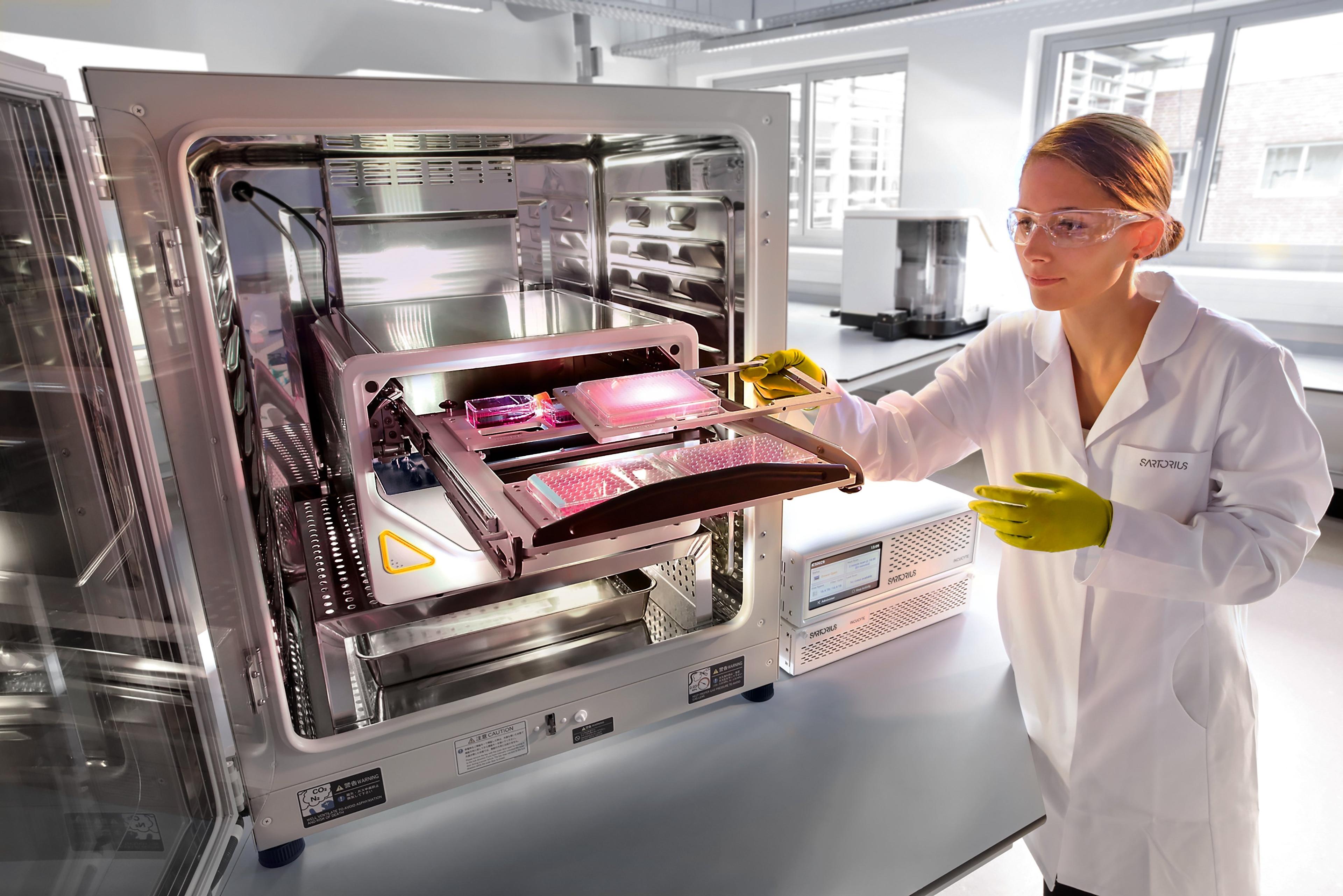
Visit the Essen BioScience booth #442 at AAI IMMUNOLOGY 2017™ to discover the new Next-Generation IncuCyte® S3 Live-Cell Analysis System and the latest trends and applications in live-cell analysis.

Change can happen in an instant. Find out how the IncuCyte® S3 System and IncuCyte® reagents and consumables make it easier than ever to visualize cell behavior and quantify cell function in real time. Derive deeper and more physiologically relevant information about your cells, plus real-time kinetic data, without ever removing your cells from the incubator.

Also, stop by for a chance to win prizes! Spin the wheel of fortune or test your cell culture genius with our raffle quiz to win t-shirts, mugs, and more.

At the show, visit the Essen BioScience poster presentation, led by Dr. Dan Appledorn, Director of Biology, showing innovative new research from Essen BioScience highlighting the powerful insights gained from IncuCyte® live-cell analysis. Or join our exhibitor workshop, also presented by Dr. Appledorn, to learn the benefits of incorporating real-time, automated cell imaging and analysis into your in vitro assay workflow for immunology research.

Poster Presentation

Title: 81.15 CD47 Antibody-Induced Engulfment of Human T Cell Leukemia Cells by Bone Marrow-Derived Macrophages

Presenter: Dan Appledorn, Ph.D., Director of Biology, Essen Bioscience

Session Date and Time: Saturday, May 13, 2017, 2:30 - 3:45 PM

Location: Exhibit/Poster Hall

Session: Technological Innovations I

Number: P1092

Exhibitor Workshop

Title: Live Cell Assay Approaches for Immunology and Immuno-oncology: Cell Health, Chemotaxis, Immune Cell Killing, and More

Date/Time: Monday, May 15, 2017, 12:30 - 1:15 PM

Location: EXHIBITOR WORKSHOP ROOM 2

Presenter: Dan Appledorn, Ph.D., Director of Biology, Essen Bioscience

Visit the SelectScience AAI IMMUNOLOGY 2017™ event page for news from the meeting.

Tags

Flow Cytometry / Cell CountingFlow cytometers are used to count, sort and examine multiple characteristics of cells. Other cell analysis equipment includes image cytometers, cell counters, fluorescence-activated cell sorters (FACS), magnetic-activated cell sorters (MACS), and a range of flow cytometry assay kits. Flow cytometers can reveal information on cell viability, cell proliferation, apoptosis and cell cycle progression, as well as identify cell populations and intracellular or cell-surface molecules. Additionally, some flow cytometers, known as FACS, have an additional sorting function after analysis. Cell counters and image cytometers count live and dead cell populations and can also conduct cell proliferation assays. Find the best flow cytometers, cell counters and cell sorters in our peer-reviewed product directory: compare products, check customer reviews and receive pricing direct from manufacturers.ImmunologyImmunological techniques measure and characterize immune responses. Immunology kits and analysis systems often use techniques such as ELISA, radioimmunoassay (RIA) and immunodiffusion assays, Immunohistochemistry, and flow cytometry. Immunologists use equipment such as flow Cytometers, plate readers, plate washers and fluorescent microscopes.Cell AnalysisThe analysis of cells allows researchers to understand the factors which contribute to cell health and function. These influencing processes can then be predicted and altered, leading to the development of medication and disease treatments.Live Cell ImagingLive cell imaging is the study of living cells using microscopes and high-content imaging systems. This technique provides in-depth insight into fast and complex biological processes, by allowing dynamic imaging of living cells instead of acquiring an individual image at a single point in time.Cell Based AssaysCell-based assays use living cells to measure biological responses to various treatments or stimuli. They are essential for drug discovery, toxicology testing, and understanding cellular mechanisms. These assays are used to assess cell viability, proliferation, gene expression, and other cellular activities. Browse our peer-reviewed product directory to find the best cell-based assay tools and reagents, compare products, read customer reviews, and get pricing directly from manufacturers.