EMD Millipore to Showcase New Downstream & Upstream Processing Technologies at BioProcess International Conference & Exhibition

17 Sept 2013

Product news

Visit the EMD Millipore team at the 2013 BioProcess International Conference & Exhibition to learn about these new downstream processing technologies.

At this year's BPI Conference, discover firsthand how these products complement EMD Millipore's complete range of upstream and downstream technologies, leading to increased productivity, decreased costs, and accelerated time to clinic.

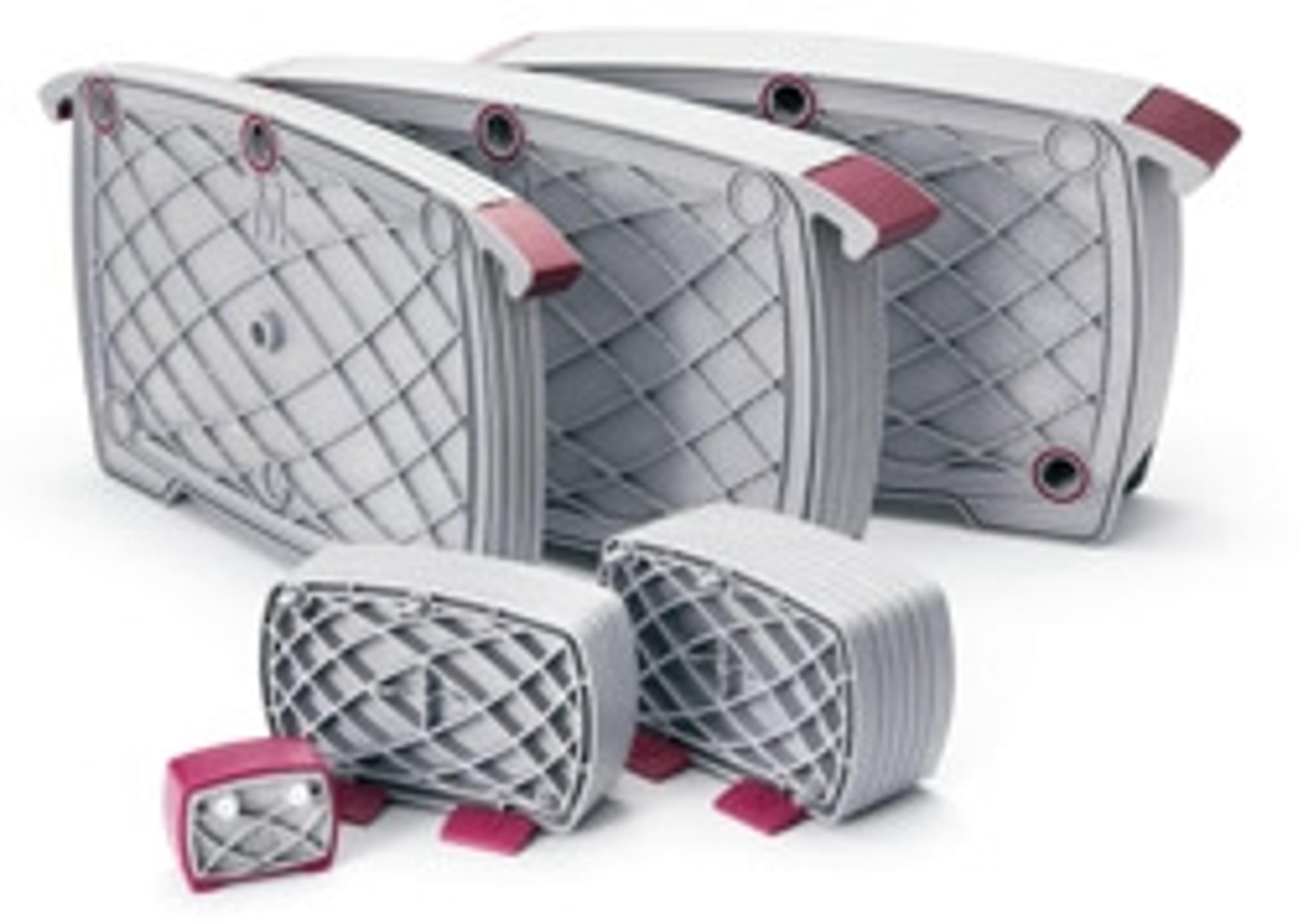
Clarisolve™ Depth Filters
Clarisolve™ depth filters are the first primary clarification offering with a gradient density structure specifically designed to the particle size distributions of pretreated feed streams. Benefits include the ability to:
• Move directly from primary clarification to downstream sterile filtration without the need for centrifugation
• Eliminate the secondary stage of clarification thus reducing the overall footprint and improving process economics

For more information on Clarisolve™ depth filters, please attend the following EMD Millipore events:

Next-Generation Clarisolve™ Technology for Clarification of Recombinant Proteins from High Cell Density Mammalian Cell Culture Systems
Tuesday, September 17, 12:00pm

Development of a Novel and Efficient Cell Culture Flocculation Process Using a Stimulus Responsive Polymer to Streamline Antibody Purification Processes
Thursday, September 19, 9:45am

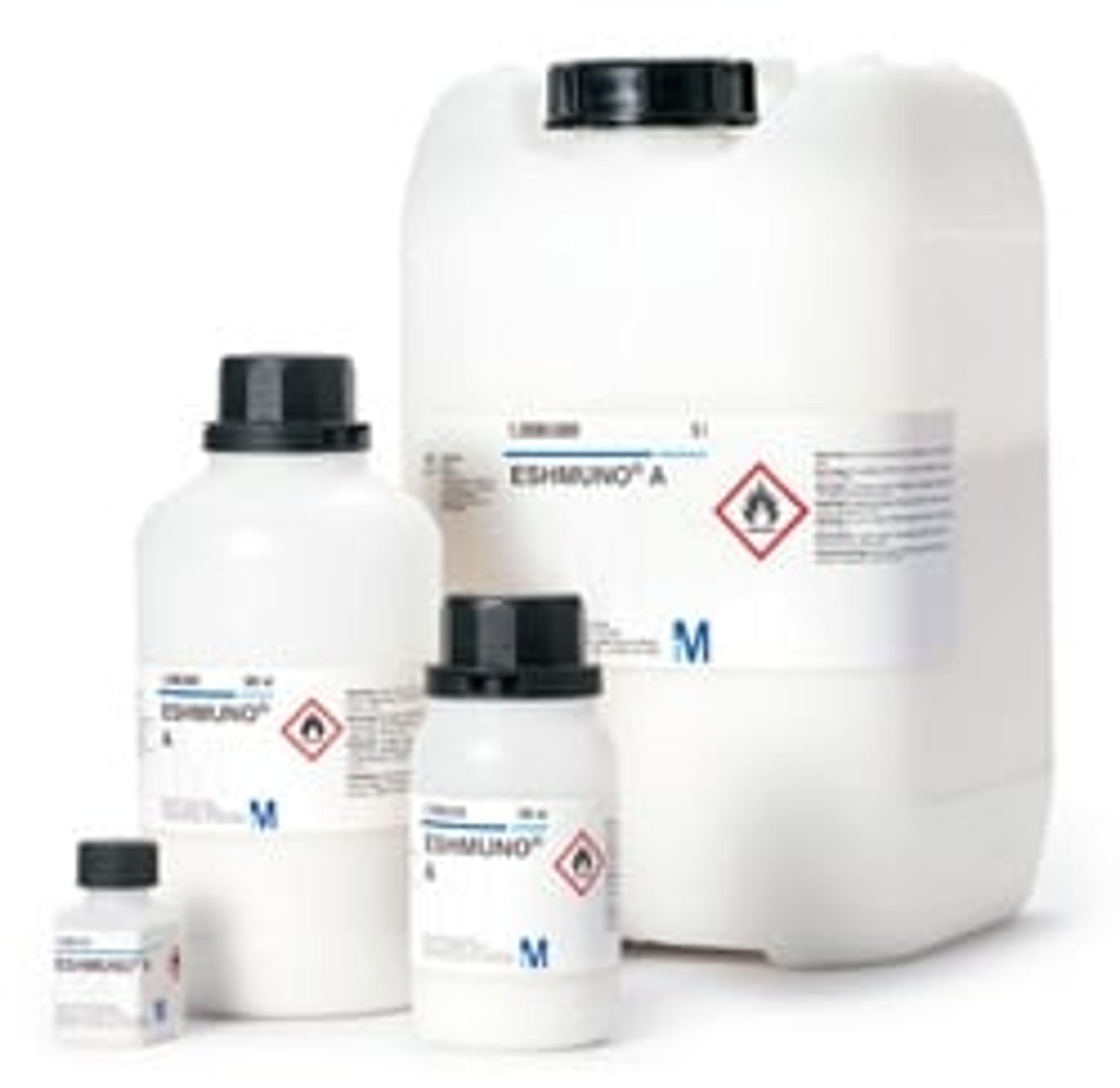
Eshmuno® A Chromatography Media
Eshmuno® A is a rigid, high capacity, acid and alkaline resistant Protein A affinity chromatography media for the purification of monoclonal antibodies and other Fc-containing proteins. Benefits include:
• Higher binding capacities than other commercially available media
• Increased productivity and lower costs
• The ability to be cleaned and sanitized under acid and/or alkaline conditions while maintaining high dynamic binding capacity at high flow rates and no significant change in product purity

For more information on Eshmuno® A media, please attend the following EMD Millipore events:

Novel Protein A Affinity Chromatography Resin for Efficient mAb Purification Applications
Thursday, September 19, 12:00pm

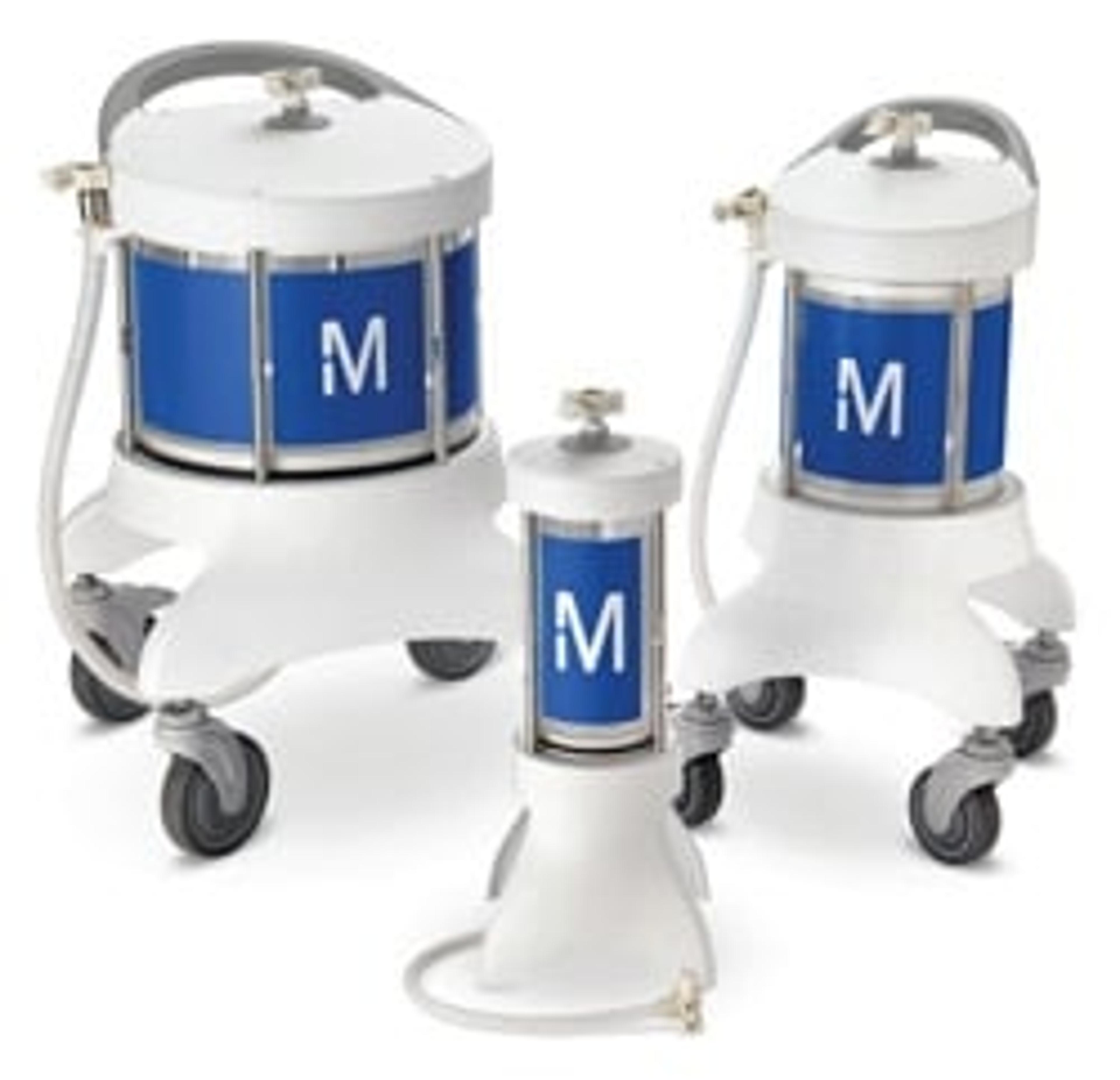
Chromabolt™ Prepacked Columns
Designed for early clinical stage manufacturing, Chromabolt™ prepacked columns are robustly manufactured and validated with EMD Millipore chromatography resins and are available in three different sizes (10, 20 and 32cm inner diameter). Benefits include:
• Eliminates laborious manual packing and equipment cleaning
• Fully ergonomic and designed with EH&S considerations: Effortlessly transportable by a single person with 20 cm and 32 cm i.d. columns on castors
• Compatible with all currently available chromatography systems and connectors
• Engineered and designed to safely transport the packed resins and for everyday ease of use manufacturing
• Fast set up time compared to traditional columns

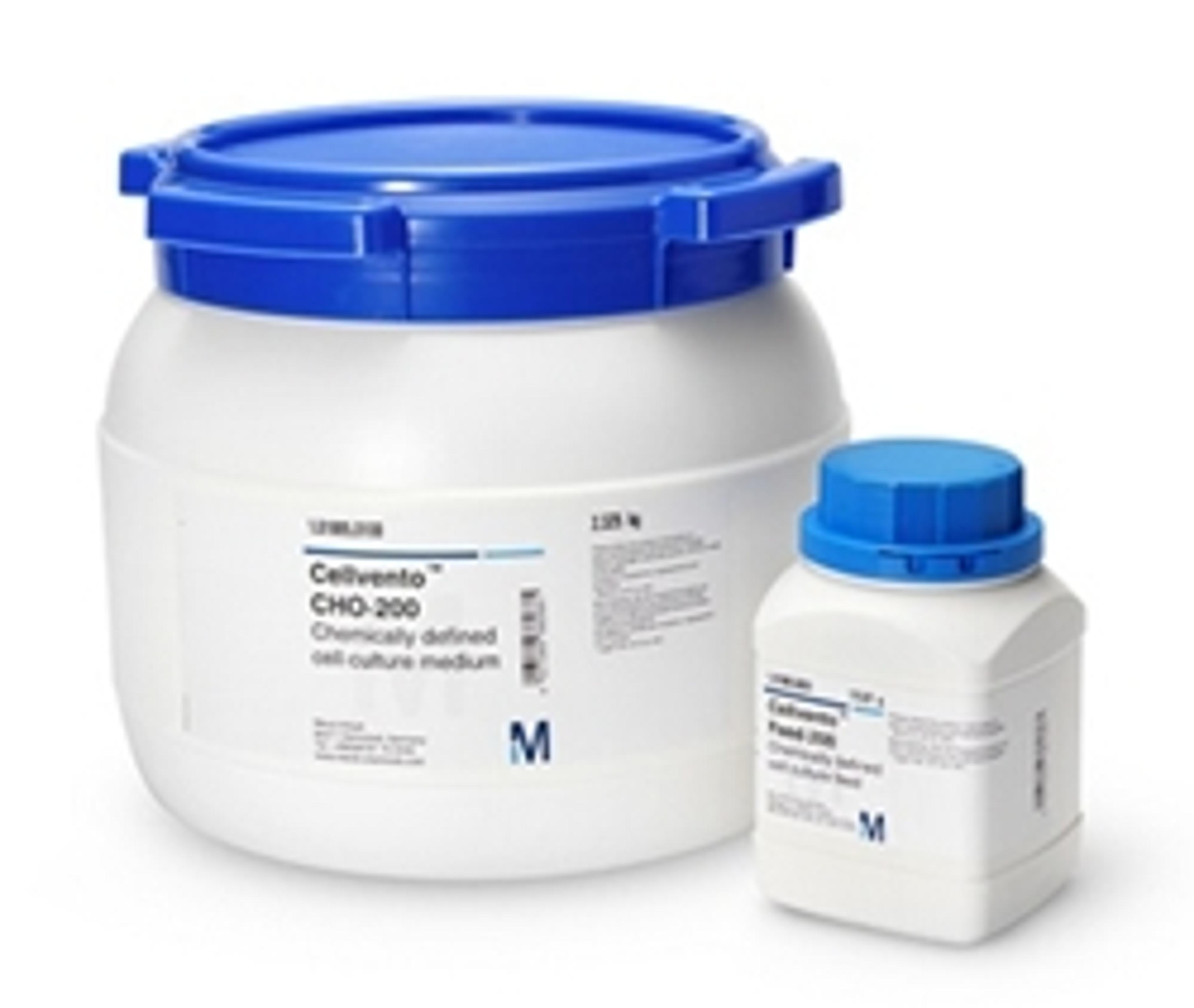
Cellvento™ CHO-200 Chemically-defined Cell Culture Medium
Cellvento™ CHO-200 is a chemically defined, non-animal origin medium in dry powder form that delivers robust cell growth and consistent high performance. Accompanied by complementary Cellvento™ feed products, the new medium is optimized specifically for fed-batch processes using CHO-S cell types expressing monoclonal antibodies. Benefits include:
• Superior cell growth and productivity
• High media consistency
• Reliable homogeneity

Other EMD Millipore Events at the BPI Conference

Workshop
Rational Approach to Biosafety around the Mammalian Bioreactor
Wednesday, September 18, 12:00pm

Technical Posters
"Virus Clearance on Eshmuno® A Affinity Chromatography Resin Using a Clarified CHO Feed"

"Next Generation Polishing Technologies for Robust Host Cell Protein and mAb Aggregate Removal"

"A Case Study: 3-Step Process for Efficient mAb Purification Using Different Commercially Available Chromatography Resin"

"A Scalable Method for Packing Chromatography Columns"

Visit booth #617 to find out more.
Links

Tags

UHPLC and HPLCHigh performance liquid chromatography (HPLC) and ultra high performance liquid chromatography (UHPLC), also known as UPLC, are analytical techniques used to separate, identify and quantitate components of complex mixtures including biological samples such as proteins and lipids as well as chemical mixtures of pesticides, drugs and oils. Both techniques are liquid chromatographic methods but differ by operating pressures (HPLC < 6000 psi < UHPLC ). Components of HPLC and UHPLC systems include columns, detectors, pumps, autosamplers and column heaters. Explore a range of UHPLC and HPLC columns for your specific sample needs including reverse phase, normal phase, ion exchange, HILIC, ion exclusion and size exclusion columns. For more specialized HPLC, explore FPLC, countercurrent LC and simulated moving bed systems. Find the best UHPLC and HPLC equipment in our peer reviewed product directory: compare products, check customer reviews and receive pricing direct from manufacturers.Sample PreparationSample preparation can improve the quality and speed of separation techniques. Products to assist sample preparation include filtration equipment, evaporators, membranes and sieves.AntibodiesAntibodies are used in techniques such as confocal and fluorescence microscopy, flow cytometry, ELISA, ELISPOT, immunohistochemistry, western blotting and immunopreciptation. Select specific antigen reactivity, high specific affinity, low non-specific binding, monoclonal or polyclonal, primary or secondary antibodies and associated conjugates such as an enzyme or dye for visualization.ProteomicsProteomics is the systemic bioinformatics study of proteins and amino acids, including their structure, size, function and identification. Tools used in proteomics include chromatography, blotting and gels, protein arrays, mass spectrometry and ELISA and associated analysis software. Analyzers and proteomic systems should be sensitive, high resolution, fast and may be automated for high-throughput.Preparative ChromatographyPreparative chromatography equipment is used for purification purposes, separating and collecting compounds eluted from a mixture which can then be subsequently used for further purposes. This can be done in large quantities or small. Preparative chromatography systems are usually low to medium pressure liquid chromatographs that are semi-automated. Explore a range of preparative columns and fraction collectors. Find the best preparative chromatography equipment in our peer-reviewed product directory: compare products, check customer reviews and receive pricing direct from manufacturers.Cell-Based AssaysCell-based assays are used to monitor the presence, quantity and activities of a desired cellular analyte including drug molecules or biomarkers. This can reveal information on cell health (apoptosis, cytotoxicity, viability and proliferation assays), cell metabolism, cell migration and cell signaling mechanisms. Find the best cell-based assay products, kits and equipment with our peer reviewed product directory: compare products, check customer reviews and receiving pricing direct from manufacturers.Protein PurificationProtein purification is a vital step in drug discovery, therapeutics, biotech and life science research. The purification process typically involves subcellular or membrane protein extraction with cell lysis kits, separation of proteins from cell debris by filtration or spin columns, and the isolation of proteins of interest from other proteins and impurities with affinity purification (including fusion protein tags and antibody binding proteins A, G and L), immunoprecipitation or chromatographic methods, such as ion exchange, size exclusion and immobilized metal affinity chromatography. All purification methods come in multiple formats for your laboratory needs, including agarose or magnetic beads, resins, columns and filter plates. Find the best protein purification equipment in our peer-reviewed product directory: compare products, check customer reviews and receive pricing direct from manufacturers.Bioprocessing / FermentationBioprocessing is the use of biological materials to perform commercial, scientific or medical research processes. Biological materials used include cells, enzymes and organisms. Usually bioprocessing requires a batch or continuous bioreactor such as a fermentor or cell culture system. The advantages of using a reactor include high productivity, easy configuration, adjustable values and automation.Cell GrowthCell growth refers to the process by which cells increase in size and number. It is essential for tissue development, wound healing, and cancer research. Understanding and controlling cell growth is a fundamental part of cell biology and regenerative medicine. Browse our peer-reviewed product directory to find the best tools for studying cell growth, compare products, check reviews, and get pricing directly from manufacturers.Antibody Purification