Drug Discovery & Development winners announced: The 2026 Scientists’ Choice Awards
Recognizing the most impactful technologies and content across the drug discovery and development pipeline, as voted for by scientists worldwide
10 Feb 2026
The world’s most innovative and effective technologies advancing drug discovery and development have been recognized in the latest release of the 2026 Scientists’ Choice Awards®.
Each year, SelectScience invites its scientist readers and members from around the globe to participate by nominating, reviewing, and voting for the lab products that have had the greatest impact on their work.
Your chosen winners
Best New Drug Discovery & Development Product of 2025
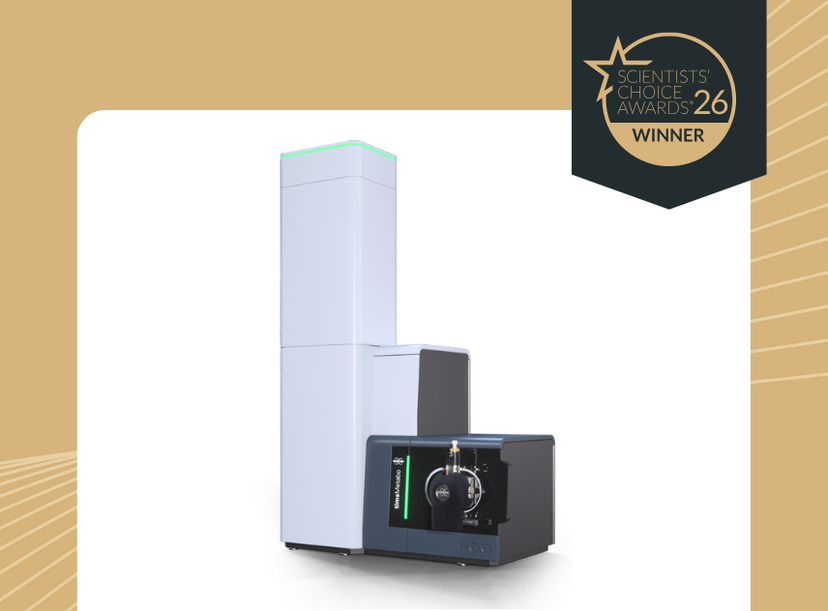
The timsMetabo™ from Bruker Daltonics
The award for Best New Drug Discovery & Development Product of 2025 goes to the timsMetabo™ from Bruker Daltonics, as voted for by scientists around the world.
The timsMetabo™ is poised to be the next-generation research engine for 4D-Metabolomics™ and 4D-Lipodomics™, delivering unprecedented sensitivity, separation power, and annotation confidence for small molecules.
The runners up for this category include:
- Orbitrap™ Excedion™ Pro mass spectrometers by Thermo Fisher Scientific
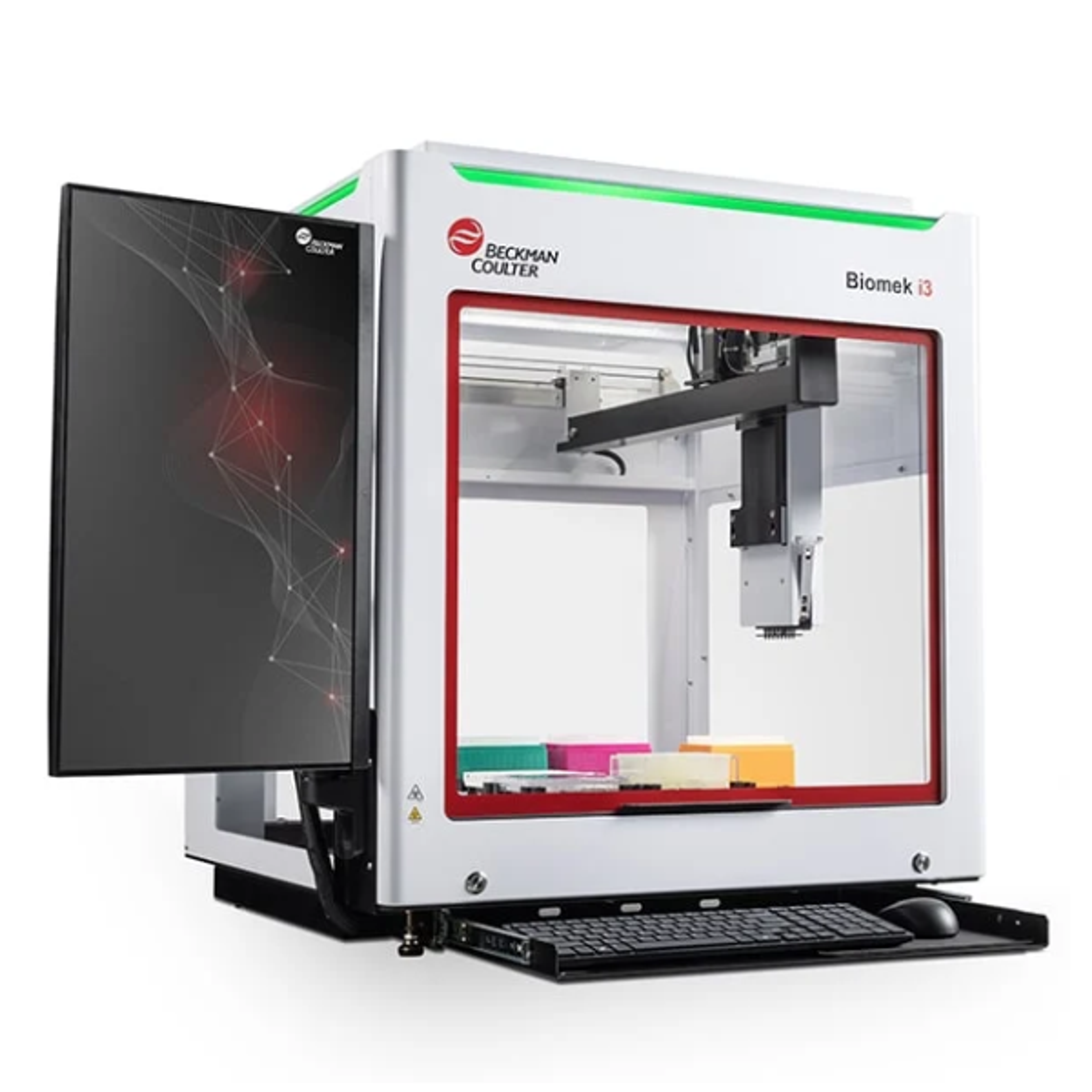
- Biomek i3 Benchtop Liquid Handler by Beckman Coulter Life Sciences
- Veloci BioPharma Analyzer by HORIBA Scientific
- Cyto-Mine® Chroma by Sphere Bio
- Xevo CDMS by Waters
- Omnia™ Discovery by BioDot Inc.
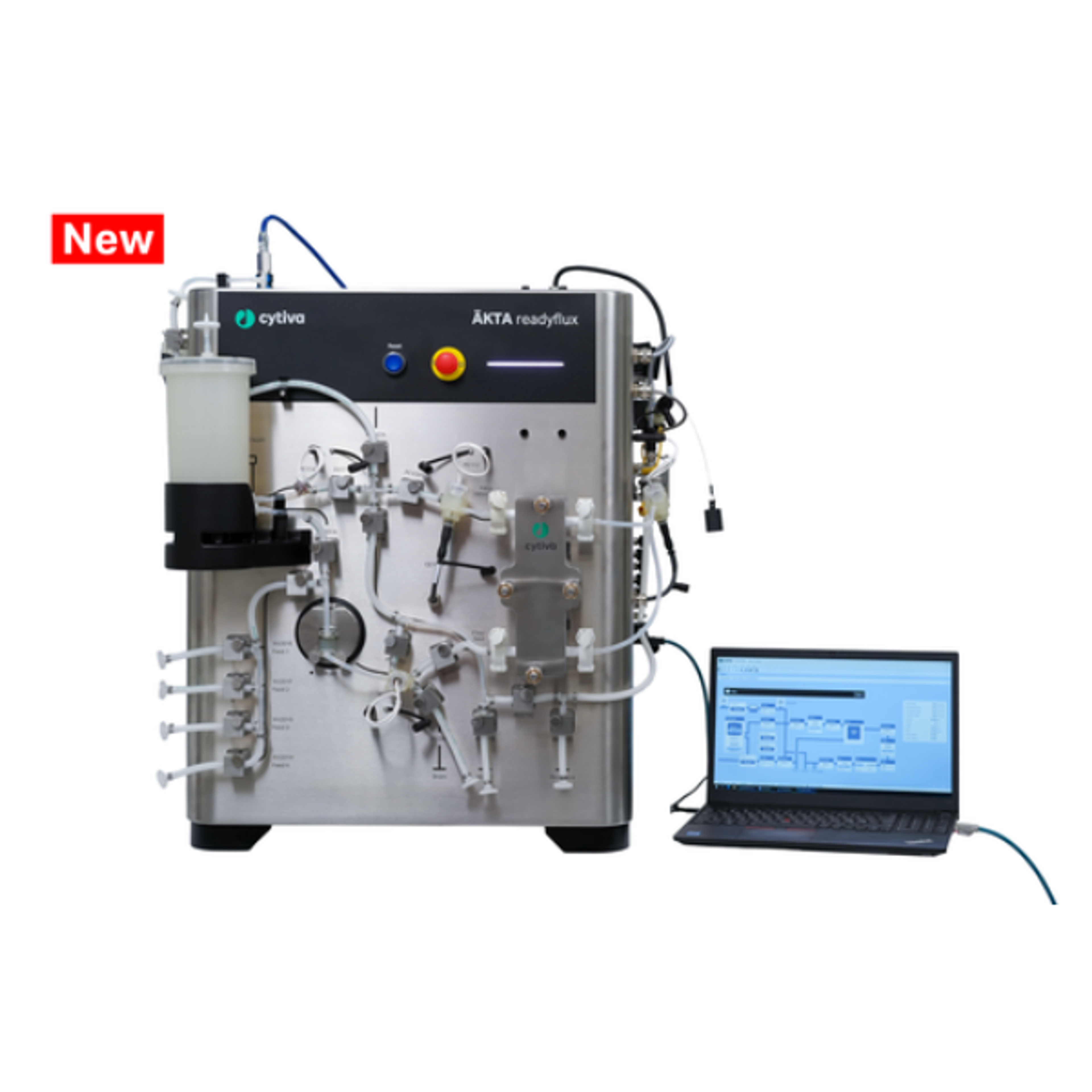
- ÄKTA readyflux™ TFF system 500 by Cytiva
- pHSense™ Reagents by Revvity
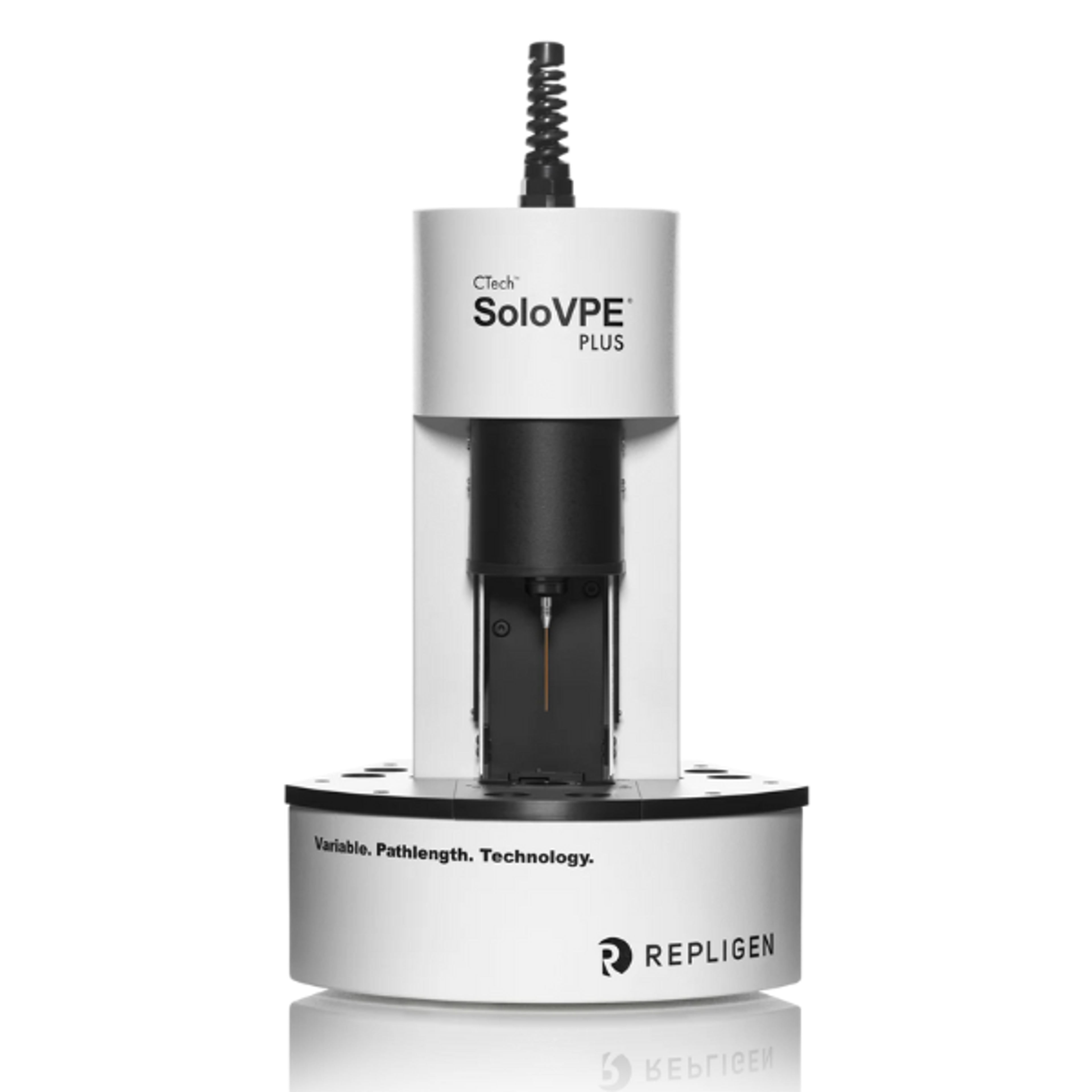
- CTech™ SoloVPE® PLUS System by Repligen Corp
Webinar of the Year
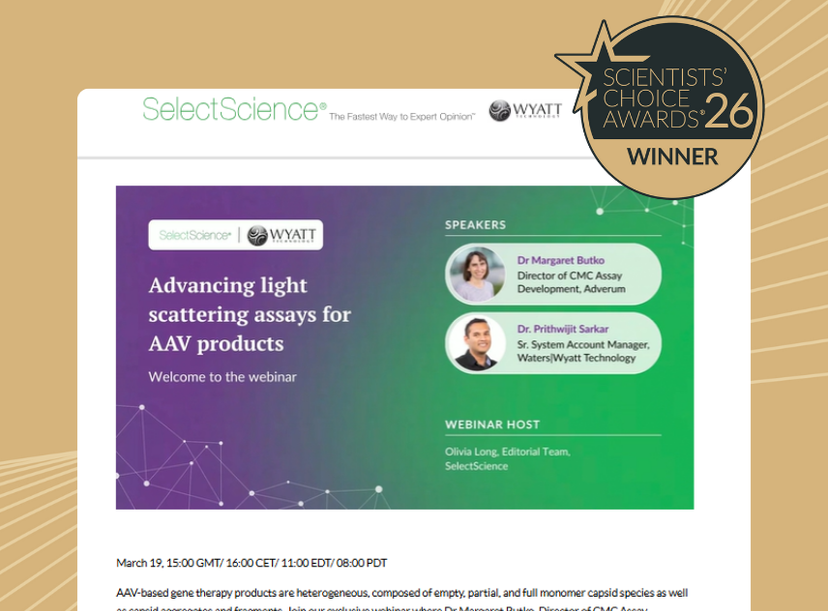
Advancing light scattering assays for AAV products
This year’s Webinar of the Year is awarded to Dr. Margaret Butko, Director of CMC Assay Development, Adverum, and Dr. Prithwijit Sarkar, Sr. System Account Manager, Waters | Wyatt Technology.
This SelectScience webinar, titled ‘Advancing light scattering assays for AAV products', introduces analytical strategies to characterize the heterogeneity of AAV-based gene therapy products, which contain empty, partial, full, and aggregated capsids.
Dr. Butko and Dr. Sarkar present two key methods, GMP‑compliant dynamic light scattering (DLS) for monitoring capsid aggregation and generating aggregation standards, and FFF‑MALS (field-flow fractionation coupled with multi-angle light scattering) for quantifying capsid aggregate abundance. Alongside SEC‑MALS for measuring both aggregates and full capsids, the session shows how these complementary platforms can enhance AAV product consistency and support more reliable development of gene therapy therapeutics.
Article of the Year

Dr. Hirsh Nanda of Johnson & Johnson Innovative Medicine.
The winning article is titled 'Addressing cell line development barriers with advanced analytics' and features technology from SCIEX.
This SelectScience article explores key challenges in applying advanced analytics to cell line development, highlighting insights from Dr. Hirsh Nanda of Johnson & Johnson Innovative Medicine. He explains that increasing molecular complexity in modern protein therapeutics demands highly sensitive analytical tools to detect subtle structural variations and ensure proper assembly of novel modalities, while the need for rapid, high‑throughput screening puts pressure on workflows to deliver real‑time, robust data using limited sample material. Together, these factors underscore the importance of selecting reliable, sensitive technologies that can keep pace with accelerated development timelines and support informed decision‑making in cell line screening.
Video of the Year

Erik Jerks, Director, Bioanalytical Sciences and Service at Eurofins
'Strategies for Bioanalytical Method Development & Validation' has been awarded the Scientists’ Choice Award for Best Drug Discovery and Development Video of the Year, for 2025, honoring its impactful contribution to the bioanalytical community.
In this standout SelectScience interview, Erik Jerks, Director, Bioanalytical Sciences and Service at Eurofins, explores key challenges in developing and validating bioanalytical assays for complex biologics, drawing on three compelling case studies that address bispecific multitarget antibodies and AAV‑based therapeutics. He highlights the growing need for evolving analytical technologies and robust automated instrumentation to tackle these multifaceted workflows, ensuring high‑quality, reliable data for accelerated drug development.
This recognition celebrates not only the clarity and expertise showcased in the video, but also the innovative solutions driving progress across modern bioanalysis.
Email of the Year

Futureproof your lab in 2025 with automation
The award‑winning email, 'Futureproof your lab in 2025 with automation,' has been named Email of the Year for 2025 as part of the 2026 Scientists’ Choice Awards, recognizing its clear, compelling message about the changing landscape of lab automation. Highlighting how compact, intuitive systems are empowering even small biotech teams to adopt high‑throughput workflows without added complexity or headcount, the email showcases a new generation of accessible automation designed to maximize ROI from day one.
With expert support built in and real‑world success stories, including how Camena Bioscience is advancing innovation with SPT Labtech’s firefly®, this celebrated communication captures exactly how modern labs can stay agile, scalable, and ready for the future.
Innovative Content of the Year

Mastering the analysis of antibody and oligonucleotide therapeutics
The winning resource, 'Mastering the analysis of antibody and oligonucleotide therapeutics,' was named Innovative Content of the Year. Celebrated for its clear, application‑focused guidance, the piece, created with Shimadzu, explores key analytical challenges such as impurities, structural variability, and stability, and highlights advanced LC/MS, GC/MS, and media‑analysis tools supporting biopharmaceutical development.
Celebrating innovation together
Thank you to our global scientific community for nominating, reviewing, and voting in this year’s Scientists’ Choice Awards. Your engagement continues to drive innovation across drug discovery and development, and we look forward to celebrating even more breakthrough technologies, inspiring content, and impactful scientific achievements in the year ahead.
Want to discover more category winners or nominate future contenders? Explore the full awards program here >>