Do you Trust Your Laboratory's Liquid Handler?

2 Feb 2012
Sonia Nicholas
Managing Editor and Clinical Lead

Product news

Pipette calibration and verification of automated liquid handlers can be one of the most laborious and tedious jobs in the routine laboratory. Some labs still pipette water onto ancient scales as a way of checking their pipettes (trust me I was doing it myself only a few years ago).

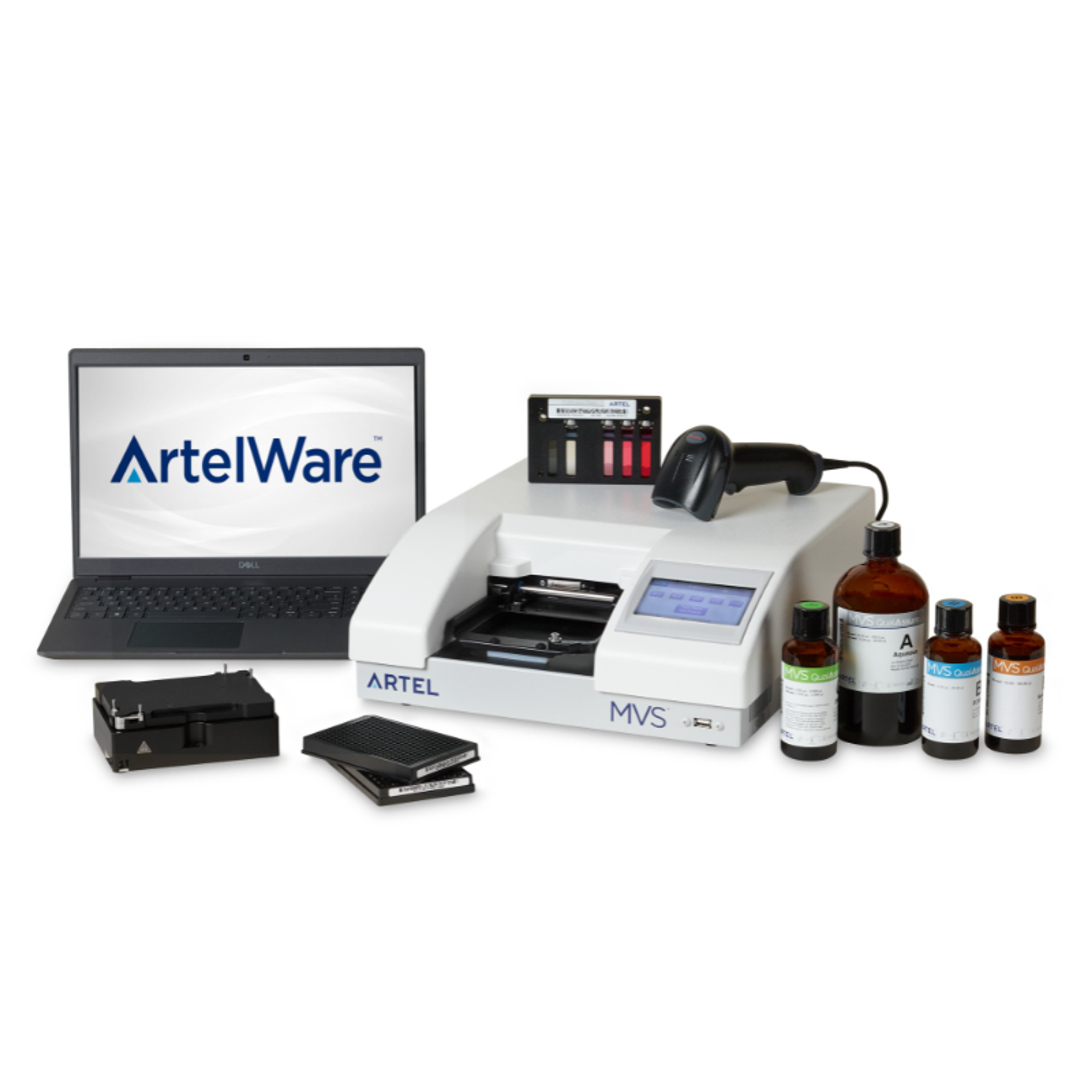
Thankfully there are much more efficient, effective and labour saving methods out there of assuring the quality of your liquid handler. Artel introduced me to its MVS® Multichannel Verification System at MEDICA in November 2011 and I was impressed. The newly updated system boasts a number of enhancements which have further strengthened accuracy and precision, and made the system more flexible and as a result, easier to use.

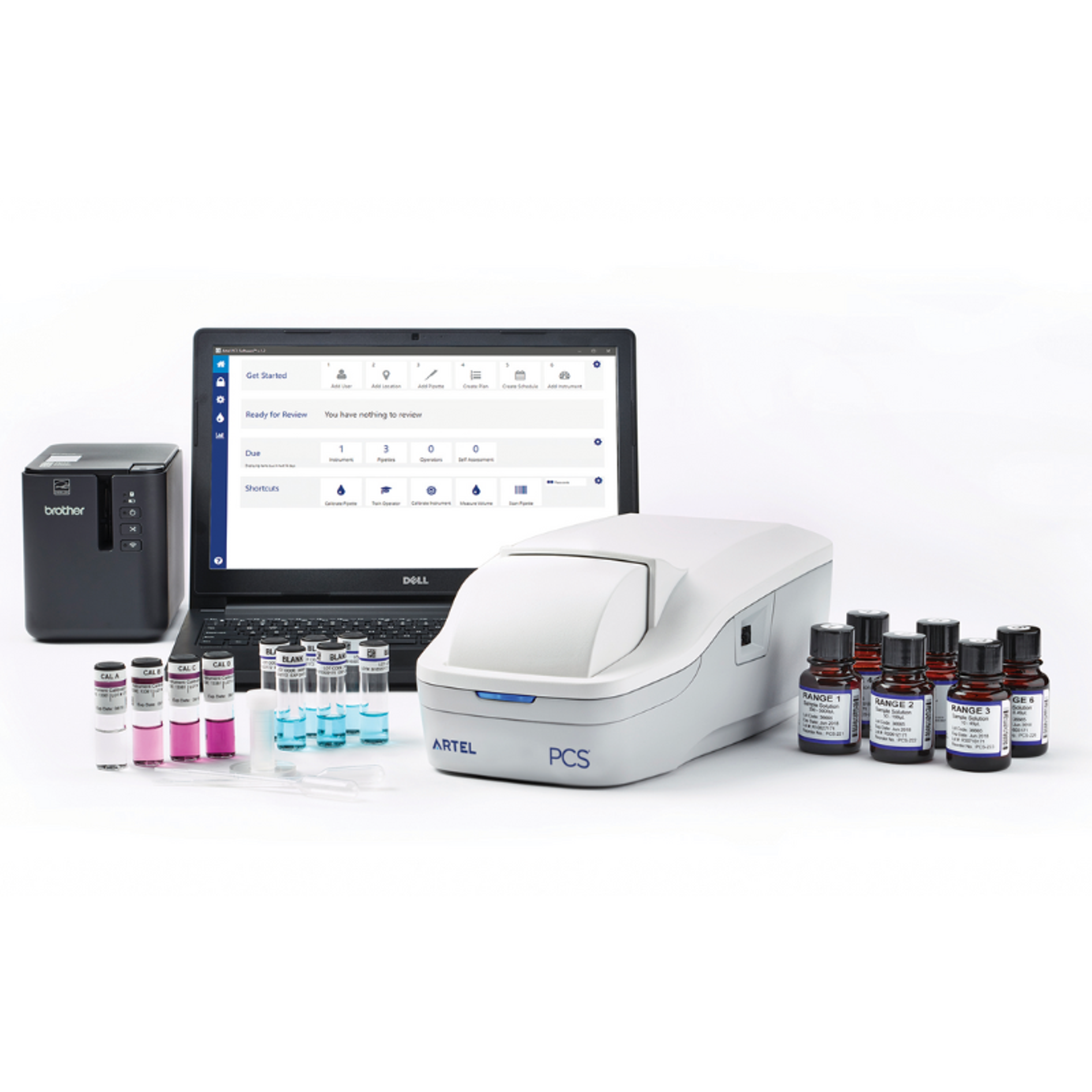
Using unique components and dual-dye proprietary ratiometric photometry, the MVS® can automatically verify the volume transfer performance of automated liquid handlers, as well as multi-channel handheld pipettes. Within minutes, and without any special skill involved by the user, the MVS® produces a detailed performance report of the dispenser being tested. The reports contain information about the accuracy and precision on a tip-by-tip and well-by-well basis. This allows laboratories to have complete confidence in their dispensers. The Artel PCS® (Pipette Calibration System) is also available for single channel pipettes, providing a quick and easy method of verifying pipette accuracy and precision. The PCS® also offers a complete pipette inventory management solution allowing you to keep track of pipettes’ performance.

Artel also offers a series of one and two day training workshops and webinars to educate users on correct pipetting methods, and on how to mitigate operator error and variability within labs. These workshops are for people who use pipettes on a daily basis and/or are responsible for understanding regulatory requirements and establishing internal quality assurance programs for pipettes. A certificate is issued on completion of the workshop course. You can then test your finely honed pipetting skills in the ARTEL Pipetting Olympics, a fun challenge for the whole laboratory! To see how you stack up against the rest of the industry’s best pipetters, phone +1-888-406-3463 or visit the company’s booth (#1133) at Pittcon, 11-15 March 2012, Orange County Convention Center, Orlando, FL, USA.

Of course the only way to know how good a product can be is by using it yourself, or failing that, hearing what your peers think of it. If you’ve used the MVS or any other calibration methods, let us know your thoughts by leaving a review today.

Links

Tags

Pipettes and DispensersPipettes and dispensers are essential lab equipment used to dispense measured volumes of liquid accurately. Explore a range of manual and electronic pipettes, including single and multichannel, serological and volumetric pipettes, as well as a range of pipette tips. Bottle-top dispensers are also available for simple and fast solvent dispensing. Find the best pipettes & dispensers in our peer-reviewed product directory: compare products, check customer reviews and receive pricing direct from manufacturers.Blood TransfusionBlood Transfusion involves giving donor blood to a recipient patient. Screening is essential to avoid transfusion reactions. Blood banks use immunohematological techniques to determine rh and ABO blood group, and screen for antibodies using specific antisera. Blood Banks use Direct Coombs Tests (DCT) and Indirect Coombs Tests (IAT) to detect hemolysis and Haemolytic Disease of the Newborn (HDN).HematologyIn Haematology / Hematology, complete blood cell counts (or full blood counts) are obtained using automated blood count analyzers to enumerate blood cell types.  Hematology also encompasses haemostasis and coagulation, thrombophilia and hemophilia, plasma viscosity and ESR analysis, hemoglobinopathies, cell morphology and haematinic measurement.ImmunologyImmunological techniques measure and characterize immune responses. Immunology kits and analysis systems often use techniques such as ELISA, radioimmunoassay (RIA) and immunodiffusion assays, Immunohistochemistry, and flow cytometry. Immunologists use equipment such as flow Cytometers, plate readers, plate washers and fluorescent microscopes.Cellular PathologyCellular Pathology deals with the microscopic analysis of tissue samples and cells. Sample preparation and processing includes fixation, staining, sectioning and slide mounting, using equipment such microtomes and cryostats. In choosing immunohistochemistry and immunocytochemistry kits, consider chromogens, staining method, antibodies, microscopes and imaging.Point-of-CarePoint-of-Care Testing (POCT) or Near Patient Testing (NPT) products are available for urine, blood and other clinical chemistry analyses. POCT includes: blood glucose testing, blood gas and electrolytes analysis, rapid coagulation testing (PT / INR), rapid cardiac markers diagnostics, drugs of abuse screening, urine strips testing, pregnancy testing, fecal occult blood analysis, food pathogens screening, hemoglobin diagnostics, infectious disease testing and cholesterol screening.Clinical ChemistryBiochemistry (or clinical chemistry) involves the analysis of bodily fluids using chemical tests. Techniques used include HPLC, chromatography, spectroscopy, mass spectrometry, immunochemical, electrophoresis, turbidometric / spectrophotometric assay, MRI and ISE analysis. Tests are often carried out on plasma or serum but urine (urinalysis) and fecal specimens are also processed.Clinical GeneticsMolecular Genetics covers the analysis of hereditary genetic disease and chromosomal abnormalities. Genetics can be analysed using DNA, RNA, and protein microarrays, PCR, RT PCR and DNA sequencing. Genetic equipment includes genetic workstations, thermal cyclers, cooling blocks and electrophoresis products. Diagnostic kits are used for DNA / RNA extraction and purification.Clinical MicrobiologyMicrobiology is the study of microorganisms including protists, prokaryotes, fungi, and, often, viruses. Microorganisms are a useful research tool as genetic vectors and, in immunology, for antibiotic susceptibility testing, cellular biology and genetics. Microorganisms commonly grow readily in incubators with microbial culture media; this can contain chromogenic supplements to differentiate between cell lines. Estimate your culture’s density of microorganisms with colony counters, or screen and select colonies for desirable clones with automated colony pickers. Additionally, equipment is available to monitor environments for the presence of microbes and identify with microbial identification instruments. Find the best microbiology products in our peer-reviewed product directory: compare products, check customer reviews and receive pricing direct from manufacturers.Embryology / IVFEmbryology refers to the development of an embryo resulting from the fertilization of the ovum, to fetus stage. In vitro fertilization (IVF) refers to the fertilization of the egg outside of the human body, and is an important treatment for infertility.Pipette CalibrationPipette calibration ensures that pipettes are delivering accurate and precise volumes of liquids, which is essential for high-quality scientific research and diagnostics. Calibration is crucial for ensuring reproducibility and reliability in experiments. Explore pipette calibration tools in our peer-reviewed product directory; compare products, check reviews, and get pricing directly from manufacturers.Liquid Verification