Discover the Latest Innovations in Cell-Based Automation

New application notes, videos and technologies

17 May 2016

Lynsey Forsyth
Post Doc / Research Fellow

Editorial article

Image: Caleb Foster/Shutterstock

Learn about the latest innovations in cell-based automation to optimize your cell-based workflow. Download the latest methods, read about new developments and products, and watch video interviews with leading experts.

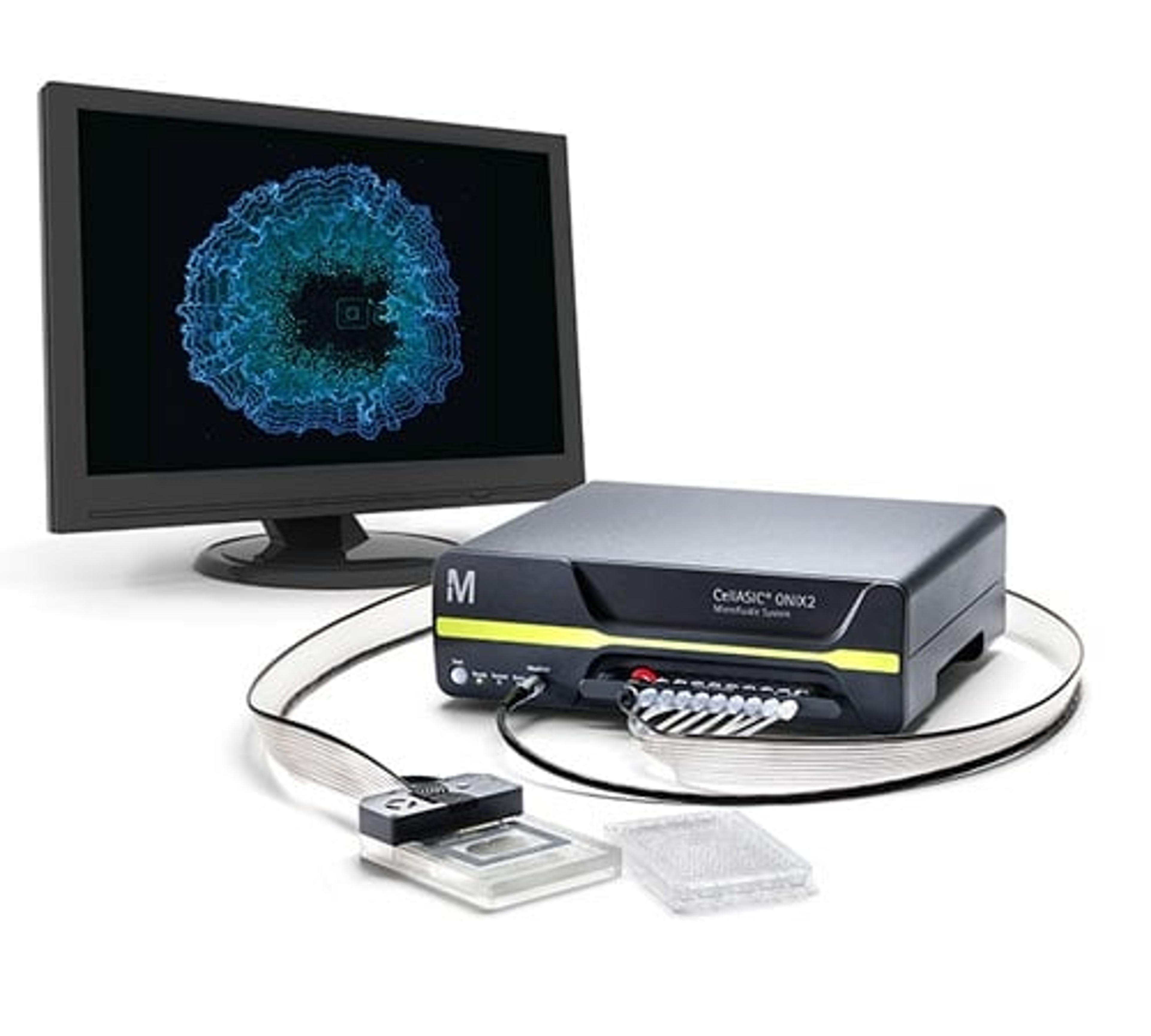
1. Application Note: Dynamic Live Cell Imaging of Bacterial Biofilm Communities Using the CellASIC® ONIX Microfluidic System

Learn how enhanced microfluidic control of cell culture parameters can create a stable, manipulatable environment, for the long-term study of bacterial dynamics. Discover how finer environmental controls simplify the challenge of studying signaling and growth in bacterial colonies. Download method

2. Infographic: The Evolution of Cell Culture with 3D Applications

This infographic from Corning Life Sciences describes the benefits of 3D cell culturing, compared with traditional 2D methodologies, for cell based research and drug discovery. Learn how 3D culturing can advance your cell workflow and discover the latest innovative equipment. Download article

3. Guide: How to Buy Microplate Readers

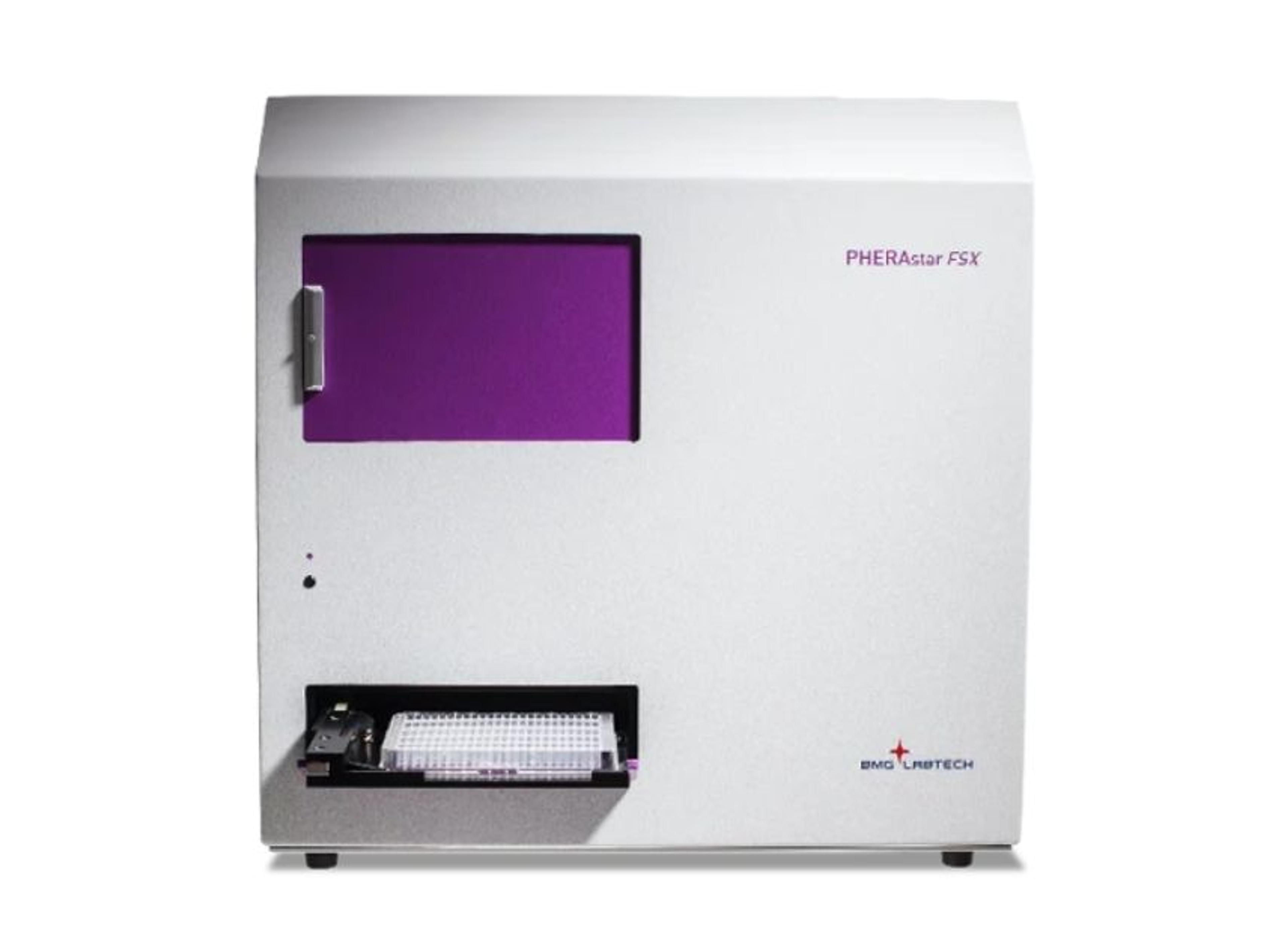
Learn all you need to know about microplate readers and their applications in this indispensible guide. Find out how you can streamline your automated cell assays and imaging with the latest microplate reader technology, and discover which products your scientific peers recommend. Download guide

4. Video: Dr Kevin Pfleger Discusses Novel nanoBRET Assay Development for High Throughput

Watch the video to find out how Dr. Kevin Pfleger, Associate Professor at the University of Western Australia and Head of Molecular Endocrinology and Pharmacology at Harry Perkins Institute of Medical Research, developed a novel nanoBRET assay for high throughput screening, in collaboration with BMG Labtech and Promega. Watch video

5. Application Note: Utilizing Automated Imaging and Advanced 3D Cell Culture Techniques to Quantify Apoptosis Activity

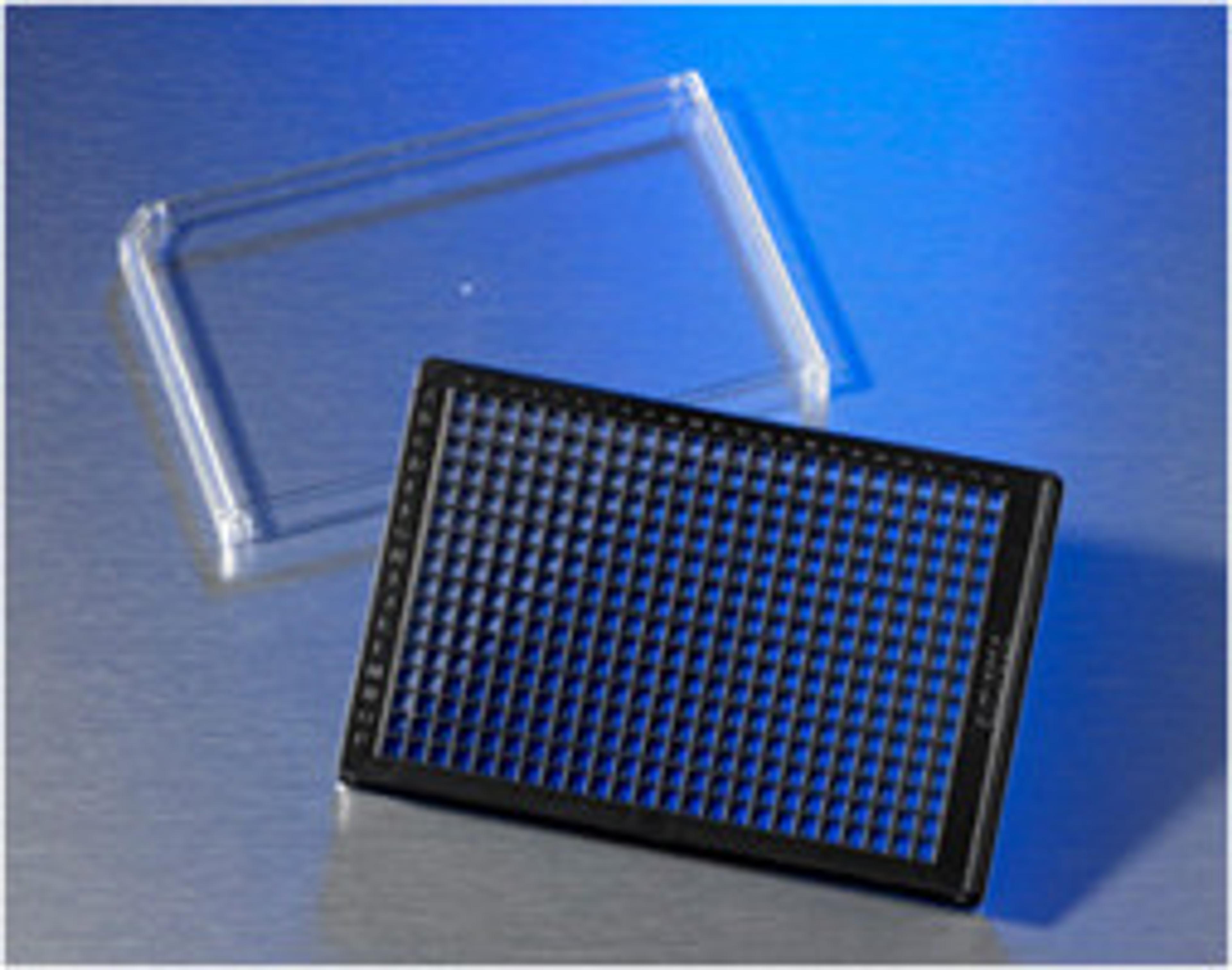
Learn about a novel 3D spheroid cell culture model, Elplasia®, and how it can be used to assess apoptotic potential of compounds in different cell lines. Discover how combination of the Elplasia® 3D Discovery Tool microplates with automated cell imaging provides more biologically relevant, robust and reproducible data. Download method

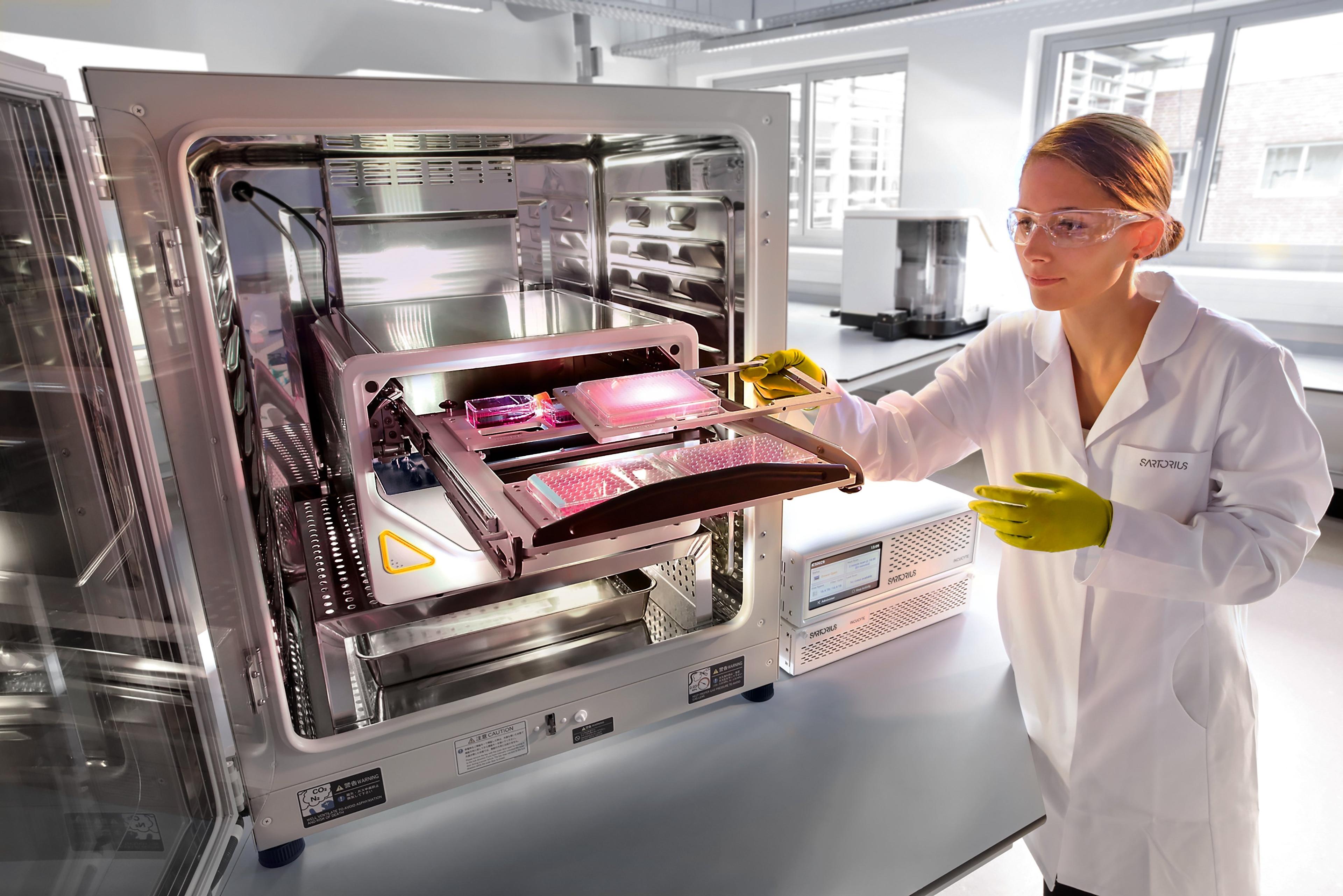
6. Application Note: IncuCyte™ ZOOM NeuroTrack™ Fluorescent Processing

Learn how the NeuroTrackTM Software Module can be used to measure the processes of neurons in monoculture, or with fluorescent labeling in co-culture. Discover how NeuroTrack offers flexibility to consistently and effectively process a wide-range of neuronal cell types. Download method

Visit our Cell-Based Automation special feature for more information.

Have you used any of these products? Share your experiences and write a review today!
Links

Tags

Cell / Tissue CultureCell culture or tissue culture is used to study the biology of cells or tissues and to isolate cellular products in an environment which can be manipulated and well defined. Accurately control your culture environment with bioreactors or culture incubators, bind your cells to a surface or together with an extracellular matrix. Distinguish cell types with differential media or proliferate cells with certain characteristics using selective media. Enrich your media with supplements such as growth factors, sera and vitamins. Find the best cell and tissue culture products, kits and equipment in our peer-reviewed product directory: compare products, check customer reviews and receive pricing direct from manufacturers.MicroplatesMicroplates are multi-well plates used to increase the throughput of biological investigations. The number of wells microplates contain can range from 6 to 3243 wells, with the 96-well format being the most commonly used. Microplates can come tailored for a range of applications including cell culture, PCR, filtration, storage, non-binding surface, protein crystallization, as well as pre-coated, deep well and normal Standard microplates. Additionally, options for microplate colors include clear , black, white or black with clear bottom and white with clear bottom for absorbance microplate reader applications. Find the best microplates for your lab in our peer-reviewed product directory: compare products, check customer reviews and receive pricing direct from manufacturers.High-Throughput ScreeningHigh-throughput screening (HTS) is an automated drug discovery technique for identification of active compounds against a compound library. Use HTS readers and integrated assay preparation / analysis workstations to screen your compounds. Identify active compounds against various HTS libraries, including membranes, proteins and peptides and HTS cell lines. Find the best high-throughput screening products in our peer-reviewed product directory: compare products, check customer reviews and receive pricing direct from manufacturers.Cell Lines Stem Cells and Primary CellsPrimary cell cultures, established cell lines and stem cells are vital for <i>in vitro</i> and <i>ex vivo</i> experimentation. High-quality cells, optimized for your applications, alongside optimized cell substrates, growth medium and supplements, are critical for experimental success. Explore a range of cells suitable for your applications, including isogenic cell lines, competent cells, induced pluripotent stem cell (iPSC)-derived cell lines, fungal/bacterial/mammalian cell lines, stem cells and cancer cell lines. Find the best cells for your research in our peer-reviewed product directory: compare products, check customer reviews and receive pricing direct from manufacturers.Microplate Readers / DetectorsMicroplate readers are used to automate the detection and analysis of labeled or label-free components in microplates during assays or live-cell monitoring. Microplate readers are generally distinguished by their mode of detection. Types include absorbance, luminescence, fluorescence intensity, fluorescence polarization, TRF / FRET and multimode microplate readers. Microplate readers deliver a high throughput of samples by reading multiple wells simultaneously, with the 96-well format the most commonly used. As a result, microplate readers are often used in the drug discovery, bioassays, research and pharmaceutical industries for screening applications. Microplate loading can also be automated, with robotic microplate stackers to increase throughput. Find the best microplate readers in our peer-reviewed product directory: compare products, check customer reviews and receive pricing direct from manufacturers.Cell-Based AssaysCell-based assays are used to monitor the presence, quantity and activities of a desired cellular analyte including drug molecules or biomarkers. This can reveal information on cell health (apoptosis, cytotoxicity, viability and proliferation assays), cell metabolism, cell migration and cell signaling mechanisms. Find the best cell-based assay products, kits and equipment with our peer reviewed product directory: compare products, check customer reviews and receiving pricing direct from manufacturers.High-Content ScreeningHigh-content screening (HCS), also known as high-content analysis (HCA), is a high-throughput technique used in drug discovery to identify substances that alter the phenotype of cells. HCS uses fluorescent microscopic imaging and automated image analysis to investigate cellular events such as apoptosis, cell viability, GPCR activation, oxide production, neurite outgrowth, and cell signaling. Find the best fluorescent labeling reagents, cellular assays, and high-content imaging systems in our peer-reviewed product directory: compare products, check customer reviews and receive pricing direct from manufacturers.Plate ProcessingAutomated plate processing is used in microplate technologies for high-throughput, speed and efficiency. Plate processing systems include microplate handlers for moving plates, heat sealers, stackers and carousels for storage, retrieval and delivery, microplate washers and piercers. Useful features of plate processors include walk-away automation, compatibility and easy integration with microplate systems.Cell Based Automation