Discover the Latest Developments in Biomarker Research

10 May 2016
Alex Waite
Editorial Assistant

Editorial article

Learn about the technologies used and how biomarker research is improving disease diagnosis and treatment.

1. Progress in Alzheimer’s Disease Biomarker Identification

Learn how cell-free mitochondrial DNA can be used as a differential marker of Alzheimer’s disease using Bio-Rad’s Droplet Digital PCR technology. Dr Ramon Trullas discusses his recently published research. Read more>>

2. Pioneering Wearable Technology for Real-Time Biomarker Analysis

Discover a transdermal biosensor patch for non-invasive blood sampling that continuously streams results to a smart device. Dr Joshua Windmiller discusses this pioneering technology using the BioJet Ultra™ from BioDot Inc. Watch the video>>

3. Effective Analysis of Therapeutic Antibodies from Rodent Plasma

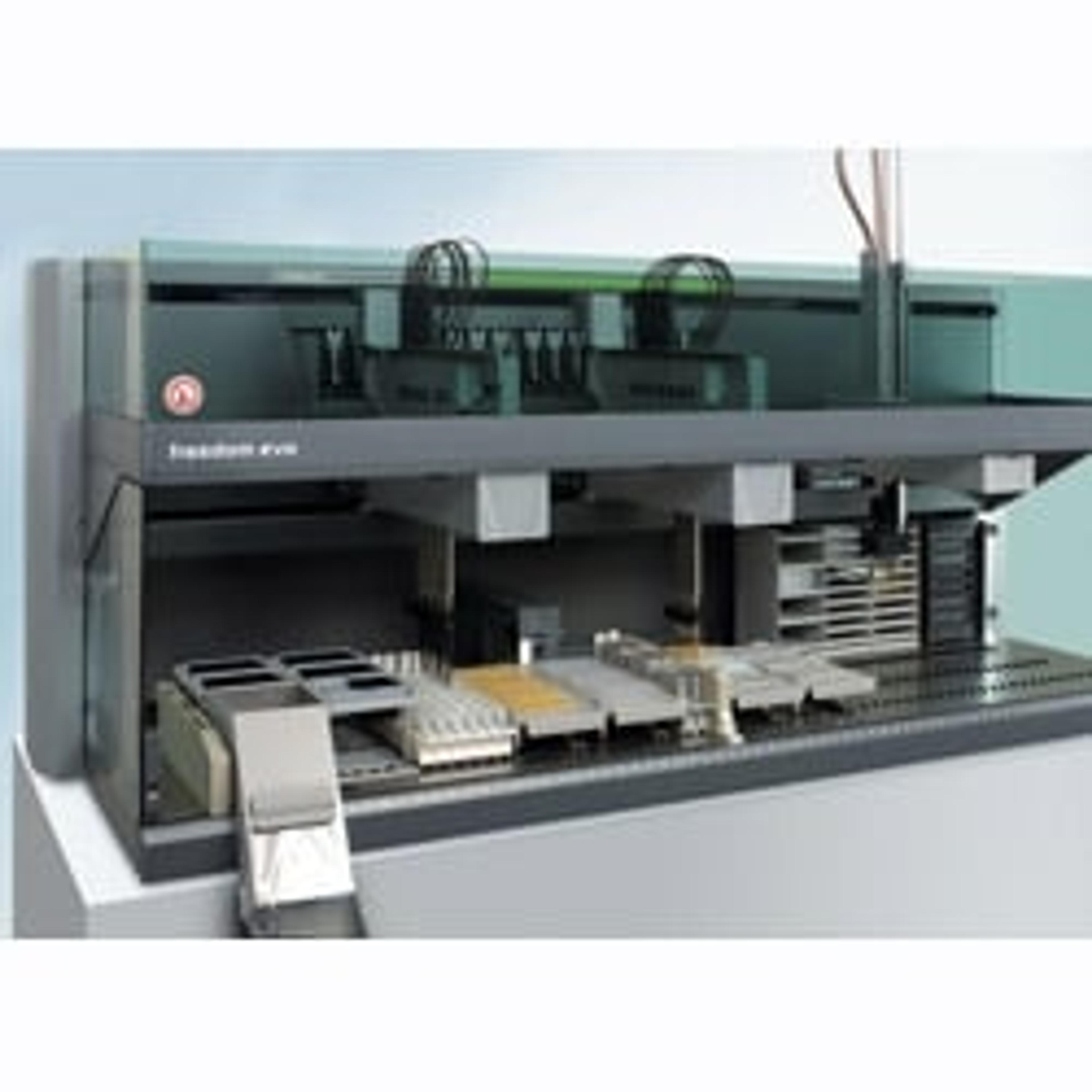
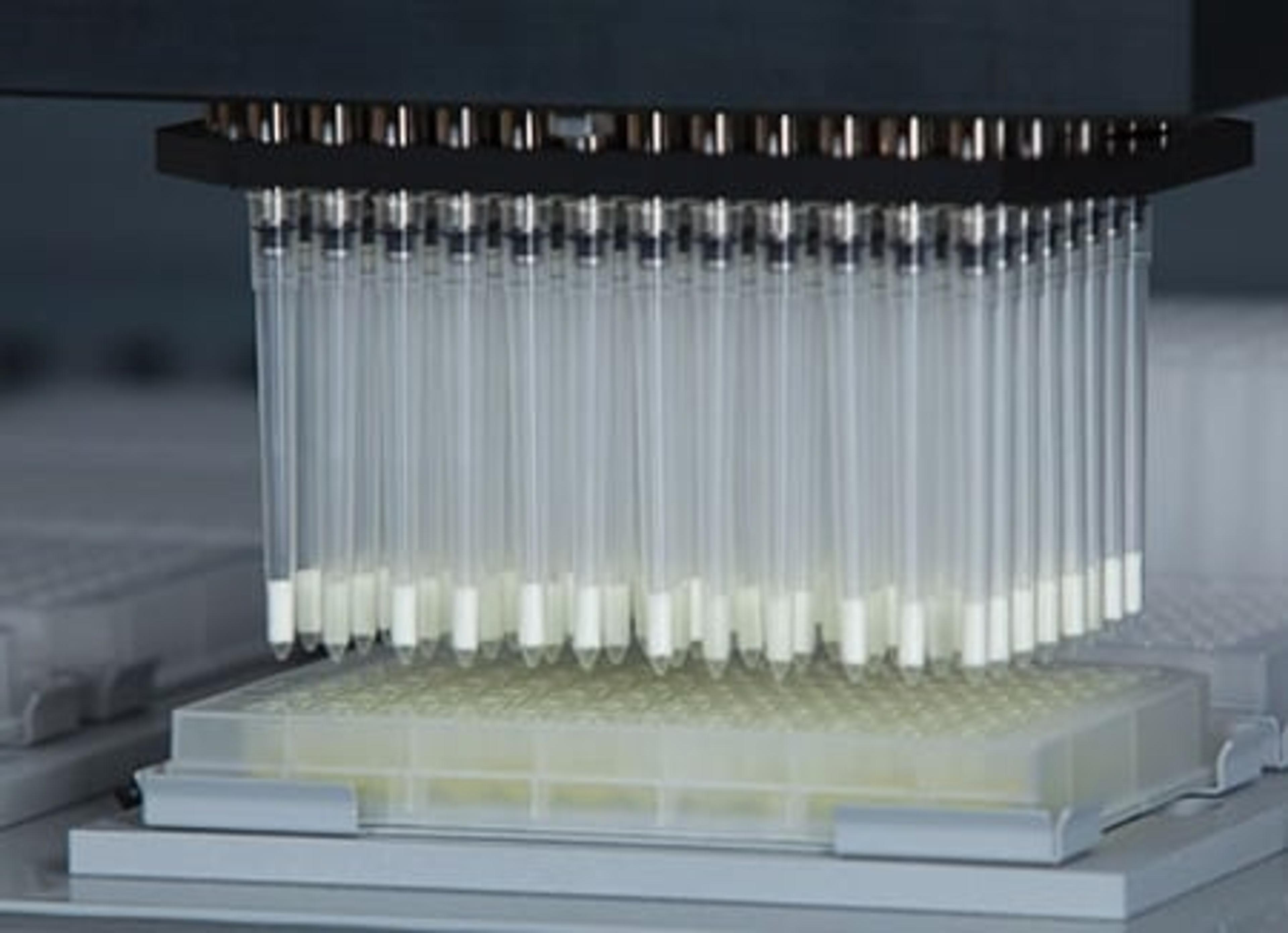
Download a method for analysis of therapeutic antibodies, of differing allotypes, from rodent plasma using the Thermo Scientific™ LB-MSIA™ workflow on the Tecan Freedom EVO® platform. Download the application note>>

4. Chemical Biomarkers of Cancer: The Hallmark of Disease

Learn about cancer biomarkers and how in combination with proteomics, they can be used to screen, diagnose and monitor cancer in patients. Read more>>

5. Novel Melanoma Biomarker Identified from Liquid Biopsies Using Digital PCR

David Polsky, MD, PhD, Professor of Dermatologic Oncology at the New York University School of Medicine spoke to SelectScience® about his recently published cancer research. This work used BioRad’s QX100 Digital Droplet PCR system to identify blood-based biomarkers of melanoma that could enhance both diagnosis and monitoring of disease progression. Read more>>

6. Droplet Digital™ PCR and Organ Transplant Rejection

Discover how droplet digital PCR is being used to help transplant patients. Researchers at Chronix Biomedical have applied Bio-Rad's ddPCR™ technology to monitor cell-free DNA as an indicator of transplant rejection. Watch the video>>

7. Efficient and Reproducible Tissue Homogenization

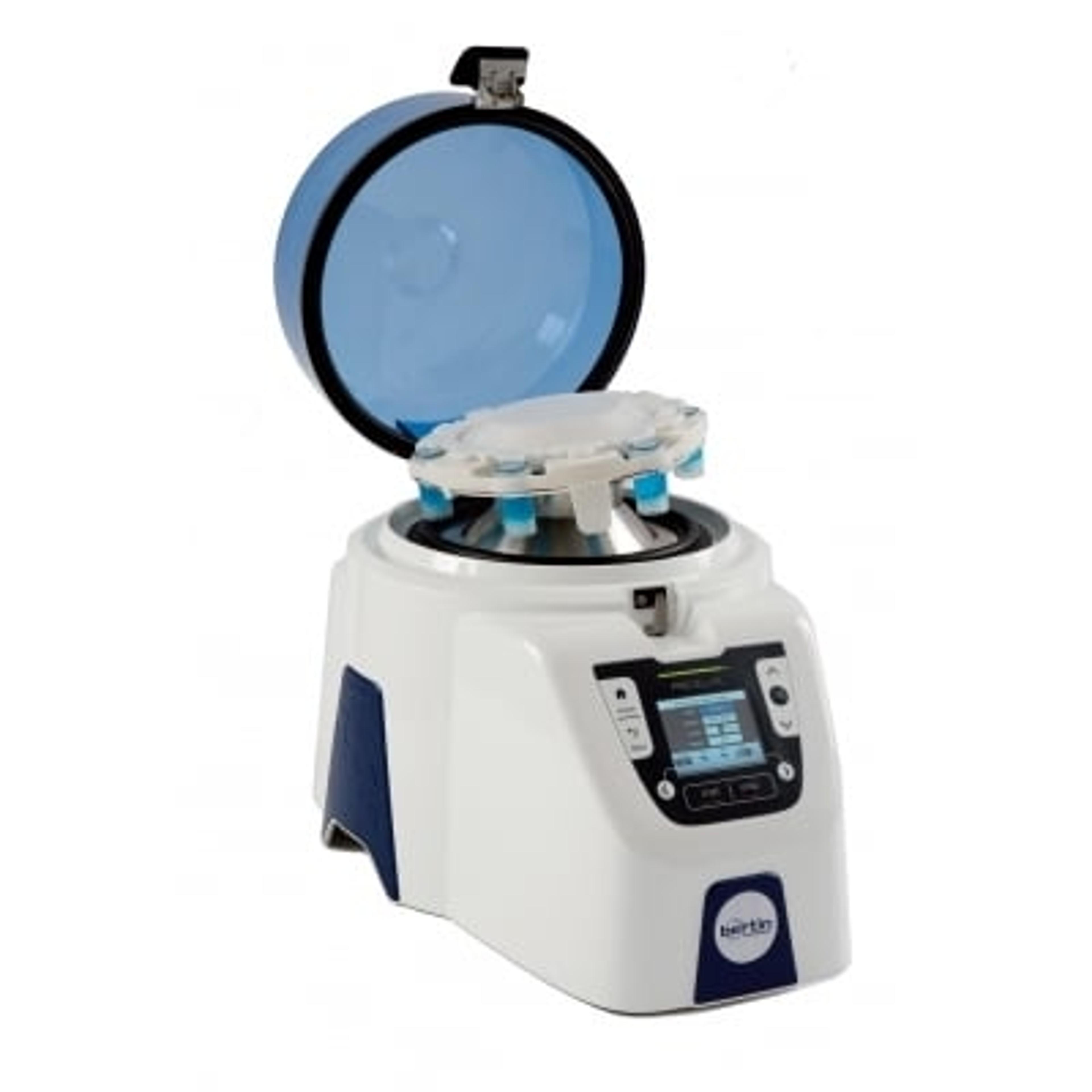
Biomarker research relies on high quality genetic material extracted from cells. Using 3D bead technology, the Precellys Evolution homogenizer can quickly produce high quality sample from animal, human, plant or microorganism. Download the application note>>

8. Measurement of Alpha GST Release from 3D InSight™ Liver Microtissues

Learn how αGST, a liver injury biomarker, can be detected and measured using 3D InSight™ Liver Microtissues from InSphero. Download the application note>>

9. Multiplexed Detection of Cytokine Cancer Biomarkers using Fluorescence RNA In Situ Hybridization and Cellular Imaging

Learn how the QuantiGene ViewRNA ISH Cell Assay Kit from Affymetrix is used to detect predictive cancer biomarkers, with a non-radioactive RNA in situ hybridization method. Download the poster>>

10. miRNAs as Cancer Biomarkers: Overcoming the Challenges of Quantifying Free-Circulating miRNA

Dr Manuela Ferracin from the University of Ferrara talks about her research into epigenetic alterations in cancer patients and the possibility of using miRNA as a cancer biomarker. Read more>>

Do you use any of the products in this article? Is there a product you could not do without? Share your experiences and write a review today for your chance to win an iPad Air® or an Amazon voucher worth $400.

Discover more technologies and methods in our Biomarker Special Feature.

Image: Molecular Diagnostics - Syda Productions/Shutterstock

Links

Tags

Sample PreparationSample preparation can improve the quality and speed of separation techniques. Products to assist sample preparation include filtration equipment, evaporators, membranes and sieves.AntibodiesAntibodies are used in techniques such as confocal and fluorescence microscopy, flow cytometry, ELISA, ELISPOT, immunohistochemistry, western blotting and immunopreciptation. Select specific antigen reactivity, high specific affinity, low non-specific binding, monoclonal or polyclonal, primary or secondary antibodies and associated conjugates such as an enzyme or dye for visualization.Genome AnalysisGenomics, the study of genomes, includes functional genomics, evolutionary genomics and comparative genomics. There are many genomic technologies such as DNA sequencing of whole genomes, computational biology and bioinformatics. DNA and nucleic acids must be isolated and concentrated from cells for analysis with kits, automated analyzers and software. Other useful technologies for studying genomics include PCR, microarrays and electrophoresis.PCR and Thermal CyclingPolymerase chain reaction (PCR) kits and thermal cyclers are used for the in vitro amplification of DNA permitting subsequent analysis and experimental procedures. Explore a range of high-quality polymerase, primers and nucleotides or simplify your workflow with a PCR mastermix. Find reverse transcription PCR (RT-PCR) and cDNA synthesis kits for RNA products and libraries. Quantitatively measure the amplification of DNA with real-time PCR (qPCR) and droplet digital PCR (ddPCR) kits and systems, and discover automated PCR setup solutions to increase throughput. Alternative DNA amplification methods also include recombinase polymerase amplification (RPA) kits. Find the best PCR kits and thermal cyclers and purification equipment in our peer-reviewed product directory: compare products, check customer reviews and receive pricing direct from manufacturers.Labware and Lab SuppliesLabware and lab supplies include various forms of glassware, plasticware, reagents and personal protective equipment (PPE) and are used across all scientific laboratories, enabling daily tasks to be performed. Explore a range of flasks and beakers, petri dishes, carboys and storage bottles. Labware such as condensers, desiccators and burettes are also available for more specific tasks. Find the best labware and lab supplies in our peer-reviewed product directory: compare products, check customer reviews and receive pricing direct from manufacturers.Sample ManagementSample management systems include sample storage devices such as freezers and plate storers, sample environment enclosures and sample organization, retrieval and sorter systems. Useful system features include high-throughput, automation, robotic arms, automated liquid handling and associated database systems. Accessories in sample management include barcode scanners, heat sealers and tubes.Microarray AnalysisMicroarrays, also known as biochips, are used for the detection and analysis of multiple genes, proteins, antibodies, or biomarkers on a single microchip. This can reveal information on protein or gene expression, single nucleotide polymorphism (SNP), copy number variation (CNV), epigenetics and patient health in clinical diagnostic tests. Discover a range of microarray scanners and prefabricated antibody, protein, RNA and DNA microarrays for your analysis or consider creating your own custom microarrays with a microarray printer. Find the best microarray products in our peer-reviewed product directory: compare products, check customer reviews and receive pricing direct from manufacturers.ImmunologyImmunological techniques measure and characterize immune responses. Immunology kits and analysis systems often use techniques such as ELISA, radioimmunoassay (RIA) and immunodiffusion assays, Immunohistochemistry, and flow cytometry. Immunologists use equipment such as flow Cytometers, plate readers, plate washers and fluorescent microscopes.Cell-Based AssaysCell-based assays are used to monitor the presence, quantity and activities of a desired cellular analyte including drug molecules or biomarkers. This can reveal information on cell health (apoptosis, cytotoxicity, viability and proliferation assays), cell metabolism, cell migration and cell signaling mechanisms. Find the best cell-based assay products, kits and equipment with our peer reviewed product directory: compare products, check customer reviews and receiving pricing direct from manufacturers.DNA / RNA Extraction and PurificationPurified DNA and RNA are required for numerous downstream molecular biology applications. Consequently, the importance of high-quality DNA/RNA extraction and purification equipment cannot be underestimated. Many purification kits are available and are typically optimized for nucleic acid type and source, including plasmid DNA, genomic DNA, mRNA, RNA and viral nucleic acid purification kits. Automated extraction and purification of nucleic acids can be implemented with magnetic bead separator instruments or high-throughput purification workstations. Find the best DNA/RNA extraction and purification equipment in our peer-reviewed product directory: compare products, check customer reviews and receive pricing direct from manufacturers.DNA SequencingDNA sequencing, such as sanger sequencing, is a biological technique that determines the precise order of nucleotide bases in a fragment or template of DNA. DNA sequencers and genetic analyzers are based on capillary electrophoresis, where labeled DNA fragments are electrophoretically separated by size as they migrate through a polymer. Find the best DNA sequencing products, including DNA sequencing kits, genomic libraries and genetic identity kits in our peer-reviewed product directory: compare products, check customer reviews and receive pricing direct from manufacturers.RNA InterferenceRNA interference (RNAi) uses siRNA or miRNA for transcriptional silencing, gene knockdown and regulation of gene expression. RNAi requires chemical synthesis, introduction of DNA vectors into cells, an assay of RNAi effects and RNAi quantification or analysis. Consider target sequence selection, reagent preparation, controls, high specificity and effectiveness and low non-specific gene knockdown.BiomarkersBiomarkers are biological markers which can be measured and evaluated to indicate a biological state. The use of biomarkers in research and diagnosis can indicate a normal or disease state or drug response of cells / tissues. Biomarkers include genetic markers, cell surface markers such as antigens, antibodies or receptors and secreted molecules such as cytokines. An assay system is required for identification of biomarkers. :Robotic InstrumentsRobotic instruments can be used for high-throughput automation of many lab processes. Such processes use instruments for assays like cell based assays and ELISA, for sample preparation like shakers, centrifuges and incubators, and for analysis such as sequencing and western blot analyzers. Useful features of robotic instruments include speed, reproducibility, barcode readers, software and automation.Robotic WorkstationsRobotic workstations are automated platforms enabling the user to perform high-throughput, multi-application processes, from sample preparation tasks such as PCR set-up, DNA purification and NGS library preparation, to integrated sample prep and analysis workstations. Automation makes processes consistent, fast, precise and fully walk-away. Find the best robotic workstations in our peer-reviewed product directory: compare products, check customer reviews and receive pricing direct from manufacturers.