
Diabetes Research Unit Cymru confirms EKF POCT HbA1c testing comparable to lab-based HPLC
EKF Quo-Test HbA1c analyzer successfully evaluated at Swansea University Diabetes Research Unit
25 Jun 2017Product news
EKF Diagnostics, the global in vitro diagnostics company, announces that a recent study has confirmed that its Quo-Test® A1c point-of-care testing (POCT) analyzer shows comparable performance to a lab-based HPLC system for the measurement of glycated hemoglobin (HbA1c). Recently published in Practical Laboratory Medicine [1], the study undertaken by the Diabetes Research Unit Cymru, Swansea University, UK, also observed that under the correct circumstances using WHO guidelines Quo-Test is appropriate for the diagnosis of Type 2 diabetes.
HbA1c is routinely used as a measure for the assessment of long-term diabetes control and, more recently, it has also been recommended for diabetes diagnosis [2]. With the increasing use of POCT devices for the measurement of HbA1c without the waiting time associated with laboratory testing, it is crucial to determine how their performance compares. The Swansea University study aimed to compare the Quo-Test POCT analyser using boronate fluorescence quenching technology with an established HPLC laboratory method.
Using whole blood EDTA samples (n=100) from subjects with and without diabetes, the study found good overall agreement between the Quo-Test and reference HPLC method (R2=0.9691; p<0.0001). A diagnostic comparison was also made in line with WHO diagnostic ranges for HbA1c. Use of the Quo-Test as a diagnostic tool, showed 97% (n=79) agreement with the HPLC analyser for glucose intolerance and 100% (n=72) agreement for Type 2 diabetes.
The study concluded that, “The performance of the Quo-Test POCT analyzer is similar to that of a laboratory HPLC analyzer. The Quo-Test POCT analyzer should be considered for diagnostic purposes by the various professional organizations that issue clinical guidelines.”
Gareth Dunseath, Diabetes Research Unit Cymru Laboratory Manager, commented, “Device validation and testing is an important part of the research work that the Diabetes Research Unit Cymru laboratory undertakes, especially where the findings can expand on the services that we are able to provide. In this study, our findings showed very good reproducibility and agreement between the Quo-Test and an established laboratory HPLC method across a spectrum of glucose tolerance. This gives the reassurance that the Quo-Test can be used in situations where the immediate result afforded by a POCT method is of benefit, such as screening for eligibility for clinical trials.”
The Diabetes Research Unit Cymru study follows another by scientists from the European Reference Laboratory for Glycohemoglobin [3]. This demonstrated that Quo-Test A1c easily met International Federation of Clinical Chemistry and Laboratory Medicine (IFCC) performance criteria for HbA1c measurement. Meeting the IFCC accepted quality targets (>2 sigma at 10% total allowable error (TAE) at 48 mmol/mol HbA1c) is essential for the effective monitoring of glycemic control in diabetes patients.
EKF’s Quo-Test® analyzer has been designed for easy and reliable HbA1c measurement in a point-of-care setting, such as diabetes clinics and doctors’ surgeries. It is fully automated, measuring glycated hemoglobin from a 4 μL sample taken from a finger prick or venous whole blood. Sample results are available within four minutes and reported in IFCC and DCCT standard units. It is also unaffected by most hemoglobin variants.
More information on EKF Diagnostics and its range of products can be found here.
References
1. D.A. Grant, G.J. Dunseath, R. Churm , S.D. Luzio. Comparison of a point-of-care analyser for the determination of HbA1c with HPLC method. Practical Laboratory Medicine, 8 (2017), pp. 26–29
2. A. Ejilemele, J. Unabia, H. Ju, J.R. Petersen. A1c Gear: laboratory quality HbA1c measurement at the point of care. Clin. Chem. Acta, 445 (2015), pp. 139–142
3. E. Lenters-Westra, & E. English. Understanding the use of sigma metrics in hemoglobin A1c analysis. Clin Lab Med. 37 (2017), pp. 57-71
Related products
Request Quote for All Products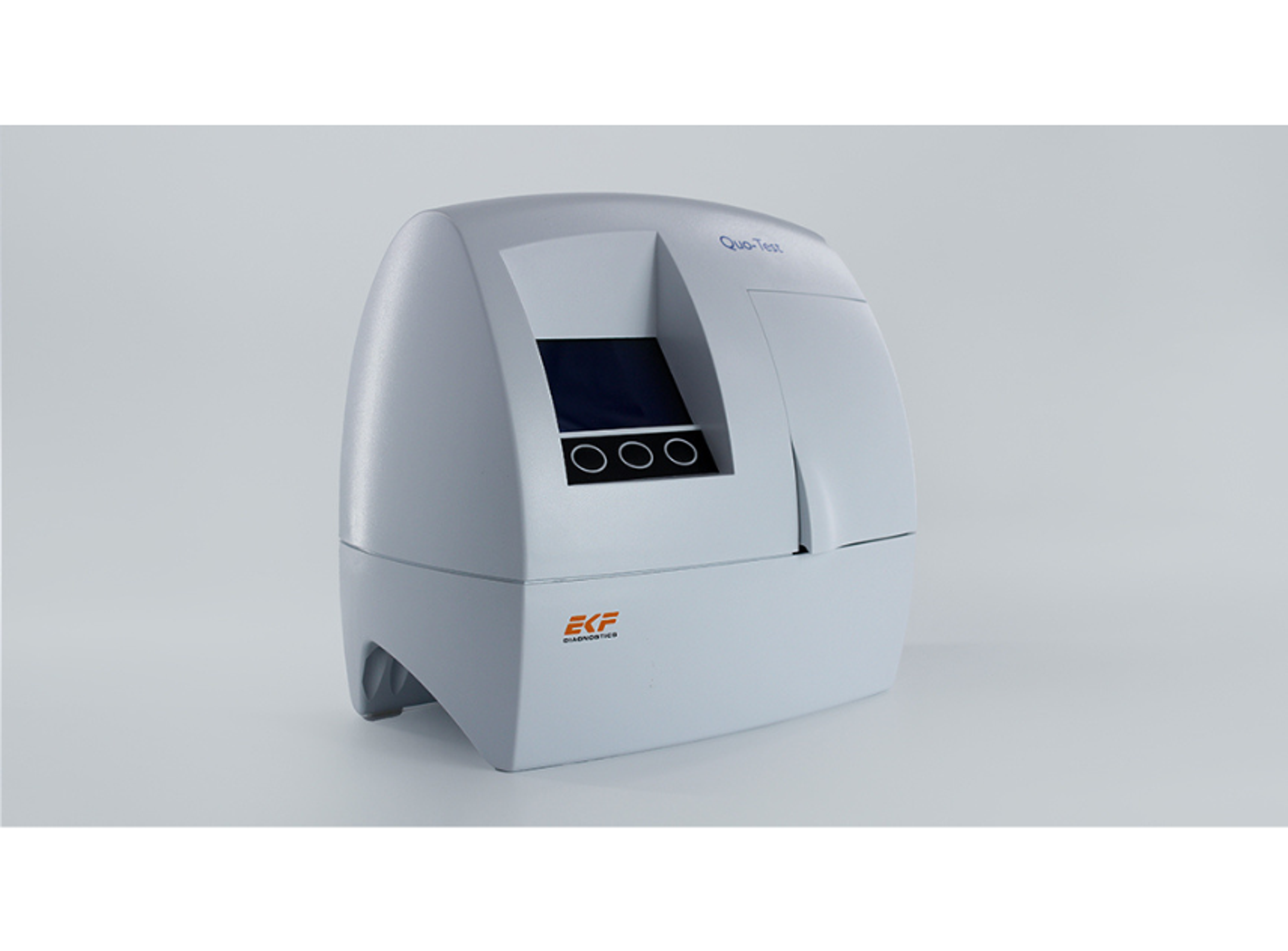
Quo-Test®: Lab-accurate HbA1c results
EKF DiagnosticsThe Quo-Test® is a fully automated desktop point-of-care HbA1c analyzer. It will give easy and reliable HbA1c measurement for the monitoring and management of diabetes in a point-of-care setting, such as diabetes clinics and doctors’ surgeries.
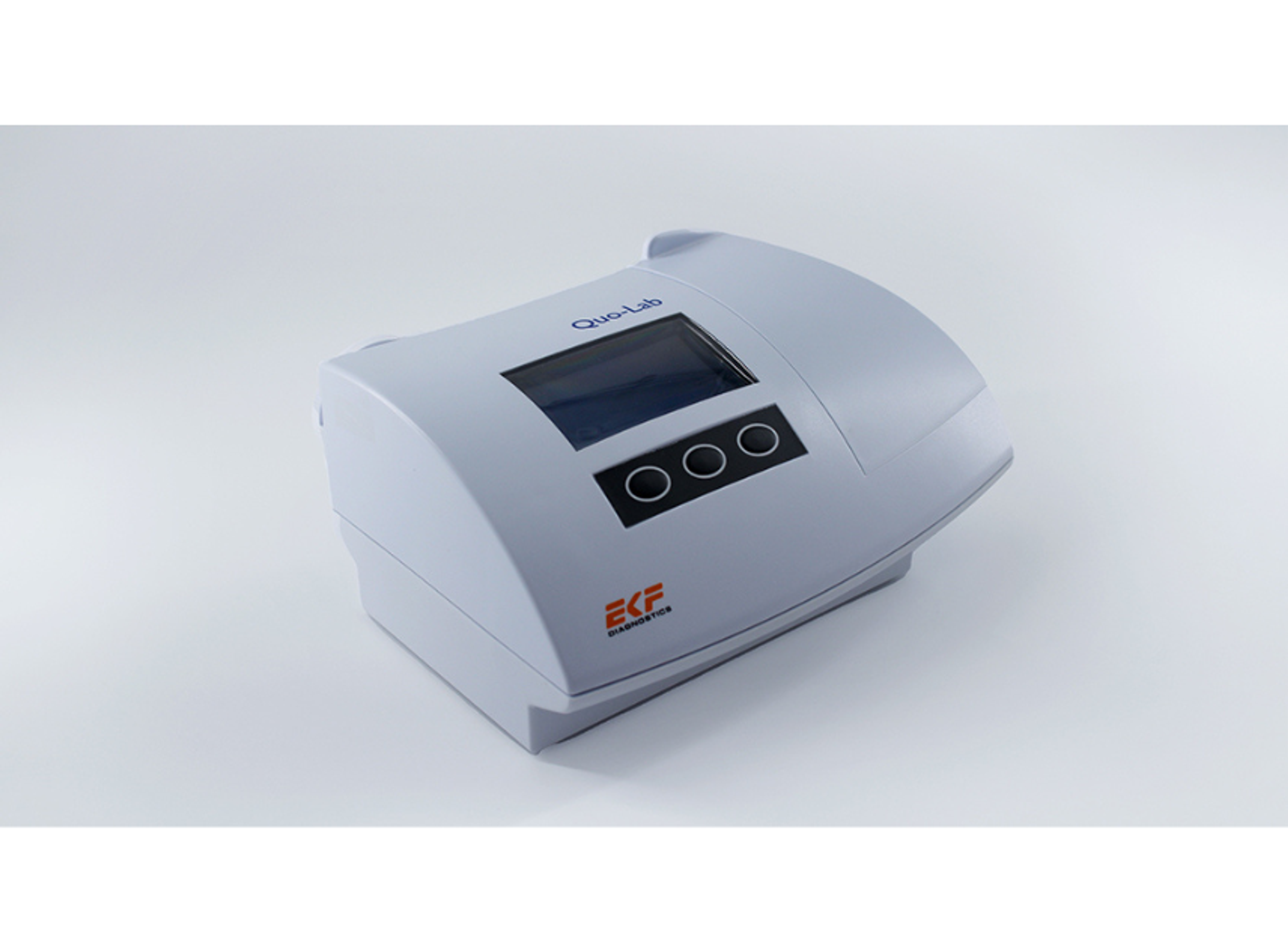
Quo-Lab®: Affordable and reliable HbA1c testing
EKF DiagnosticsQuo-Lab® HbA1c is a semi-automated desktop point-of-care analyzer for measuring glycated hemoglobin (HbA1c).