
Developing custom lentiviruses and enhancing transduction for more effective gene therapy
Find out how one lab is streamlining the development of lentiviruses and transduction enhancers to treat a range of genetic diseases
29 Aug 2019
Editorial article

Lentiviruses (LVs) are a subclass of retroviral vectors with high transduction efficiency. LVs are known to infect several mammalian species, with the most prominent human pathogen being the human immunodeficiency virus (HIV). The success of LV infection is down to their ability to incorporate viral cDNA into both dividing and non-dividing host cells. This allows LVs to infect cell populations without eliciting an immune response, as well as allowing for their integration into the germline genome of the host. This efficient gene delivery process is employed as a primary research tool for applications such as gene therapy. LVs can be used as vectors to insert, delete or modify genes in host cells, with the assurance that these changes will be inherited by the host’s descendants. This approach has the potential for use as a treatment for diseases including diabetes mellitus, hemophilia, arthritis, and some cancers.
In this exclusive expert interview, Dr. Stefan Hasenöder, senior scientist at Sirion Biotech, discusses his work in creating custom-made lentiviruses and associated transduction enhancers for clinical applications. Hasenöder also explains how, through a collaboration with Tecan, the new Spark Cyto has helped to streamline his lab’s assays for measuring lentiviral transduction enhancement.
Q: Why is research into lentiviruses important?
SH: Lentiviruses are a very useful tool for gene therapy, an application that is becoming increasingly important, especially in the clinic. Gene therapy requires a highly efficient transduction rate to get as many cells transduced as possible. Using transduction enhancers is an efficient approach as it saves on the amount of virus required, which saves money and resources, but it also means fewer cells are needed for the therapy.
Q: What are the key applications of your work?
SH: My main focus is screening different chemical compounds for their ability to enhance transduction, be they newly synthesized compounds or compounds that are already available on the market. We also look at altering certain features of lentiviruses, for example the viral capsid, and then looking at the effect this change has on transduction.
Q: Can you tell me a bit about how you are using the Spark Cyto?
SH: Our collaboration with Tecan has been going on for a few years now and we have been testing the Spark Cyto in terms of the general functionality of the device and software, focusing on its ease of use. We have been using the Spark Cyto for assays that measure general transduction and transduction enhancement of lentiviral vectors on any type of cell.
Find out more about Dr. Stefan Hasenöder's work with the Spark Cyto in this expert webinar>>
Q: What impact has the Spark Cyto had on your work?
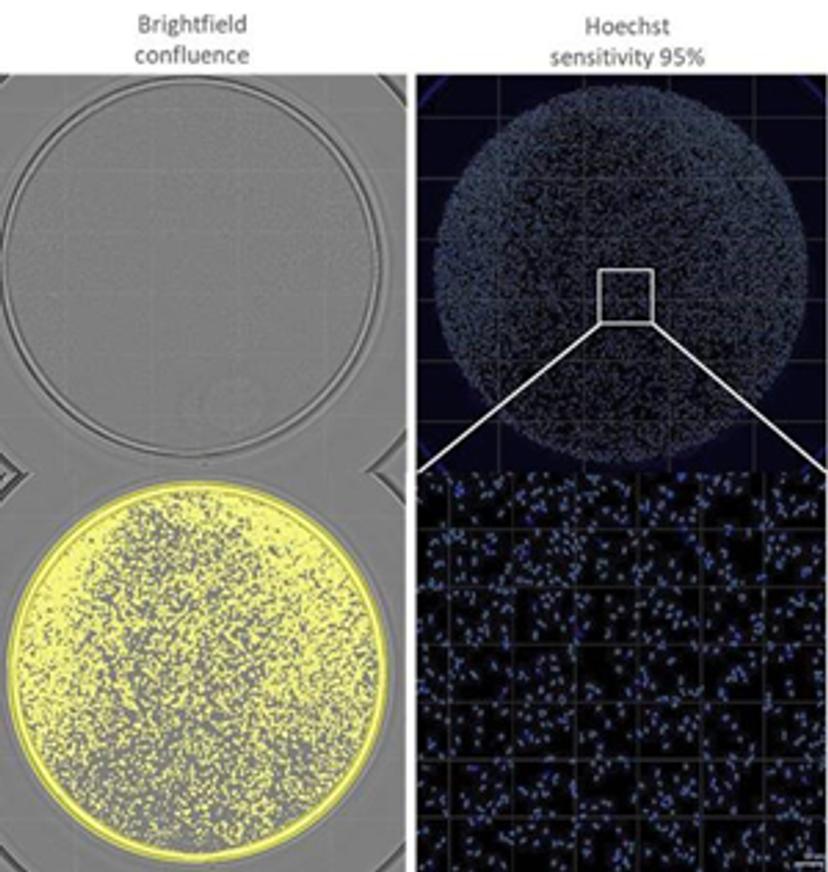
SH: The Spark Cyto has allowed us to measure a lot of different parameters at the same time. Since the system combines plate reading with microscopy, there are several assays we can run one after the other, without interference. For example, by transducing the cells with the lentiviral vector expressing GFP and then counting the transduced cells, we can measure the growth of the cells either by bright-field imaging or fluorescent imaging using a counter stain. We can also measure the lethality of potential compounds by using specific dyes which measure toxicity. Additionally, we can measure overall transduction enhancement using luciferase, not on a cell-to-cell basis.
Q: Would recommend the Spark Cyto to other colleagues who were looking for something similar?
SH: Yes, absolutely. The great thing is the versatility of this device as it has whole plate reader capacity and a built-in microscope. We have only used a small fraction of what the Spark Cyto can really do, but it’s great to have a machine that gives you so many possibilities. The system reduces the hand-on time needed for set-up and you can combine several assays, which you would normally do separately, into one. Once the system is set up, you can start the whole run with just one click, which really makes it easier and saves time. There isn’t much to play around with regarding the device itself and the software’s user interface is very intuitive, very clear, and very well structured, so you hardly need any help when you start using it.
Q: What are the hopes for the future of your work?
SH: Generally, we want to be able to provide various transduction enhancers which can be used for gene therapy preclinical tests and also in clinical applications . The big market now is hematopoietic stem cells and CAR T-cells. However, the main problem with these calls is that they're difficult to transfuse. Being able to provide transduction enhancers enables labs and hospitals to be more efficient in producing transgenic hematopoietic stem cells or T-cells for applications in human health. We do currently have a lentiviral transduction enhancer, the LentiBOOST, which is already being used in clinical trials (phase one and two) for genetic diseases including beta thalassemia, SCID and sickle cell anemia. So, there is definitely potential in the future to offer more products in this area.
Do you use Tecan products in your lab? Request a quote for the Spark Cyto or write a review today for your chance to win a $400 Amazon gift card>>
Related products
Request Quote for All Products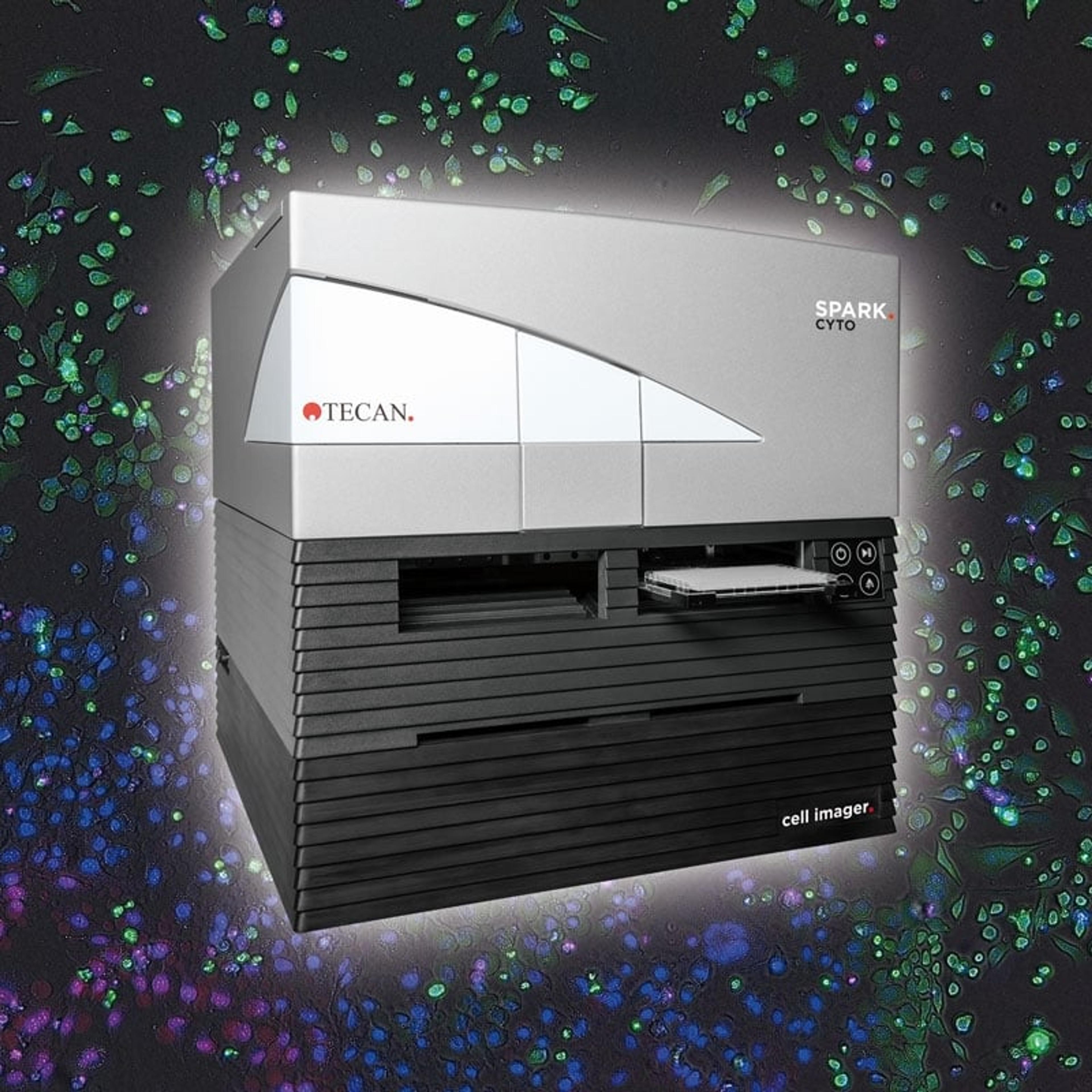
Spark® Cyto
TecanSpark Cyto is the first live cell plate reader to detect biological, chemical or physical events – capturing the maximum amount of data possible from each plate well, at the same time and under the same conditions.
LentiBOOST
SIRION BIOTECH GmbHUniversal, clinically applicable enhancer solution for lentivirus based transductions.