COVID-19 testing: Your step-by-step guide to optimal specimen collection, transportation, and storage
10 Aug 2020
Industry news
Inadequate or inappropriate patient specimen collection, storage, and transport are likely to impact specimen quality and yield false test results. Therefore, training in specimen handling is highly recommended and there is a critical need for tight environmental uniformity to ensure specimen viability. In this article, PHCbi shares the recommendations for collecting, transporting, and storing COVID-19 specimens and the solutions on offer to ensure control and quality, at every step of the specimen processing workflow.
The COVID-19 diagnostic workflow
1. The virus swab:
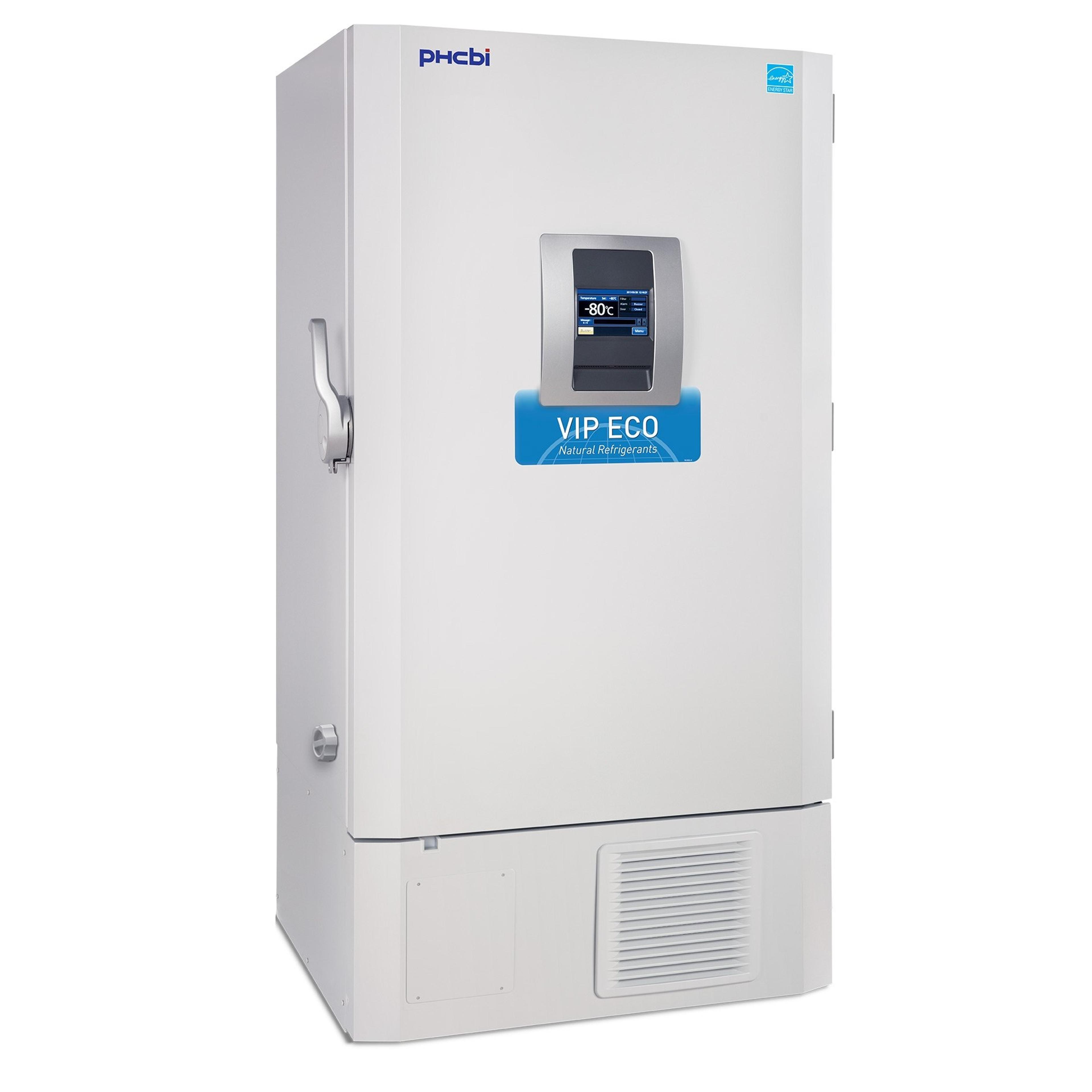
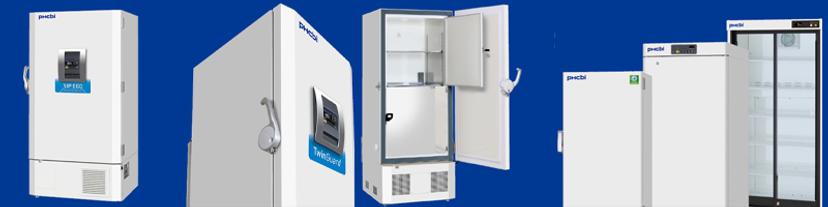
Samples from the patients are taken and then stored in a -80°C or lower freezer, such as the VIP ECO natural refrigerant freezers.
2. The genetic extraction:
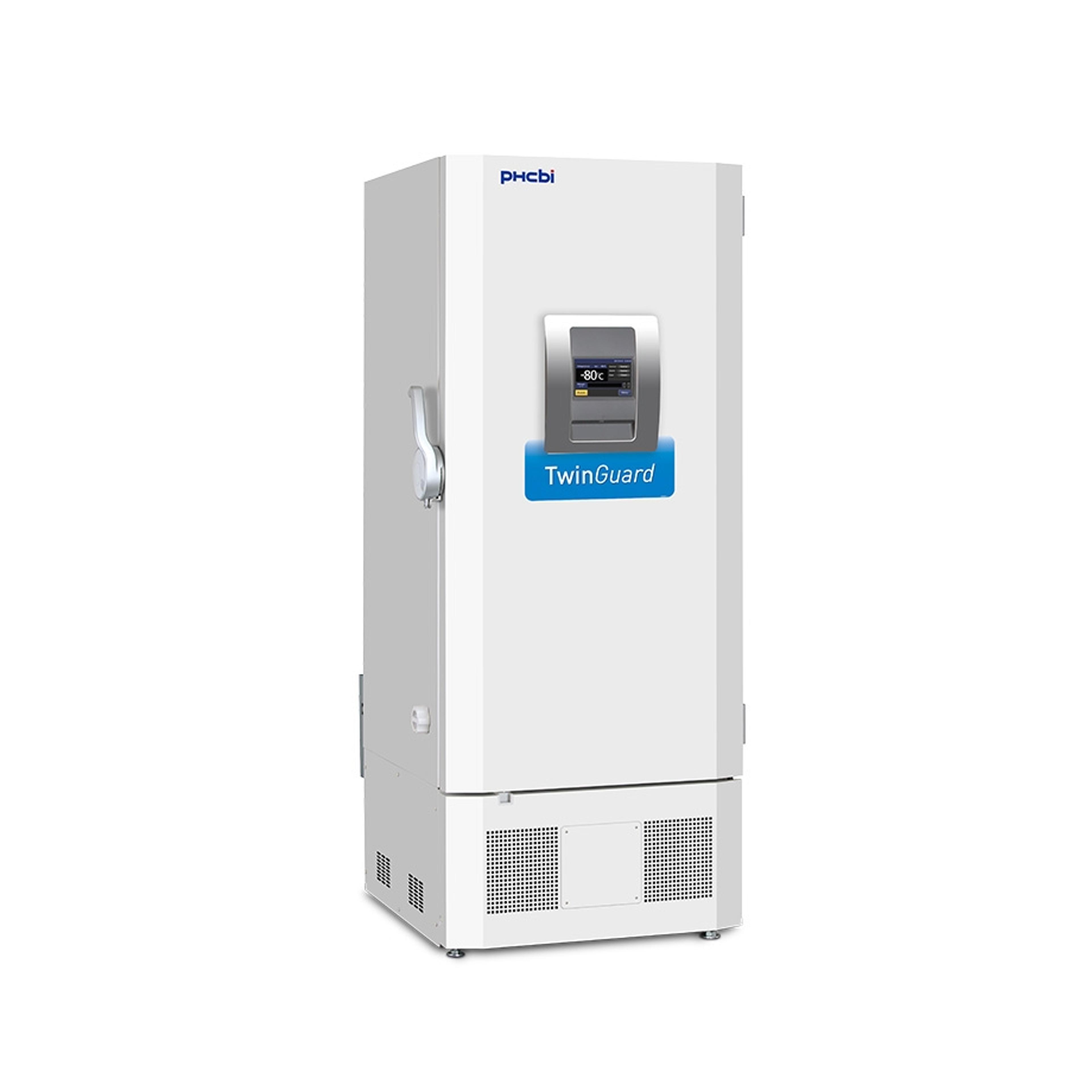
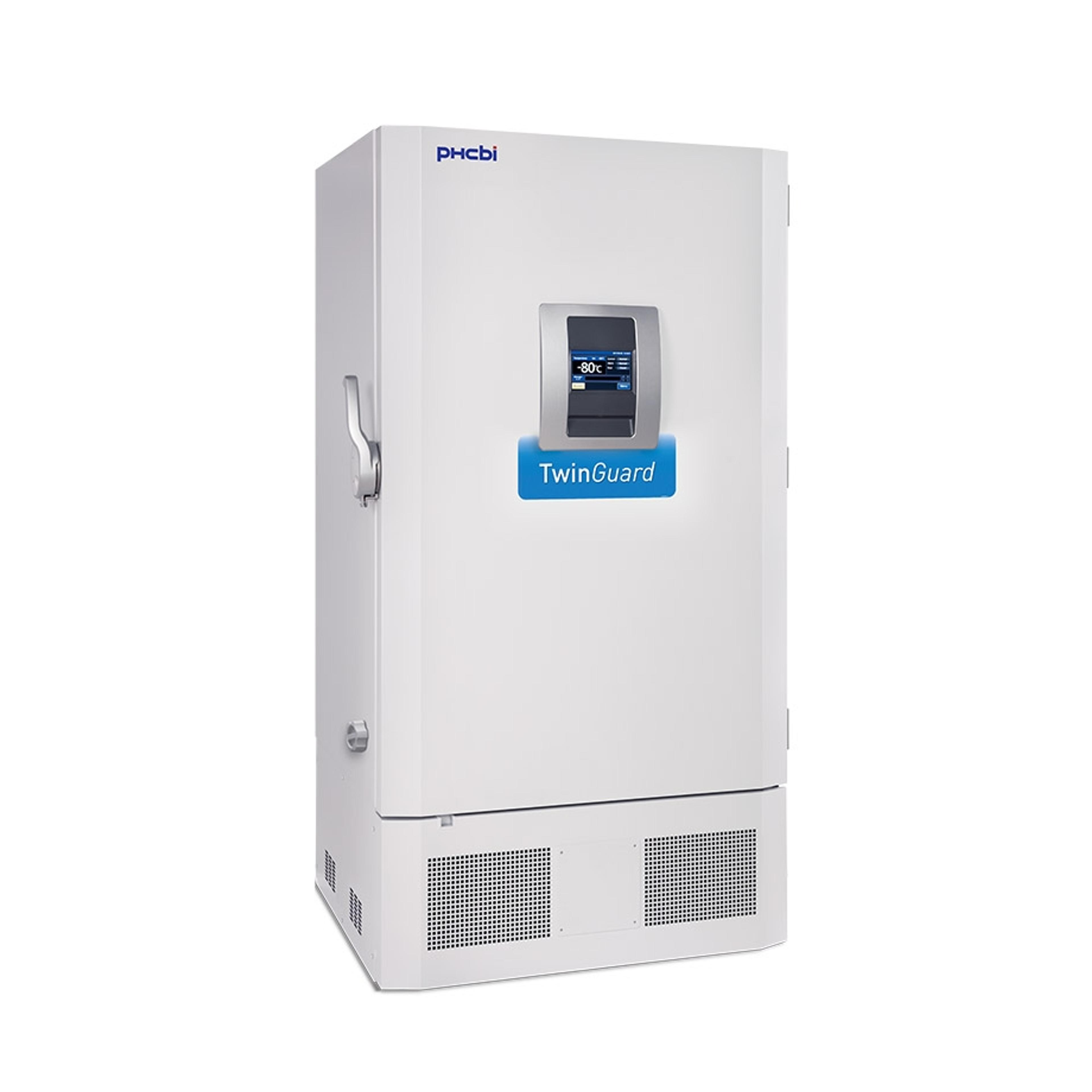
The RNA from the viral specimen is extracted and then delicately archived in the ultimate sample storage at -80°C or lower freezer, such as the TwinGuard Series of ULT freezers.
3. The amplification:
Test kits are used to amplify genetic material for detection. These kits contain enzymes, DNA PCR primers, and buffers. PCR primers and probes are then stored accordingly as follows:
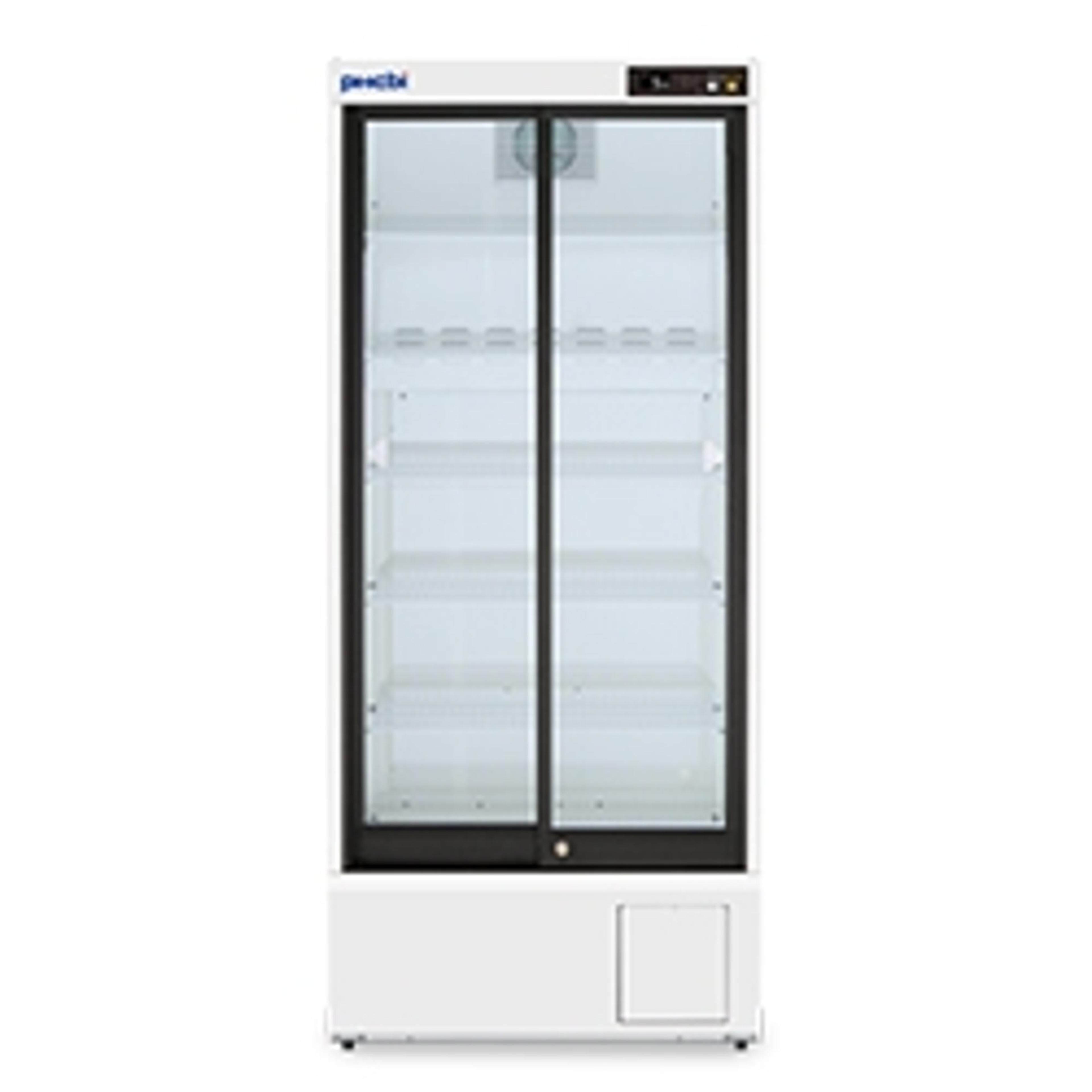
- One aliquot of primers/probes can be stored at 2-8°C in pharmaceutical fridges, such as the MPR-S300H high-performance ECO pharmaceutical refrigerator.
- Remaining aliquots can be stored at less than -20°C in a non-frost-free freezer, such as the MDF-MU339HL biomedical ECO freezer.
- Remaining PCR test samples can be stored for future verification in -70°C or lower, in freezers such as the MDF-702VHA VIP® ECO natural refrigerant -86°C and MDF-DU702VXC TwinGuard Series ULT upright freezer.
4. The result:
The amplified cDNA is now ready for detection. The PCR test sample is then stored at -80°C in a freezer such as one from the TwinGuard Series.
Guidelines from the Centre for Disease Control (CDC)
It is also recommended that you refer to the CDC's "Interim Guidelines for Collecting, Handling, and Testing Clinical Specimens from Persons for Coronavirus Disease 2019", which can be accessed here. A summary of the top tips for collection, transportation, and storage of COVID-19 patient specimens can be found below:
Collecting specimens
- For your chosen specimen collection device, follow the manufacturer instructions for proper collection methods.
- Swab specimens should only be collected via swabs with a synthetic tip (such as nylon or Dacron®) and an aluminum or plastic shaft. Calcium alginate swabs are unacceptable and cotton swabs with wooden shafts are not recommended.
- Swabs should immediately be placed into sterile tubes containing 1-3 ml of appropriate transport media, such as viral transport media (VTM).
Transporting specimens
- Specimens must be packaged, shipped, and transported according to the current edition of the International Air Transport Association Dangerous Goods Regulation.
- Shipping regulations for UN 3373 Biological Substance, Category B should be followed when sending potential 2019-nCoV specimens.
- Specimens should be stored at 2-8°C and shipped to the CDC on an ice pack. If a specimen is frozen at -70°C or lower, it should be shipped to CDC on dry ice.
Storing specimens
- Specimens can be stored at 2-8°C for up to 72 hours after collection.
- If a delay in extraction is expected, store specimens at -70°C or lower.
- Extracted nucleic acid should be stored at -70°C or lower.
Visit our COVID-19 and Infectious Disease special feature for more of the lastest>>